

Indiana often flies under the radar as a Midwestern destination, but its mix of friendly cities, lakefront dunes, small towns, and forested state parks draws millions of visitors each year. Like anywhere, it has areas and situations that call for extra awareness, from urban neighborhoods to winter roads and backcountry trails. The good news for travelers is that most visits are trouble free when you plan ahead and follow basic precautions tailored to Indiana’s specific conditions.
Understanding Safety in Indiana Overall
Indiana is generally considered a moderately safe state for visitors, especially in smaller communities, college towns, and popular tourist areas. Serious incidents involving travelers are relatively uncommon, and most people experience only minor issues such as car trouble, weather delays, or the occasional petty theft. As in many places across the United States, crime and safety risks tend to be concentrated in specific urban neighborhoods and along busy highways rather than in the destinations most visitors frequent.
For context, statewide crime data show that Indiana’s violent crime rate sits around the national middle, with some cities posting higher rates and many rural counties significantly lower. Travelers should treat Indiana like they would any mixed urban and rural destination in the Midwest: a place where everyday common sense, situational awareness, and respect for local conditions go a long way. Instead of focusing on statistics that can fluctuate from year to year, visitors are better served by understanding patterns and planning according to the type of trip they are taking.
Seasonal factors also shape safety in important ways. Summer brings crowds to Indiana Dunes National Park, lakes, and festivals, which can mean more traffic, heat-related risks, and the need for extra patience. In winter, snow and ice can turn highways and county roads hazardous, even if skies are clear. Spring and late summer can see severe thunderstorms and localized flooding. Thinking about safety in Indiana means planning not only for crime but also for weather, traffic, outdoor conditions, and your own level of experience with activities like hiking, paddling, or driving in snow.
Overall, Indiana is not a destination most travelers avoid for safety reasons. Instead, it is a state where preparation matters. Choosing lodging in well-reviewed areas, knowing which neighborhoods to avoid late at night, checking road and weather conditions before long drives, and following official guidance in parks and on trails will usually keep risks at a manageable level.
City Safety: Indianapolis, Fort Wayne, South Bend and Beyond
Indiana’s cities are where visitors most often have questions about safety, especially Indianapolis, the state’s capital and largest urban center. Like many midwestern cities, Indianapolis has a mix of revitalized downtown districts, growing cultural neighborhoods, and pockets of higher crime. Downtown Indianapolis, the canal walk, and areas around major attractions and convention venues are widely perceived as reasonably safe during the day and early evening, particularly when events are underway and streets are active. Travelers often comment that the city feels walkable and manageable if you stay aware of your surroundings and avoid isolated streets at night.
Violent crime in Indianapolis is higher than the national average and tends to be concentrated in specific neighborhoods outside the core visitor zones. Visitors who stick to established hotel districts, sports venues, museums, and the Cultural Trail typically encounter a heavy presence of workers, residents, and in some cases law enforcement or private security. Normal urban precautions apply: keep valuables out of sight, lock vehicles, use marked parking garages, and rely on well-lit routes when walking after dark. If you are unsure about a particular area, hotel staff and local hosts are usually candid about where to go and what to avoid late at night.
Other Indiana cities such as Fort Wayne, Evansville, South Bend, Bloomington, and Lafayette have their own safety profiles but share similar patterns. Central business districts, university areas, and well-known restaurant and entertainment corridors are generally considered safer for visitors, with more activity and better lighting. Expansion areas around universities, like the neighborhoods near Indiana University in Bloomington or Purdue University in West Lafayette, can feel lively and walkable but still merit standard caution, especially on weekends and late at night when alcohol is a factor in many incidents.
In all Indiana cities, using trusted transportation options helps reduce risk. Choose licensed taxis, reputable rideshare services, or hotel shuttles when moving around after dark, particularly if you are unfamiliar with the area. When parking, select busy, well-lit lots instead of dim side streets, and avoid leaving luggage or electronics visible in your car. While most visitors will not experience crime firsthand, treating Indiana’s cities like any mid-sized American urban environment is the most realistic approach.
Staying Safe in Indiana’s State Parks and Natural Areas
Indiana’s state parks, national park sites, and national forests are among its biggest draws, and they are generally very safe for visitors who follow posted rules and prepare for outdoor conditions. Places like Brown County State Park, McCormick’s Creek State Park, Indiana Dunes National Park, and the Hoosier National Forest attract hikers, cyclists, paddlers, birdwatchers, and families looking for a nature escape within a short drive of major cities. Serious incidents in these areas tend to be rare and usually involve falls, heat stress, water accidents, or getting lost, rather than crime.
The Indiana Department of Natural Resources emphasizes basic outdoor safety in its guidance to park visitors. That includes staying on marked trails, respecting closure signs, registering for backcountry or backpacking routes where required, and letting someone know your plans before heading into more remote areas. Cell service can be weak or intermittent in heavily wooded terrain, so relying solely on your phone for maps or communication is not wise. Carry a paper map or download offline maps in advance, pack plenty of water, and dress for changing weather, especially in spring and fall when temperatures can shift quickly.
At water-based destinations such as Indiana Dunes, inland lakes, and rivers, common-sense water safety is crucial. State and federal agencies remind visitors that currents, waves, and shifting sandbars in Lake Michigan can be far more powerful than they appear from the shore. On rivers and streams, low-head dams, submerged logs, and fast currents can turn a casual paddle into a hazardous situation. Wearing a proper personal flotation device when boating or paddling is strongly recommended, and in some situations effectively required by law. Officials also urge visitors never to paddle during flood conditions or to attempt to go over any dam, no matter how small it looks.
Wildlife and environmental hazards in Indiana are modest compared with more remote parts of the United States, but they still deserve attention. Ticks carrying Lyme disease and other illnesses are present in grassy and wooded areas, so using insect repellent, doing tick checks after hikes, and wearing long sleeves and pants when practical all reduce risk. In summer, heat and humidity can be intense, making hydration and sun protection as important as sturdy footwear. If storms are in the forecast, be prepared to cut hikes short and seek shelter; trees and exposed ridgelines are not safe places during lightning.
Road Trip Safety: Highways, Back Roads, and Winter Conditions
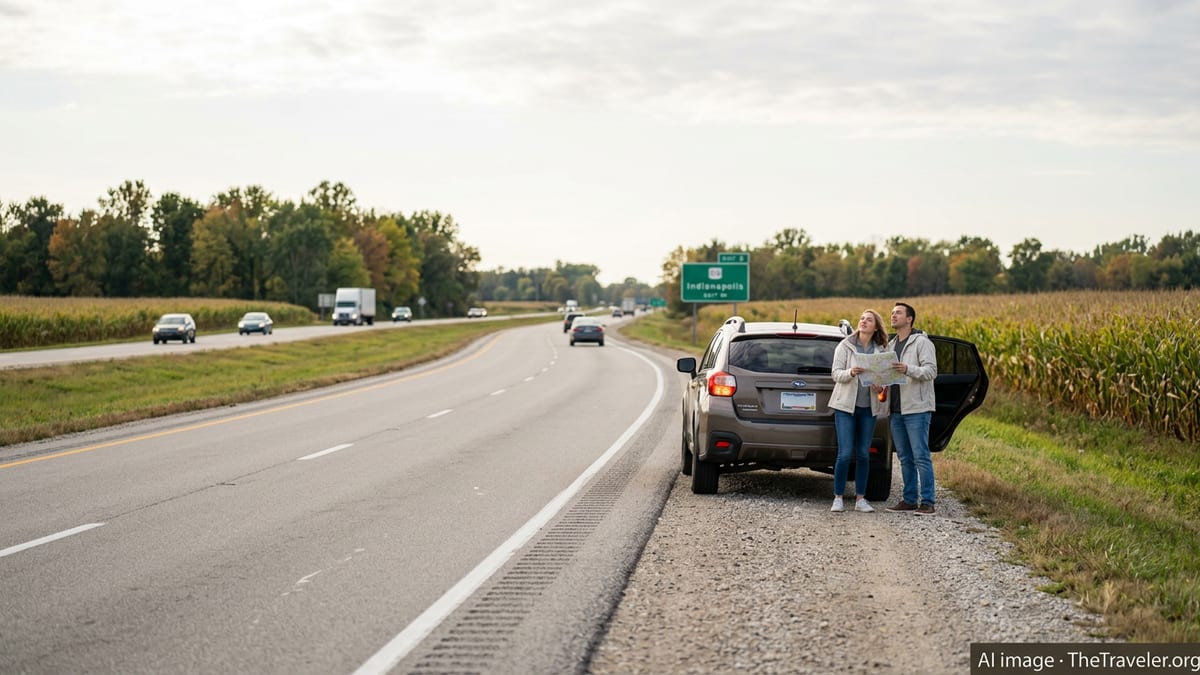
Indiana’s central location makes it a crossroads for interstate travel, and many visitors experience the state primarily by car. The highway network is extensive and generally well maintained, but weather, heavy truck traffic, and rural stretches require attentive driving. Interstates like I 65, I 70, and I 74 see a steady stream of tractor-trailers, so giving large vehicles extra space, avoiding prolonged driving in blind spots, and signaling lane changes early are all key habits. Rest areas and fuel stops are frequent along main corridors, and most travelers use them without incident, though you should still lock your vehicle and keep valuables out of sight.
Winter road safety is a major consideration from roughly November through March, and occasionally earlier or later depending on the year. State and county agencies remind drivers that even a light coating of ice or snow can make roads hazardous. Officials recommend slowing below posted speed limits in bad weather, increasing following distance, and avoiding sudden braking or sharp steering. Travelers are encouraged to carry an emergency kit with blankets, water, snacks, a phone charger, and basic tools in case they are stranded. If conditions deteriorate sharply, the safest decision can be to delay or reroute your trip rather than pushing forward on icy interstates or unplowed county roads.
Indiana uses a tiered county travel advisory system during severe weather or other emergencies, ranging from routine advisories that signal caution to higher levels that restrict travel to essential purposes only. While visitors are not expected to know every detail of state code, it is important to respect local warnings when they are issued. If you are driving during a storm and see digital signs, local news reports, or law enforcement alerts about restricted travel, consider stopping until conditions improve. Violating travel warnings can not only put you at risk but also strain emergency services that may already be stretched thin.
In fair weather, the main road risks are distracted driving, speeding on rural two-lane highways, and encounters with wildlife or farm equipment. Many scenic routes wind through agricultural landscapes where slow-moving tractors or combines may occupy the lane, especially during planting and harvest seasons. Passing only when safe, using headlights at dawn and dusk, and being prepared for sudden slowdowns help prevent collisions. If you plan long stretches of driving, building in rest breaks every couple of hours combats fatigue, which is a significant but underappreciated safety concern on road trips.
Weather, Seasons, and Natural Hazards in Indiana
Indiana’s four-season climate has a direct impact on visitor safety, and planning around weather can make your trip far smoother. Winters can feature snow, ice, and bitter wind chills, even if big storms do not occur every year. For travelers not accustomed to winter driving, this is the season that requires the most caution. Equipping your car with suitable tires, keeping the fuel tank at least half full in cold weather, and giving yourself extra time to reach destinations all improve safety. If you are flying into Indiana and renting a vehicle in winter, consider requesting a car with modern traction control and asking rental staff about road conditions.
Spring and summer bring a different set of considerations. Thunderstorms can develop quickly and may produce heavy rain, high winds, hail, and occasionally tornadoes. Visitors should pay attention to forecasts and be ready to adjust outdoor plans when severe weather is expected. Many Hoosiers rely on local TV meteorologists, weather apps, and radio alerts to stay informed. If you are camping, know where you could take shelter if a storm approaches, and avoid low-lying areas that might flood. When lightning is in the area, the safest places are substantial buildings or fully enclosed vehicles, not tents, picnic shelters, or under trees.
Heat and humidity in mid-summer can surprise travelers from drier climates. Temperatures in the upper 80s and 90s Fahrenheit, combined with high humidity, can make outdoor activities feel strenuous. To stay safe, schedule the most intense activities like long hikes or bike rides for morning or evening, drink water regularly, and take breaks in the shade or air conditioning. Young children, older adults, and people with underlying health conditions are more vulnerable to heat exhaustion, so watch for signs like dizziness, headache, and nausea, and do not hesitate to rest or seek cooler conditions.
Autumn is often considered one of the best times to visit Indiana, with milder temperatures and colorful foliage, especially in places like Brown County. However, hunters are active in forests and wildlife areas during certain fall months. If you are hiking in areas where hunting is permitted, wearing bright colors and staying on marked trails helps keep you visible and safe. Regardless of the season, basic outdoor etiquette such as packing out trash, staying behind barriers at overlooks, and obeying park-specific rules protects both visitors and the landscapes they come to enjoy.
Practical Safety Tips for Different Types of Travelers
Every traveler experiences safety differently, and Indiana trips range from solo city breaks to family road adventures and backcountry camping weekends. Solo travelers, including women, frequently report feeling comfortable in Indiana’s better-known districts, especially during the day and early evening. The same guidance that applies in other U.S. destinations holds here: share your itinerary with a trusted contact, set check-in times, use hotel safes where available, and avoid oversharing real-time locations on social media. In urban areas, relying on main streets rather than side alleys, especially after dark, is a good habit.
Families with children often focus on preventing minor injuries and getting lost in busy attractions or natural areas. When visiting amusement parks, museums, zoos, or state parks, establishing simple rules like designated meeting points, wearing bright clothing, and teaching children how to identify staff or rangers can reduce stress. Near water, close supervision is more important than any posted warning alone. Life jackets for young children around open water, even if they are not swimming, are a wise precaution at lakes, rivers, and marinas.
Outdoor enthusiasts heading to Indiana for hiking, cycling, paddling, or camping should plan with their experience level in mind. While Indiana’s terrain is less extreme than mountainous states, trails can still be steep, muddy, or rocky, and river conditions can change quickly after rain. Checking recent park alerts before you go can reveal temporary trail closures, high water, or other hazards. Carrying a basic first-aid kit, extra layers, and a flashlight even on shorter hikes prepares you for a misstep, a twisted ankle, or an outing that takes longer than expected.
International visitors may also need to adapt to U.S. norms around tipping, emergency services, and firearms. While most travelers will not encounter firearms directly, gun ownership is relatively common in Indiana, especially in rural areas. It is illegal to bring weapons into many public buildings, and they are restricted in certain parks and venues. If you feel unsure about any situation, removing yourself calmly, seeking out staff or law enforcement, and focusing on well-populated spaces is a reasonable approach. Emergency services can be reached statewide by dialing 911, and operators are accustomed to helping visitors as well as residents.
The Takeaway
Indiana is a realistic, rewarding destination for travelers who appreciate cities with manageable scale, accessible nature, and a slower pace than coastal hubs. From Indianapolis sports weekends and college-town festivals to peaceful state-park cabins and summer days at the dunes, most visits unfold without serious safety concerns. The key for visitors is to treat Indiana as a place where ordinary urban and outdoor precautions apply, rather than as a destination with extreme or unusual risks.
Travelers who do the basics well are likely to feel comfortable throughout their stay. That means choosing accommodations in established districts, paying attention to weather and road advisories, respecting park rules, and staying aware of surroundings in unfamiliar neighborhoods. A bit of planning and flexibility, particularly around winter storms or severe summer weather, can prevent the frustrations and dangers that sometimes catch visitors off guard.
In the end, asking whether Indiana is safe to visit is really asking how to travel here wisely. With balanced expectations and a few tailored safety habits, you can enjoy the state’s cultural attractions, small towns, and natural landscapes with confidence, focusing on the experiences that brought you to the Hoosier State in the first place.
FAQ
Q1. Is Indiana generally safe for tourists?
Indiana is generally safe for tourists, especially in popular city districts, college towns, and state parks, as long as you follow routine urban and outdoor precautions.
Q2. Which areas of Indianapolis should visitors be most cautious about?
Most visitors stick to downtown, major attractions, and well-known neighborhoods; caution is advised in some outlying residential areas, particularly at night or if you are unfamiliar with the neighborhood.
Q3. Are Indiana’s state parks safe for solo hikers?
Indiana’s state parks are usually safe for solo hikers who stay on marked trails, tell someone their plans, carry basic supplies, and pay attention to weather and daylight.
Q4. How dangerous are Indiana roads in winter?
Indiana roads can become icy and hazardous during winter storms, so slowing down, increasing following distance, and avoiding unnecessary travel during advisories is important.
Q5. Is it safe to swim in Lake Michigan at Indiana Dunes?
Swimming is popular at Indiana Dunes, but visitors should respect posted flags and warnings, be alert to waves and currents, and stay close to shore, especially with children.
Q6. What should I know about crime in Indiana’s smaller cities?
Smaller cities like Fort Wayne, Evansville, and South Bend have some higher-crime areas, but main commercial, university, and downtown districts are typically safe with standard awareness.
Q7. Are there wildlife dangers I should worry about in Indiana?
Indiana’s main wildlife concerns are ticks and occasional encounters with animals on roads; using repellent, checking for ticks, and watching for deer while driving help reduce risk.
Q8. Is public transportation safe in Indiana?
Public transportation options are limited outside Indianapolis, but city buses and downtown circulators are generally safe when you keep an eye on belongings and travel during normal hours.
Q9. How can international visitors prepare for safety in Indiana?
International visitors should learn basic U.S. emergency numbers, choose centrally located lodging, use trusted transport, and carry health and travel insurance for peace of mind.
Q10. What should I do in an emergency while visiting Indiana?
In any emergency, dial 911 for police, fire, or medical help, provide your location as clearly as possible, and follow the instructions of dispatchers and local authorities.