

Iowa rarely tops bucket lists, yet it quietly attracts curious travelers with small town hospitality, unexpectedly vibrant cities and a landscape that feels like the cinematic version of the Midwest. The question many people ask, often with a skeptical smile, is simple: is Iowa actually worth visiting? The answer depends on what you are looking for. If your ideal trip is skyscrapers, ocean beaches and nightlife until sunrise, Iowa will likely feel subdued. But if you enjoy food that comes straight from the farm, quirky Americana, road trips without traffic and moments that feel genuinely local, the state can be far more rewarding than its flat flyover stereotype suggests.
Setting Expectations: Who Will Enjoy Iowa (And Who Might Not)
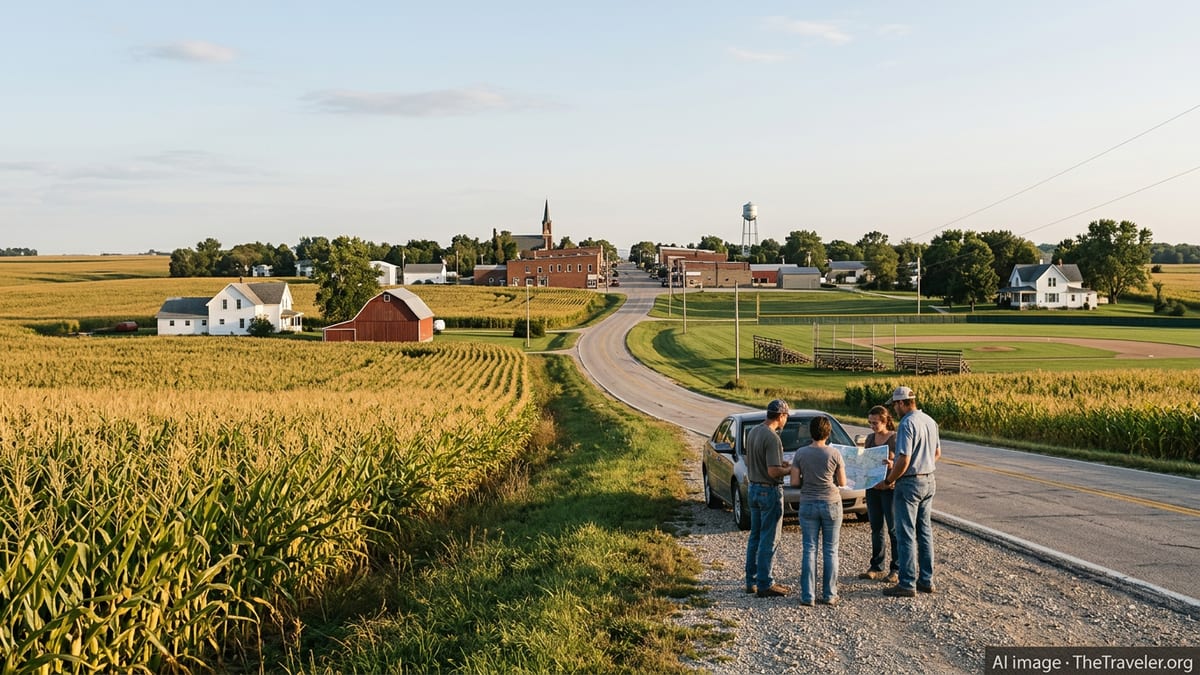
The travelers who tend to love Iowa are those who enjoy slowing down. Think people who happily spend a Saturday at a farmers market, who plan trips around state fairs and minor league ballgames, or who take detours for old brick main streets and small museums. They are often road trippers driving across the United States, Midwestern explorers adding another state to their list, or families looking for affordable, low stress vacations where parking is easy and crowds are manageable.
On the other hand, if you are seeking dramatic mountain landscapes or nonstop entertainment, Iowa will not naturally check those boxes. The tallest points in the state are rolling hills, not peaks, and nightlife tends to revolve around college towns like Iowa City and Ames rather than high energy big city districts. Even in Des Moines, the largest city, you will find busy Friday nights but not the sheer density of bars, clubs and late night dining you might expect in Chicago or New York.
Budget also shapes expectations. Many visitors are surprised by how far their money goes here. A solid downtown Des Moines hotel often runs less than what you would pay for a modest room in coastal cities, and a sit down meal built around local pork or sweet corn can still feel reasonably priced. Yet flights into Des Moines or Cedar Rapids can sometimes be more expensive than to larger hubs, so it is worth pricing airfare early and weighing whether a road trip from a major airport like Chicago, Minneapolis or Kansas City makes more sense.
Ultimately, Iowa is best for travelers who like authenticity more than spectacle. If your favorite travel memories are the unexpected conversations with locals, the roadside pies you still think about years later, and standing in places you once saw in films or books, the state has a way of quietly getting under your skin.
Urban Surprises: Des Moines, Cedar Rapids and Iowa City
Des Moines is where Iowa most clearly defies outsider expectations. In the walkable East Village near the gold domes of the State Capitol, you can spend an afternoon browsing boutiques, local design shops and coffee bars, then walk over to the Pappajohn Sculpture Park to see large scale works by artists like Jaume Plensa and Richard Serra scattered across a downtown green space. On a summer Saturday, the Downtown Farmers’ Market regularly draws thousands for pastries, breakfast burritos and produce from across the state, turning several blocks into a lively street scene that feels much more metropolitan than many visitors anticipate.
Food and drink culture is another surprise. In and around downtown Des Moines you will find breweries pouring hazy IPAs and lagers made with Iowa corn, cocktail bars focused on local spirits, and restaurants where menus change with the seasons. In the Western Gateway or Ingersoll Avenue districts, a casual dinner of wood fired pizza, a shared appetizer and local beers for two can often stay under what you would pay for a similar night out in larger coastal cities, especially once parking costs are factored in.
Cedar Rapids and nearby Iowa City offer a different kind of urban experience. Cedar Rapids has deep Czech and Slovak roots reflected in its restaurants and cultural institutions, while Iowa City’s identity revolves around the University of Iowa and its UNESCO City of Literature designation. Visitors often spend an afternoon wandering the pedestrian friendly downtown, stepping into independent bookstores, then catching a reading or performance at one of the university venues. These cities are compact enough that you can park once and explore on foot, a major advantage for travelers who dislike navigating complicated urban traffic.
The trade off is that these cities feel smaller in scale. Museum collections are focused rather than vast, restaurant lists are curated rather than endless and public transit, while present, is not as extensive as in many larger metros. For some visitors that intimacy is a positive, but those expecting a towering skyline or multiple full days of urban sightseeing in a single city may find themselves ready to drive onward sooner than expected.
The Iowa State Fair: A Once in a Lifetime Americana Experience
For many travelers, the most compelling reason to plan a trip to Iowa is the Iowa State Fair in Des Moines, typically held for 11 days each August. Recent years have drawn more than 1.1 million visitors, with the 2024 fair setting a new attendance record and individual days topping well over 120,000 people. The fairgrounds buzz from morning until close with everything from livestock shows to big name concerts and politics on the storied “soapbox” stage.
What surprises first timers is the sheer variety. You can walk from a barn where 4-H kids carefully groom cattle for judging to the famous Butter Cow sculpture in the Agricultural Building, then across the midway to sample foods on a stick that range from classic corn dogs to more experimental creations. Grandstand shows routinely feature touring country, rock and pop artists, and serious fairgoers plan their trips months ahead to align with favorite performers or specific competitions.
Logistically, the fair is not a small undertaking. Parking around the grounds can feel like a sport of its own, and the most popular evenings are genuinely crowded, with lines for signature foods and packed main walkways. Clean up crews work overnight to collect hundreds of tons of garbage over the course of the event, a reminder of how large the operation has become. Visitors who prefer quieter experiences might want to target weekday mornings, arrive early, and build in time to rest in shaded plazas and revamped play areas that have seen multi million dollar upgrades in recent years.
Cost wise, the fair can be as affordable or as indulgent as you choose. Gate admission is typically moderate, with discounts for certain days and advance purchase, while headline concerts, ride wristbands and repeated food stops are what really add up. Many travelers find that setting a rough budget for rides and snacks ahead of time, especially with children in tow, keeps the day fun without sticker shock.
Iconic Stops: Field of Dreams, Small Towns and Americana
One of Iowa’s most famous attractions sits in the rolling farmland outside Dyersville: the Field of Dreams movie site. The white farmhouse and baseball diamond carved out of cornfields look much as they did in the 1989 film. Visitors can walk onto the field, play catch, sit in the small bleachers and, on busy weekends, watch informal pickup games unfold as families recreate scenes they know by heart. It is a pilgrimage site for baseball fans and movie buffs alike, and many travelers describe the moment the corn tassels rustle in the breeze behind the outfield as quietly emotional.
In the last few years, the site has been evolving into a larger complex. Youth baseball tournaments now bring in hundreds of teams each season, additional fields have been built and the property has hosted major events, including a concert by a top country artist and nationally televised professional games. That growth has brought better visitor facilities but also more traffic on small roads and a busier atmosphere on tournament weekends. Travelers seeking the quiet, nostalgic version from the film might prefer shoulder seasons or weekdays, when you can still find stretches of relative calm.
Beyond Dyersville, some of Iowa’s charm lies in its network of small towns. Amana, a cluster of seven historic villages near Cedar Rapids, offers German inspired communal heritage, traditional meat markets and family style restaurants serving hearty plates of sausages, potatoes and seasonal vegetables. Decorah, in the state’s northeast corner, blends Norwegian immigrant history with modern craft beer and outdoor access along the Upper Iowa River. In western Iowa, towns along the Loess Hills Scenic Byway surprise visitors with sweeping views from roadside pullouts that feel much more dramatic than the word “Iowa” suggests.
These communities thrive on visitors who linger. Booking a night at a locally run inn and spending on bakeries, diners and antique shops spreads your travel dollars where they are felt most. It also gives you more time for the unscripted conversations that often become the most memorable parts of an Iowa trip, whether it is a bartender in a small town explaining high school football rivalries or a retiree at a café recommending a nearby gravel road overlook for sunset.
Outdoors in an “Indoor” State: Parks, Caves and Trails
Iowa is not usually mentioned in the same breath as the Rockies or the national parks of the West, yet the state offers more outdoor variety than its flat reputation implies. The northeast corner, nicknamed the Driftless Area, escaped the glaciers that smoothed much of the Midwest, leaving behind limestone bluffs, wooded valleys and trout streams. Here, anglers wade clear creeks stocked by local hatcheries while hikers climb ridge trails with views over farm fields and rivers that feel almost Appalachian in character.
Maquoketa Caves State Park, roughly an hour from both Dubuque and the Quad Cities, is one of Iowa’s standout natural attractions. A trail network of around six miles links a surprising concentration of caves with names like Dancehall, Wide Mouth and Wye. Visitors walk on stone stairways built into a steep, forested valley, duck into cool, dripping caverns and emerge onto overlooks that highlight how rugged this pocket of the state really is. The park’s most popular loop is short enough for families but still requires sturdy shoes, a flashlight and a tolerance for getting a little muddy in damp weather.
Cyclists will find Iowa notable not just for everyday bike friendliness but for events and long distance routes. Paved trails like the High Trestle Trail, with its illuminated art bridge over the Des Moines River, draw riders from across the region for evening rides and weekend outings. Each summer, the RAGBRAI cross state ride brings thousands of cyclists and support vehicles rolling from the Missouri River to the Mississippi, transforming a line of small towns into overnight festival sites with pop up food stands, live music and residents cheering from front lawns.
Camping and state park lodging remain relatively affordable compared with more famous outdoor destinations, but reservations for the most popular weekends can be competitive. Many parks offer electric hookups for RVs, basic cabins and shaded tent sites near lakes or trailheads. Travelers accustomed to reserving national park campsites months in advance will appreciate that Iowa’s systems are usually less cutthroat, while still benefiting from well maintained facilities funded in part by local users who return year after year.
Costs, Logistics and Seasonal Trade Offs
One of Iowa’s biggest advantages for travelers is overall affordability. Hotel rates in Des Moines, Cedar Rapids or Dubuque are often lower than in similarly sized cities on the coasts, especially outside the peak of major events. A comfortable midrange chain hotel in a smaller town can sometimes cost what a budget property would in a high demand tourism market. Dining, particularly in locally owned restaurants outside the trendiest districts, also tends to be gentle on the wallet. A plate of pork tenderloin sandwich with fries or a slice of homemade pie at a diner rarely feels extravagant.
That said, some line items can catch visitors off guard. Airfare into Iowa’s airports is occasionally higher than to larger hubs because of fewer direct flights and less competition among airlines, especially on short notice. Renting a car at the airport is common, since public transport options are limited outside the bigger cities. Fuel and parking costs, however, are typically mild in comparison to major metropolitan areas, and driving is straightforward, with light traffic once you leave urban cores.
Seasonality is another critical factor in deciding whether an Iowa trip is worth it for you. Summer brings festivals, farmers markets, green landscapes and long evenings, but also humidity, thunderstorms and, during the State Fair, large crowds and higher demand for lodging in and around Des Moines. Autumn is arguably the sweet spot for many travelers: cornfields turn gold, apple orchards and pumpkin patches open up and state parks show off fall color along bluffs and valleys without the searing heat of July. Winter is the most challenging season for casual visitors, with icy roads, snow and short daylight hours, though fans of cross country skiing or quiet small town retreats may appreciate the hush. Spring can be beautiful but variable, with muddy trails and fluctuating temperatures.
Planning ahead is wise for marquee experiences. If you intend to combine the Iowa State Fair with visits to Field of Dreams and Maquoketa Caves, for example, booking Des Moines and Dubuque area hotels months in advance will give you better prices and choices. Many events release dates nearly a year ahead, allowing travelers to triangulate their itineraries with other Midwest destinations in neighboring states.
Downsides and Common Frustrations to Consider
For all its charms, Iowa is not an ideal fit for every traveler, and being aware of potential drawbacks can help you decide if a visit belongs on your list. The most obvious limitation is the relative lack of headline grabbing attractions. There is no world famous theme park, skyscraper observation deck or oceanfront boardwalk. Instead, much of what you are coming for is subtle: the feel of a county fair, the taste of sweet corn in season, the relaxed pace of a riverfront walk in a town you had never heard of before.
Weather is another genuine downside, particularly in winter and peak summer. January and February can bring subfreezing temperatures, strong winds across open fields and snowstorms that snarl highway travel. In July and August, temperatures combined with humidity can make outdoor sightseeing sticky and uncomfortable in the middle of the day, and severe thunderstorms occasionally disrupt plans. Travelers who are highly sensitive to weather extremes might prefer anchoring their Iowa plans in late September or early October, when the climate is generally more forgiving.
Public transportation gaps can frustrate visitors used to getting around without a car. While Des Moines and a few other cities have bus systems and the occasional ride hail availability, most of the state remains best explored by personal vehicle. That reality can increase costs for solo travelers and limit spontaneity for those who prefer train and bus based itineraries. Likewise, dining and entertainment options thin out substantially in rural areas after dark. Many small town restaurants close early, especially on Sundays, and nightlife may consist of a single bar with a jukebox and pool table rather than a strip of late night venues.
Finally, cultural fit matters. Iowa is friendly but reserved, and social life often revolves around family, churches, schools and local sports. Visitors expecting highly cosmopolitan or avant garde scenes may find the atmosphere quieter and more traditional than they prefer, outside of university pockets and particular neighborhoods. Understanding this helps you frame interactions: you are stepping into everyday life in a working state, not a destination that has been sculpted entirely around tourism.
The Takeaway
So, is Iowa worth visiting? For many travelers, the answer is yes, provided you match your expectations to what the state actually offers. If you are drawn to Americana experiences like a record setting state fair, a baseball diamond carved out of cornfields or a legendary cross state bike ride, Iowa becomes not just worthwhile but uniquely compelling. If your ideal vacation is defined by quiet mornings, scenic drives through rolling farmland and conversations with locals at diners rather than rollicking nightlife, you may find yourself unexpectedly attached to the place.
The trade offs are real. There are fewer marquee attractions than in more famous states, winter can be harsh, and a rental car is almost a necessity. Yet the rewards often show up in smaller, more personal moments: the first time you walk into the cool dimness of a cave at Maquoketa, the way the grandstand at the Iowa State Fair roars for a band you last saw in a big city arena, or the evening you spend on a small town patio watching the sun dip behind a line of cornfields.
In that sense, Iowa is less a destination that demands to be visited and more one that invites you in quietly. If you accept that invitation with the right mindset, the state can add a surprisingly rich chapter to your travel story, whether you are crossing it on a coast to coast road trip or making it the centerpiece of a Midwestern adventure.
FAQ
Q1. Is Iowa worth visiting for a first time trip to the Midwest?
Iowa is worth visiting if you value small city culture, farm country scenery and Americana experiences like the Iowa State Fair or Field of Dreams more than big city spectacle.
Q2. What is the best time of year to visit Iowa?
Late spring and especially early to mid autumn are often ideal, with milder temperatures, fall color in parks and plenty of festivals without peak summer humidity.
Q3. Is Des Moines interesting enough for a weekend getaway?
Yes, Des Moines can comfortably fill a weekend with its farmers market, sculpture park, East Village shops, local breweries and seasonal events at the fairgrounds and downtown venues.
Q4. Do I need a car to explore Iowa?
In practice, yes. Public transportation is limited outside major cities, and most state parks, small towns and scenic routes are easiest to reach and enjoy with a car.
Q5. Is the Field of Dreams movie site worth the detour?
For baseball fans, movie lovers and families on a road trip, the Field of Dreams site near Dyersville is often a memorable detour, especially combined with nearby Dubuque or Maquoketa Caves.
Q6. Are there good outdoor activities in Iowa?
Yes, including cave hiking at Maquoketa Caves State Park, biking routes like the High Trestle Trail, trout fishing in the northeast and camping around lakes and rivers across the state.
Q7. How expensive is it to travel in Iowa?
Day to day costs like hotels, meals and parking are generally moderate or low compared with many coastal destinations, though flights and car rentals can narrow the savings.
Q8. Is Iowa safe for travelers?
Most visitors find Iowa safe, especially in small towns and rural areas, though normal precautions in city centers and at busy events like the State Fair still apply.
Q9. Can I visit Iowa without attending the State Fair?
Absolutely. While the fair is a highlight for many, you can build a rewarding itinerary around cities like Des Moines and Iowa City, small towns such as Amana or Decorah and state parks.
Q10. How many days do I need to see the main highlights of Iowa?
With four to seven days you can combine Des Moines, a visit to the Field of Dreams area, at least one state park like Maquoketa Caves and a couple of small town stops without rushing.