

More news on this day
As the US–Iran war ripples across the Middle East with airstrikes, missile launches and disrupted flight routes, many prospective visitors are asking whether Turkey remains a safe destination for spring and summer holidays.
Get the latest news straight to your inbox!
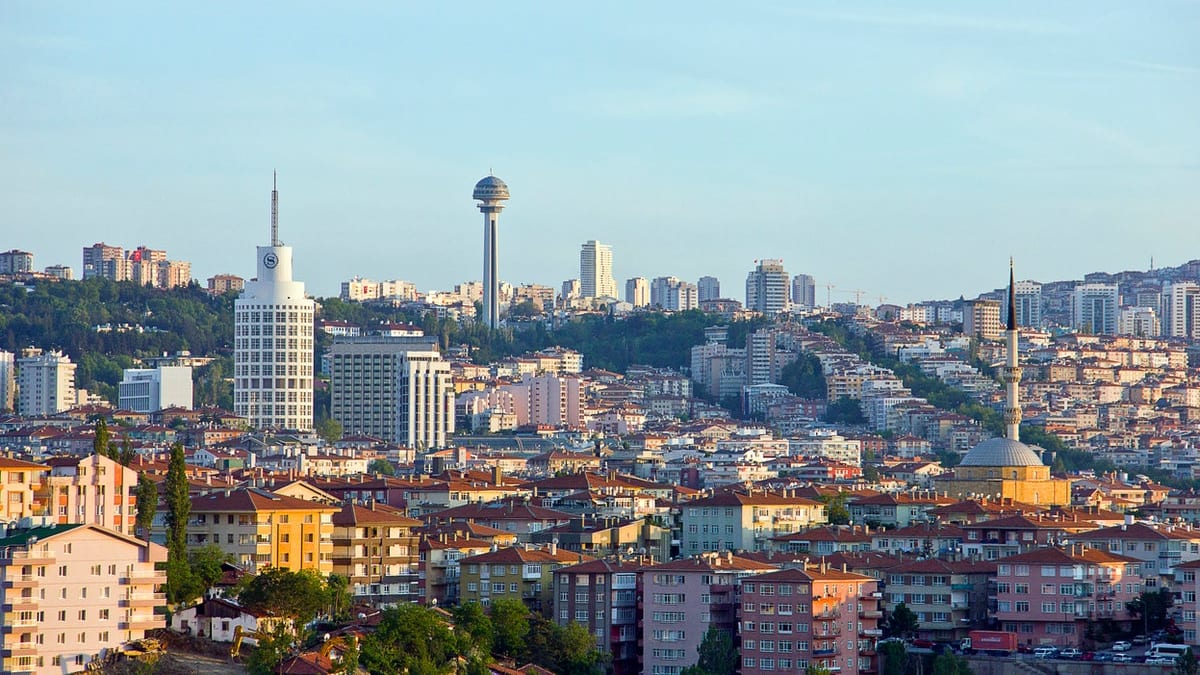
Image by The Independent
Turkey’s Position in a Shifting Regional Security Landscape
The latest escalation between the United States and Iran, which began with joint US–Israeli strikes on Iranian military targets on 28 February 2026, has reshaped security calculations across the wider Middle East. Retaliatory attacks, airspace restrictions and concerns over energy infrastructure have focused attention on Gulf states and key transit corridors such as the Strait of Hormuz, but the impact is also being felt across the Eastern Mediterranean.
Turkey shares a land border with Iran as well as with Iraq and Syria, placing it geographically close to several flashpoints of the conflict. However, current reporting indicates that the fighting and cross-border strikes have so far concentrated on Iranian territory, Gulf oil and gas facilities and selected US or allied assets in the region, rather than on Turkish soil.
Ankara has maintained a public stance opposing wider military intervention in Iran and has positioned itself among regional states engaging in diplomacy around the conflict. While this does not eliminate risk, it helps explain why Turkey has not become a direct battleground despite its proximity to the crisis.
Against this backdrop, foreign travel advisories are drawing a clear distinction between Turkey’s border zones and its core tourism regions along the Aegean and Mediterranean coasts and in cities such as Istanbul and Ankara.
Foreign Office and State Department Guidance on Turkey
According to publicly available information from the US State Department, Turkey remains rated at Level 2, meaning visitors are advised to exercise increased caution, with terrorism and other security concerns highlighted. The advisory, updated in early March 2026, specifically singles out areas near the borders with Syria and Iraq, and the region close to Iran, as higher risk compared with the rest of the country.
Additional US government updates in March ordered the departure of non-emergency staff and family members from the consulate in Adana, the main diplomatic presence in southern Turkey, citing safety concerns linked to regional tensions. At the same time, the advisory underscores that many parts of Turkey, particularly in the west, remain open to tourism with standard precautions.
For UK travellers, recent coverage summarising the Foreign, Commonwealth and Development Office stance indicates that the FCDO has not issued a blanket warning against travel to Turkey as a whole. Instead, it advises against travel within a defined distance of the Syrian border and urges heightened vigilance in southeastern provinces, while allowing travel to established resort areas and major cities.
Other European governments broadly mirror this approach: they acknowledge an elevated regional risk environment tied to the US–Iran war, but they have largely stopped short of advising citizens to cancel trips to western Turkey outright. Travellers are consistently urged to monitor their own government’s latest guidance before departure, as advisories may change at short notice.
Western Resorts and Istanbul: Open but Expect Disruption
Tourism operators report that demand for Turkey’s Mediterranean and Aegean resorts has remained resilient despite the wider conflict. Industry coverage from early April points to a rise in bookings from British travellers for coastal destinations such as Antalya, Bodrum and Marmaris, with trade bodies stressing that these areas lie hundreds of miles from the main theatres of the US–Iran confrontation.
Istanbul, one of Europe’s busiest air hubs, continues to handle large volumes of international traffic. However, recent days have seen flight cancellations and delays as airlines reroute around Iranian and adjoining airspace or adjust schedules in response to changing risk assessments. Travel industry briefings describe dozens of affected flights at Istanbul airports as carriers including Turkish and major Gulf airlines recalibrate routings to South and East Asia.
Passengers connecting through Turkey to destinations further east are being advised by airlines and travel insurers to anticipate longer journey times, potential last-minute schedule changes and periods of congestion at transfer hubs. Travellers heading solely to Turkish destinations may experience fewer disruptions, but they are still encouraged to allow extra time and stay alert to operational updates.
On the ground in western cities and resorts, recent destination reports and first-hand accounts continue to portray a picture of largely normal daily life for residents and visitors, with typical urban security measures such as bag checks at transport hubs and major attractions. The overall message from mainstream tourism players is that popular holiday regions remain accessible while requiring sensible caution.
High-Risk Areas Near Conflict Borders
The main exception to the relatively stable outlook is southeastern Turkey. Official advisories and security briefings consistently warn against travel to provinces adjacent to Syria and Iraq, as well as to certain districts close to the Iranian border. These areas have long been more sensitive due to a mix of historic conflict dynamics, terrorism risk and smuggling routes, and the current US–Iran war has heightened concerns about possible spillover.
Reports indicate that US guidance now describes parts of southeastern Turkey as effectively off-limits, aligning them with “do not travel” zones because of the potential for cross-border attacks, rocket fire or other unpredictable security incidents. Travellers are urged to avoid non-essential journeys to these regions and to pay close attention to local restrictions should they have family or business ties there.
Security analysts also highlight that major road corridors linking Turkey with Iraq and Iran may be subject to increased military presence, checkpoints or temporary closures. Even if foreign visitors are not directly targeted, there is a higher risk of being caught up in local unrest or security operations in these frontier zones.
Given this patchwork of risk, route planning has become crucial. Prospective visitors are advised to confirm that any internal flights, tours or overland transfers steer clear of restricted areas and to reconsider itineraries that rely on long-distance bus or car travel in border provinces.
What Travellers Should Consider Before Booking
For those asking whether it is “safe” to travel to Turkey after the latest US–Iran strikes, the emerging consensus from official advisories and industry reporting is nuanced. The majority of Turkey’s key tourism destinations, particularly along the western seaboard and in central regions such as Cappadocia, are still considered viable for travel, provided visitors accept a backdrop of elevated regional tension and follow security guidance.
Travellers are being urged to check the latest updates from their own foreign ministries shortly before departure, with particular attention to any changes affecting airspace, transit hubs or specific provinces. Comprehensive travel insurance that covers geopolitical disruption, missed connections and emergency medical care is widely recommended, as standard policies may not automatically cover war-related incidents.
On a practical level, visitors are encouraged to build extra flexibility into their plans: choosing refundable or changeable tickets where possible, allowing longer connection times, and registering for airline or tour operator alerts. In cities, staying informed through reputable local and international news outlets, avoiding large demonstrations and following instructions from security staff at transport hubs can further reduce exposure to risk.
In short, while Turkey now sits closer to an active conflict zone than many travellers might prefer, current foreign office guidance stops short of treating the country as a whole as a no-go destination. Instead, it points to a two-track reality in which busy resort towns and cultural hotspots continue to welcome visitors, even as the country’s southeastern extremities remain firmly on the high-risk map.