

Japan has rarely been more popular. Visitor numbers are hitting all-time highs, the yen remains relatively weak against major currencies, and social media is saturated with images of neon cityscapes, peaceful temples, and steaming bowls of ramen. For many travelers, a trip to Japan has shifted from distant dream to urgent priority. Yet surging demand has brought crowding, rising taxes in some hotspots, and more complex trip planning. Is Japan still worth it, and what can travelers genuinely expect on the ground right now?
Japan’s Tourism Boom: Why Everyone Is Going Now
Japan is in the midst of a historic tourism surge. Official data from the Japan National Tourism Organization indicates that 2024 set a new record with around 37 million international visitors, finally surpassing pre-pandemic highs. Early figures for 2025 and into 2026 suggest that growth has not only continued but accelerated, with more than 40 million visitors in 2025 alone and several individual months breaking all-time records for arrivals. For travelers, this means that the images of packed streets and busy trains in Tokyo and Kyoto are not an exaggeration but a reflection of current reality.
Multiple factors explain why so many people are choosing Japan now. The yen has remained comparatively weak against major currencies, making on-the-ground expenses feel more affordable for visitors arriving with dollars or euros. At the same time, international air capacity has largely recovered, new long-haul routes have opened, and the country has heavily promoted itself abroad. The result is that Japan, once perceived as a “once in a lifetime” expensive destination, is now widely seen as attainable, especially for travelers willing to plan ahead and travel outside absolute peak weeks.
At a macro level, record visitor numbers are reshaping the country’s tourism landscape. Major gateways such as Tokyo’s Haneda and Narita airports, as well as Osaka’s Kansai International Airport, have seen flight volumes rebound to or exceed 2019 levels. Regions beyond the classic Tokyo–Kyoto–Osaka corridor are aggressively courting visitors, hoping to spread the benefits of tourism and reduce crowding in a few overburdened hotspots. For travelers, this presents both challenges and opportunities: headline sights may feel busier and more managed, while lesser-known areas are easier than ever to reach.
Understanding this boom is essential in evaluating whether Japan is “worth it” now. The country still offers extraordinary cultural depth, safety, and culinary variety, but the experience is no longer defined by quiet temples and uncrowded trains. Travelers who arrive with realistic expectations about crowds, costs, and logistics are more likely to come away satisfied.
Costs, the Weak Yen, and What You Actually Pay
The question of whether Japan is expensive has become more nuanced. On one hand, the weak yen has made many day-to-day costs look surprisingly moderate for international visitors. Hotel prices outside marquee neighborhoods, casual meals, local transportation, and even convenience-store food can feel like good value when converted back into dollars or euros. Many travelers report that their spending on food and intra-city transportation is lower than in Western Europe or major North American cities.
On the other hand, headline costs in heavily touristed areas are creeping up. Popular districts in Tokyo, Kyoto, and Osaka now command premium hotel rates in peak seasons, particularly during cherry blossom and autumn foliage periods. Dynamic pricing by hotels means that even mid-range properties can cost significantly more on busy weekends or holidays. In cities such as Kyoto, accommodation taxes have been raised, especially for higher-end stays, reflecting a deliberate policy move to capture more revenue from inbound travelers and manage overtourism.
Long-distance transport requires special attention. Japan’s rail network remains fast and efficient, anchored by the Shinkansen bullet trains, but the famous nationwide rail pass is no longer the universally obvious bargain it once was, after substantial price increases in 2023. For many itineraries, point-to-point tickets or regional rail passes now offer better value than the traditional unlimited-ride option. This means travelers benefit from doing basic fare comparisons rather than assuming the old advice still applies.
Overall, Japan is rarely “cheap” in absolute terms, especially in major cities and during peak seasons. However, the combination of a favorable exchange rate, low petty crime, reliable public transit, and the wide range of price points for food and lodging can make it feel like strong value compared with similarly developed destinations. Travelers who research transport options, avoid peak travel weeks, and consider business hotels or ryokan outside the most famous neighborhoods generally find that Japan is financially “worth it,” especially when weighed against the depth and quality of experiences available.
Crowds, Overtourism, and the New Reality on the Ground
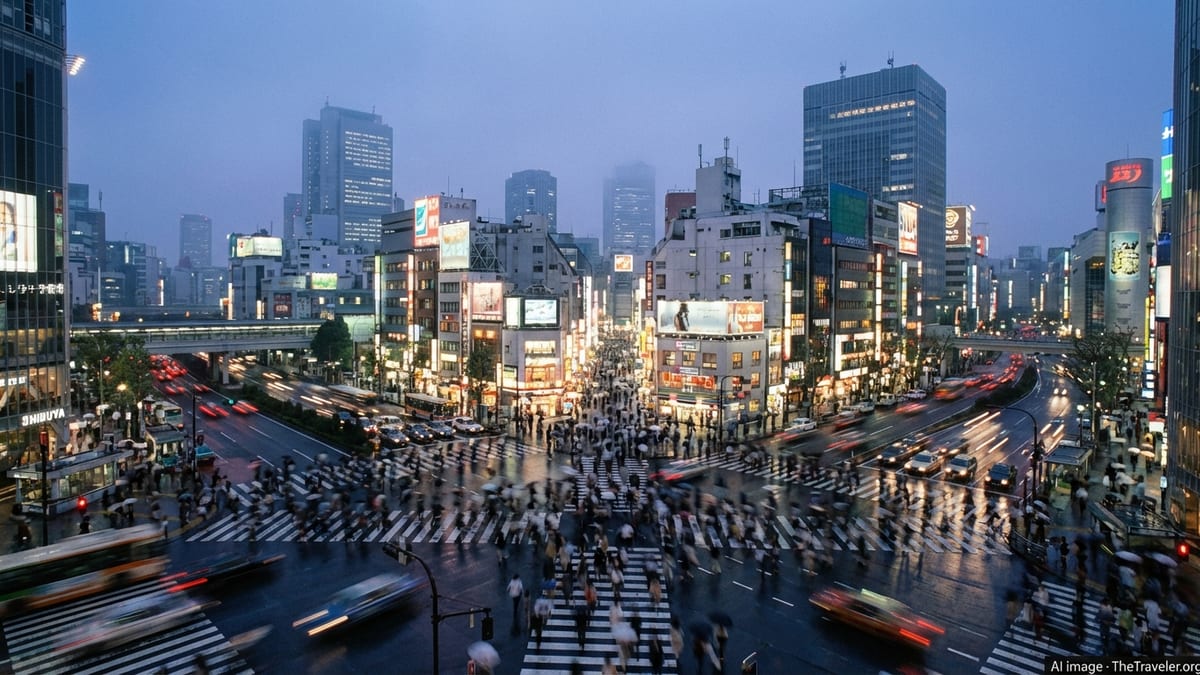
Any honest assessment of Japan today must address crowds and overtourism. Record visitor numbers have concentrated intensely in a few iconic locations: Kyoto’s historic districts, central Tokyo, the Fuji Five Lakes region, and select coastal and alpine hotspots. Reports from local authorities and residents describe streets jammed with tour groups, long lines at photogenic spots, and instances of disruptive visitor behavior that have strained community goodwill.
Recent policy reactions underline how serious the issue has become. In Kyoto, the city has sharply increased its accommodation tax on higher-end stays to fund tourism management and encourage more responsible visitation. Around Mount Fuji, some local festivals and vantage points have imposed restrictions or even cancellations after repeated problems with crowd control, litter, and disrespect toward residents’ property. These steps signal that authorities are willing to intervene more assertively where tourism is judged to be undermining local life.
For travelers, the practical impacts are mixed. On the negative side, you may find famous streets too crowded to enjoy at midday, need timed-entry reservations for certain attractions, or encounter physical barriers at over-photographed viewpoints. The sense of serene discovery that older visitors recall from pre-boom years can be harder to find in the most heavily Instagrammed locations. On the positive side, improved signage, more multilingual staff, and clearer visitor information services are byproducts of the same boom, making navigation and access easier.
Whether Japan remains “worth it” in this context depends on flexibility and mindset. Travelers who insist on seeing only the top ten sights at the most popular times may come away frustrated by congestion. Those willing to adjust expectations, explore early or late in the day, or swap one overcrowded temple for a quieter alternative often discover that Japan still offers abundant tranquility and authenticity just a short walk or train ride from the main flow.
Culture Shock, Etiquette, and Everyday Friction
Part of Japan’s appeal is precisely how different it can feel from many travelers’ home environments. That difference, however, brings culture shock and small frictions that are essential to understand in deciding whether a trip is emotionally “worth it.” Visitors routinely comment on the country’s orderliness, punctuality, and social expectations around quietness and cleanliness. Trains largely run on time, public spaces are tidy, and people tend to follow unspoken rules with care.
At the same time, these norms can create stress for travelers who arrive unprepared. Speaking loudly on trains, eating while walking in certain neighborhoods, or mishandling trash can draw disapproving looks. Certain cultural zones, such as Kyoto’s geisha districts, have responded to problem behavior by installing warning signs and, in some streets, restricting photography to protect residents from harassment. While most interactions between locals and visitors remain polite, travelers who ignore or are unaware of expectations may feel out of place or unwelcome.
Language can also be a point of friction. English signage and announcements have improved significantly in major cities, transport hubs, and tourist sites. Nonetheless, outside the core tourist zones and in small restaurants or traditional inns, English proficiency varies greatly. Ordering food, arranging special requests, or navigating health or banking issues may require patience, translation apps, and a willingness to communicate with gestures and simple phrases. Travelers who embrace this as part of the experience usually manage fine; those expecting seamless English everywhere may feel frustrated.
On the positive side, many visitors find that Japan’s emphasis on courtesy and service more than compensates for these challenges. Staff in hotels, trains, and shops often go out of their way to assist, even across language barriers. Crime rates remain low by global standards, and personal safety is a major reason families and solo travelers rate Japan highly. In weighing whether the cultural adjustment is “worth it,” it helps to view etiquette not as a rigid set of rules but as a framework that, when respected, unlocks a more rewarding connection with the country.
Experiences Beyond the Tokyo–Kyoto Corridor
If there is a single factor that tips the balance of “Is Japan worth it?” toward yes, it is the breadth of experiences available beyond the classic first-timer circuit. While Tokyo, Kyoto, and Osaka remain major draws for good reason, the most compelling trips now often include time in lesser-known regions that are actively welcoming visitors and still feel relatively unhurried.
To the north, the island of Hokkaido offers wide-open landscapes, cooler summers, and winter sports that contrast sharply with the dense urban environments of Honshu. Tohoku, long overlooked by international travelers, is increasingly promoted for its hot springs, coastal scenery, and traditional festivals that feel more rooted in local communities. These regions benefit from improved transport connections, including expanded domestic flights and Shinkansen links, making them far more accessible than in past decades.
Elsewhere, visitors can find peaceful island life in the Setouchi Inland Sea, distinctive food cultures in regional cities such as Fukuoka or Hiroshima, and subtropical beaches and coral reefs in Okinawa. These destinations typically experience less acute crowding than the Golden Route, especially outside domestic holiday peaks. They also embody the national tourism strategy of dispersing visitors more widely, both to protect overburdened areas and to share economic benefits.
For travelers willing to mix marquee sights with time in quieter regions, Japan becomes a very different proposition. A carefully balanced itinerary can deliver the energy of Tokyo, the history of Kyoto, and the calm of a coastal town or mountain village all in a single trip. This diversification not only reduces exposure to the downsides of overtourism but deepens understanding of Japan as a complex, varied country rather than a handful of famous photo spots.
Planning, Seasonality, and When Japan Feels Most Rewarding
Because of record visitor numbers, the timing and structure of a trip to Japan now matter more than ever. Peak seasons, especially late March to early April for cherry blossoms and late October to mid-November for autumn leaves, have become intensely competitive. Flights, hotels, and even popular restaurants in major cities can book out months in advance. On the ground, these weeks can feel more like major festivals than everyday life, with dense crowds at parks, temples, and well-known viewpoints.
For some travelers, that festive atmosphere is part of the appeal. Experiencing cherry blossoms in full bloom or autumn maples at their peak is undeniably beautiful and emotionally resonant. For others, however, the trade-off in crowding and cost diminishes the joy. Shoulder seasons and less-obvious windows, such as late winter or the early weeks of summer before domestic school holidays, often deliver more balanced experiences. Weather may be cooler or more humid, but the ability to move more freely, secure reservations with less stress, and explore at a calmer pace can make the overall trip feel more relaxed.
Within any chosen season, daily timing also shapes the experience. In popular cities, visiting shrines, temples, markets, and viewpoints early in the morning or later in the evening can dramatically reduce crowding. Many neighborhoods have a different charm after dark, when day-trip tourists have departed and local routines resume. Thoughtful use of regional hubs as bases, rather than changing hotels every night, can further ease logistical stress and save money, given Japan’s efficient train network and frequent local services.
Ultimately, the travelers who find Japan most “worth it” today are those who approach planning with intention rather than simply replicating heavily circulated social media itineraries. Allowing room for spontaneous discovery, accepting that not every famous spot has to be seen, and building in rest days or slower stops between big-city stays can transform what might otherwise feel like a rushed sightseeing marathon into a deeply satisfying journey.
The Takeaway
Japan in 2026 is not the quiet, slightly niche destination it once was for international visitors. It is a global tourism powerhouse, breaking arrival records year after year, and grappling in real time with the consequences. Crowds in flagship destinations, higher local taxes in some cities, and the need for more advance planning are now baked into the experience. Anyone considering a trip should go in with open eyes about these pressures.
Yet much of what first made Japan so compelling remains firmly intact. The country still offers a rare combination of safety, efficiency, culinary excellence, and cultural depth. The weak yen continues to make many aspects of travel relatively good value, especially for those coming from high-cost economies. And beyond the busiest corridors lies a mosaic of regions that provide the quieter, more intimate experiences many travelers crave.
Is Japan worth it for travelers today? For most, the answer is yes, provided expectations are adjusted to the new reality. Those willing to learn basic etiquette, plan thoughtfully, and look beyond the obvious highlights are likely to find that Japan delivers not just beautiful images but lasting impressions of a society that is at once modern and deeply traditional. For others seeking total spontaneity, emptier streets, or purely budget travel without compromises, it may be better to wait or to focus on less in-demand destinations elsewhere in Asia.
In the end, Japan rewards curiosity, respect, and flexibility. Travelers who bring those qualities with them will discover that, even amid record crowds, there is still room for genuine connection and quiet moments of wonder.
FAQ
Q1. Is Japan still worth visiting despite the recent overtourism headlines?
Yes, Japan is still worth visiting for most travelers, but you should expect busier conditions at major sights, especially in Tokyo, Kyoto, and around Mount Fuji, and plan accordingly with early starts, advance bookings, and time in less-crowded regions.
Q2. When is the best time to visit Japan to avoid the worst crowds?
The quietest experiences usually come in late winter, early spring before cherry blossom peak, or early summer before school holidays, with midweek travel and early-morning sightseeing further reducing crowding.
Q3. Has Japan become more expensive for travelers recently?
Headline prices in popular areas have risen and some local taxes have increased, but the relatively weak yen means many visitors still find day-to-day costs, especially food and local transport, to be reasonable value.
Q4. Do I still need the nationwide rail pass, or are there better options now?
Since recent price hikes, the nationwide rail pass is no longer automatically the best deal; many itineraries are cheaper with point-to-point tickets or regional passes tailored to specific routes.
Q5. How big a problem is the language barrier in Japan right now?
English signage and announcements are strong in major transport hubs and tourist spots, but outside them you may rely on translation apps and simple phrases; most travelers manage well with patience.
Q6. Is Japan safe for solo travelers and families?
Japan remains one of the safer destinations globally, with low reported levels of petty crime, reliable public transport, and a strong culture of orderliness, which many solo travelers and families find reassuring.
Q7. Can I still find quiet, traditional experiences in Japan?
Yes, quieter experiences are easier to find in smaller cities, rural regions, and lesser-known temples or hot spring towns, particularly if you travel outside peak seasons or stay overnight rather than visiting on day trips.
Q8. Do I need to worry about strict etiquette rules as a visitor?
Basic awareness of etiquette, such as speaking quietly on trains, disposing of trash properly, and respecting photography rules, goes a long way; locals are generally forgiving when they see genuine effort and respect.
Q9. How far in advance should I plan and book a trip to Japan now?
For cherry blossom or autumn foliage seasons, flights and central hotels often need booking several months ahead, while off-peak trips can usually be planned with more flexibility, though popular restaurants and special activities still benefit from reservations.
Q10. Is it better for a first-time visitor to focus on Tokyo and Kyoto or to include other regions?
First-time visitors often start with Tokyo and Kyoto, but including at least one additional region, such as Hokkaido, Tohoku, or a coastal or island area, usually leads to a more balanced and satisfying introduction to Japan.