

More news on this day
Travelers with plans to fly through Khorramabad International Airport in western Iran are closely watching operations today after a reported explosion in Tehran heightened concern over aviation safety and schedules across the country.
Get the latest news straight to your inbox!
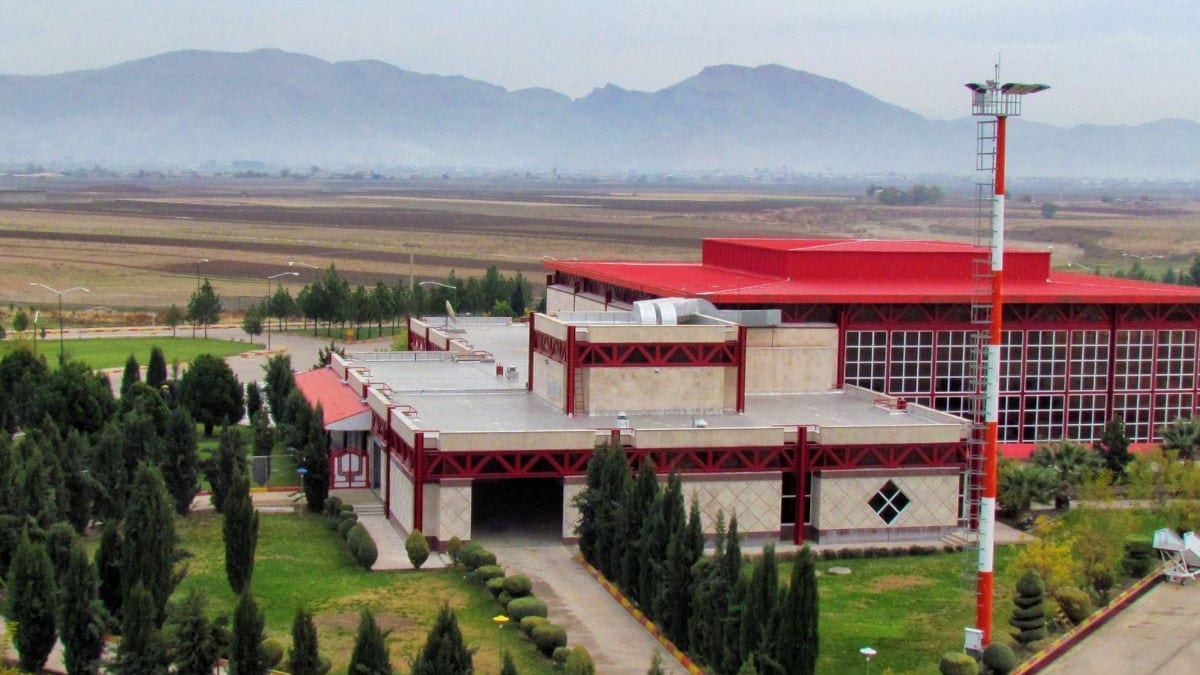
Khorramabad Airport Operations Amid Wider Disruption
Khorramabad International Airport (IATA code KHD), serving the city of Khorramabad in Lorestan province, is a small regional facility that primarily handles domestic services within Iran. Publicly available aviation data as of this morning do not show a formal, nationwide shutdown of all Iranian regional airports, and there is no widely reported notice stating that Khorramabad itself is closed. However, the broader conflict environment and repeated disruptions to Iranian airspace mean that day-to-day operations remain volatile.
Recent reporting on the 2026 Iran conflict describes extensive damage and suspensions affecting major hubs linked to Tehran, including the capital’s international gateway and other key airports. Some coverage indicates that international traffic to Tehran has been largely halted, with domestic traffic rerouted or severely reduced as airspace closures and security alerts are issued and lifted over short periods. In that environment, smaller airports such as Khorramabad are often technically open but subject to sudden schedule changes, late-notice cancellations and diversions.
Because Khorramabad is not a large international hub and has only a limited number of scheduled services, its status is more likely to be reflected through individual flight listings rather than prominent national announcements. For travelers, that means the most reliable indication of whether the airport is effectively operating today is the status of specific departures and arrivals on their chosen carrier and route.
In practical terms, travelers should treat Khorramabad as operating under heightened risk of disruption rather than assuming normal service. Anyone with tickets for today is advised to verify the latest status directly with airlines and to check multiple flight-tracking sources before traveling to the airport.
Latest Flight Status and What Passengers Are Seeing
Published flight-network overviews still list Khorramabad Airport as an active destination served by at least one Iranian carrier, reflecting that the airport has remained part of the domestic network into April 2026. These profiles, however, do not show real-time cancellations or short-notice operational holds, which have become common across Iranian airspace since the conflict escalated.
International coverage of the recent explosion in Tehran, combined with earlier missile and drone strikes against aviation infrastructure elsewhere in the country, highlights a pattern in which flights are abruptly suspended and then partially restored as security assessments evolve. Passengers in Iran and abroad have repeatedly reported last-minute changes, including aircraft holding outside Iranian airspace, diversions to alternate airports and rolling delays as new airspace notices are issued.
In this setting, the absence of a widely shared public notice specifically declaring Khorramabad Airport closed today should not be interpreted as a guarantee that all flights will operate as scheduled. Individual services may be pulled from the timetable at short notice if routes intersect temporarily restricted airspace near Tehran or other sensitive areas. Domestic carriers have been adjusting routings and timings to navigate shifting risk corridors, which can cascade through the rest of their networks.
For passengers, the most actionable approach is to focus on flight-specific information. Checking the flight number on an airline’s own channels and on independent tracking platforms shortly before departure time offers the clearest indication of whether an aircraft is expected to depart or arrive on schedule at Khorramabad.
How to Check Khorramabad Flight Status Today
With conditions changing quickly, travelers heading to or from Khorramabad today should rely on several layers of verification. The first step is to use the airline’s official mobile app or website to look up the exact flight number. Most carriers serving smaller Iranian airports now provide status flags such as “on time,” “delayed,” “cancelled” or “diverted,” which are updated throughout the day as operational decisions are made.
In parallel, passengers can consult widely used global flight-tracking services to cross-check whether the aircraft assigned to a Khorramabad route has departed from its origin, is en route, or has been grounded. These platforms often show the real-time track or, in the case of cancellations, the absence of any movement for the scheduled window. In the current environment, discrepancies between an airline’s timetable and tracking data are a signal to seek clarification before proceeding to the airport.
Travelers already in Khorramabad or elsewhere in Iran should also pay attention to local news bulletins and airport information boards, where available. While detailed public statements about individual regional airports may be limited, television tickers, radio updates and terminal displays often reflect operational changes more quickly than static online timetable pages.
Given the continuing security concerns and periodic airspace disruptions stemming from events in Tehran and other cities, passengers are advised to arrive earlier than usual if a flight appears to be operating. Longer check-in and security procedures, as well as possible gate changes, are more likely in the current climate.
Helplines and Contacts for Stranded Travelers
In situations where delays or cancellations at Khorramabad are linked to broader security incidents, airline customer-service channels become essential. Most Iranian carriers publish reservation and support phone numbers, including separate lines for domestic and international callers. These lines can confirm whether a disrupted flight will be rescheduled, rerouted via another airport within Iran, or refunded.
Travelers who purchased tickets through online travel agencies or brick-and-mortar agents should also use those intermediaries’ customer-service lines. Many agencies have set up dedicated teams to handle itinerary changes related to the Iran conflict, including same-day rebooking where alternative domestic routes remain available. Keeping booking references and e-ticket numbers at hand can help speed up these conversations.
Passengers with travel insurance may have additional support options. Some insurers provide 24-hour emergency assistance numbers that can help arrange alternative transport or accommodation if Khorramabad-bound flights are cancelled due to security-related airspace closures or airport disruptions in Tehran and other cities. Policy documents usually specify what level of disruption qualifies for reimbursement or additional assistance.
In all cases, travelers are encouraged to keep records of any disruption, including screenshots of cancellation notices, boarding passes, and receipts for unexpected expenses. These documents can be important for later claims, whether through airlines, agents or insurers.
What Today’s Situation Means for Upcoming Travel
The explosion in Tehran and the wider conflict have already reshaped air travel patterns across Iran and the region, and Khorramabad is not immune to these effects. Even if flights are listed as operating today, the situation remains fluid, and passengers planning to use the airport in the coming days and weeks should build flexibility into their itineraries.
Regional and international analysis of the 2026 Iran conflict notes extensive rerouting of overflight corridors and the temporary closure or partial shutdown of several major Middle Eastern hubs. This has increased pressure on remaining routes and aircraft, sometimes leading to aircraft and crew being in the wrong place at the wrong time. For a smaller airport like Khorramabad, that can translate into irregular service or sudden gaps in the schedule.
Travelers considering new bookings that involve Khorramabad may wish to choose fully flexible or refundable fares where possible, and to avoid tight connections that depend on precise timing. Allowing for longer layovers at larger, more resilient airports inside Iran can reduce the knock-on impact if a Khorramabad leg is delayed or cancelled.
As of today, there is no clear, publicly available indication that Khorramabad International Airport has been formally closed in response to the latest events in Tehran. However, the interplay between national security developments, airspace management and airline operations means that the airport’s effective status is best understood on a flight-by-flight basis, checked as close to departure time as possible.