

More news on this day
As Iran’s conflict continues and explosions in Tehran affect major aviation hubs, travelers are asking whether Khorramabad International Airport (KHD) is operating normally today and how reliably they can fly in or out of western Iran.
Get the latest news straight to your inbox!
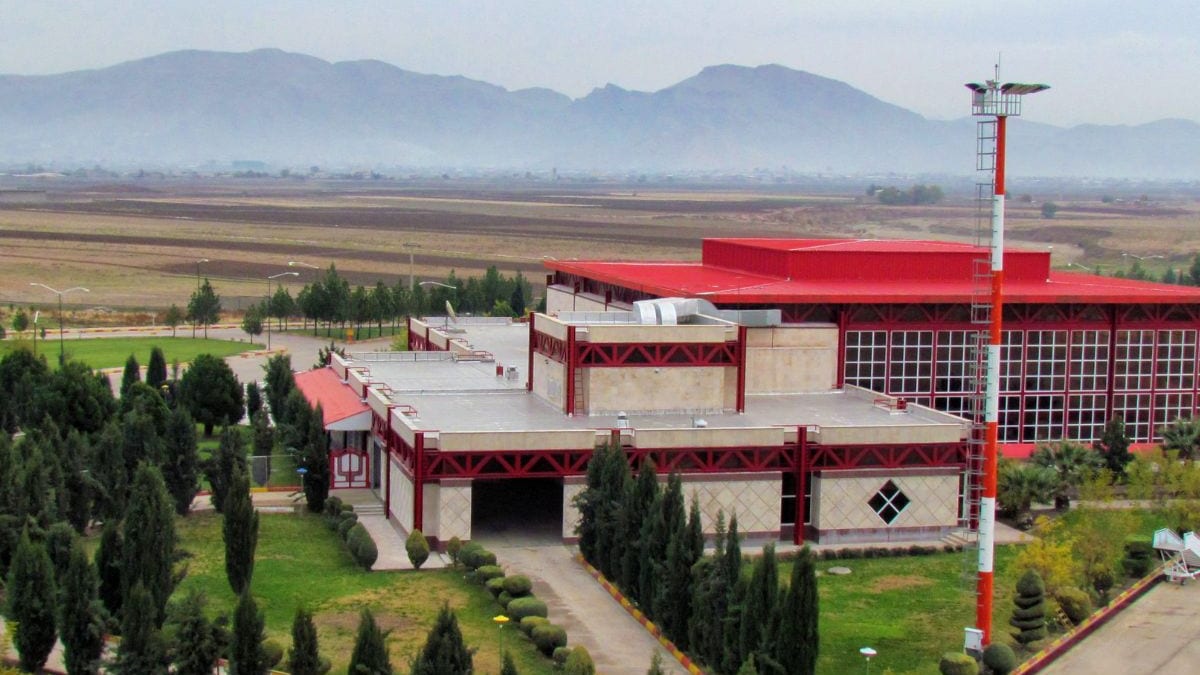
Current Operational Status at Khorramabad (KHD)
Khorramabad International Airport is a small regional facility in Lorestan Province, primarily handling limited domestic services. Publicly available aviation data shows that KHD is usually served by a very small number of scheduled routes, with connections concentrated on flights to Tehran. Recent route overviews still list at least one active domestic service to the capital, indicating that the airport itself has not been formally closed.
At the same time, Iran’s wider air transport system has been thrown into disarray by the conflict and repeated strikes in and around Tehran. Explosions and missile attacks reported near major airports serving the capital, including Mehrabad and Imam Khomeini, have led to periodic suspensions of flights and closures of surrounding airspace, particularly during heightened military activity. As a result, even airports that remain technically open, such as Khorramabad, are heavily dependent on the fluctuating status of Tehran’s airspace and terminals.
There is no indication today of a specific local shutdown order targeting Khorramabad itself. However, the effective usability of the airport depends on whether its Tehran-bound or Tehran-originating services can safely operate. Travelers should expect that planned departures and arrivals may be canceled or rerouted at short notice when air corridors around the capital are restricted.
Given the fast-changing security situation, the practical reality for passengers is that Khorramabad Airport should be treated as open on paper but operating under severe nationwide constraints. Anyone planning to fly should verify their individual flight rather than assuming that a published schedule will be honored.
Impact of Tehran Explosions on Flights to and from KHD
The explosions and strikes in Tehran during March and early April 2026 have concentrated on strategic and aviation-related infrastructure, including facilities associated with the capital’s airports. Coverage of these events describes temporary closure of Tehran’s airspace on multiple occasions, suspension of many international flights, and a sharp drop in civilian air traffic over central Iran.
Because Khorramabad’s limited network is primarily linked to Tehran, any disruption at the capital’s airports quickly cascades to KHD. When Tehran-bound traffic is halted or rerouted for security reasons, Khorramabad’s flights are among the first to be affected. This has led to patterns where domestic services resume intermittently, then pause again as military operations intensify.
The broader regional impact has included widespread rerouting of international airlines around Iranian airspace and the cancellation of services to the country’s main hubs. Industry-focused travel reports note that airlines across the Middle East and beyond have adjusted schedules, diverted flights, or temporarily withdrawn from the market in response to the conflict. For Khorramabad, which depends on feeder connections through Tehran rather than direct foreign services, these upstream changes contribute to a fragile operating environment even if its runway and terminal remain intact.
Travelers should therefore interpret any reference to “normal operations” cautiously. Even when a specific day’s timetable appears unchanged, the risk of last-minute delays, extended holding patterns, or outright cancellations remains high while security conditions around Tehran are volatile.
Checking Live Flight Status and Expected Delays
In the current situation, real-time verification is essential for anyone using Khorramabad Airport. Online flight-tracking platforms and airport information aggregators provide up-to-date views of departures and arrivals, including whether scheduled services to Tehran or other Iranian cities are operating, delayed, or canceled. These tools typically reflect changes as airlines react to new airspace restrictions or security alerts.
Travel industry analysis over recent days emphasizes that schedules in Iran should be treated as provisional rather than fixed. The pattern across the country has been one of rolling disruptions instead of a single, clearly defined shutdown. This means a flight that appears on time in the morning can still be grounded later in the day if further strikes or alerts affect the capital’s airspace or ground facilities.
Passengers are advised to check their flight status repeatedly on the day of travel, including shortly before leaving for the airport. Where airlines provide mobile notifications, enabling alerts can help travelers receive prompt information about late operational decisions. Given that Khorramabad’s connectivity typically relies on a single main route, the cancellation of one rotation can effectively wipe out all options for that day.
For those already at the airport, departure boards and public announcements remain the primary indicators of whether flights will proceed. However, staffing strain and the speed of developments across the Iranian network mean that public displays may lag behind airline control decisions, reinforcing the value of direct digital checks with the operating carrier.
Key Helpline Contacts and How to Seek Assistance
Because Khorramabad International Airport does not maintain a large public-facing information infrastructure, passengers usually obtain operational updates through airline customer service channels and national civil aviation resources. Major Iranian carriers serving regional airports, including those that operate or have operated the Khorramabad to Tehran route, publish telephone helplines and call centers intended to assist with rebooking, refunds, and itinerary changes.
Travelers should locate the official customer service number for the airline printed on their ticket or booking confirmation and keep it accessible throughout their journey. Many carriers also provide contact centers in Tehran and other major cities, which may offer additional options if regional lines are congested. In busy periods, callers may experience long waits, but these helplines remain the primary path for confirming whether a specific flight from Khorramabad is expected to operate.
In parallel, Iran’s civil aviation administration and transport authorities publish notices to airmen and passenger advisories when security conditions affect domestic air traffic. While these communications are primarily aimed at aviation professionals, they often filter into public reporting by national news agencies and travel-focused outlets. Monitoring local news in Persian, alongside international coverage of the conflict, can give travelers a sense of the broader risk environment on days when they plan to fly.
Given the sensitivity of the situation and the potential for rapid escalation, travelers are also encouraged to maintain contact with their embassy or consular services if they are foreign nationals in Iran. Many governments issue travel advisories that specifically address the safety of air travel to, from, and within the country, including recommendations about avoiding nonessential flights during periods of intense military activity.
Travel Advice for Passengers Using Khorramabad Airport Today
For passengers booked to depart from or arrive at Khorramabad today, the operating assumption should be one of uncertainty. Even in the absence of an explicit closure notice for KHD, the combination of conflict-related airspace restrictions, recent explosions near Tehran’s airports, and wider regional flight suspensions means travel plans can change with little warning.
Before heading to the airport, travelers should confirm that their flight is still scheduled and not already canceled or significantly delayed. Where possible, they should verify details with both the airline’s online tools and its call center, since call agents may have access to additional operational notes that are not yet visible in public tracking systems. Those connecting onward internationally via Tehran should pay particular attention to whether long-haul flights remain suspended.
Passengers already in transit should prepare for extended waiting times, potential overnight stays, and the possibility of being rerouted through alternate cities if domestic or international hubs become temporarily unusable. Flexible travel arrangements, including refundable tickets and accommodation that can be changed at short notice, may help mitigate the impact of sudden disruptions.
In summary, Khorramabad International Airport itself appears to remain open, but its very limited route network and reliance on Tehran mean that travelers face a high risk of disruption linked to events in the capital. Careful monitoring of live flight status, proactive use of airline helplines, and attention to evolving security reports are all essential steps for anyone planning to use KHD while the conflict and its aftershocks continue.