

Lake Winnipeg is one of North America’s great inland seas, drawing Manitobans and visitors alike to its long sandy beaches, cottage communities and wild northern bays. Yet in recent years, questions about blue-green algae, bacteria levels and unpredictable weather have left many travelers wondering how safe it really is to swim, paddle or boat on this vast prairie lake. Understanding the risks, seasonal patterns and safety measures in place can help you enjoy Lake Winnipeg’s outdoors confidently and responsibly.
Lake Winnipeg at a Glance
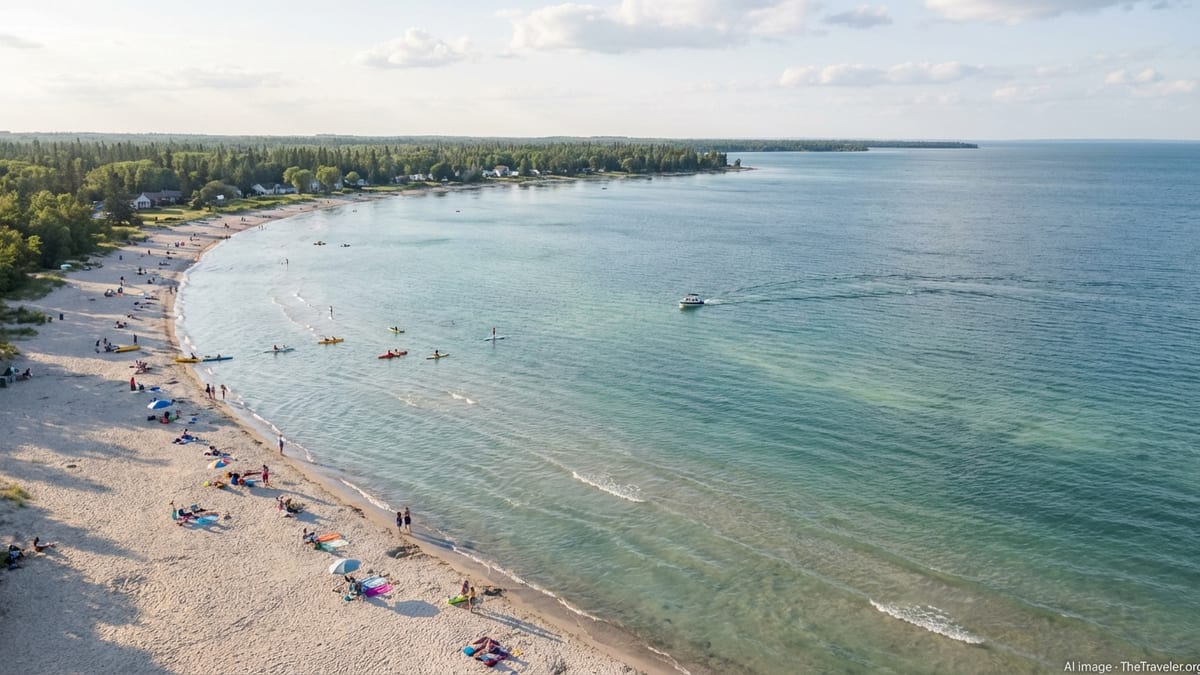
Stretching roughly 416 kilometres from its southern shore to its remote northern reaches, Lake Winnipeg is among the world’s largest freshwater lakes by surface area. Its two distinct basins, a deep and cooler north and a shallower south, create varying conditions for swimmers and boaters. The south basin, closer to Winnipeg and ringed by popular cottage communities and beaches, sees the greatest concentration of recreational use throughout the summer.
The lake’s watershed covers an immense swath of the Prairies and parts of western Canada, funnelling water from agricultural land, rivers and wetlands into the main basin. This vast drainage area contributes nutrients that can fuel algae growth, especially during warm, calm spells in mid to late summer. As a result, water clarity, color and overall quality can change significantly between early June and the August long weekend, and even from one week to the next.
Despite these challenges, Lake Winnipeg remains a major hub for outdoor recreation and commercial fishing. Provincial agencies monitor water quality at many of the most popular beaches each season, and local communities are increasingly focused on both environmental stewardship and visitor safety. For travelers, the key is not to avoid the lake, but to arrive informed, flexible and prepared to adapt to current conditions.
Overall, Lake Winnipeg can be safe for swimming and water-based activities when you choose your location and timing carefully and pay attention to posted advisories. Safety is less about a simple yes-or-no verdict and more about understanding how the lake behaves and what risks are most relevant at different times of the season.
Water Quality, E. coli and Beach Advisories
During the summer months, Manitoba’s environment and health authorities regularly test water quality at dozens of beaches around the province, including many along both the east and west shores of Lake Winnipeg. Samples are checked for indicators such as Escherichia coli (E. coli), a bacteria associated with the presence of fecal contamination from birds, wildlife, livestock or human sources. When E. coli levels remain below the province’s recreational guideline, swimming is generally considered low risk for most healthy people.
When test results exceed the guideline, authorities post yellow advisory signs at affected beaches. These warnings do not always mean you must stay completely out of the water, but they do signal that the risk of minor illnesses such as stomach upset, ear, eye, nose or throat infections is higher than usual. In some cases, especially when E. coli levels are significantly elevated, local officials may temporarily close beaches to swimmers until follow-up testing shows improvement.
In recent seasons, several of Lake Winnipeg’s best-known beaches have experienced periodic advisories during the peak of summer vacation. Areas such as Grand Beach, Gimli, Winnipeg Beach and smaller cottage-community beaches have all seen days or weeks when signs cautioned swimmers about elevated bacteria. These advisories reflect short-term conditions, often influenced by wind, waves and water levels that can stir up bacteria from nearshore sand or bring it in from nearby river mouths.
For visitors, the takeaway is that water quality along Lake Winnipeg’s south basin is dynamic. Before heading out to swim, especially with young children or people with weakened immune systems, travelers should check current advisories from provincial or local authorities and read any signs posted at beach entrances. If an advisory is in place, reducing exposure by avoiding swallowing water, rinsing off after a swim and keeping open cuts out of the lake can help lower personal risk.
Blue-Green Algae: What Travelers Need to Know
Beyond bacteria, blue-green algae, or cyanobacteria, are one of the most visible and widely reported concerns on Lake Winnipeg. These microorganisms thrive in warm, nutrient-rich, relatively calm water, conditions that increasingly occur during mid and late summer in the lake’s shallow south basin. From the air, blooms can appear as swirling emerald streaks or large green patches across the surface. From the beach, they may look like pea soup, green paint or clumps of scum along the shoreline.
Not all blue-green algae are toxic, but some species can produce potent toxins that may irritate the skin and eyes and, if ingested in sufficient quantities, potentially affect the liver or nervous system in people and animals. Because you cannot tell by sight whether a particular bloom is producing toxins, public health agencies advise treating all dense accumulations of blue-green algae with caution. Advisories may be issued when blooms are extensive, especially near popular swimming areas or water intakes.
On Lake Winnipeg, large blooms have become a recurring late-summer feature, especially in the south basin. Travelers visiting from late July through early September are more likely to encounter discolored water or scummy patches, although conditions can vary widely from one day or bay to the next. Wind can push algae into particular coves, leaving other stretches of shoreline relatively clear. Cooler, breezier weather often improves conditions, at least temporarily.
The safest approach for swimmers is straightforward: if the water looks murky green, has visible mats or scum, or smells unusually musty, avoid entering it, keep pets away and choose another beach or activity that day. Even when no formal advisory is posted, using your own judgment based on what you see at the shoreline is wise. After any swim, especially during warm bloom-prone periods, rinsing off with clean water and encouraging children not to swallow lake water are simple measures that further reduce risk.
Seasonal Patterns and Safer Times to Swim
Conditions on Lake Winnipeg shift markedly as the season progresses, and travelers who understand these patterns can often tilt the odds toward clearer water and fewer advisories. Early summer, from late June through early July, often brings cooler water temperatures and fewer large algae blooms. Many families find this period ideal for short dips and beach walks, especially on sunny but not overly hot days with a light breeze.
By mid to late July and into August, the combination of sustained warmth, longer daylight hours and calm spells can encourage both bacteria spikes near shore and blue-green algae growth. This is also when visitor numbers at the lake’s most accessible beaches reach their peak. On popular weekends, a single beach may host thousands of people, increasing the chance that small contamination events and stirred-up sand will temporarily affect water quality tests.
Travelers with flexible schedules who prioritize swimming in the clearest possible water might consider planning visits earlier or later in the season or focusing on weekdays rather than long weekends. Morning swims can sometimes be preferable to afternoon dips, as onshore winds and crowds have had less time to churn up the nearshore zone. However, weather patterns are highly variable from year to year, and even in midsummer, some stretches of shoreline can remain inviting while others fluctuate between advisories.
In shoulder seasons, such as late May or September, water temperatures are generally too chilly for most casual swimmers but can be attractive to hardy locals or those wearing wetsuits. While algae blooms are typically less intense then, cold water, gusty winds and sudden weather changes introduce different safety considerations. Hypothermia risk increases in these months, so immersion should be brief, and extra caution is warranted for small children, older adults and anyone not accustomed to cold-water swimming.
Boating, Paddling and On-the-Water Safety
For many visitors, enjoying Lake Winnipeg does not necessarily mean spending long periods immersed in the water. Boating, sailing, canoeing, kayaking, paddleboarding and fishing are central to the lake’s appeal. While these activities are generally less affected by short-term bacteria levels than swimming, they come with their own set of safety considerations linked to weather, waves, currents and submerged hazards.
Lake Winnipeg’s sheer size means wind can build sizable waves, especially in the broad south basin and across more exposed stretches of the north. A day that begins with calm, glassy water near shore can shift quickly when wind picks up from the north or south, creating steep chop that challenges small craft and inexperienced paddlers. Local marinas and outfitters routinely emphasize the importance of checking marine forecasts, watching the sky and being prepared to cut outings short if whitecaps begin to form.
Submerged rocks, reefs, floating debris and occasional “deadheads” or partially submerged logs are additional concerns. Manitoba’s water and hydro agencies maintain hazard markers and run boat patrols in some key areas, but conditions are dynamic, particularly after storms or periods of high water. Responsible operators keep safe speeds near shore, steer well clear of marked hazards, and use charts or local knowledge when exploring less familiar bays or channels.
Lifejackets or personal flotation devices are essential on Lake Winnipeg for every person on board, regardless of swimming ability. Cold water temperatures, sudden squalls and the distance from shore in certain areas mean that even strong swimmers can quickly get into trouble without flotation support. Boaters should also carry basic safety gear such as signaling devices, a bailer, an anchor and, where appropriate, communication tools suited to areas with limited mobile coverage.
Shoreline Activities, Ice Safety and Off-Season Risks
Even if you never wade above your knees, Lake Winnipeg’s shoreline environment requires attentiveness. Waves can undercut sandy beaches and create steep drop-offs just a few steps from the high-water mark. Children playing at the edge of the water should be kept within arm’s reach, especially when surf is up or when they are near river mouths where currents mix with lake waves.
Beyond summer, the lake transforms into a hub for ice fishing, snowmobiling and winter travel routes. While frozen expanses may appear uniform and solid, ice thickness often varies dramatically due to currents, wind, pressure ridges and the influence of regulated water levels. Manitoba Hydro and provincial agencies regularly caution travelers that ice conditions on regulated waterways, including Lake Winnipeg, can be less predictable than on small, natural ponds.
Safe winter use hinges on more than a single thickness measurement. Early in the season, ice may be strong in sheltered bays but dangerously thin around narrows, river mouths or areas influenced by currents. Later in winter, pressure ridges, open leads and areas of slushy or candled ice can appear even after weeks of cold weather. Snow cover can hide cracks and weak spots, increasing risk for walkers, skiers and snowmobilers.
Travelers considering winter activities on or near Lake Winnipeg should treat official ice advisories, local knowledge and common-sense precautions as non-negotiable. Checking current conditions, traveling with proper safety gear such as ice picks and throw ropes, and never venturing onto unfamiliar ice alone are baseline practices. When in doubt, staying on shore or using established, well-marked trails maintained by local communities is the safer choice.
Staying Informed and Making Prudent Choices
Because Lake Winnipeg’s conditions change so quickly, up-to-date information is one of the most powerful tools travelers have. Provincial agencies publish regular updates on beach monitoring, including whether advisories are in effect at specific locations. Local municipalities and news outlets frequently report on closures, particularly when high E. coli levels or intense algae blooms coincide with busy summer weekends.
When you arrive at the lake, signs posted near parking areas, beach access points and boat launches deserve close attention. Yellow advisory signs related to bacteria, notices about algae blooms, and warnings about hazardous currents or drop-offs are part of a coordinated effort to reduce harm. These signs typically remain in place for at least the remainder of the season once a sustained issue has been documented, giving both day-trippers and seasonal cottage owners consistent messaging.
Beyond official channels, observing the water yourself before diving in remains crucial. Cloudy, strongly discolored or foul-smelling water, visible debris, or clusters of dead fish or birds at the shoreline all signal that conditions may not be ideal for swimming or wading. Even when no formal advisory has been posted yet, choosing an alternate beach, limiting contact time or focusing on land-based recreation for the day are all reasonable responses.
Parents, in particular, may want to adopt a conservative mindset. Children tend to swallow more water and are more susceptible to mild gastrointestinal or ear infections from contaminated water. Scheduling frequent breaks, encouraging showers or rinses after swimming, and packing hand sanitizer or wipes for use before meals can modestly but meaningfully lower risk. For individuals with weakened immune systems or chronic health conditions, seeking personalized advice from a healthcare provider before extensive freshwater swimming is also sensible.
The Takeaway
Lake Winnipeg remains a remarkable destination, with sweeping sandy beaches, boreal shorelines and big-sky sunsets that rival many coastal scenes. Yet it is also a lake in flux, shaped by a massive watershed, changing climate patterns and the cumulative effects of human activity. For travelers, the question “Is it safe?” cannot be answered once for all; instead, it must be revisited each season and, often, each weekend.
In general, Lake Winnipeg can be safely enjoyed for swimming and outdoor activities when visitors stay alert to advisories, visually assess conditions and match their plans to their skills and comfort level. Early and mid-summer often offer the best balance of pleasant weather and manageable algae levels, though this varies from year to year. By contrast, late-summer heat waves, strong winds and sudden storms can temporarily raise risks, making flexibility and caution especially valuable.
If you are willing to check water quality updates, heed signage and adjust your expectations when nature does not cooperate, Lake Winnipeg can still provide the very experiences that have drawn generations of Manitobans to its shores: cool freshwater swims, family picnics on the sand, quiet paddles along forested shorelines and winter days spent marveling at its frozen expanse from a safe vantage point.
Ultimately, treating Lake Winnipeg with respect, both as a dynamic natural system and as a shared resource, is the surest way to keep your visit memorable for the right reasons. Stay informed, be prepared and let the conditions guide how you choose to explore this vast prairie lake.
FAQ
Q1. Is it generally safe to swim in Lake Winnipeg during summer?
For most healthy people, swimming is usually considered low risk when no advisories are posted and the water looks clear, but conditions can change quickly, so it is important to check local updates before entering the lake.
Q2. How can I find out if my chosen beach has a water quality advisory?
Before traveling, review the latest information from Manitoba’s provincial beach monitoring program or local municipalities, and always read any warning signs posted at the beach entrance or near the shoreline.
Q3. What does a yellow advisory sign at a Lake Winnipeg beach actually mean?
A yellow advisory typically indicates that E. coli levels have exceeded the provincial recreational guideline at some point during the season, signaling a higher-than-normal risk of minor illness for swimmers.
Q4. How worried should I be about blue-green algae on Lake Winnipeg?
Blue-green algae blooms can occasionally produce toxins that may irritate skin and pose health risks if swallowed, so it is wise to avoid swimming, wading or letting pets drink where the water appears scummy, thickly green or has an unusual odor.
Q5. Are some times of the year safer for swimming than others?
Early to mid-summer often brings fewer intense algae blooms and may offer clearer water, while late-summer heat waves are more likely to coincide with advisories, though weather and local conditions vary from year to year.
Q6. Is boating or kayaking affected by the same water quality issues as swimming?
Short-term bacteria spikes pose less direct risk to boaters and paddlers who are not immersed, but algae, debris, waves and sudden weather changes can still create hazards, so lifejackets and awareness of conditions remain essential.
Q7. Can children safely swim in Lake Winnipeg?
Children can enjoy the lake when adults closely supervise them, choose beaches without current advisories, keep them in shallow water appropriate to their abilities and encourage rinsing off and hand washing after they leave the lake.
Q8. Is it safe to eat fish caught in Lake Winnipeg?
Fishing remains an important activity on the lake, but consumption advice can vary by species and location, so anglers should consult the most recent provincial fish consumption guidelines and follow recommended limits.
Q9. What should I do if I accidentally swallow lake water while swimming?
Most people will not become seriously ill, but if you swallow lake water and later develop persistent stomach cramps, vomiting, diarrhea, fever or other concerning symptoms, it is prudent to seek medical advice, especially for young children or vulnerable individuals.
Q10. How can I reduce my personal risk while enjoying Lake Winnipeg?
Check current advisories, visually assess the water, avoid obvious algae or pollution, supervise children closely, wear lifejackets during boating, and be prepared to change plans if conditions look or feel unsafe on arrival.