

Malaysia has a reputation as one of Southeast Asia’s best value destinations, but rising airfares, a stronger ringgit and booming tourism can still surprise unprepared visitors. For most travelers coming from North America or Europe in 2026, Malaysia feels noticeably cheaper than home once you land, yet costs vary sharply between big cities, islands and rural areas. This guide breaks down what you can realistically expect to spend, from daily budgets and sample prices to where your money goes furthest.
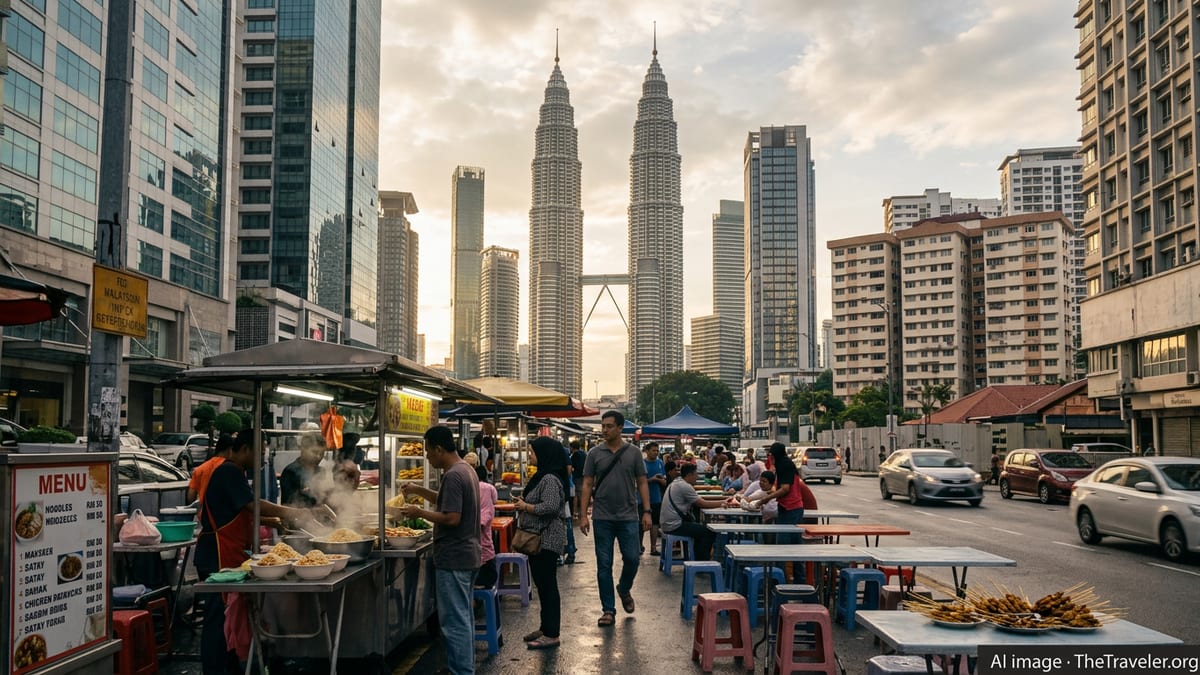
How Expensive Is Malaysia in 2026 Compared With Home?
For visitors from the United States, Canada or Western Europe, Malaysia is generally a low to moderate cost destination once you are on the ground. Various cost of living comparisons suggest overall everyday expenses in Malaysia are often around half, or even less, of what similar items cost in major Western cities, depending on lifestyle and location. Accommodation, local transport and food at hawker centers or kopitiams remain especially affordable by international standards.
Currency movements also shape how expensive Malaysia feels. The Malaysian ringgit has strengthened from its weakest levels in early 2024 but still trades at a favorable rate for most foreign currencies. In late 2025 and early 2026, broad data shows the ringgit commonly valued at roughly 4 to 4.3 ringgit to 1 US dollar, though this fluctuates over time. For a traveler, that means prices listed in ringgit often convert into modest dollar or euro amounts, even in popular tourist areas.
At the same time, Malaysia is not a uniformly “cheap” country. Kuala Lumpur’s central neighborhoods, upscale beach resorts in Langkawi and private villas on islands like Penang or the Perhentians can command rates approaching those in Southern Europe, particularly in peak season and during major holidays. Western-style coffee, imported alcohol and branded restaurants can also erode the savings you might expect in Southeast Asia.
Overall, most travelers find that careful choices about where to eat, sleep and move around allow them to travel comfortably on a relatively modest budget. Malaysia rewards those who embrace local options, travel outside peak periods and mix big city time with smaller towns and nature destinations.
Typical Daily Budgets: Backpacker to Comfortable Mid‑Range
Daily budgets vary widely by travel style, but broad patterns have emerged from recent backpacker reports, digital nomad cost breakdowns and travel budget surveys. A shoestring backpacker who favors dorm beds, street food and public transport can still get by on a far lower amount than a mid‑range couple choosing private rooms and occasional splurges.
At the most basic end, ultra‑budget travelers who share hostel dorms, eat almost exclusively at hawker stalls and move by bus or city rail systems often report daily spends in the region of 90 to 150 ringgit per person. That rough figure usually covers a dorm bed, three simple local meals, metro or bus fares, and a low‑cost attraction or two, with very little left for alcohol or shopping.
Many visitors prefer a more comfortable mid‑range approach. A realistic daily budget for a solo traveler in 2026 who stays in clean guesthouses or budget hotels with private rooms, enjoys a mix of local restaurants and cafes, and takes frequent intercity buses or occasional flights, commonly falls around 180 to 300 ringgit per day. Couples sharing rooms benefit from economies of scale on accommodation, so two people might manage on 280 to 450 ringgit together without feeling deprived.
At the higher end, travelers seeking boutique hotels, frequent air‑conditioning and private transfers will see their daily budget climb toward 400 to 700 ringgit or more per person, especially in upscale coastal resorts or during peak periods. While still good value compared with luxury stays in Western Europe or North America, this level of comfort places Malaysia firmly in the mid‑priced category rather than “ultra cheap.”
Accommodation Costs: From Hostels to Island Resorts
Accommodation is usually the single largest expense category for visitors to Malaysia, and it is also where the spread between budget and comfort is most obvious. Cities, islands and rural areas all price differently, with central Kuala Lumpur and top beach destinations generally at the higher end of the range.
In major cities such as Kuala Lumpur, Penang’s George Town or Johor Bahru, basic hostel dorm beds in 2026 typically start around 40 to 70 ringgit per night, sometimes a little more in particularly trendy or central properties. Simple guesthouse rooms with a fan or basic air‑conditioning can often be found from around 80 to 150 ringgit, while reliable budget hotel chains and mid‑range city hotels frequently sit in the 150 to 280 ringgit band for a private double, depending on location and demand.
On islands and beach destinations, prices shift upward, particularly on well known islands such as Langkawi, the Perhentians, Tioman or Redang. Basic chalets or simple beach bungalows may remain available for roughly 120 to 250 ringgit per night, but well‑reviewed mid‑range resorts can easily charge 300 to 600 ringgit for a seafront room, especially in high season. On public holidays and school breaks, demand pushes rates higher, and advance booking becomes important to avoid last‑minute price spikes.
Travelers seeking comfort without paying luxury premiums can save by mixing styles. Spending more nights in inland towns such as Ipoh, Taiping or smaller highland destinations and fewer nights in flagship beach resorts often keeps the average nightly cost moderate. Booking early for holiday periods, accepting slightly less central locations, and choosing local hotel brands instead of international chains are all effective ways to keep accommodation affordable while maintaining quality.
Food and Drink: The Big Value Advantage
Food is where Malaysia most clearly shines as a value destination. Thanks to a rich blend of Malay, Chinese, Indian and other influences, the country delivers an exceptional variety of dishes at everyday prices. Travelers who embrace local hawker centers, kopitiams and neighborhood eateries often find that food spending is significantly below what they might budget elsewhere in Asia or at home.
In most cities and towns, a filling plate of nasi lemak, chicken rice, char kway teow or roti canai with a drink commonly costs well under 20 ringgit. Many travelers report that ordinary meals at hawker stalls fall in a range of about 8 to 20 ringgit, with more elaborate dishes or seafood skewing higher in coastal areas. A simple local breakfast of coffee or tea with toast or a small noodle bowl might add only a few ringgit to your daily tally.
Eating at mid‑range restaurants, air‑conditioned food courts and cafes raises the bill but still remains quite reasonable by international standards. A main dish in a mall restaurant, casual bistro or popular café often runs in the region of 25 to 50 ringgit, with drinks extra. Western‑style brunches, specialty coffee and imported ingredients bring costs closer to what you might pay in European or North American cities, so regular indulgence in this style of dining can quickly double your food budget.
Alcohol is the key outlier. Malaysia’s majority‑Muslim population and tax structure keep alcohol significantly more expensive than most other everyday items. A beer in a bar or restaurant can easily cost 15 to 30 ringgit or more, and cocktails are priced accordingly. Travelers who drink daily may find their total budget rising considerably, whereas those who mostly skip alcohol can enjoy excellent local food at a very modest overall cost.
Transport and Activities: Moving Around Without Overspending
Transport within Malaysia is another area where travel remains reasonably priced, especially when compared with similar distances in Europe or North America. Urban transit systems in Kuala Lumpur and other cities use buses and rail lines that are both modern and inexpensive by international standards, though traffic congestion in some areas can lengthen journey times.
In Kuala Lumpur, local rail services such as the LRT, MRT and monorail typically charge only a few ringgit per ride, with frequent travelers often spending in the low tens of ringgit per day on city transport. Public buses in and between cities are also cost‑effective, with many intercity routes priced modestly given the distances involved. Budget travelers who stitch together a route by bus and occasional low‑cost flights generally find that transport remains a secondary rather than primary expense.
Ride‑hailing services such as Grab are widely used and remain affordable for most visitors, especially when shared among two or three people. Short city trips may cost only a handful of ringgit, while longer airport or cross‑town journeys are higher but still below the typical taxi fare in many Western countries. On islands and in rural areas, scooter rental is common for those comfortable riding, with daily rates often competitive and fuel costs low.
Activities and attractions vary more in price. Many temples, markets, city viewpoints and nature trails are free or charge nominal entry fees. Museum tickets, cave visits and national park access usually cost modest amounts per person. Boat trips, snorkeling excursions, guided jungle treks and other organized tours, especially in marine parks or wildlife areas, command higher prices but often still compare favorably with similar experiences elsewhere. Planning ahead, checking what is truly a must‑see, and mixing paid activities with free exploration helps keep the daily budget balanced.
Hidden and Seasonal Costs Travelers Often Miss
Several less obvious costs can influence how expensive Malaysia feels, and they often catch first‑time visitors off guard. One of the most significant is seasonality. Hotel and flight prices climb sharply around local school holidays, major religious festivals such as Hari Raya Aidilfitri and Chinese New Year, and during popular long weekends when Malaysians travel domestically in large numbers.
Travelers who can visit in shoulder periods, such as just before or after major holidays, frequently secure lower accommodation rates and enjoy slightly quieter attractions while still benefiting from favorable weather in many regions. Conversely, those arriving at the last minute during peak times may find that budget rooms are fully booked, leaving only mid‑range or high‑end options at premium prices.
Local taxes and fees are another consideration. In some states and cities, visitors pay nightly tourism or heritage taxes on top of the listed room rate, which can add a modest but noticeable amount to a multi‑night stay. These are often collected at check‑in or check‑out, so travelers should factor them into their planning when estimating total accommodation costs across several weeks.
Visa policies can also affect the bottom line, though for many nationalities short stays are visa‑free. From 2024 onward, Malaysia introduced a digital arrival form requirement for many foreign visitors, designed to streamline entry procedures. While the form itself does not add a significant financial burden, failure to prepare can lead to delays or additional logistical costs. Finally, comprehensive travel insurance, while an extra upfront cost, can protect against far more expensive medical bills or disruption fees, and should be included in any realistic budget.
Sample Budgets for Common Trip Styles
Turning general ranges into practical numbers can help you decide how much to set aside for your Malaysia trip. The following examples are broad illustrations rather than strict rules, but they reflect how recent travelers commonly distribute their spending across accommodation, food, transport and activities.
A solo backpacker planning a month in Malaysia and focusing on Kuala Lumpur, Penang, Ipoh and a few days on a less expensive island might aim for around 120 to 170 ringgit per day. In practice, this could mean staying in hostel dorms most nights, eating mainly at hawker centers, using public transport and saving paid activities for a handful of highlights such as a national park visit or a short island trip. Short city breaks sometimes cost slightly more per day, since fixed costs like airport transfers and attraction tickets are spread over fewer days.
A mid‑range couple combining cities, highlands and a popular island could expect to spend something in the region of 350 to 550 ringgit per day overall. That might include a comfortable private room, a mix of local eateries and café meals, ride‑hailing in the evenings, and several paid excursions such as guided walks, boat trips or cooking classes. By avoiding the most expensive resorts and peak holiday weeks, many couples manage to keep their daily average near the lower end of this band while still enjoying a high level of comfort.
For families or travelers seeking resort stays and more frequent flights, realistic budgets rise accordingly. A family of four staying in mid‑range hotels or apartments, allowing for occasional splurge meals and organized tours, could easily see total daily spending surpass 800 to 1,200 ringgit once all costs are included. Even at this level, many still find Malaysia competitively priced compared with beach holidays in parts of Europe, North America or Australia, particularly given the quality of food and accommodation on offer.
The Takeaway
Malaysia in 2026 remains one of the more affordable long‑haul destinations for visitors from North America and Europe, especially when daily on‑the‑ground costs rather than flights are considered. The country’s strong value lies in its combination of diverse food, reliable public transport, extensive mid‑range accommodation and abundant low‑cost or free attractions, which collectively allow a wide range of travelers to tailor spending to their comfort level.
At the same time, Malaysia is no longer the ultra‑cheap secret it might once have been for backpackers. Popular islands, central city districts, imported food and alcohol, and peak holiday periods can all add up. Travelers who arrive expecting rock‑bottom prices everywhere may feel disappointed if they gravitate toward Western‑style venues or book late during busy seasons.
With realistic expectations and a bit of planning, however, Malaysia offers excellent value for money. Embracing local eateries, mixing big‑name destinations with lesser‑known towns, booking core accommodation in advance for busy weeks and tracking the ringgit’s exchange rate before departure all help to stretch your budget further. Rather than asking whether Malaysia is expensive, it is more accurate to say that it can be as affordable or as indulgent as you choose to make it.
FAQ
Q1. Is Malaysia generally cheap or expensive to visit in 2026?
Malaysia is generally affordable compared with Western countries, especially for food, public transport and mid‑range accommodation, though top resorts and peak seasons can feel pricier.
Q2. How much should a backpacker budget per day in Malaysia?
A typical backpacker who stays in dorms and eats mostly at hawker stalls can often manage on roughly 90 to 170 ringgit per day, depending on destinations and activities.
Q3. What is a realistic daily budget for a mid‑range traveler?
For a solo traveler seeking private rooms and a mix of local and café meals, a realistic daily budget is usually around 180 to 300 ringgit, with couples sharing rooms spending less per person.
Q4. Are Kuala Lumpur and other big cities more expensive than the rest of Malaysia?
Central areas of Kuala Lumpur, Penang and other large cities tend to have higher hotel and café prices, but they also offer abundant budget food and transport options that keep overall costs reasonable.
Q5. How much do meals usually cost in Malaysia?
Simple meals at hawker centers often cost between 8 and 20 ringgit, while main dishes in mid‑range restaurants or cafes typically range from about 25 to 50 ringgit before drinks.
Q6. Is alcohol expensive in Malaysia?
Yes. Due to taxes and local regulations, beer, wine and spirits are relatively expensive compared with other items, so regular drinking can significantly increase your daily budget.
Q7. What should I expect to pay for accommodation per night?
Hostel dorm beds commonly start around 40 to 70 ringgit, simple guesthouses from roughly 80 to 150, and mid‑range hotel rooms in cities or on popular islands often range from 150 to 400 ringgit or more.
Q8. How much does local transport cost?
City rail and bus fares are low, often just a few ringgit per ride, while intercity buses and occasional low‑cost flights remain affordable compared with similar distances in many Western countries.
Q9. When is Malaysia most expensive to visit?
Prices usually rise during local school holidays, major religious festivals such as Hari Raya and Chinese New Year, and on popular long weekends when domestic tourism peaks.
Q10. Do I need to factor in extra taxes or fees as a visitor?
Yes. Some states and cities charge nightly tourism or heritage taxes on accommodation, and these small fees can add up over longer stays, so include them in your budget planning.