

Manitoba offers big prairie skies, remote lakes, and a distinctly friendly culture, but many would-be visitors wonder how safe it really is, especially in and around Winnipeg. The reality is nuanced: most trips are incident free, yet crime concerns, extreme weather, vast distances and wildlife all demand sensible preparation. Understanding the risks and how to manage them will help you enjoy Manitoba’s cities, small towns and wilderness with confidence.
Understanding Safety in Manitoba Overall
Manitoba is generally considered a safe province for visitors, and tourism is an important part of its economy. Millions of residents and travelers move through Winnipeg, smaller cities such as Brandon and Thompson, and remote northern communities every year without serious problems. That said, Manitoba does face challenges with violent crime in certain areas, social inequality, substance use, and the impact of extreme weather, so visitors should travel informed rather than anxious.
For most travelers following normal precautions, risks are moderate and manageable. Popular attractions, from polar bear tours in Churchill to lake cabins in Whiteshell and Riding Mountain, operate with established safety practices and experienced local guides. Problems are more likely to arise from property crime in urban areas, impaired or careless driving on highways, winter or shoulder-season storms, and a lack of familiarity with local conditions, rather than from targeted violence against tourists.
Perceptions of Manitoba as either very dangerous or entirely risk free both fail to capture the reality. Winnipeg, the main entry point and largest city, has a higher rate of certain violent offenses than many Canadian cities, but crime is not evenly distributed across neighborhoods or times of day. Outside a handful of urban hotspots and late-night situations, the province feels calm and laid-back, with a strong culture of looking out for neighbors and newcomers alike.
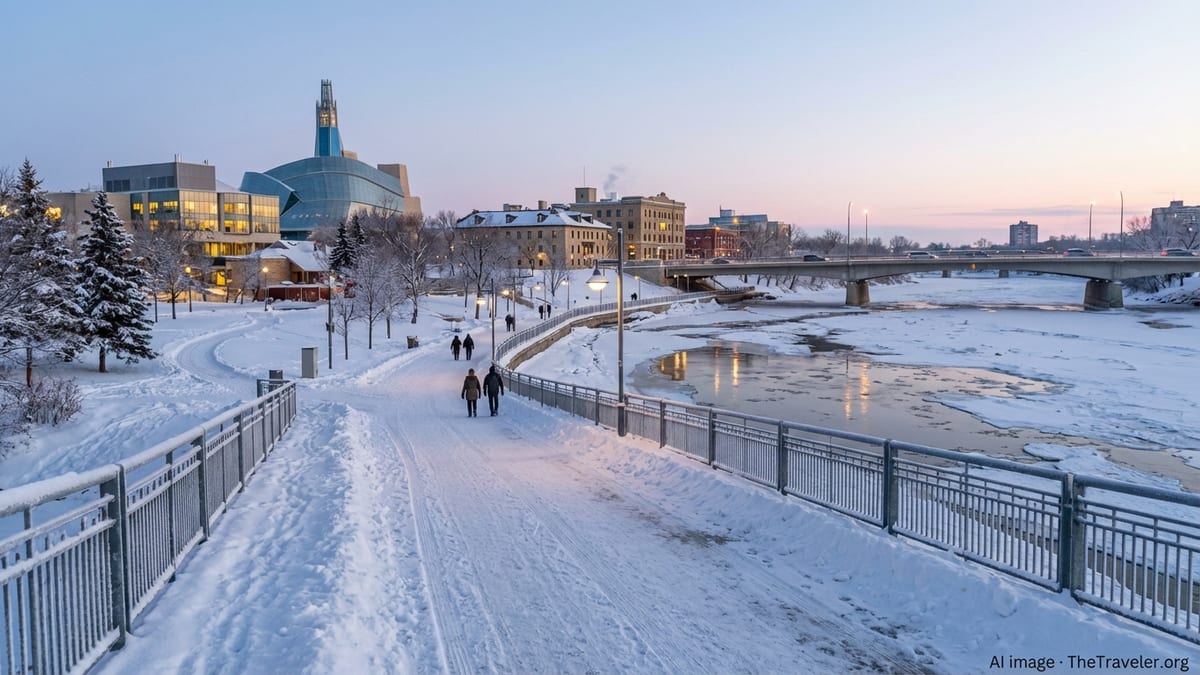
The key for visitors is to recognize that safety in Manitoba is about context. A family strolling around The Forks on a summer afternoon faces different risks than someone leaving a bar alone at 2 a.m., or a solo driver on an icy highway in January. By planning your movements, understanding the local environment, and listening to advice from residents and authorities, you can significantly lower the likelihood of serious problems.
Crime and Personal Security in Winnipeg
Most travelers will spend at least some time in Winnipeg, so it is worth understanding the city’s safety picture. Winnipeg has recorded higher violent crime and homicide rates than the Canadian average in recent years. Local police data show that overall crime and violent crime have begun to edge down after earlier increases, and both the city and province are investing in additional patrols and community safety initiatives in key areas, especially downtown. Nevertheless, crime remains a prominent public concern and visitors should take it seriously without being alarmist.
Crime in Winnipeg is highly concentrated by neighborhood and circumstance. Incidents are more common in parts of the downtown core, the North End and certain inner-city districts, particularly late at night and in relation to drugs, alcohol or interpersonal disputes. Tourists are rarely specifically targeted, but opportunistic thefts, car break-ins, and the occasional robbery can affect anyone who appears distracted or isolated. The busiest tourist areas, including The Forks, major museums and sports venues, are heavily monitored and generally feel safe in daytime and early evening, especially when events are underway.
Simple urban safety measures go a long way. Keep valuables out of sight, avoid displaying large amounts of cash, and lock your vehicle even for quick stops. If you plan to be out late, stick to well-lit streets with some foot traffic and consider using a reputable taxi or rideshare instead of walking long distances. Many locals advise being particularly cautious around quiet bus stops, alleys and parking lots after dark. If an area feels uncomfortable, trust your instincts and move on.
Travelers who stay in central hotels often find that safety is manageable with planning. Ask hotel staff which routes they recommend on foot and which they would avoid at night. During festivals and hockey games, downtown can feel lively and welcoming, and the visible police and security presence tends to increase. Remember that statistics describe whole cities, not individual experiences: for the typical visitor who exercises normal city awareness, Winnipeg is workable rather than intimidating.
Beyond the City: Small Towns, Parks and Remote Regions
Once you leave Winnipeg, Manitoba’s safety profile shifts. Smaller communities, lake country and national and provincial parks generally experience much lower levels of violent crime than the provincial capital, and the main concerns for travelers become road conditions, remoteness, weather and wildlife rather than interpersonal violence. Many people visit specifically for this quieter, more relaxed atmosphere and feel very secure walking around small towns or staying at rural lodges.
That said, rural and northern Manitoba introduce different types of risk. Services can be sparse between communities, especially on northern highways, so running out of fuel, experiencing a breakdown, or encountering sudden storms may leave you exposed if you are unprepared. Cell coverage can be patchy in some regions, and emergency response times may be longer than in urban centers. Travelers who understand this and stock their vehicle accordingly usually manage it without incident.
In very remote regions, including fly-in fishing lodges, winter roads to northern communities, and backcountry canoe routes, visitors usually travel with experienced operators who understand the local environment. It is important to follow their safety briefings closely, especially regarding cold water, ice thickness, wildlife encounters and local weather patterns. Solo or unguided expeditions should be attempted only by travelers with substantial wilderness skills and solid contingency planning.
Alcohol and impaired driving can be an issue in some rural areas, so take special care on weekend evenings and holiday periods when traffic may include more impaired drivers. Drive defensively, keep your speed moderate, and be ready for sudden movements by wildlife or other road users. While the odds of encountering serious crime in small communities are low, social challenges such as poverty and substance use exist in many places, so be respectful and avoid inserting yourself into local disputes or intimate social spaces.
Weather, Seasons and Road Safety
Weather is one of the most important safety factors for any Manitoba trip. Winters are long, dark and extremely cold, with temperatures that can fall far below freezing, strong wind chills and frequent snow and ice. Fall and spring can bring unpredictable storms, freezing rain and quickly changing road conditions. Even summer travelers should be aware of thunderstorms, heavy rain and the risk of rapid temperature swings that affect visibility and driving surfaces.
Provincial authorities emphasize that conditions on highways can change quickly, particularly in winter. Drivers are advised to check official road and weather reports before departure, delay travel if conditions are poor, and ensure vehicles are well maintained with appropriate tires, wiper fluid and a full fuel tank. On snow- or ice-covered roads, stopping distances increase dramatically, and bridges or overpasses may be especially slippery even when other stretches appear clear. Slowing down and extending your following distance are critical safety measures.
Winter roads in northern Manitoba, built over frozen lakes, rivers and muskeg, present their own challenges. They are designed as basic access routes to remote communities and generally lack the alignment, signage and routine maintenance of regular highways. Authorities warn that travel is not sanctioned until sections are officially opened, and that conditions can deteriorate quickly with weather changes. Unless you have a specific reason and local guidance, most leisure travelers should avoid venturing onto winter roads and instead use scheduled air services or well-established ground routes.
Whatever the season, pack for more than you expect. In cooler months, that means proper winter clothing, insulated boots, gloves, a hat that covers your ears, and a warm jacket, even for short drives between towns. An emergency kit with blankets, non-perishable snacks, water, a flashlight, booster cables and a shovel is wise for long-distance travel. In summer, carry drinking water, sun protection and insect repellent, and recognize that rural distances can still be long and services sparse.
Wildlife, Outdoor Activities and Environmental Hazards
Manitoba’s lakes, forests and wetlands are a major draw for visitors, but they also introduce safety considerations that urban travelers may not be used to. Wildlife is abundant, and collisions between vehicles and animals such as deer and, in some regions, moose occur regularly, particularly on rural roads. Animals are most active near dawn and dusk and may appear suddenly from the roadside. Provincial guidance stresses staying alert, scanning ahead, using high beams when appropriate, and reducing speed in known wildlife zones.
If an animal crosses your path, safety advice emphasizes braking firmly rather than swerving, which can lead to more severe crashes or rollovers. Deer often move in groups, so if you see one, expect others. In the unlikely event of a collision with a large animal, authorities recommend staying in control of your vehicle, moving it safely off the road afterward, and contacting local road or wildlife authorities rather than approaching an injured animal yourself, as it may react unpredictably.
On trails and in backcountry areas, visitors may encounter bears or other large mammals. Provincial wildlife agencies advise staying calm, giving animals an escape route, avoiding direct eye contact, and backing away slowly rather than running, which can trigger a chase response. Keeping children close, making noise while hiking so animals are not surprised, and following posted guidance in parks all help reduce risk. Never feed wildlife or leave food scraps accessible around campsites or picnic areas.
Water safety is another priority. Manitoba’s lakes and rivers can be cold even in summer, and currents or wind can change quickly. Always wear a life jacket when boating or canoeing, and be cautious around riverbanks, which may be unstable during high water. In winter and early spring, ice conditions vary widely by location and temperature; do not assume that frozen surfaces are safe unless local authorities or experienced guides confirm it. Common sense precautions in outdoor settings greatly increase your safety margin while still allowing you to enjoy Manitoba’s natural beauty.
Cultural Respect, Indigenous Communities and Social Context
Any safety discussion in Manitoba should also recognize the province’s social and cultural landscape. Manitoba has a large Indigenous population, including First Nations, Métis and Inuit communities, many of which are located in rural and northern areas frequented by travelers for fishing, hunting, or cultural tourism. Historical injustices, ongoing inequalities and the legacy of residential schools continue to shape daily life, and visitors should approach communities with respect and sensitivity.
From a traveler’s perspective, this means seeking permission where appropriate, especially when entering reserves, photographing cultural events or accessing traditional lands. In many communities, visitors are welcome at local shops, gas stations or cultural centers, but private spaces such as band offices, schools or ceremonial sites may require advance arrangements. When in doubt, ask local leaders or tourism providers how you can visit in a way that supports, rather than disrupts, community life.
Social challenges linked to poverty, housing, health and substance use are visible in some urban and remote areas. You may encounter people who are unhoused or in distress, particularly in Winnipeg’s downtown and around certain service hubs. While these situations may feel confronting, they are usually not directed at visitors personally. Maintaining a respectful distance, avoiding arguments, and moving to a busier area or contacting authorities if you feel unsafe are usually sufficient responses.
At the same time, Manitoba’s communities are known for warmth and generosity. Local residents are often happy to give directions, share tips on good places to eat or fish, or tell stories about the area. Supporting Indigenous and local-owned businesses, guided experiences, and community events can enhance your trip while contributing positively to the places you visit. A mindset of curiosity, humility and care for the land and people tends to be reciprocated, and it also contributes to a broader sense of shared safety.
Practical Safety Tips for Everyday Travel
Putting all of this information into practice does not need to be complicated. Start with realistic trip planning: allow extra travel time between destinations, especially in winter or on two-lane highways, and avoid scheduling tight same-day connections when weather could cause delays. Choose accommodation in areas with a steady flow of people and good reviews for cleanliness and security, and confirm late check-in procedures if you expect to arrive after dark.
When moving around cities, including Winnipeg, aim to do most of your walking and sightseeing during daylight hours. Keep your phone charged, share your general plans with a friend or relative, and know basic emergency numbers. Use taxis or rideshare services at night if distances are long, you are unfamiliar with the area, or you have been consuming alcohol. Inside bars, venues and events, watch your drinks, stay with companions, and leave if an atmosphere feels tense or aggressive.
For road trips, inspect your vehicle before long drives, paying attention to tire condition, fluid levels and lights. In colder months, clear all snow and ice from windows, mirrors and lights before departure, and keep your gas tank at least half full in case you run into delays. An emergency car kit with warm clothing, food, water and basic tools is a sensible investment, particularly if you plan to explore off the main highway network. Before venturing onto less-traveled routes, confirm that roads are open and that you have adequate fuel to return.
Health and personal security considerations round out the picture. Manitoba’s healthcare system can be busy, especially in Winnipeg emergency departments, but urgent medical help is available throughout the province. Travel insurance is recommended for visitors from outside Canada to cover unexpected illness or injury. In daily life, standard precautions such as using hotel safes for passports, keeping copies of important documents, and backing up photos and data help ensure that if something does go wrong, it is an inconvenience rather than a crisis.
The Takeaway
Is Manitoba safe for travelers? For most visitors who plan ahead and exercise normal caution, the answer is yes. The province does face real issues with violent crime in specific parts of Winnipeg, ongoing social and economic challenges, and weather and environmental conditions that must be taken seriously. Yet the majority of trips pass without major incident, and many travelers report feeling welcomed and secure, particularly in smaller communities and outdoor destinations.
Safety in Manitoba is less about avoiding the province and more about understanding it. Being realistic about crime while recognizing that it is concentrated in particular contexts, respecting Indigenous communities and social realities, preparing for extreme weather and long distances, and following basic outdoor and road safety practices will significantly reduce your risk. This allows you to focus on what draws people to Manitoba in the first place: big horizons, rich cultural life, and the sense of space and possibility that comes with a province shaped by sky, water and resilient communities.
If you approach your trip with awareness, flexibility and respect, Manitoba can be a rewarding destination where safety is a shared responsibility between you, your hosts and the landscapes you move through. The province’s challenges are real, but so are its strengths, and informed travelers are well placed to experience the best of what it has to offer.
FAQ
Q1. Is Winnipeg safe for tourists?
Winnipeg has higher violent crime rates than many Canadian cities, particularly in certain neighborhoods and at night, but most tourist visits are incident free when visitors stick to busy areas, remain aware of their surroundings and use taxis or rideshares after dark.
Q2. Are Manitoba’s small towns and parks safer than the city?
Generally yes. Violent crime is typically lower in small towns and park areas than in Winnipeg, and most concerns there relate to road conditions, remoteness, and wildlife rather than interpersonal violence.
Q3. How dangerous is winter driving in Manitoba?
Winter driving can be hazardous because of snow, ice, low visibility and extreme cold. With proper tires, slower speeds, an emergency kit and careful planning around weather forecasts, most drivers manage these conditions safely.
Q4. Should I worry about wildlife encounters?
Serious wildlife incidents are rare, but drivers should watch for animals on roads, especially at dawn and dusk, and hikers should give animals space, make noise on trails, and follow park guidance to minimize risk.
Q5. Is it safe to walk around downtown Winnipeg at night?
Some downtown areas feel reasonably safe when events are on and people are around, but quieter streets can feel isolated, and incidents do occur. Many locals recommend using taxis or rideshares at night instead of walking long distances.
Q6. Are there specific areas of Manitoba tourists should avoid?
Rather than specific bans, it is better to take local advice. Some Winnipeg neighborhoods and certain streets have higher crime rates, especially late at night, so ask hotel staff or residents which routes they recommend and follow their guidance.
Q7. How reliable is emergency help in rural or northern Manitoba?
Emergency services operate throughout the province, but in remote areas response times can be longer and communication more difficult. Carry a charged phone, share your itinerary, and travel with extra supplies so you can manage until help arrives if needed.
Q8. Is it safe to visit Indigenous communities?
Many Indigenous communities welcome respectful visitors, especially when visits are arranged through local tourism operators or community contacts. Always ask about local protocols, seek permission where needed, and follow community guidance while you are there.
Q9. What should solo travelers keep in mind in Manitoba?
Solo travelers should stay in well-reviewed accommodation, avoid isolated urban areas at night, plan road trips carefully, and share their itinerary with someone back home. With these precautions, solo travel can be both safe and rewarding.
Q10. Do I need special gear to stay safe outdoors?
In winter you need proper cold-weather clothing, insulated boots, and safety gear for driving or snow-based activities. In warmer months, sturdy footwear, insect repellent, sun protection and a basic first-aid kit are usually sufficient for typical day hikes and lake visits.