

Mexico is heading into 2026 on the back of record tourism numbers, expanded infrastructure projects, and a renewed focus on sustainable and community-based travel. At the same time, concerns about crime, overtourism, and environmental pressure remain very real. For travelers weighing a trip in 2026, the question is not simply whether Mexico is worth visiting, but under what conditions, in which regions, and with what expectations. This guide offers a clear, evidence-based look at the main advantages and drawbacks so you can make an informed decision for the year ahead.
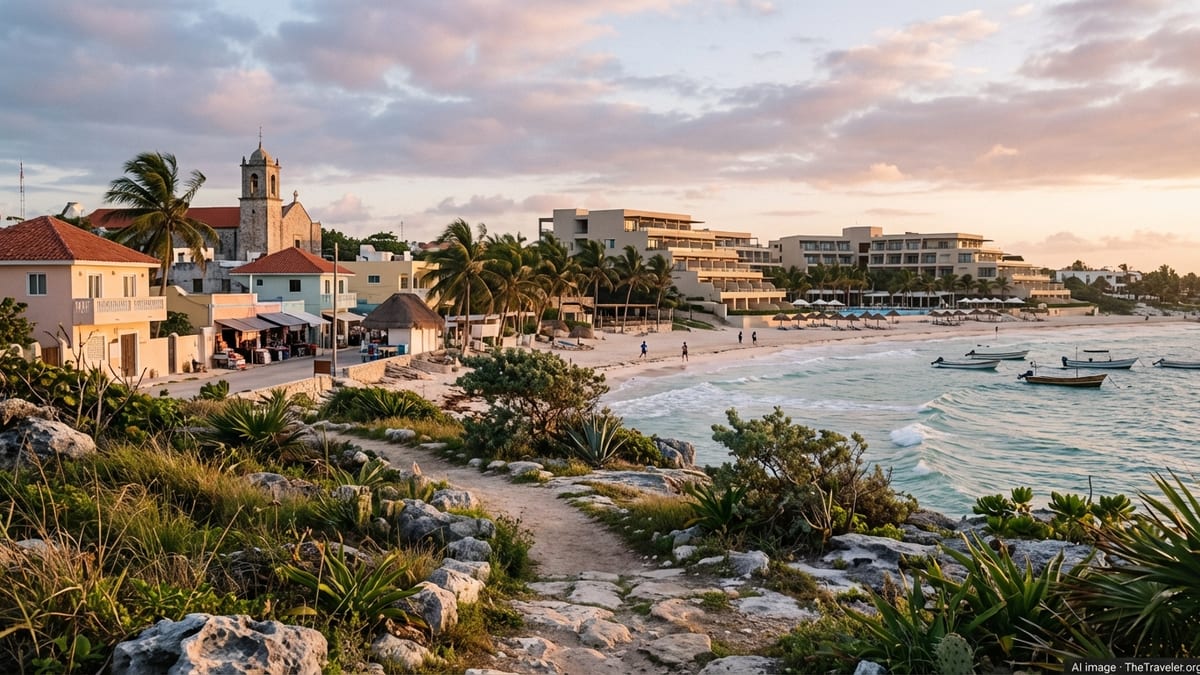
Mexico’s Tourism Boom: What 2025 Means for 2026 Travelers
Mexico enters 2026 as one of the world’s most visited countries, with international arrivals setting new records in 2024 and 2025. Official figures from Mexico’s statistics agency and tourism ministry show international tourism surpassed pre-pandemic levels, with tens of millions of visitors arriving by air, land, and cruise ship each year. Observers describe 2025 as a historic high point, with more than 80 million total international visitors over the first eleven months alone and strong momentum heading into 2026.
Rising visitor numbers are not just about volume. Travelers are staying longer and spending more on average than they did a few years ago, according to government and industry reports, which indicates that Mexico remains highly attractive even to seasoned travelers who have many alternatives. The United States and Canada continue to be the largest source markets, but tourism from Europe and South America is also expanding, reinforcing Mexico’s profile as a global, year-round destination.
For prospective visitors in 2026, this boom has two sides. On the positive side, strong demand supports a mature tourism industry with extensive flight connections, a deep accommodation base across budgets, and professional services in the main destinations. On the negative side, high demand can fuel crowding and rising prices in hotspots at peak times, which may affect travelers seeking quieter or more affordable experiences.
Safety and Security: Understanding Real Risks Versus Headlines
Security is the most common concern for people considering a trip to Mexico in 2026, and it deserves serious attention. Mexico continues to struggle with high levels of violent crime, much of it related to organized criminal groups. National homicide figures remain elevated by global standards, and news reports occasionally highlight very disturbing incidents near or within tourist zones, including discoveries of clandestine graves near major resort areas and episodes in which visitors have been caught in cartel crossfire.
However, the picture is uneven. Many of the worst-affected conflicts are concentrated in specific states and municipalities, often far from the country’s main cultural and beach corridors. Government data and independent analysis consistently show that most international tourists do not experience serious crime, especially when they remain in established visitor areas, use authorized transportation, and avoid high-risk behaviors such as purchasing drugs or venturing into remote nightlife districts late at night.
In practical terms, 2026 travelers should see safety as a manageable risk rather than an automatic deal-breaker. That means checking current government travel advisories before booking, tracking local news for the specific state they plan to visit, and being willing to adjust itineraries if conditions deteriorate. It also means choosing reputable hotels, vetted tours, and licensed taxis or ride-hailing services, rather than improvising on the ground. For many visitors, especially those returning to familiar destinations, these measures are already routine.
The pros of visiting in 2026 include the fact that destinations heavily dependent on tourism, such as parts of the Yucatán Peninsula and Baja California Sur, have strong incentives to keep visitor zones visibly secure, with increased policing and cooperation between tourism authorities and the private sector. The cons lie in the underlying volatility: while the statistical risk of a tourist becoming a victim of extreme violence remains relatively low, the potential consequences are severe, and some areas can change risk profile quickly.
Infrastructure, the Maya Train, and Getting Around in 2026
Transport and tourism infrastructure are central to Mexico’s current strategy, and by 2026 travelers will see both the benefits and the growing pains. Major airport hubs such as Mexico City, Cancún, Guadalajara, and Los Cabos have expanded capacity over the past few years, with new routes from North America and Europe improving connectivity to both classic and emerging destinations. Domestic carriers and low-cost airlines have also increased frequencies on popular leisure routes, making multi-stop itineraries easier to arrange.
One of the most talked-about projects is the Maya Train in southern Mexico, conceived to connect key sites across the Yucatán Peninsula, including popular resorts and important archaeological zones. After staged openings and operational challenges, the federal government rolled out a strong promotional push in late 2025 to boost ridership and fill associated hotels. For 2026 visitors, this means more options to move between major centers and inland attractions using rail, though schedules and service levels may still be in flux and demand will determine long-term viability.
The upside is that infrastructure investment has generally improved roads, signage, and services in multiple regions, particularly where tourism is a primary economic driver. Travelers who previously might have stuck to one city or resort now have more confidence to explore secondary destinations by bus, rental car, or organized tours. Better digital connectivity, including broader mobile coverage and higher internet speeds in popular areas, further enhances the on-the-ground experience.
The downside is that flagship projects have not always met projected demand, which can translate into inconsistent service quality, timetable changes, and public debate within Mexico about cost and impact. In remote stretches, rail and road projects may also intersect with sensitive ecosystems and Indigenous lands, raising ethical questions for visitors who prioritize responsible travel. Anyone planning to rely on large new infrastructure should verify current operating conditions close to their departure date and be prepared with backup ways to get around.
Costs, Value for Money, and the Power of the Peso
Mexico’s strong tourism appeal has always included a perception of good value relative to destinations in Europe or the United States, particularly for visitors earning in dollars or euros. In recent years, however, the Mexican peso has at times strengthened, and domestic inflation has lifted prices for everything from restaurant meals to local flights. By 2025 many analysts were noting that Mexico no longer felt as cheap as it once did, especially in resort corridors dominated by international brands.
In 2026, travelers can expect a mixed picture. In ultra-popular destinations such as Cancún, Tulum, Los Cabos, and parts of Mexico City, hotel rates in high season can rival those of Mediterranean or Caribbean competitors. Upscale dining, beach clubs, and luxury excursions may feel particularly costly if they are priced for international markets. Airfares during peak holiday periods can also rise sharply because of demand, even though overall air connectivity is strong.
At the same time, Mexico continues to offer excellent relative value once visitors step away from the most heavily branded strips. Midrange and budget travelers willing to stay in locally owned guesthouses, eat at neighborhood restaurants, and visit secondary cities or inland towns often find that their money goes significantly further than it would in Western Europe or major U.S. metros. Domestic buses and long-distance coaches remain competitively priced, and many museums, archaeological sites, and cultural events are either free or modestly priced by international standards.
The key advantage in 2026 is flexibility. Travelers who book well ahead, travel outside peak holiday slots, and mix high-profile destinations with less famous regions can still enjoy a high standard of experience at a manageable cost. The main disadvantage is that those expecting a uniformly “cheap” Mexico may be surprised, especially if they rely on last-minute bookings in heavily marketed beach towns where demand is strong and supply is structured around package tourism.
Cultural Richness, Nature, and Experiences Beyond the Resorts
One of Mexico’s enduring strengths, and a powerful argument in favor of visiting in 2026, is the depth and diversity of its cultural and natural offerings. From pre-Columbian archaeological sites and colonial cities to contemporary art scenes and world-class gastronomy, the country offers a density of experiences that few destinations can match. UNESCO-listed cities, highland villages, desert landscapes, cloud forests, and coral-fringed coasts are all accessible within the same trip if time and planning allow.
In recent years, there has been a clear push from both government and private sectors toward promoting lesser-known regions and community-based tourism, not just the blockbuster resort corridors. Visitors can now more easily find structured experiences that support Indigenous communities, cooperative guides, and locally owned ecolodges, often bundled around hiking, birdwatching, agave and coffee routes, or traditional craft workshops. For 2026 travelers keen on more meaningful encounters, this trend represents a significant advantage.
Nature-based travel is another strong draw. Whale watching in Baja California, cenote swimming and cave exploration in the Yucatán, volcano hiking in central Mexico, and turtle nesting seasons on Pacific beaches continue to attract enthusiasts from around the world. Environmental NGOs and local communities have made strides in some regions to regulate visitor numbers and promote low-impact practices, though implementation remains uneven.
The main downside is that Mexico’s most iconic sites can feel crowded, particularly at peak times and during holiday periods for domestic tourism. Well-known ruins, picturesque colonial centers, and famous nature reserves may struggle with overtourism pressures, including congestion, strain on local infrastructure, and rising rents for residents. Visitors who arrive with rigid bucket lists but limited time may find themselves jostling with large tour groups, which can diminish the sense of discovery.
Overtourism, Environmental Concerns, and Responsible Travel Choices
As Mexico’s visitor numbers climb, sustainability challenges are moving to the forefront of the debate about the country’s tourism future. Coastal development in places such as the Riviera Maya, Nayarit, and Los Cabos has intensified concerns over mangrove loss, beach erosion, wastewater management, and the impact on marine ecosystems. Inland, highway and rail expansions associated with big tourism projects have sparked criticism from environmental organizations and local communities worried about deforestation, wildlife corridors, and cultural disruption.
For travelers in 2026, these issues are more than abstract policy questions. They shape the character of destinations and the long-term quality of the experiences that draw visitors in the first place. Algae blooms, beach degradation, and water shortages, for example, can directly affect a beach holiday, while unchecked development may erode the architectural or cultural authenticity that makes a town special. Travelers attuned to these dynamics may face a moral dilemma about supporting or avoiding certain projects.
On the positive side, there is growing visibility for operators and communities attempting to do tourism differently: lodges that limit capacity, tours that prioritize conservation education, and towns that adopt stricter rules on new construction or short-term rentals. By choosing such businesses and avoiding those that visibly disregard environmental or social impacts, visitors can reward better practices and help shift local incentives.
The trade-off is that responsible choices may require more research and sometimes a higher upfront cost. Eco-certified properties or small-scale operators often cannot compete on price with large all-inclusive resorts backed by global chains. For travelers who simply want the lowest package price, the environmental and social costs are easy to ignore, but for those who want their tourism spending to be part of a positive story, 2026 offers both opportunities and hard decisions.
Who Is Mexico Best For in 2026?
Given this complex mix of pros and cons, Mexico in 2026 is especially well suited to certain types of travelers. Repeat visitors who already know the basic geography and culture may benefit most, as they can calibrate their choices, avoid areas that no longer fit their risk tolerance, and seek out emerging regions that match their interests. Experienced independent travelers, comfortable navigating Spanish-language environments and public transport, can unlock significant value and depth by venturing beyond international resort zones.
Mexico also remains a strong choice for food-focused travelers, culture enthusiasts, nature lovers, and remote workers or “slow travelers” who can base themselves in a single city or region for weeks or months. These visitors tend to spend more time and money locally and can build routines that avoid the worst crowds while enjoying everyday aspects of Mexican life that short-term tourists often miss.
On the other hand, Mexico may be less ideal in 2026 for travelers seeking a completely carefree, low-risk environment where they do not have to think about security, ethics, or crowding at all. First-time international travelers who are uncomfortable with ambiguity or wildly variable on-the-ground conditions might prefer destinations with lower crime rates and tighter regulation. Likewise, those who dislike heat, humidity, and intense sun should carefully consider timing and location, as large swaths of Mexico experience very hot conditions for much of the year.
Families with young children, older travelers, and people with medical vulnerabilities do visit Mexico in large numbers, often without incident, but they may need to be especially diligent in choosing locations, accommodations with strong safety records, and travel insurance that covers medical evacuation. Consulting healthcare providers about routine and destination-specific vaccinations and being realistic about distances, climate, and infrastructure will make a significant difference to their experience.
The Takeaway
Is Mexico worth visiting in 2026? For many travelers, the answer is yes, provided the decision is grounded in up-to-date information and thoughtful planning. The country offers an extraordinary range of cultural, culinary, and natural experiences, supported by a tourism sector that has not only recovered from the pandemic shock but surpassed its earlier performance. Strong air links, expanding infrastructure, and a growing ecosystem of community-based and sustainable initiatives add compelling reasons to go.
At the same time, Mexico’s challenges must not be downplayed. High levels of crime in parts of the country, environmental pressures in fast-growing coastal zones, and rising costs in premier destinations mean that a trip is not without trade-offs. The country is neither the unqualified bargain paradise of popular imagination nor the uniformly dangerous landscape sometimes portrayed in headlines. Instead, it is a complex, dynamic place where conditions vary significantly by region and over time.
For 2026 travelers willing to engage with that complexity, to research specific states and cities, and to make conscious choices about where their money goes, Mexico can deliver a rich, memorable, and often transformative journey. For those seeking a destination that requires less homework or offers more predictable safety metrics, alternatives may feel more comfortable. Ultimately, whether Mexico is “worth it” comes down to your personal risk tolerance, travel style, and priorities. Informed, respectful visitors are still very much welcome, and in many communities their presence supports livelihoods and cultural preservation that would otherwise be far more fragile.
FAQ
Q1. Is it safe to visit Mexico in 2026?
Safety in Mexico varies significantly by region, and most international visitors complete their trips without serious incidents. If you stick to established tourist areas, use licensed transportation, avoid buying or using drugs, and follow current travel advisories, the statistical risk of violent crime remains relatively low. However, underlying crime levels are high in parts of the country, so you should stay informed and be prepared to adjust plans if local conditions deteriorate.
Q2. Which parts of Mexico are generally considered safer for tourists?
Major resort areas and well-known cultural corridors with a strong tourism presence tend to have more visible security measures and better infrastructure. Many travelers feel comfortable in established beach destinations on the Caribbean and Pacific coasts, as well as in popular colonial cities and core neighborhoods of Mexico City. Still, conditions can change, so it is important to check recent information for the specific state and town you plan to visit.
Q3. Is Mexico still a good value for money in 2026?
Mexico can offer very good value, but it is no longer uniformly cheap. High-demand areas and luxury properties may be priced similarly to other global hotspots, especially in peak season. If you combine those with locally owned accommodation, neighborhood eateries, and visits to secondary cities or inland regions, your overall trip can still feel affordable relative to destinations in Europe or major U.S. cities.
Q4. What is the best time of year to visit Mexico in 2026?
The ideal time depends on where you are going, but many travelers prefer the dry season from roughly November to April for comfortable weather in much of the country. Shoulder months just before or after peak periods often balance pleasant conditions with fewer crowds and more moderate prices. In the hurricane-prone months on the coasts, particularly late summer and early autumn, you should monitor forecasts carefully and consider flexible bookings.
Q5. How has the Maya Train changed travel in southern Mexico?
The Maya Train has added a new rail option linking parts of the Yucatán Peninsula, making it easier in principle to combine beach resorts with inland archaeological sites and towns. In practice, service levels, schedules, and demand are still evolving, and some routes may feel more convenient than others. Travelers interested in using the train in 2026 should check the latest operating details close to departure and keep alternative transport options in mind.
Q6. Are there ethical or environmental concerns about visiting Mexico now?
Yes. Rapid tourism growth has raised concerns about coastal overdevelopment, pressure on water and waste systems, and impacts on ecosystems and local communities. Large infrastructure projects have also sparked debates about land rights and environmental costs. You can travel more responsibly by choosing locally owned or certified sustainable operators, avoiding obviously overburdened attractions at peak times, and being mindful of your resource use and behavior.
Q7. Is Mexico a good choice for families in 2026?
Many families visit Mexico successfully each year, and family-friendly resorts, activities, and services are widely available. To make it a good choice, parents should pick destinations with strong safety records, reliable healthcare access, and suitable infrastructure for children, such as calm swimming areas and secure accommodations. Comprehensive travel insurance, attention to food and water hygiene, and realistic expectations about climate and distances are especially important.
Q8. Do I need to speak Spanish to travel comfortably in Mexico?
In major tourist areas, many people working in hotels, restaurants, and tour operations speak at least some English, and visitors can get by without Spanish. However, having basic Spanish phrases improves your experience, helps in less touristy areas, and shows respect for local culture. Translation apps can bridge gaps, but simple greetings, thank-yous, and practical vocabulary go a long way.
Q9. How far in advance should I book for a 2026 trip?
For peak seasons and the most popular destinations, booking flights and accommodation several months in advance is wise, especially if you are targeting major holidays or specific festivals. Shoulder seasons and less visited regions generally offer more flexibility. If your dates are fixed or you have your heart set on a particular resort or boutique hotel, early booking increases your chances of securing better rates and options.
Q10. Who should think twice about visiting Mexico in 2026?
Travelers with very low risk tolerance, those uncomfortable with variable security conditions, or people seeking a destination that requires almost no advance research may find Mexico stressful. Individuals with serious medical needs who require highly predictable healthcare access should plan with extra care or consider alternatives. If you are unwilling to adapt plans, follow local advice, or stay informed about conditions, another country with lower crime levels and more uniform regulation may better match your expectations.