

Milwaukee does not always top the list of classic American city breaks, yet that can be an advantage for budget‑minded travelers. Wisconsin’s largest city has a strong beer and lakefront culture, a compact downtown and a cost profile that is generally lower than Chicago or many coastal destinations. Still, prices have risen in recent years, especially for hotels, dining and public transport. For anyone weighing up a trip, the key question is simple: is Milwaukee affordable to visit right now? This guide walks through the main costs a visitor can expect in 2026, with realistic ranges rather than rigid promises, so you can decide if the city fits your budget.
How Milwaukee Compares As a Budget Destination
Compared with many large U.S. cities, Milwaukee remains relatively affordable, though it is not a rock‑bottom bargain. Broad cost‑of‑living indices tend to place it below national averages for housing and slightly below or around average for food and transport. For travelers, that often translates into mid‑range hotel prices, restaurant bills that feel gentler than Chicago or New York, and entertainment costs that are reasonable rather than cheap. Visitors who arrive expecting small‑Midwest‑town prices may be surprised, but those used to coastal city breaks often find Milwaukee refreshingly attainable.
Price increases since the pandemic have narrowed the gap between Milwaukee and other urban destinations, particularly in hospitality and dining. Hotels adjust rates dynamically around festivals, sports events and summer weekends, while restaurants are still passing on higher wages and ingredient costs. On the other hand, many of the city’s headline experiences, from strolling the lakefront to exploring historic neighborhoods and public art, remain free. The overall balance is a city where careful choices can keep a trip comfortably affordable, but last‑minute bookings or premium options can push costs up quickly.
Seasonal timing also plays a major role. Milwaukee’s peak period runs from late spring through early fall, with a dense calendar of lakefront festivals and outdoor events. During those weeks, hotel rates jump and popular bars and restaurants are busy. A winter visit often brings lower nightly rates and fewer crowds, but also harsher weather and a different, more indoor‑oriented experience. Understanding how these seasonal swings affect prices is one of the easiest ways to keep your budget under control.
Accommodation Costs: Where Nightly Rates Land
Lodging is likely to be your single biggest expense in Milwaukee. Downtown and Third Ward hotels typically command the highest rates, reflecting their location near the riverfront, the lake, major museums and business venues. In ordinary, non‑event periods, standard chain hotels in or near downtown often fall into a moderate band: not budget hostel territory, but usually less than in many larger U.S. metros. As with any city that hosts conventions, sports and festivals, rates can increase substantially when demand spikes, sometimes doubling on key weekends.
Neighborhoods a short drive from downtown, including areas on the west side or near the airport, usually offer lower nightly prices. Travelers who are comfortable using rideshare or public transport can often save a noticeable amount by staying slightly outside the core. These properties may trade lake views and walkability for value, but for budget travelers the savings can more than offset a few extra minutes of commuting time.
Short‑term rentals and smaller independent inns fill in the middle ground. They can be cost‑effective for families or groups who want kitchen access and multiple bedrooms, especially outside the busiest summer weeks. However, cleaning fees and service charges can quickly erode any headline savings, so it is worth comparing the full cost, not just the nightly base. In all cases, booking early for popular periods such as Summerfest or major Brewers and Bucks home stands is critical if you hope to secure moderate rates.
Food and Drink: What You Will Spend to Eat in Milwaukee
Food prices in Milwaukee track a typical midwestern U.S. city: not as low as rural Wisconsin but usually more forgiving than coastal centers. Recent cost‑tracking data suggests a casual restaurant meal for one in the city now averages in the low‑to‑mid‑twenties in U.S. dollars before tax and tip, while a two‑course dinner for two at a mid‑range spot might land somewhere between the high‑sixties and low‑hundreds, depending on drinks and chosen dishes. That puts Milwaukee’s sit‑down dining in a middle tier: higher than a budget college town, noticeably lower than Chicago’s trendiest neighborhoods.
Travelers can trim their food budget significantly with a mix of counter‑service and grocery options. Fast‑food or quick‑service combo meals typically cost a little over ten dollars, and supermarket staples such as bread, eggs and produce remain relatively affordable by national standards, even after recent inflation. Many hotels include at least a basic breakfast; taking advantage of that and relying on markets for snacks can free up more of your daily budget for one memorable restaurant meal.
Milwaukee’s long beer culture also influences typical visitor spend. Draft pints at bars and casual restaurants often sit in the mid‑single‑digit range, with craft or imported options somewhat higher. Cocktails in trend‑driven venues cost more but are still often less than in neighboring Chicago. As always, tipping expectations matter: adding around 18 to 20 percent in gratuity at sit‑down restaurants remains customary, so remember to factor that into your daily food and drink estimates.
Transportation: Getting Around Without Blowing the Budget
Once in Milwaukee, you will find transport costs comparatively modest, especially if you are comfortable using the bus system or walking. Milwaukee County Transit System, the main public bus network, raised its base fares at the start of 2026. An adult fixed‑route ride now costs around two dollars and seventy‑five cents, with reduced fares for eligible riders around one dollar and twenty‑five cents. Daily, weekly and monthly fare caps limit how much frequent riders pay in a given period, with a regular adult daily ceiling set just above eight dollars and longer‑term caps scaled accordingly. For short visitor stays, occasional rides generally fall well below these caps.
For those who prefer cars, both rideshares and taxis follow pricing that is typical of a mid‑sized U.S. city. Base taxi starts sit in the low single digits before distance charges, and rideshare apps frequently undercut traditional cabs on common routes such as airport to downtown, especially outside rush hour or major event times. Parking is where costs can jump: downtown garages, event‑area lots and hotel self‑parking or valet fees can add a meaningful daily line to your budget, particularly if you are staying in the core and driving frequently.
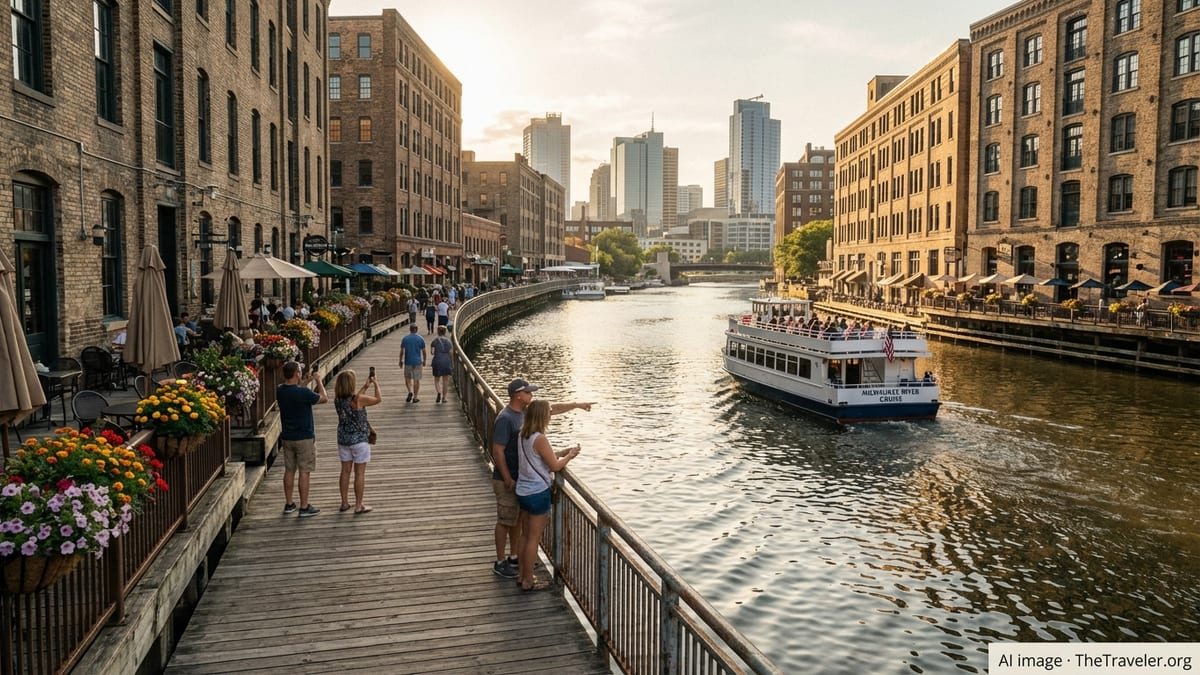
Milwaukee’s compact core makes walking a viable, cost‑free option for many visitors. The RiverWalk, Historic Third Ward, sections of downtown and portions of the lakefront sit close together, especially in warmer months. During winter, icy sidewalks and wind off Lake Michigan can make walking less appealing, which in turn nudges more travelers toward paid transit or rideshares. Factoring seasonal weather into your transit planning can help you avoid surprise rideshare bills when conditions discourage long walks.
Attractions, Museums and Entertainment Prices
Milwaukee’s headline attractions are fairly priced relative to similar institutions in other U.S. cities. The Harley‑Davidson Museum, one of the city’s signature draws, currently lists standard adult admission in the mid‑twenties in dollars, with discounts for seniors, students, military and children, and free entry for very young visitors and certain members. The Milwaukee Art Museum typically prices its adult tickets in a comparable range, while smaller niche museums and historic homes often charge lower fees. For a short city break, it is reasonable to budget for one paid museum or attraction per day, then fill the rest of your time with free or low‑cost experiences.
Outdoor and cultural offerings help keep entertainment budgets under control. Walking the lakefront, exploring neighborhoods such as the Historic Third Ward or Bay View, or taking in public art and local architecture cost little beyond perhaps a coffee or snack. Summer brings a dense schedule of festivals at the lakefront grounds, including well‑known multi‑day music events. These have their own ticket structures that can be significant, particularly for all‑day or multi‑day passes, but there are also many smaller community festivals and park events with low or suggested donations.
Nightlife spans from brewery taprooms and neighborhood taverns to concert halls and sports arenas. Ticket prices for big‑name touring acts or major league games will mirror national patterns rather than offer local bargains, especially once service fees are added. However, local music venues, improv and theater spaces, and minor‑league or college sports can be pleasantly affordable, often costing less than a big‑city equivalent. With a bit of planning, visitors can build an itinerary that mixes one or two big‑ticket events with several low‑cost evenings.
Seasonality, Events and How Timing Changes Your Budget
When you choose to visit Milwaukee may have as much impact on your costs as how long you stay. Peak season, roughly from late May through early September, coincides with the most pleasant weather and a full calendar of festivals and outdoor events. During these months, hotel occupancy rises and nightly rates often follow suit, especially around marquee weekends when downtown and lakefront properties book out well in advance. Dining rooms are busier, and certain popular attractions and lakefront activities may introduce or increase seasonal surcharges.
Shoulder seasons in spring and fall can offer a sweet spot between price and experience. Early May and late September into October often feature milder weather with fewer crowds and more moderate room rates. Some seasonal attractions, such as outdoor dining patios or boat tours, may operate on reduced schedules, but the core museums, breweries and neighborhood experiences remain available. Travelers willing to risk a little weather unpredictability can often save noticeably on accommodation while still enjoying much of what makes the city appealing.
Winter is where Milwaukee can become particularly cost‑effective on paper. From late November through March, aside from specific holidays or big sporting events, hotel competition for visitors intensifies. Nightly rates at downtown properties can drop relative to summer peaks, and last‑minute deals are more common. The trade‑off is substantial: short days, lake‑effect wind and snow can limit outdoor exploration and change the character of the trip. Visitors who enjoy indoor attractions, brewery tours, performing arts and cozy dining may find that winter delivers strong value for money, provided they pack appropriate cold‑weather gear.
Saving Money Without Missing Milwaukee’s Character
Milwaukee rewards visitors who travel with a flexible mindset and a bit of research. One of the simplest ways to save is to choose a hotel slightly away from the tight downtown core, then rely on a mix of walking, buses and occasional rideshares. Staying in neighborhoods that still have good transit or easy rideshare access, while forgoing premium lake views, can trim a substantial amount from your nightly lodging bill without sacrificing safety or convenience.
Another strategy is to structure your days around free or low‑cost experiences and then selectively pay for one marquee attraction. For example, you might devote a morning to the Milwaukee Art Museum or Harley‑Davidson Museum, then spend the afternoon walking the RiverWalk, exploring public markets or strolling the lakefront. That approach keeps ticket expenditures contained while still giving you a strong sense of place. Many museums and attractions also offer occasional discount days, evening hours or bundled pricing, so it is worth checking current offerings closer to your trip.
On the food front, mixing inexpensive breakfasts and lunches with one sit‑down dinner most days can keep your overall spending at a comfortable level. Take advantage of hotel breakfasts when available, look for lunch specials at restaurants that are pricier at dinner, and explore local bakeries, coffee shops and markets for affordable options. Tapping into Milwaukee’s rich tavern and brewery culture does not have to be expensive either: ordering local draft beer instead of cocktails, sharing flights rather than full pours, and visiting neighborhood bars outside big game nights can all stretch your bar budget further.
The Takeaway
Measured against major U.S. city breaks, Milwaukee remains a generally affordable destination, particularly for travelers who are willing to plan ahead and make a few strategic choices. Lodging, food and local transport all sit in a mid‑range band that will not feel like a windfall bargain but often comes in lower than more famous urban getaways. At the same time, the city offers plenty of cost‑free experiences, from lakefront walks to neighborhood exploration, that allow visitors to balance a few paid attractions with many low‑cost hours.
If you lock in accommodation outside the most in‑demand event dates, use public transit or walk when practical, and lean on a mix of casual and sit‑down dining, Milwaukee can deliver rich cultural experiences at a sensible overall price. For travelers deciding whether the city fits their budget, the most accurate description may be this: Milwaukee is not the cheapest place you can go, but it is a place where your travel dollars still go respectably far, especially compared with higher‑profile American city breaks.
FAQ
Q1. Is Milwaukee generally cheaper to visit than Chicago?
Yes, in most cases Milwaukee is cheaper than Chicago for hotels, dining and day‑to‑day expenses, though individual deals and event weeks can narrow that gap.
Q2. How much should I budget per day for a mid‑range trip to Milwaukee?
A reasonable mid‑range daily budget for one person, excluding airfare, often falls somewhere between moderate and upper‑moderate three‑figure amounts in U.S. dollars, depending on lodging and activities.
Q3. Are Milwaukee’s public transport fares high?
Milwaukee County bus fares increased recently but still sit in a moderate range by U.S. standards, and daily and weekly fare caps help keep frequent use relatively affordable.
Q4. When are hotel prices highest in Milwaukee?
Hotel prices are typically highest in summer, especially during major festivals, big sports events and busy weekends along the lakefront, when demand for central rooms surges.
Q5. Can I visit Milwaukee on a tight budget?
Yes, budget travelers can keep costs low by staying outside the downtown core, using buses or walking, focusing on free lakefront and neighborhood attractions and limiting paid activities.
Q6. Are museum and attraction tickets expensive in Milwaukee?
Tickets for major museums and attractions are moderately priced compared with other U.S. cities, with adult admission usually in a mid‑range bracket rather than at the very high end.
Q7. Is eating out in Milwaukee affordable?
Eating out is relatively affordable if you rely on casual restaurants, markets and quick‑service spots, reserving higher‑end dining and cocktails for occasional splurges.
Q8. Does visiting in winter make Milwaukee significantly cheaper?
Winter visits often bring lower hotel rates and some travel deals, but you will trade off better weather and certain outdoor activities for those savings.
Q9. How much will I spend on nightlife in Milwaukee?
Nightlife costs vary, but local bars and smaller music venues are generally gentler on the wallet than large concert halls or big professional sports events.
Q10. What is the best simple way to keep my Milwaukee trip affordable?
The single best tactic is to book accommodation early for non‑event dates, then pair free activities with selective spending on one or two key attractions you care about most.