

Milwaukee sits on the western shore of Lake Michigan, a Great Lakes city known for its brewing heritage, lakefront festivals, revitalized downtown, and easygoing Midwestern charm. Like many American cities, it has neighborhoods that feel relaxed and walkable alongside areas grappling with higher crime and traffic safety challenges. For travelers, the key question is not simply whether Milwaukee is safe, but how to experience the city in an informed, street-smart way. This guide looks at what visitors can realistically expect today and how to plan a trip that feels both rewarding and secure.
How Safe Is Milwaukee Compared With Other Cities?
Milwaukee has a mixed safety profile. It is not among the very safest midsize cities in the United States, but it also is not the most dangerous. Independent crime perception indexes typically place Milwaukee in a broadly similar range to other large Midwestern cities such as Chicago and Indianapolis, with residents reporting moderate concerns about property crime, vehicle break-ins, and some violent crime in specific neighborhoods, especially at night. For most short-term visitors who stick to central, well-used districts and follow common urban precautions, serious incidents remain relatively uncommon.
Travelers should understand that overall crime statistics fold together very different parts of the city. Neighborhoods with persistent disinvestment and higher levels of gun violence can raise citywide numbers even though most tourists are unlikely to spend time there. At the same time, central areas that visitors frequent, including the downtown business core, the Historic Third Ward, and the lakefront, benefit from concentrated investment, more visible security, business improvement districts, and crowd presence, all of which contribute to a safer feeling on the ground, particularly during daytime and early evening hours.
Online safety rankings and crowdsourced surveys tend to show that residents feel more concerned about issues like theft and reckless driving than about targeted attacks on visitors. Travelers are most likely to encounter annoyances such as aggressive driving, late-night disorder near bars, or opportunistic petty theft if valuables are left unattended. With a realistic understanding of these risks and some basic planning, most visitors find Milwaukee manageable and even comfortably familiar compared with other urban destinations of similar size.
It is also important to distinguish between perception and personal experience. Local tourism continues to grow, downtown residential development is active, and the city hosts major events that draw large regional crowds. These indicators suggest that, while real safety challenges exist, especially in certain corridors, Milwaukee remains a functioning, livable city where visitors are welcome and can safely enjoy the cultural, culinary, and waterfront attractions that have put it on more travelers’ maps.
Where Visitors Tend to Stay and Spend Time
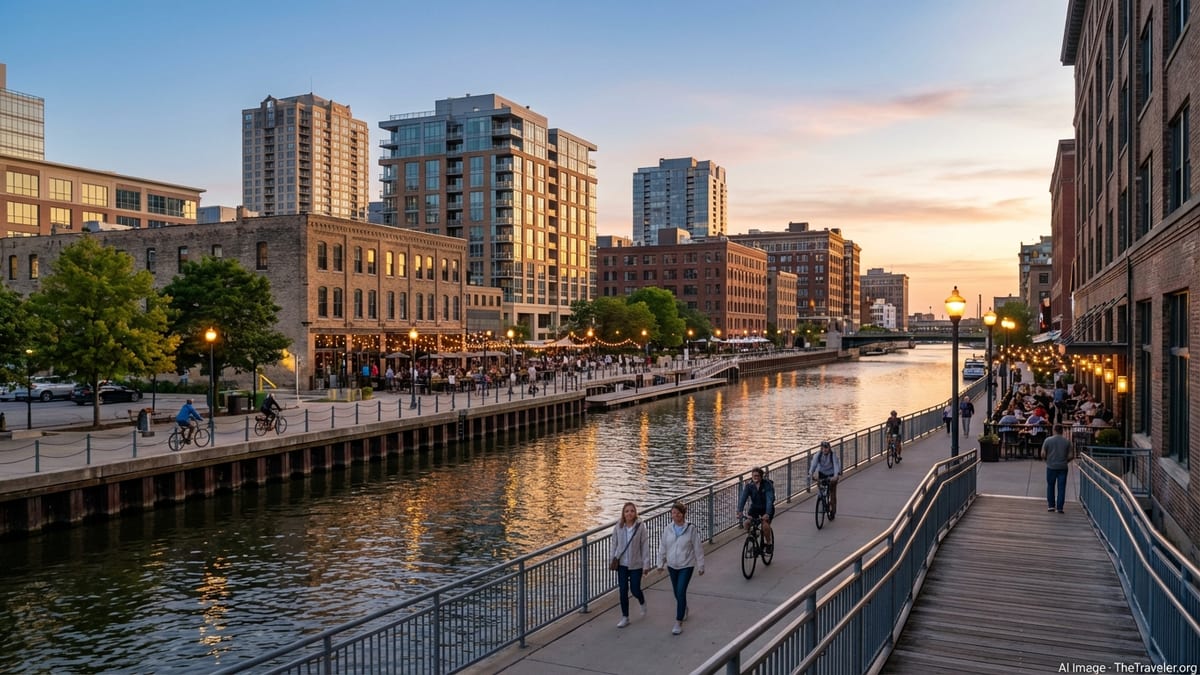
Most travelers base themselves in or near downtown Milwaukee, where the majority of hotels, large venues, and major attractions are located. The compact central core includes the RiverWalk, an attractive pedestrian path along the Milwaukee River, the entertainment and dining clusters around Wisconsin Avenue and Water Street, and the arena district anchored by Fiserv Forum. These areas are generally busy on weekdays with office workers and on evenings and weekends when games, concerts, and festivals are underway, contributing to an overall feeling of activity and oversight.
Immediately south of downtown, the Historic Third Ward is one of Milwaukee’s most visitor-friendly districts. Once a warehouse and industrial zone, it is now home to lofts, independent boutiques, art galleries, the Milwaukee Public Market, and a growing number of restaurants and bars. Streets here are walkable and well lit, and the area sees a steady flow of locals and tourists throughout the day, especially during warm-weather months and on weekends. While normal city precautions still apply, this neighborhood is widely perceived as one of the safer and more polished parts of the city for visitors to stroll, shop, and dine.
To the east, the Lake Michigan shoreline is a major draw. The lakefront park system includes beaches, marinas, and multiuse trails, and links to destinations such as Discovery World and festival grounds used for large events. During daylight hours and on event days, the lakefront feels particularly active and family friendly. As with waterfronts in many cities, it is sensible to be cautious after dark in isolated stretches, but the main paths and event areas remain popular with walkers, joggers, and cyclists who prize the open views and fresh air.
Other neighborhoods attract visitors depending on their interests. The East Side, centered around North Avenue and Brady Street, mixes student energy with long-running bars and eateries, and can feel lively late into the night. Walker’s Point, just southwest of downtown, is known for dining, nightlife, and a growing brewery scene. These districts offer a rich sense of local culture, but they also demand a bit more street smarts after dark, when alcohol, crowds, and traffic can combine to raise the risk of minor incidents. Sticking to main commercial streets, using licensed transport, and moving in groups can help keep nights out enjoyable and low risk.
Crime, Violence, and What They Mean for Travelers
Milwaukee, like many American cities, continues to confront issues related to gun violence, property crime, and reckless driving. Local news periodically reports clusters of shootings, particularly in residential neighborhoods far from the main tourist corridors. In response to incidents in and around downtown entertainment districts, city officials have periodically rolled out targeted safety plans that include increased police presence during peak nightlife hours, stricter enforcement of curfews for minors, and tighter rules for late-night food trucks and street gatherings. These efforts are designed to prevent large, unruly crowds from spilling into violence or disorder near bars and clubs.
For visitors, the most relevant crime concerns are typically opportunistic rather than targeted. Theft from vehicles in parking lots or on side streets can be an issue, especially when bags, electronics, or shopping are left in plain sight. Petty theft such as pickpocketing or grabbing unattended items on bar patios or hotel lobbies can occur, particularly during busy events when people are distracted. In entertainment districts, alcohol-fueled disputes sometimes escalate into fights, and on rare occasions, nearby bystanders can be affected if weapons are involved.
At the same time, the city and county have embraced broader public safety strategies that go beyond traditional policing. Milwaukee’s Blueprint for Peace outlines a public-health approach to violence prevention, emphasizing community engagement, addressing root causes, and building stronger neighborhoods. County leaders have also signed on to Vision Zero principles, an international framework aimed at eliminating traffic deaths and serious injuries through better street design, speed management, and enforcement. For travelers, these initiatives translate into ongoing infrastructure projects, public awareness campaigns, and incremental changes that can improve everyday safety on streets and sidewalks.
Realistically, a typical visitor who stays in central areas, uses common hotel and restaurant districts, and avoids high-risk behaviors such as walking alone down poorly lit side streets at 2 a.m. is unlikely to encounter serious crime. The risks in Milwaukee are comparable to those in many similarly sized metropolitan areas: present and worth respect, but manageable with ordinary caution. Travelers who are already comfortable navigating urban environments in the United States will find that the habits they use elsewhere apply neatly here.
Downtown Safety Measures and City Initiatives
Over the past several years, Milwaukee has invested in a layered approach to downtown safety that combines visible presence, environmental design, and targeted enforcement. The Milwaukee Downtown business improvement district deploys Public Service Ambassadors, often easily recognizable in branded attire, who act as walking concierges, eyes and ears on the street, and a reassuring presence for residents, workers, and visitors. Their role includes offering directions, observing street activity, reporting maintenance issues, and coordinating with law enforcement when needed. Clean Sweep Ambassadors and graffiti removal teams focus on tidiness, which research has shown can subtly reinforce a sense of order and safety.
Following several high-profile incidents near busy nightlife corridors, city officials announced additional measures focused on the core entertainment streets. These have included increasing police patrols during late-night and early-morning hours, experimenting with drone technology for crowd monitoring in dense nightlife zones, and coordinating with the county sheriff’s office to deploy mobile booking facilities near downtown. The goal of these steps is to respond quickly to disruptive behavior, deter violence in and around bar clusters, and prevent isolated incidents from escalating during peak hours when thousands of people may be moving between venues.
Traffic safety has also become a priority. Milwaukee County has committed to Vision Zero, which has led to a series of workshops and planning efforts to redesign dangerous corridors with features like narrower lanes, better crosswalks, protected bike lanes, and traffic-calming measures. In and around downtown, proposed projects include new or improved plazas and street reconstructions intended to slow vehicles, create safer spaces for pedestrians and cyclists, and make public areas more comfortable for everyday use. For visitors, these changes may show up as construction zones in the short term but should ultimately make walking and biking more secure.
Beyond formal initiatives, the city benefits from an active calendar of events that draw diverse crowds into central areas. Regular foot traffic to museums, markets, arenas, and festivals encourages a degree of “natural surveillance” that tends to discourage some types of crime. The presence of security staff at major venues, private building security in office and residential towers, and hospitality staff in hotels and restaurants adds another layer of informal oversight. None of these measures guarantees perfect safety, but together they create a more structured and monitored environment in the places most visitors are likely to spend their time.
Practical Safety Tips for Enjoying Milwaukee
Visitors who take a few simple steps can greatly increase their comfort while exploring Milwaukee. Start by choosing accommodation in a well-established hotel district, such as downtown or the Historic Third Ward, where you will be close to major attractions and less dependent on late-night travel through unfamiliar areas. When booking, consider factors like lighting around the property, 24-hour front desk service, secure parking options if you are driving, and proximity to transit or rideshare pickup zones. Once on site, take a moment to orient yourself using a paper map or offline map app so you feel confident walking or riding between key points.
When moving around the city, try to travel with companions after dark and stay on main streets where other people are present. The RiverWalk, main downtown avenues, and Third Ward corridors generally see steady foot traffic, especially during warm weather and on event nights. Avoid cutting through alleys, vacant lots, or very quiet side streets late at night. If an area feels unexpectedly deserted or uncomfortable, trust your instincts and reroute to a busier corridor or call a rideshare or taxi. Most visitors find that these simple habits are enough to maintain a sense of control and security even when exploring nightlife spots.
Pay attention to belongings in the same way you would in any city. Keep wallets and phones in front pockets or zippered bags, and avoid leaving bags draped over chair backs or on the ground in crowded bars or restaurants. In cars, lock doors, close windows, and keep valuables out of sight; ideally, do not leave items in the vehicle at all, but if you must, store them in the trunk before you park. At festivals, sports events, and lakefront gatherings, agree on a meeting point in case your group becomes separated and keep phones charged so you can reconnect easily.
Road safety deserves particular attention. Milwaukee’s efforts to combat reckless driving are ongoing, but visitors may still encounter high speeds, sudden lane changes, or drivers running red lights at some intersections. As a pedestrian, use marked crosswalks, obey signals, and remain alert even when you have the walk sign. As a driver, allow extra space, avoid distractions, and be conservative at green lights where cross traffic may be trying to beat the signal. Cyclists should favor designated bike routes and protected lanes when available, wear lights and reflective gear at night, and follow standard traffic rules. These basic strategies help offset the risk posed by drivers who are rushing or inattentive.
Getting Around: Transport and Nightlife Considerations
Milwaukee is relatively compact, and many central attractions are within a short walk or ride of downtown hotels. The city’s bus network, operated by Milwaukee County Transit System, connects downtown with the lakefront, university areas, and outlying neighborhoods, and a modern streetcar line, known locally as The Hop, provides a convenient way to move around parts of the central core. During major events, additional shuttles or special services may operate. These modes are generally safe to use during the day and early evening, but as with transit anywhere, it is wise to stay aware of your surroundings, keep bags close, and avoid drawing attention to valuables.
Rideshare services and licensed taxis are widely used for late-night trips, particularly to and from nightlife districts like Water Street, Brady Street, the Third Ward, and Walker’s Point. When using a rideshare, verify the vehicle’s license plate and driver name before getting in, sit in the back seat, and share your trip details with a trusted contact if you are traveling alone. If a driver makes you uncomfortable or the car does not match the app, cancel the ride and request another. Many visitors find that relying on rideshares after a certain hour is more comfortable than walking long distances through quiet streets.
Milwaukee’s nightlife is a big part of its appeal, from craft breweries and cocktail lounges to music venues and dance clubs. The same elements that make a night out fun also introduce some risk, particularly when alcohol, crowds, and late hours intersect. To stay safe, set limits on drinking, keep close tabs on your drink at all times, and order directly from the bar rather than accepting drinks from strangers. Travel with friends, check in with each other regularly, and make a plan for getting back to your hotel before the night begins, including identifying a designated driver or agreeing to use rideshare or taxi services.
Large events and festivals on the lakefront or at major venues come with their own set of considerations. Plan arrival and departure routes in advance, park in well-lit, official lots when driving, and give yourself extra time so you are not pressured to cut across traffic or rush through crowded intersections. Be mindful of crowd dynamics; if an area feels uncomfortably packed, look for less congested walkways or viewing spots. Security screening at major festivals, stadiums, and arenas is now standard and is designed to keep prohibited items out. Cooperating with these procedures and observing posted rules helps create a safer environment for everyone.
Traveling With Families, Solo, or on Business
Milwaukee can be a family-friendly destination, especially during the warmer months when outdoor attractions shine. The lakefront parks, museums, and kid-focused venues offer plenty of low-stress activities. Families may prefer to be back at their hotel by late evening, choosing to enjoy daytime festivals, matinee games, and early dinners. When out with children, keep younger kids close in busy spaces, designate meeting points in museums or markets, and use wristbands or cards with contact information in case a child becomes separated. Most family-oriented attractions have visible staff and clear procedures for reuniting lost children with parents.
Solo travelers often appreciate Milwaukee’s blend of walkability and manageable scale. Many solo visitors feel comfortable exploring central neighborhoods on foot during the day, ducking into cafes, art spaces, and breweries, or following the RiverWalk. At night, especially late on weekends, it can be prudent for solo travelers to shift from walking to rideshares, particularly if they have been drinking or are heading to a quieter part of town. Sharing itineraries with a friend or family member back home, checking in periodically, and avoiding very intoxicated environments can further enhance safety without limiting a sense of freedom.
Business travelers typically spend much of their time in and around downtown hotels, the convention center, and nearby restaurants. These areas are among the most heavily policed and serviced in the city, with good lighting, regular foot traffic, and ample transport options. Standard conference routines, such as walking between meetings and group dinners, pose little extra risk when basic precautions are observed. If work commitments extend into late hours, arranging transportation through the hotel, using valet services, and avoiding carrying laptops or work bags through nightlife-heavy blocks can reduce the chances of theft or opportunistic targeting.
For all traveler types, situational awareness remains the single most useful tool. This means noticing who is around you, staying off your phone when crossing streets or moving through unfamiliar neighborhoods, and having a clear sense of where you are going rather than appearing lost or distracted. When something feels off, stepping into a busy business, asking a hotel concierge for guidance, or choosing a different route can prevent small problems from becoming larger ones. Milwaukee residents are generally approachable and willing to offer directions or advice, which can also help visitors navigate comfortably.
The Takeaway
Milwaukee is a city in transition, balancing reinvestment in its core, ambitious public safety and transportation goals, and ongoing challenges related to crime and traffic violence. For travelers, this reality translates into a nuanced safety picture. Central districts where visitors are most likely to stay and play benefit from visible security measures, active business improvement efforts, and regular crowds that provide a sense of life and oversight. At the same time, incidents do occur, especially late at night around nightlife corridors and in some outlying neighborhoods, and it is important not to treat the city as risk free.
In practice, most visitors who plan ahead, stay in well-traveled areas, and use standard city smarts have trouble-free trips. Simple habits like keeping valuables secure, using official transportation after dark, paying attention at intersections, and moderating alcohol consumption go a long way. Travelers familiar with other large U.S. cities often find Milwaukee’s scale and Midwestern approachability make it easier to manage than larger coastal metros, while still offering a full slate of cultural, culinary, and lakefront experiences.
If you approach Milwaukee as a real, lived-in city rather than a controlled resort, you can balance caution with curiosity. Respect local conditions, heed your instincts, and make use of the resources the city has invested in to keep its downtown and visitor districts clean, welcoming, and safe. Do that, and you will be well positioned to enjoy what Milwaukee does best: great food and drink, vibrant events, and waterfront views that may surprise you.
FAQ
Q1. Is Milwaukee generally safe for tourists?
Milwaukee is reasonably safe for tourists who stick to central neighborhoods, stay aware of their surroundings, and follow typical big-city precautions, especially at night.
Q2. Which areas of Milwaukee are best for visitors to stay in?
Most visitors choose downtown, the Historic Third Ward, or nearby lakefront areas, which offer hotels, attractions, and relatively busy, well-lit streets.
Q3. Is it safe to walk around downtown Milwaukee at night?
Walking on main downtown streets and the RiverWalk in the early evening is common, but after late-night bar hours many travelers prefer taxis or rideshares instead of long walks.
Q4. How concerned should I be about violent crime?
Serious violent crime tends to cluster in specific neighborhoods and late-night hotspots. Visitors are more likely to face petty theft or disorder than targeted violent incidents.
Q5. Are Milwaukee’s festivals and lakefront events safe?
Major festivals and lakefront events have security, crowd management, and clear rules. Staying with your group, watching belongings, and planning your transport keeps them enjoyable and safe.
Q6. Is public transportation in Milwaukee safe for travelers?
City buses and the downtown streetcar are generally safe during the day and early evening. As with any system, stay alert, keep valuables close, and avoid very empty vehicles late at night.
Q7. What are the biggest safety issues I might notice?
Visitors most often mention reckless driving, late-night bar district disorder, and opportunistic theft from cars or distracted people in crowded places.
Q8. Can I safely visit Milwaukee with children?
Yes. Families regularly visit museums, the lakefront, and downtown attractions. Choosing daytime activities and returning to your hotel by late evening keeps the experience low stress.
Q9. How should I handle parking and driving in Milwaukee?
Use well-lit, official lots or structures, lock your car, remove valuables from sight, and drive defensively, watching for speeding or red-light-running by other motorists.
Q10. What should I do if I feel unsafe while visiting?
If you feel unsafe, move to a busier, well-lit area, step into a business or hotel lobby, and consider calling a taxi or rideshare. In emergencies, contact local authorities immediately.