

Minnesota has long attracted visitors with its pristine lakes, vibrant Twin Cities, and famously friendly locals. In 2026, however, travelers are asking new questions about safety, from changing crime patterns to highly publicized protests and intense winter storms. The reality is nuanced: for most visitors who plan ahead and stay aware of local conditions, Minnesota remains a generally safe destination. This guide walks you through what to know before you go, so you can make informed decisions and enjoy your trip with confidence.
Overall Safety Picture: How Minnesota Compares
Viewed at the statewide level, Minnesota is not among the highest-crime states in the United States. Recent federal crime statistics show that both violent and property crime rates in Minnesota sit below the national average, and the overall crime rate has edged downward in the last year. In other words, the typical visitor who sticks to well-traveled areas and uses standard urban precautions is unlikely to encounter serious crime simply because they are in Minnesota.
That statewide picture, however, masks some important differences. Crime is not spread evenly across Minnesota. Rural areas and many of the state’s popular outdoor destinations tend to see lower levels of violent crime and are often perceived as very safe by visitors. By contrast, parts of Minneapolis and St Paul have higher rates of both violent and property crime than the state as a whole, especially specific neighborhoods that most tourists are unlikely to visit. Like many larger American cities, those urban cores require a bit more situational awareness.
The key takeaway is that Minnesota is broadly comparable to many other popular US destinations when it comes to safety. Travelers who understand the difference between statewide averages and local hot spots, keep an eye on current events, and make sensible choices about where and when they move around the state can usually explore comfortably.
As you plan, it helps to think of Minnesota as two overlapping experiences. There is the big-city energy of the Twin Cities metropolitan area, with its cultural institutions and nightlife, and there is the more relaxed rhythm of lake towns, small cities, and state or national parks. Each comes with a slightly different safety profile, and each rewards preparation in different ways.
Crime, Urban Areas, and Practical Precautions
The majority of international and domestic travelers who come to Minnesota spend at least some time in the Minneapolis–St Paul metro area. These cities offer world-class theaters, restaurants, breweries, sports venues, and museums, but they also reflect the challenges faced by many US urban centers. Property crime such as theft from vehicles, burglary, and vehicle theft makes up a large share of reported incidents in Minneapolis. Violent crime is concentrated in specific neighborhoods and tends to be far less common in central business districts, hotel corridors, and major attractions, especially during the daytime.
For visitors, the biggest realistic risk is opportunistic theft. Unlocked vehicles with valuables left in view are tempting targets. Simple habits make a significant difference: avoid leaving luggage or shopping bags visible in a parked car, store passports and spare cash in hotel safes when possible, and keep phones and cameras secure in busy areas. Walking with purpose, remaining aware of your surroundings, and avoiding displays of expensive items in late-night environments go a long way toward reducing risk.
Nightlife districts in Minneapolis and St Paul can be lively and generally safe, but as in any city, alcohol-fueled disputes and occasional street crime are more common late at night, especially around bar closing times. Stick to well-lit streets, favor reputable venues, and consider using licensed taxis or app-based ride services after dark instead of walking long distances through unfamiliar areas. If a particular street or gathering feels tense or chaotic, trust your instincts and change direction.
Beyond the Twin Cities, many smaller cities such as Duluth, Rochester, and Mankato see lower rates of violent crime than large metros, but petty theft and occasional vandalism still occur. In rural areas and resort communities, crime against visitors is relatively rare, though unsecured cabins, vehicles, or gear can still attract opportunists. A cautious but relaxed mindset is appropriate: lock doors, secure valuables, but do not feel compelled to view every interaction as a threat.
Protests, Immigration Enforcement Tensions, and Civil Unrest
In early 2026, Minnesota, particularly Minneapolis and St Paul, has been at the center of heightened tensions related to federal immigration enforcement. Large-scale operations by immigration authorities, fatal encounters involving activists, and clashes at demonstrations have drawn extensive coverage from national and international media. Some European governments have even urged their citizens to remain especially vigilant in parts of Minnesota where protests are more likely.
For most travelers, these developments do not translate into daily danger, but they are important context. Protests and counter-protests have tended to cluster in specific areas of Minneapolis and, at times, near hotels or federal buildings where officers are believed to be staying. While many gatherings remain peaceful, some have escalated into confrontations with law enforcement, including arrests, property damage, and the use of crowd-control measures. The atmosphere on the ground can shift quickly from calm to tense.
As a visitor, the safest approach is to avoid demonstrations altogether, even if they appear peaceful and even if you are sympathetic to the cause. Crowds can move suddenly, streets can be closed without warning, and the presence of police or federal officers can increase the likelihood of rapid escalations. If you learn that protests are planned near your accommodation, consider adjusting your route, timing, or, if feasible, staying in a different neighborhood without known protest activity.
Check local news sources and your home country’s travel advisories before and during your stay. Pay attention to hotel staff or local contacts who may have up-to-date information on areas to avoid on a given day. If you accidentally encounter a protest or police operation, do not stop to film or approach. Instead, leave the area calmly, follow instructions from clearly identified officials, and move toward quieter streets. These precautions help you minimize the chance of being swept up in events unrelated to your trip.
Weather, Seasons, and Natural Hazards
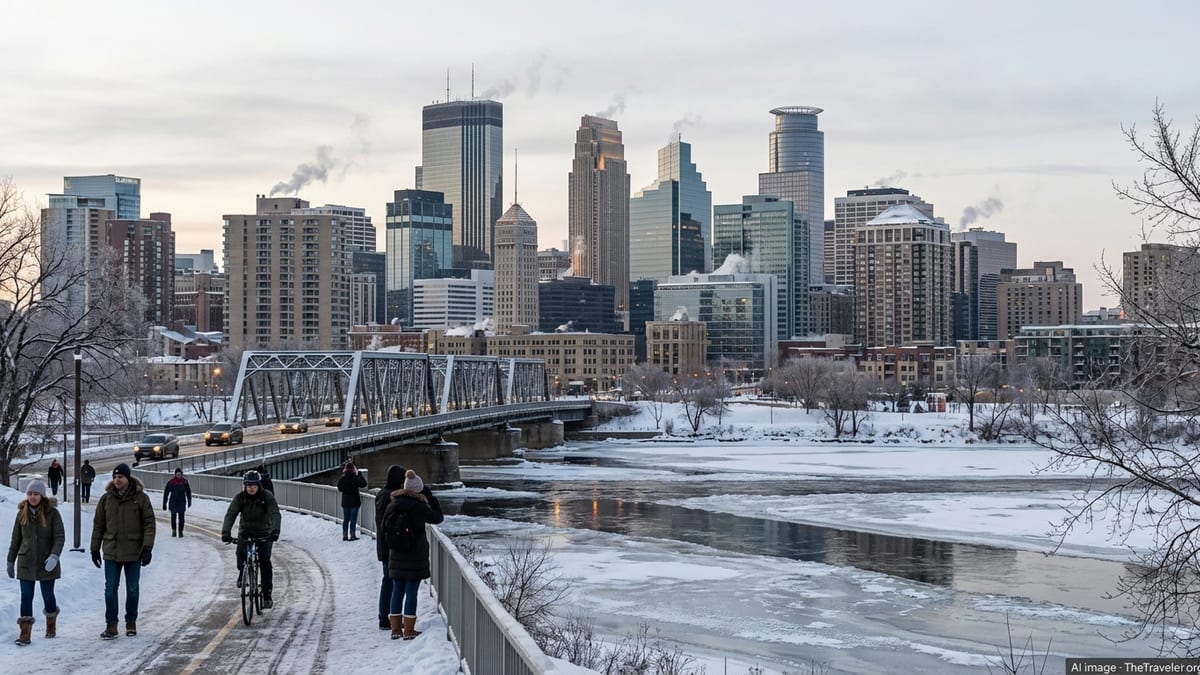
Weather is one of the most important safety considerations for anyone visiting Minnesota. The state is famous for its long, cold winters, and that reputation is well earned. State and local agencies emphasize that you should expect subzero temperatures at some point every winter, along with snow, ice, and strong winds that can transform a routine drive or short walk into a serious hazard. Storm systems can trigger no-travel advisories on major highways, and visibility can deteriorate rapidly as snow and wind intensify.
Travelers who visit between roughly November and March should treat winter preparation as a core safety measure, not an optional extra. That means packing clothing designed for layering, including a moisture-wicking base layer, insulating mid-layer, and waterproof outer shell. Hats, gloves, scarves, and insulated boots with good traction are essential if you plan to spend any time outdoors. Exposed skin can be vulnerable to frostbite in extreme cold, particularly when windchill is significant, so minimize time outside when temperatures plunge and always check the forecast before day trips.
Driving presents additional risks. Minnesota transportation and public safety agencies consistently warn that winter brings an increase in crashes, even though summer months often see more fatal collisions overall. Slippery roads, blowing snow, and black ice require slower speeds, longer following distances, and greater patience, especially around snowplows. When a major storm is forecast, authorities may advise against all nonessential travel on affected highways. Visitors unfamiliar with local conditions should heed these warnings and, when in doubt, delay or reroute rather than attempting to “push through” dangerous weather.
Outside winter, Minnesota’s climate is generally hospitable to travel. Spring and fall can be cool and damp, with occasional storms, while summers are warm or hot with the potential for severe thunderstorms and, on rare occasions, tornadoes. In warm months, the main natural nuisances are mosquitoes and ticks, the latter of which can carry diseases such as Lyme disease. Using insect repellent, doing tick checks after hikes, and following park ranger guidance will address most concerns. Lakes and rivers are central to Minnesota’s outdoor appeal, so remember basic water safety: wear life jackets on boats, respect posted warnings, and be cautious on unfamiliar shorelines or currents.
Transportation Safety and Getting Around
Most visitors to Minnesota rely on a mix of rental cars, rideshares, and walking in urban areas. The extensive highway network and scenic byways make road trips attractive, but they also place you within the state’s broader traffic safety picture. Minnesota’s overall road safety record is similar to many other Midwestern states, with a strong emphasis by authorities on reducing speed-related and impaired-driving crashes. State campaigns regularly highlight that summer often brings the highest number of traffic fatalities, while winter tends to see the highest number of total crashes due to weather.
In the Twin Cities, driving is straightforward for those used to American urban highways, but congestion around rush hours and during sports events can be significant. Allow extra time to reach airports, stadiums, and downtown venues, and avoid aggressive lane changes or speeding to make up lost time. If you are uncomfortable driving in a new city, consider using rideshare services, taxis, or light rail options that connect Minneapolis–Saint Paul International Airport to downtown areas. These options can be especially appealing late at night or during adverse weather.
Winter driving demands special respect. State safety advisories remind motorists to slow down for conditions, avoid using cruise control on snow or ice, and maintain significant space behind snowplows. If you are renting a vehicle in winter, choose one with good tires and, ideally, modern safety features. Keep your fuel tank at least half full in cold conditions, and carry basics such as warm clothing, a small shovel, and a phone charger. In remote areas or on long drives between towns, it is prudent to tell someone your route and expected arrival time in case a storm or breakdown leaves you temporarily stranded.
Public transit is more limited outside the Twin Cities, so in smaller cities and rural areas, you will likely rely on a car. Pedestrians and cyclists should be cautious at crossings, particularly in winter when snowbanks and shorter daylight hours can reduce visibility. Use marked crosswalks where available, wear visible clothing after dark, and assume that drivers may have difficulty stopping quickly on slick surfaces even if they see you.
Outdoor Recreation, Lakes, and Wilderness Safety
One of Minnesota’s biggest draws is its outdoor recreation. From the Boundary Waters Canoe Area Wilderness in the north to the Mississippi River and countless state parks, the state invites hiking, paddling, fishing, snowshoeing, and skiing. These activities are a major reason many travelers feel safe and relaxed in Minnesota, but the wilderness setting introduces its own set of risks that deserve respect.
In summer, the primary concerns are weather, water safety, and getting lost. Weather fronts can move quickly, bringing lightning, strong winds, or sudden temperature drops to what began as a calm day on the water. Always check the forecast and inform someone of your plans before heading out on boats or backcountry trails. Life jackets should be worn, not just stored on board, and extra caution is warranted on cold or rough water, where hypothermia can set in quickly if you capsize.
In winter, frozen lakes and rivers are integral to Minnesota culture, supporting ice fishing, snowmobiling, and skating. However, state safety campaigns repeatedly warn about thin ice, particularly early and late in the season or near inlets, outlets, and bridges. Ice thickness can vary dramatically even on the same lake. Unless you are traveling with an experienced local or guide, it is safest to stay off ice that has not been explicitly checked or designated for recreation by authorities. Falling through ice into frigid water can become life-threatening in minutes.
Wildlife encounters are generally manageable if you respect animals’ space and avoid feeding them. Black bears live in parts of northern Minnesota but rarely bother visitors who store food properly and keep their distance. Ticks, as noted, are a more common issue than large animals; long pants, repellents, and post-hike checks reduce risk. Cell reception can be limited in remote forests or along the North Shore, so carry a paper map or downloaded offline maps as a backup to your phone.
Health, Personal Conduct, and Legal Considerations
Health care access in Minnesota is generally strong, particularly in the Twin Cities and in regional centers such as Rochester, home to one of the world’s leading medical institutions. For routine issues or minor injuries, urgent care clinics and hospital emergency departments are widely available. International visitors should ensure they have adequate travel insurance that covers care in the United States, where medical costs can be high without coverage.
Travelers should also be aware of local laws and expectations around personal conduct. Alcohol is available in bars, restaurants, and stores, and public intoxication is frowned upon even in nightlife districts. Driving under the influence is heavily penalized and vigorously enforced. Cannabis laws have been evolving in parts of the United States; before your trip, verify the current status of recreational and medical marijuana in Minnesota and, whatever the law allows, avoid crossing state or national borders with any controlled substances.
Interactions with law enforcement can feel different than at home, especially for visitors from countries with distinct policing cultures. In Minnesota, as elsewhere in the United States, you are generally expected to follow lawful orders from police, keep your hands visible, and avoid sudden movements during traffic stops or on-foot encounters. Current tensions around immigration enforcement have increased the visibility of federal agents in some areas, but ordinary travelers who are not involved in protests or immigration issues rarely have direct contact with them. Carry valid identification, comply calmly if spoken to, and ask politely if you are free to go when appropriate.
Social norms in Minnesota emphasize politeness and personal space. Locals are often happy to offer directions or suggestions, but it is wise to avoid sensitive political discussions unless you know the people well. In bars, sporting events, or crowded public spaces, a friendly but low-key demeanor helps prevent misunderstandings. As in any destination, trusting your instincts about people and situations is one of your most reliable safety tools.
The Takeaway
So, is Minnesota safe for travelers in 2026? For the vast majority of visitors who plan ahead, stay informed, and use common sense, the answer is yes. Statewide crime levels are generally below the US average, and most popular destinations, from downtown museums to lakeside cabins, can be enjoyed without serious incident when you take basic precautions against theft and stay aware of your surroundings.
At the same time, it would be misleading to ignore the real challenges the state is navigating. Certain neighborhoods in the Twin Cities continue to experience higher rates of crime. Highly visible immigration enforcement operations and protests have created pockets of tension and uncertainty in parts of Minneapolis and St Paul. Minnesota’s winter weather can be unforgiving, turning roads and sidewalks hazardous and occasionally bringing travel to a halt. These realities do not make the state off-limits, but they do mean that preparation is essential.
For a safe and rewarding trip, combine good information with flexible planning. Check weather forecasts and road conditions before long drives. Stay alert to local news and avoid protests or large, unpredictable gatherings. Choose accommodations in well-reviewed areas, secure your belongings, and respect the natural environment when you head outdoors. If you do these things, you will likely discover the Minnesota that residents are proud of: a place of lakes and forests, art and music, warm conversations over coffee, and an enduring sense of community in the face of hard winters and complex times.
Ultimately, safety in Minnesota, as in most destinations, is a partnership between travelers and the place they are visiting. By bringing awareness and respect, you can experience the best of the state while minimizing risks, leaving with memories of northern lights, riverfront skylines, and quiet pine forests rather than emergencies or close calls.
FAQ
Q1. Is Minnesota generally safe for tourists right now?
For most tourists, Minnesota remains generally safe. Crime rates statewide are below the US average, and visitors who avoid protests, stay aware in urban areas, and prepare for weather usually have trouble-free trips.
Q2. Are Minneapolis and St Paul dangerous to visit?
Minneapolis and St Paul have neighborhoods with elevated crime, but main tourist areas, central business districts, and major venues are typically safe when you use normal big-city precautions, especially during the day and early evening.
Q3. How concerned should I be about protests and immigration raids?
Protests and immigration operations have created tension in parts of the Twin Cities, but they are focused on specific locations and communities. As a visitor, you greatly reduce risk by steering clear of demonstrations and any visible law-enforcement actions that are not directed at you.
Q4. What are the biggest safety risks in Minnesota in winter?
The main winter risks are extreme cold, icy roads, poor visibility during snowstorms, and unsafe ice on lakes or rivers. Dressing properly, checking forecasts, and avoiding nonessential travel during severe storms are key safeguards.
Q5. Is it safe to drive in Minnesota if I am not used to snow?
It can be safe if you are cautious, but winter driving requires slower speeds, longer stopping distances, and comfort with reduced traction. If you lack experience, consider avoiding long drives during storms and using public transport or rideshares when conditions are poor.
Q6. Are rural areas and lake country safer than the cities?
Rural areas and lake regions generally have lower violent crime rates and feel very safe, though theft from unlocked cars, cabins, or boats can still occur. Standard precautions, such as locking doors and securing valuables, remain wise.
Q7. What health issues should travelers be aware of?
In winter, frostbite and hypothermia are concerns if you are unprepared for the cold. In warmer months, mosquitoes and ticks are the main nuisances, so bug repellent and tick checks after hikes are recommended.
Q8. Is public transportation in the Twin Cities safe to use?
Light rail and buses in the Twin Cities are widely used and generally safe, especially during daytime and early evening. As on any transit system, stay alert, keep valuables close, and avoid isolated stops late at night when possible.
Q9. How can I stay informed about safety during my trip?
Monitor local news, weather forecasts, and official advisories from state or national authorities. Hotel staff and local tourism offices can also provide timely guidance on areas to avoid and conditions on the roads or trails.
Q10. Do I need to take special safety steps as a solo traveler?
Solo travelers should follow the same precautions as others but may want to be extra deliberate about sharing itineraries with someone back home, avoiding isolated areas at night, and choosing well-reviewed lodging in central, well-lit neighborhoods.