

I went to Mozambique with a head full of glossy Instagram shots: empty white sand beaches, whale sharks gliding through clear water, and seafood platters for the price of a coffee back home.
What I actually found was more complicated and more interesting. Mozambique gave me some of the best ocean experiences I have ever had, but it also pushed my comfort zone on safety, infrastructure, and costs that were higher than I expected.
It is not a country I would recommend blindly to everyone, but under the right conditions it can be unforgettable.
First Impressions: A Country That Does Not Try To Be Easy
My trip began in Maputo, and within the first 24 hours it was obvious that Mozambique is not trying to be the next turnkey beach destination. Arriving at the airport felt straightforward enough, but the moment I stepped outside, the chaos kicked in. Taxis had no meters, prices were vague and heavily negotiable, and my driver casually mentioned carjackings at night while we jolted through traffic with the windows firmly closed. It set the tone: I was in a place where vigilance was not optional.
The city itself hit me with contrasts. On one side, modern cafes, business hotels, and expats working on laptops. On the other, crumbling colonial buildings, rough sidewalks, and very visible poverty. I had read in official travel advisories that crime and carjacking are an issue in Maputo and other cities, and it did not feel like overcautious government language. After dark, the city’s energy shifted. I stuck to short taxi rides between well-known places instead of walking, which is not how I usually like to experience a city.
Yet Maputo was not all red flags. I found an unexpectedly sophisticated food scene that felt worlds away from the rough streets outside. I ate grilled prawns doused in peri-peri that were easily among the best I have tasted anywhere, and I sipped local beer on a rooftop bar watching a ridiculous sunset over the bay. Mozambique’s coastline is every bit as beautiful as the photos suggest, even when you are looking at it from a slightly edgy capital.
Beaches: Wild, Beautiful, And Not Quite The Postcard
The main reason I went to Mozambique was the beaches, particularly Tofo and the islands off Vilankulo. The drive from Maputo north to Tofo took most of the day and reminded me that Mozambique is a huge country with infrastructure that is still catching up. The main road was mostly paved but scarred with potholes, and police checkpoints broke up the journey. None of my interactions with police turned ugly, but the requests to see paperwork felt more like opportunities to look for mistakes than actual safety checks.
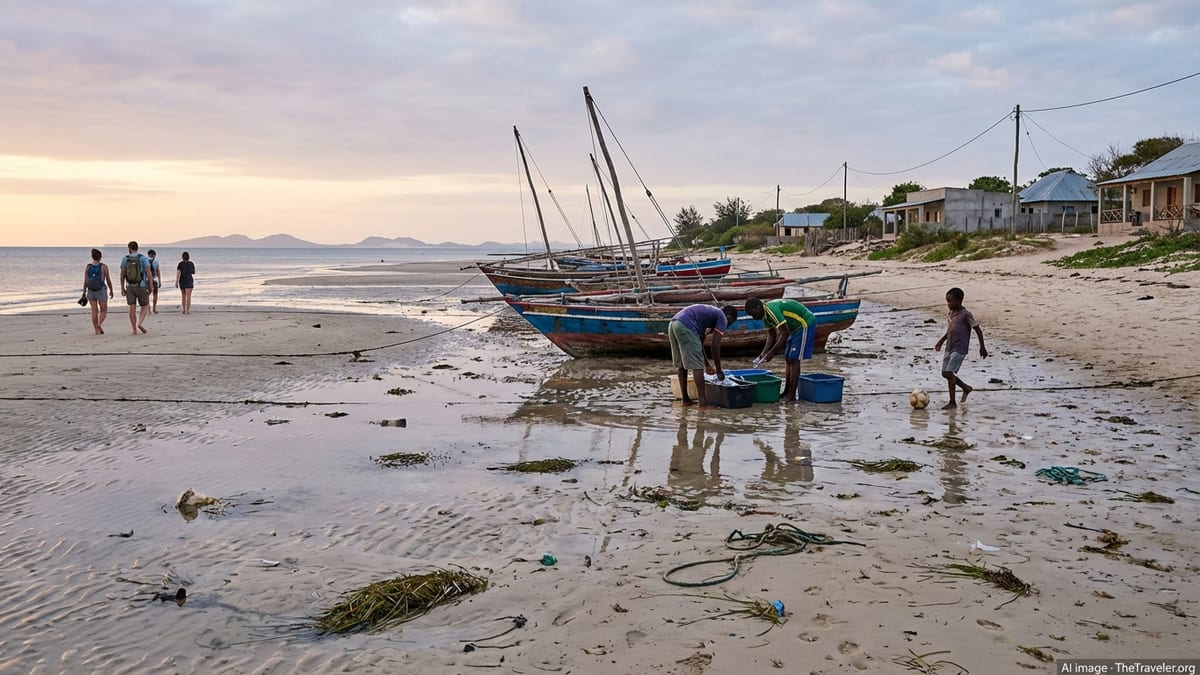
Tofo itself is gorgeous at first glance. A wide, curved bay, golden sand, rolling surf, and simple guesthouses tucked into the dunes. Walking down the beach at dawn, with fishermen pulling in their nets and dhows anchored offshore, felt genuinely special. It was also blissfully uncrowded. On several mornings I could walk for twenty minutes and see only a handful of people. For anyone tired of over-developed beach towns, this is instantly appealing.
But Tofo is not a pristine, polished paradise. Trash management is a work in progress; I came across clusters of plastic and old fishing gear washed up on the sand. The beach is long enough that it never felt ruined, but those dreamy drone shots you see online often avoid the messier patches. Around the village, stray dogs, uneven sandy tracks, and sporadic power cuts are part of daily life. I liked the low-key, lived-in feel, but if you are expecting something like Mauritius or a carefully manicured resort in the Maldives, you will be disappointed.
Further north, Vilankulo and the Bazaruto archipelago delivered the kind of water color that seems fake in photos. Shallow sandbars, still turquoise lagoons, and dunes tumbling into the sea were as spectacular as anything I’ve seen in the Indian Ocean. Yet even there, the edges showed. Boat operators often had patchy English, safety briefings were minimal, and it was clear that if something went wrong offshore, help would not be quick.
Underwater Highlights: Whale Sharks, Reefs, And Hard Realities
If Mozambique has a trump card, it is what happens offshore. I planned my trip in the dry season to maximize chances of seeing whale sharks and manta rays near Tofo. Dive shops and travel guides describe this stretch of coast as one of the best places in the world for these animals. That is not hype. On my second ocean safari, a massive whale shark appeared out of the blue-green water, and I slid in from the boat to swim alongside it for a few breathless minutes that made the whole journey feel justified.
The diving itself, though, was more mixed than I expected. Conditions were often rough: strong currents, choppy surface, and long, bumpy zodiac rides to the sites. Entries and exits were not gentle strolls down a ladder; they were back-rolls into waves and clambering back onto an inflatable with your gear while the boat bucked around you. I enjoyed the sense of adventure, but it is a long way from the calm, beginner-friendly reefs you might encounter in Southeast Asia or the Caribbean.
Underwater visibility varied dramatically. Some dives were crystal clear, with rays looping gracefully over cleaning stations and clouds of reef fish. Others were murky, with surge and limited visibility that turned the experience into a slightly stressful workout. I met several travelers who had come specifically to see whale sharks and mantas and left disappointed after several days of bad conditions and no sightings. Operators are generally honest about this, but online marketing can give the impression that encounters are almost guaranteed. They are not.
There was also the unmistakable sense of a fragile ecosystem under pressure. Several older divers mentioned that fish life and shark numbers used to be much higher. I saw some evidence of coral damage, likely from storms, warming seas, and unmanaged anchoring. To their credit, many local dive centers seemed serious about conservation and responsible interactions, but this is still a developing coastal destination where enforcement is patchy.
Cities And Towns: Gritty, Lively, And Occasionally Draining
Beyond the beaches, Mozambique’s cities and towns were both fascinating and exhausting. Maputo was the most intense. During the day I could wander along the main avenues lined with jacaranda trees, pop into old cafes, and admire crumbling art deco architecture. At the same time, I had to be constantly aware of my bag and pockets. Several locals warned me firmly about wearing a camera around my neck or using my phone openly on the street.
Inhambane, the small coastal town near Tofo, felt calmer and more approachable. It had a faded colonial charm, a peaceful bay, and a slower rhythm. I liked wandering its market and waterfront, but I also noticed how limited services were. ATMs were sometimes out of cash, small shops did not accept cards, and electricity cuts were not rare. Simple tasks like buying a local SIM card or finding a functioning bank machine took more effort than they would in more mature tourist destinations.
Vilankulo, the jumping-off point for the Bazaruto islands, fell somewhere in the middle. It had decent guesthouses, some thoughtful eco-lodges, and a scattering of restaurants aimed at visitors. Yet the town itself felt rough around the edges. Sandy roads, patchy street lighting, and visible inequality between resorts and local neighborhoods made it hard to ignore that tourism money does not trickle evenly through the community.
What surprised me most in the cities was how little mass tourism there actually is. Outside a few known hubs, I met almost no other foreign travelers. In some ways that was refreshing. In others, it meant there was less tourist-oriented infrastructure: fewer reliable bus options, fewer established local tour operators, and less English spoken than I expected. If you like the comfort of a well-worn backpacker trail with easy onward connections and trip-planning help at every corner, Mozambique will feel sparse.
Money, Costs, And Value For What You Get
Before arriving, I assumed Mozambique would be significantly cheaper than more developed beach destinations. That turned out to be only partially true. Everyday local costs can be very low. Fresh fruit in markets, local street food, and basic bus rides are inexpensive. Where the budget starts to creak is in anything related to tourism, comfort, or convenience.
Decent mid-range accommodation in places like Tofo and Vilankulo cost more than I expected, especially for properties with reliable hot water, decent mattresses, and backup power for frequent outages. Beachfront lodges and boutique guesthouses that would be mid-priced in Europe or North America suddenly felt like a splurge in a country where average incomes are so low. Cheaper options existed, but they often came with compromises: intermittent water, poor security, or locations far from the beach down dark, unlit tracks.
Activities were another budget pinch point. Ocean safaris, guided dives, and island trips were priced at levels comparable to or higher than similar tours in other parts of the world. On paper, the rates made sense considering fuel costs, boat maintenance, and relatively low visitor numbers. In practice, they added up quickly. A few full-day excursions to Bazaruto or multiple dive days can easily push a “cheap beach escape” into mid-range or expensive territory.
Food was again a story of two worlds. Eating in local joints with plastic chairs and basic menus was very affordable, and many meals were delicious. But if I wanted something closer to Western-style dining, with consistent hygiene standards and some ambiance, prices jumped significantly. I do not regret what I spent on grilled seafood and cold beer in scenic spots, but I would no longer describe Mozambique as a bargain for travelers who expect a certain level of comfort.
Safety, Health, And The Emotional Load Of Traveling Here
I am not an especially nervous traveler, but Mozambique demanded more mental energy from me than many other destinations. Before going, I read government advisories that recommend increased caution due to crime, health issues, and periodic unrest, and that explicitly warn against travel to some northern regions. On the ground, those warnings felt justified, even though I stayed in the relatively calmer southern and central areas.
In the cities, petty crime and the possibility of armed robbery or carjacking changed the way I moved around. I avoided walking at night, kept valuables hidden, and relied heavily on trusted taxi drivers and guesthouse recommendations. In beach areas, people were more relaxed, but even there I was advised not to bring valuables to the shore and to be cautious after dark. None of this ruined my trip, but it chipped away at the carefree feeling I usually associate with coastal holidays.
Health and infrastructure were also on my mind. Public healthcare is limited, and I knew that a serious injury or illness would likely require evacuation to another country. Pharmacies were not consistently stocked, and clean water was not something I could assume without asking. Power cuts were normal, and during the rainy season, extreme weather and flooding can severely disrupt roads and basic services. I narrowly missed one such episode and heard from locals about how isolating and dangerous it can become when rivers burst their banks and key routes are cut.
All of this added an emotional weight to the experience. I was constantly balancing the thrill of wild beaches and big marine life against a background hum of “what if” scenarios and minor hassles: police checkpoints, sudden itinerary changes, and the need to be more guarded than usual. For some travelers, that edge will feel like part of the adventure. For others, it will be more stress than they want on a holiday.
Getting Around: Long Distances, Patchy Transport, And Trade-Offs
Transport was one of the most frustrating aspects of my trip. Mozambique is long and thin, stretched along the Indian Ocean, and the places most visitors want to see are separated by hundreds of kilometers. Domestic flights were limited and not always reliable, with schedules subject to change and prices relatively high for what you get. That left buses, shared minibuses, and private transfers as the main options.
Local minibuses, known as chapas, are very cheap but not particularly comfortable or safe by international standards. Vehicles are often overcrowded and in poor condition, travel times are unpredictable, and breakdowns or long delays are common. I used them selectively for short sections, but given the distances involved, I largely avoided relying on them for long hauls.
Private transfers and shuttles solved some of those problems but raised others. They were significantly more expensive, and journeys still took a very long time. The theoretically eight-hour drive between Maputo and Tofo easily stretched with roadworks, checkpoints, and slow trucks. Driving yourself is an option, but with reports of carjackings, corrupt police, and variable road conditions, it is not a casual choice for most travelers.
Boat transport along the coast is not as developed as one might imagine for a country with so much shoreline. For island trips, you are essentially tied to local dhows and motorboats arranged through lodges or beach operators. These are memorable and atmospheric, but they are not part of an integrated national transport system. It means that planning a multi-stop itinerary around the country requires more time, money, and flexibility than many people are used to.
Expectations vs Reality: Who Mozambique Is Really For
Looking back, the biggest gap between my expectations and reality was around ease and polish. I knew Mozambique was less developed than some of its neighbors, but I still subconsciously expected something closer to a classic resort destination. Instead, I encountered a place where tourism is growing but still rough-edged, layered over complex social and economic realities.
If your idea of a good trip is lying by a pool with a cocktail while everything runs smoothly in the background, Mozambique will likely frustrate you. Reliable service, efficient transport, and well-oiled logistics are not the country’s strengths. You need patience, backup plans, and a tolerance for discomfort. Even simple things like withdrawing cash or finding a working card machine can occasionally be annoying.
On the other hand, if you are the kind of traveler who values raw beauty, cultural authenticity, and the sense that you are not just moving along the same conveyor belt as everyone else, Mozambique has a lot to offer. The moments that stay with me are not of perfection but of intensity: swimming next to a whale shark, sharing grilled fish in a beach shack with my feet in the sand, or watching kids play football at sunset on an empty stretch of beach with the Indian Ocean as a backdrop.
Would I go back? Yes, but I would do it differently. I would plan more time in fewer places instead of trying to cover distance. I would build in rest days after long transport legs. I would accept from the outset that some planned activities might not happen because of weather, logistics, or simple bad luck. With those adjustments, I think the frustrations would feel smaller and the rewards even greater.
The Takeaway
So, is Mozambique worth visiting? For me, the answer is yes, but only if you go in with clear eyes. This is not a budget version of a polished Indian Ocean resort country. It is its own thing: a place of staggering natural beauty, welcoming people, and extraordinary marine life, intertwined with serious structural challenges and safety concerns that you have to take seriously.
If you are an experienced traveler who has already navigated less developed countries, who does not need constant comfort, and who is willing to invest both money and energy into reaching remote coastlines, Mozambique can be deeply rewarding. It is especially compelling if you are passionate about the ocean, diving, or simply being far from mass tourism. You will earn your sunsets and your whale shark encounters, and that effort makes them feel more meaningful.
If, however, you are looking for a low-stress beach break, traveling with young children, or uneasy about security and medical infrastructure, I would hesitate to recommend Mozambique as a first choice for now. There are other destinations where the beaches are almost as beautiful, the logistics are easier, and the background risks are lower. That does not mean Mozambique should be written off, but it does mean it belongs later on the list, once you are sure you want a trip that is as much about resilience as relaxation.
In the end, I am glad I went. Mozambique challenged my assumptions about what a beach holiday should be and reminded me that the most powerful travel memories often sit right next to discomfort and uncertainty. I would not repeat the trip in exactly the same way, but with better pacing, more research on seasonal conditions, and realistic expectations, I believe the balance can tip firmly toward the unforgettable rather than the frustrating.
FAQ
Q1. Is Mozambique safe for tourists right now?
Safety in Mozambique is mixed. In the south and in established tourist areas like Maputo, Tofo, and Vilankulo, I felt reasonably safe by following local advice, avoiding walking at night, and using trusted taxis or drivers. However, crime and carjacking are real concerns in cities, and some northern regions are affected by terrorism and are not recommended for travel. It is important to check current government advisories, stay updated on local news, and travel with heightened awareness.
Q2. How expensive is Mozambique compared with other beach destinations?
Daily local costs such as markets and basic food can be very cheap, but anything aimed at tourists is not a bargain. Mid-range guesthouses, ocean safaris, diving, and island trips are often priced similarly to or higher than equivalents in more established destinations. If you want comfort and organized activities, expect your overall budget to sit in the mid-range to high bracket rather than backpacker-cheap.
Q3. When is the best time to visit Mozambique for beaches and marine life?
I aimed for the dry season, roughly from May to October, to maximize beach time and chances of seeing whale sharks and manta rays around Tofo and Bazaruto. Sea conditions and wildlife sightings vary by month and year, and nothing is guaranteed, but during this period the weather is generally more stable, humidity is lower, and there is less risk of heavy rain and major flooding disrupting transport.
Q4. Do I need to rent a car, or can I rely on public transport?
You can get around without renting a car, but it is not always comfortable or efficient. Local minibuses are cheap but can be overcrowded and slow, while private shuttles and transfers are much more expensive. Renting a car gives you flexibility but comes with its own issues: rough roads, long distances, police checkpoints, and the risk of carjacking in some areas. I found a mix of prearranged transfers and occasional local transport to be a workable compromise, though not always stress free.
Q5. What were the biggest disappointments of your trip?
The main disappointments were logistical rather than scenic. Long, tiring journeys, occasional power and water cuts, and the constant need to think about safety chipped away at the carefree feeling I had hoped for. Underwater, I also had a few dives with poor visibility and no big sightings after spending a fair amount of money, which is always frustrating when expectations have been built up by glowing reports.
Q6. Are Mozambique’s beaches really as beautiful as the photos?
In many places, yes, they are. Long, uncrowded stretches of sand, clear water, and dramatic dunes are very real, especially around Bazaruto and parts of Tofo. What the photos often leave out are the imperfections: patches of washed-up rubbish, stray dogs, and informal settlements close to the sand. The beauty is undeniable, but it is not the manicured kind you might find in high-end resort destinations.
Q7. How easy is it to arrange diving and whale shark trips?
In established hubs like Tofo, arranging these activities is straightforward. Several dive centers and ocean safari operators run trips in season, and most guesthouses can point you in the right direction. The challenge is not booking but managing expectations. Some days conditions are rough, visibility is poor, or the animals simply do not show up. I recommend building extra days into your stay, so you are not relying on a single outing.
Q8. What about health risks and medical facilities?
Medical infrastructure in Mozambique is limited, especially outside Maputo. Public facilities often lack supplies and equipment, and serious issues may require evacuation to another country. I traveled with comprehensive travel insurance, brought my own small medical kit, drank bottled or treated water, and was careful with food hygiene. None of this is a guarantee, but taking these precautions felt important.
Q9. Would you recommend Mozambique for families with children?
I would be cautious about recommending Mozambique for families with young children unless the parents are very experienced travelers and comfortable managing higher levels of logistical and health risk. Simple things like long travel days, unstable infrastructure, and limited healthcare could become major stress points. For older, adaptable teenagers with a taste for adventure, a carefully planned trip focusing on one or two well-established beach areas could work better.
Q10. If you went back, what would you do differently?
On a return trip, I would slow down and focus on fewer places, probably basing myself in Tofo and Vilankulo with more time in each. I would plan more rest days after travel legs, budget more generously for comfortable accommodation and reliable transfers, and visit firmly in the dry season to maximize sea conditions. I would also go in knowing that logistics will sometimes fail and treating those moments as part of the experience rather than as deviations from an imagined perfect holiday.