

New England has long attracted visitors for its historic cities, rugged coastline, charming villages, and ski mountains. For most travelers, it is a remarkably safe region, with relatively low violent crime compared with many other parts of the United States and well developed emergency services. Still, every destination has its risks. From powerful winter storms and changing coastal conditions to a rise in tick borne illnesses, it is worth understanding the real, present day safety picture before you plan a trip.
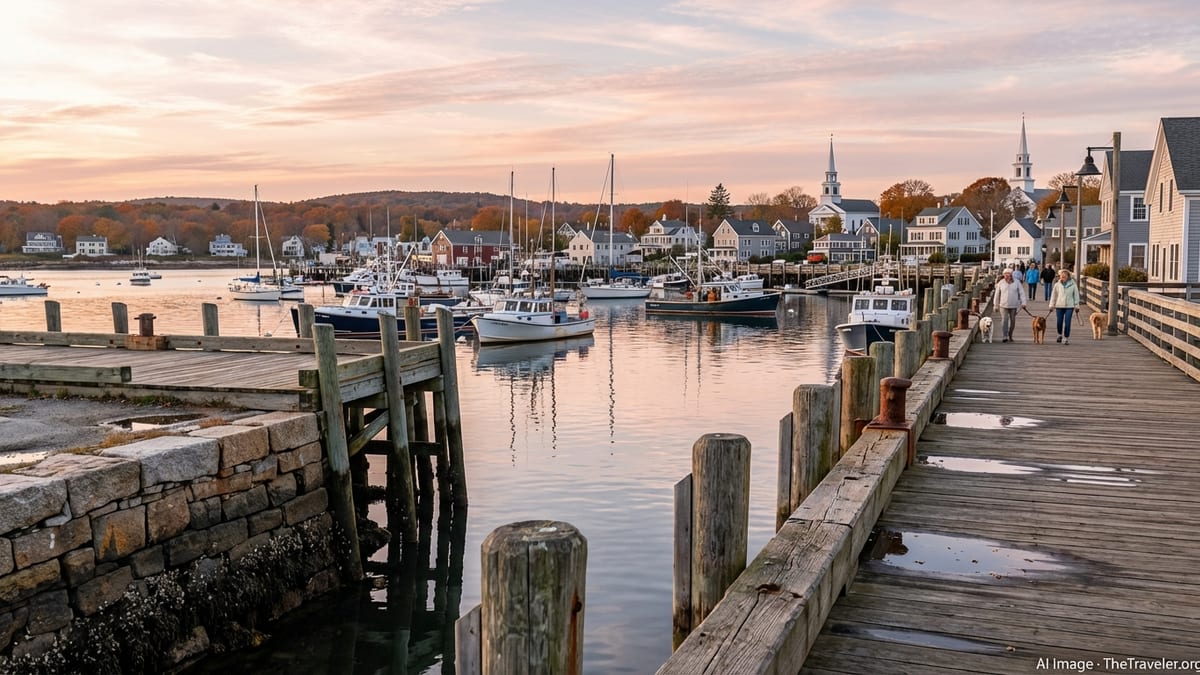
Overall Safety Snapshot: How New England Compares
For most visitors, New England feels safe, orderly, and easy to navigate. The six states that make up the region Massachusetts, Maine, New Hampshire, Vermont, Connecticut, and Rhode Island consistently rank among the safer parts of the United States in terms of violent crime rates. Major cities such as Boston, Providence, and Hartford see the kinds of urban crime common in any metropolitan area, but the vast majority of trips pass without incident when travelers use normal precautions.
Tourism is a significant part of the regional economy, so local authorities are accustomed to welcoming visitors and maintaining reliable infrastructure. Public transportation systems in Boston and some Connecticut and Rhode Island cities are well used by commuters and students, and tourist areas are generally busy and well lit. Police, fire, and medical services are widely available, including in smaller resort and college towns that see seasonal crowds.
Visitors should also keep in mind that perceptions of safety can change with the seasons. Summer and early autumn see the highest numbers of tourists, bringing crowded beaches, busy roads, and heavier nightlife in coastal communities. Winter shifts risks toward driving conditions, mountain safety, and exposure to cold. With basic awareness of these seasonal patterns, travelers can plan activities and daily routines in ways that avoid unnecessary problems.
Ultimately, New England is not risk free, but it is far from a danger zone. The key for visitors is not to be fearful, but to be informed: know where you are going, understand the specific local conditions you are likely to encounter, and prepare accordingly.
Crime, Urban Areas, and Personal Security
Crime is a concern for any traveler, but in New England it is typically not the main safety issue visitors face. Major cities do have neighborhoods where property crime and occasional violent incidents are more common, yet tourist business and university districts are routinely patrolled and heavily frequented at most hours. As in any city, pickpocketing, bag snatching, and car break ins occur most often in crowded areas, transit hubs, and parking lots rather than in museums, hotels, or restaurants themselves.
Travelers who are used to visiting large cities in North America or Europe will find the same basic street smarts work well in Boston, Providence, or New Haven. Keep valuables out of sight, do not leave luggage visible in parked cars, stay aware of your surroundings on the subway or commuter rail, and choose licensed taxis or well known ride share services rather than unmarked vehicles. At night, walk on well lit main streets and avoid poorly lit side alleys, especially if you are unfamiliar with the area.
College towns and resort communities in Vermont, New Hampshire, and coastal Maine or Cape Cod can see a different type of safety issue, particularly on summer weekends or during ski season. Alcohol related disorder, loud parties, and occasional fights are more likely in bar districts and around big sporting or festival weekends. While serious incidents remain rare, it is sensible to moderate alcohol intake, keep an eye on drinks in crowded venues, and choose officially operated transportation or a designated driver when bars close.
Solo travelers, including women and older visitors, frequently report feeling comfortable in New England, especially on main streets and popular trails during daylight hours. Standard precautions such as telling someone your plans, sharing your real time location with a trusted contact, or choosing lodgings in central neighborhoods can increase peace of mind without limiting your ability to enjoy the region.
Weather, Storms, and Seasonal Hazards
For many visitors, the single biggest safety consideration in New England is not crime but weather. The region experiences four distinct seasons, each with its own risks. Winters are cold and can be harsh, particularly in northern New England and at higher elevations. Snow, freezing rain, and sudden temperature drops create challenging driving conditions, black ice, and the potential for power outages. State transportation departments in Massachusetts, Maine, and other states publish winter travel guidance that emphasizes avoiding nonessential driving during active storms, slowing down, and preparing vehicles with winter tires, blankets, and emergency items.
Driving in snow is a normal part of life for locals, but it may surprise visitors who are unfamiliar with steep, winding rural roads or interstate highways during a blizzard. Authorities in Maine and Massachusetts remind travelers that even a short trip can become risky if conditions deteriorate unexpectedly. Advice typically includes carrying a small shovel, extra warm clothing, snacks, water, and a charged phone, and remaining with the vehicle if stranded, provided it is safe and visible from the road.
Spring and autumn bring different considerations. In spring, heavy rains can cause localized flooding, especially in low lying or coastal areas. Coastal New England is vulnerable to powerful nor’easters, which can produce strong winds, large waves, and coastal flooding comparable in some cases to weaker hurricanes. Recent research suggests that the most intense of these storms have become more destructive over the last several decades, which has implications for coastal cities such as Boston and for low lying communities on Cape Cod and along the Maine and Rhode Island shores.
Summer and early autumn overlap with the Atlantic hurricane season. While direct hits by major hurricanes are relatively rare, storms that pass offshore or weaken as they approach the region can still bring dangerous surf, rip currents, and periodic flooding. Recent storms, including systems that brushed New England from offshore, have led to temporary beach closures, ferry cancellations, and coastal flood advisories. Travelers planning coastal stays in late summer should pay attention to local forecasts, follow lifeguard guidance, and remain flexible about water activities if seas are rough.
Coastal Risks, Climate Change, and Outdoor Activities
Coastal New England is one of the great draws for visitors, from the rocky headlands of Maine to the sandy stretches of Cape Cod, Nantucket, and the Rhode Island shore. At the same time, it is a region increasingly affected by sea level rise and coastal flooding. Studies in recent years have highlighted how human caused sea level rise has intensified storm impacts in northeastern cities. Coastal communities are responding with resilience plans, flood barriers, dune restoration projects, and updated building codes, but travelers should recognize that some waterfront areas may flood during extreme high tides or storms.
Events in recent years, such as the 2024 flood in Portland, Maine, demonstrate what can happen when heavy rainfall, strong onshore winds, and an astronomical high tide coincide. Old wharf districts and low lying streets can quickly fill with water, temporarily cutting off access and damaging buildings. While such events are still relatively infrequent, visitors staying in waterfront accommodations or planning to park vehicles near harbors should heed local advisories and avoid driving through standing water on flooded roads.
On a day to day basis, the main coastal risks for travelers are more familiar ones: rip currents, cold water, slippery rocks, and strong winds. Even in summer, ocean temperatures off Maine and much of Massachusetts can be surprisingly chilly, which raises the risk of cold shock and hypothermia if someone is swept into deep water. Lifeguards on popular beaches keep close watch during peak season, but rocky, unsupervised coves and tide pools demand personal judgment. Footwear with good grip, a cautious approach to cliff edges, and respect for warning signs can prevent falls and injuries.
Sailing, kayaking, whale watching, and island ferries are all popular New England pastimes. Licensed operators monitor marine forecasts and generally cancel or reschedule trips when conditions become unsafe. Travelers should book with established companies, listen carefully to safety briefings, and be realistic about their comfort level with waves, wind, and motion sickness. When exploring harbors or walking piers, watch for wet, algae covered surfaces that can be as slick as ice.
Health Concerns: Ticks, Lyme Disease, and Other Risks
The most discussed health risk in New England today is not tropical disease, but ticks. Warmer seasons have brought longer tick activity periods, and medical and public health experts report that tick borne illnesses such as Lyme disease have become more common in the Northeast. A major review of data from northeastern states, including New Hampshire, Vermont, Maine, and Connecticut, found that a substantial share of adult blacklegged ticks carry the bacteria that cause Lyme disease, with nymph stage ticks also carrying infections, though at somewhat lower rates.
News outlets and state health departments have highlighted that recent tick seasons rank among the worst in years, with emergency department visits for tick bites rising sharply in New England and neighboring states. In 2025, for example, regional data showed emergency room visits for tick exposure in the Northeast significantly higher than the national average during peak season. Researchers also continue to track the spread of new species such as the Asian longhorned tick, recently detected in southern Maine, which has the potential to carry additional diseases even though it has not yet established a large reproducing population there.
Despite these trends, the overall risk for an individual traveler who takes basic precautions remains manageable. Ticks are most often encountered in grassy, brushy, or wooded areas, including the edges of hiking trails, stone walls, and overgrown fields. Visitors can reduce exposure by staying on clear paths, wearing long sleeves and long pants, using insect repellents recommended for ticks, and performing a thorough tick check after spending time outdoors. Showering soon after hiking or gardening can help dislodge unattached ticks, and carefully removing attached ticks within a day significantly lowers the chance of transmission.
Other health risks in New England are similar to those in much of the United States. Tap water in most communities meets safety standards, food safety regulations are robust, and hospitals and urgent care centers are widely available, especially near population centers and popular tourist regions. During extreme cold snaps or heat waves, local governments issue advisories and open warming or cooling centers. Travelers with chronic health conditions should consider how they might access medication or emergency care if a major storm disrupts power or transportation and should keep a small buffer supply of essential medicines when possible.
Transportation, Roads, and Getting Around Safely
Getting around New England is generally straightforward, but the region’s compact geography and mixed urban rural road network can create specific safety considerations. Interstate highways connect major cities and states, while smaller state and local roads wind through forests, mountains, and coastal villages. In good weather, driving conditions are usually smooth, but congestion can build quickly around Boston, on Cape Cod bridges, and along popular leaf peeping and ski routes.
Winter driving deserves special attention. Official guidance from transportation and emergency management agencies in Massachusetts and Maine stresses that motorists should avoid driving during major winter storms whenever possible. When travel is necessary, they recommend slowing down well below posted speed limits, increasing following distance, and allowing extra time for braking on icy surfaces. They also advise carrying winter emergency supplies, maintaining at least a half tank of fuel, and checking tires, wipers, and batteries before long journeys in cold conditions.
Wildlife is another safety factor, particularly in northern and rural parts of Maine, New Hampshire, and Vermont. Moose, deer, and smaller animals frequently cross roads at dawn and dusk. Moose collisions are of special concern because of the animal’s size and height, which place its body roughly at windshield level. State agencies urge drivers to reduce speed in posted wildlife areas, scan road edges carefully, and remain extra alert during low light or snowy conditions when dark coated animals are harder to see.
Public transportation is widely used in parts of the region. Boston’s subway and commuter rail networks, as well as regional buses and ferries, are generally safe and reliable. Typical urban transit safety practices apply: keeping personal belongings close, avoiding isolated platforms late at night, and following staff instructions during service disruptions. In winter, be prepared for delays as railways and airports adjust schedules during storms, and build extra time into connections to prevent rushed, risky travel choices.
Outdoor Recreation, Mountains, and Rural Areas
New England’s mountains and forests are a highlight for many visitors, offering hiking, skiing, snowboarding, paddling, and camping opportunities. They also pose hazards for those who underestimate weather, terrain, or their own abilities. The White Mountains of New Hampshire, Green Mountains of Vermont, and Maine’s high peaks can see sudden weather swings, strong winds, and temperatures far lower than in nearby valleys, even in late spring or early autumn.
Local search and rescue organizations and park authorities repeatedly stress the importance of preparation. That includes checking the detailed mountain forecast rather than relying on city weather, starting hikes early in the day, carrying extra layers and rain protection, bringing enough food and water, and letting someone know your route and expected return time. Trails can be steep, rocky, and muddy, and snow or ice may linger at higher elevations well into May or return by October. Quality footwear and trekking poles can prevent many common sprains and slips.
In winter, ski areas and backcountry routes come with their own safety protocols. Resorts invest heavily in grooming, avalanche control where needed, and ski patrols trained in first aid. Visitors should obey posted signs, respect closed runs, and match trails to their skill levels. Those venturing into ungroomed backcountry terrain in places such as New Hampshire’s Presidential Range or parts of Vermont and Maine should carry avalanche safety gear where appropriate, understand the risks of hypothermia and whiteout conditions, and consider hiring local guides if they lack experience.
Rural areas often have limited mobile phone coverage, which can complicate navigation and emergency calls. Offline maps, paper backups, and a realistic assessment of driving distances help prevent stressful situations on narrow dirt roads, especially after dark. Gas stations and services may be sparse in the northern reaches of Maine and in less developed parts of the mountains, so topping up fuel and carrying basic supplies is sensible.
The Takeaway
New England is, by almost any measure, a safe and rewarding region for travelers. It offers well maintained infrastructure, responsive emergency services, and communities that are used to welcoming visitors in all seasons. Violent crime rates are generally lower than in many other parts of the country, and most tourist focused neighborhoods feel comfortable to walk, eat, and explore.
The real safety story is more nuanced, shaped less by street crime and more by environmental and health factors. Winters can be severe, roads can be slippery, and coastal storms can briefly transform normally tranquil harbors into hazardous flood zones. Ticks and tick borne illnesses are a growing concern, particularly for hikers, campers, and anyone spending extended time in grass and brush during the warmer months.
By understanding these risks and taking practical steps to manage them preparing for the weather, driving cautiously, protecting against ticks, and staying informed through local advisories travelers can confidently include New England in their plans. Millions of visitors do so every year, returning home with memories of lighthouses and covered bridges rather than of emergencies.
If you approach your trip with respect for the natural environment and the same common sense you would use in any developed destination, New England remains not just safe to visit, but one of the most rewarding corners of the United States to explore.
FAQ
Q1. Is New England generally safe for tourists?
Yes. New England is widely considered a safe region for visitors, with relatively low violent crime rates and well developed emergency and health care services compared with many areas.
Q2. Which safety issues should I worry about most in New England?
The main concerns for most travelers are weather related hazards, such as winter storms and icy roads, coastal flooding during strong storms, and tick borne illnesses in warmer months.
Q3. Is it safe to visit New England in winter?
It is generally safe to visit in winter if you prepare for snow, ice, and cold temperatures. Check forecasts closely, avoid unnecessary driving during storms, and equip your vehicle and clothing for winter conditions.
Q4. How serious is the tick and Lyme disease risk for visitors?
Ticks are a real and growing concern, especially in spring through fall. With proper precautions such as repellents, protective clothing, and daily tick checks, the individual risk can be significantly reduced.
Q5. Are New England beaches and coastal towns safe in hurricane season?
Most coastal visits are uneventful, but late summer and early autumn bring higher chances of rough seas, rip currents, and coastal flooding from hurricanes or strong nor’easters. Following local advisories and lifeguard guidance is essential.
Q6. Is it safe to hike and camp in New England’s mountains?
Yes, provided you prepare properly. Check mountain weather, carry suitable gear, start early, and know your route and limits. Many incidents happen when hikers underestimate conditions or daylight.
Q7. How safe is driving in New England?
Roads are generally well maintained, but winter brings snow, ice, and reduced visibility, and rural areas can have wildlife hazards such as moose and deer. Drive cautiously and allow extra time, especially in bad weather.
Q8. Are New England cities safe at night?
City centers and tourist districts are usually safe if you use normal urban precautions: stay in well lit areas, keep valuables secure, and avoid obviously risky situations or heavily intoxicated crowds.
Q9. What emergency services are available for travelers?
All six states have modern hospitals, urgent care clinics, police, fire, and ambulance services. In an emergency, visitors can dial 911 for coordinated assistance virtually anywhere in the region.
Q10. What can I do before my trip to stay safe in New England?
Check seasonal weather patterns for your destination, review local advisories, pack clothing and footwear suited to conditions, carry basic medications, and learn simple tick, road, and storm safety steps relevant to your planned activities.