

New York City has a global reputation for sky high prices, but what happens to the cost of living once you leave the five boroughs behind? From the college towns of the Finger Lakes to the small cities of the Hudson Valley and the snow belt along Lake Erie, the rest of New York State offers a very different mix of housing, taxes and day to day expenses. For travelers considering longer stays, remote workers eyeing a relocation, or residents wondering if the grass really is greener upstate, understanding how expensive New York is outside New York City is essential.
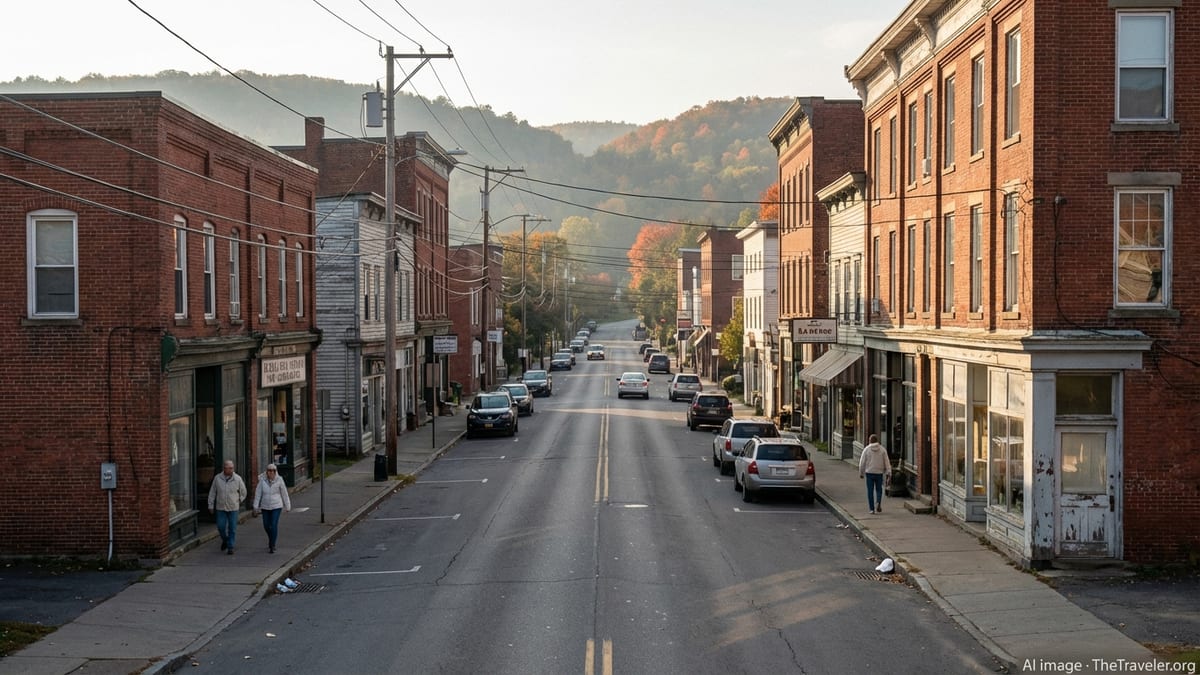
Understanding the Cost Landscape Beyond the Five Boroughs
Outside New York City, prices shift in complex ways rather than dropping uniformly at the city line. Housing is generally cheaper in most of the state than in Manhattan or Brooklyn, but demand has been climbing in many upstate markets, especially around mid sized metros such as Rochester, Syracuse, Buffalo and Albany. That has pulled home values and rents upward faster than in many other parts of the United States, even if the starting point was lower. At the same time, core expenses such as groceries, utilities and transportation do not fall as dramatically as many new arrivals expect, and New York’s high statewide tax burden applies everywhere, not just in the city.
It helps to think of New York as several overlapping regions rather than a single cost profile. The downstate counties closest to New York City, including Westchester, Rockland and much of the Hudson Valley, have housing markets shaped by commuters and second home buyers, which keeps prices elevated by national standards. Farther north and west, the Capital Region around Albany, the Mohawk Valley and the older industrial belts near Buffalo, Niagara Falls and Binghamton are still more affordable than downstate, but they have seen rapid percentage increases in home values in recent years. Rural counties in the Adirondacks and Southern Tier tend to be the least expensive on paper, yet wages are lower and housing stock older, which affects overall affordability in more subtle ways.
For travelers and would be residents, the key takeaway is that New York State outside New York City is rarely cheap in absolute terms, but it is almost always less costly than the city for housing. Whether it feels affordable in practice depends on the trade off between lower rents or purchase prices and persistently high taxes and other fixed costs that operate at the state level.
Housing Costs Across Upstate and Suburban New York
Housing is where the contrast between New York City and the rest of the state is most visible. In the city, median listing prices in neighborhoods like Manhattan and much of Brooklyn reach well into the seven figures, and rents in popular areas commonly climb toward four or five thousand dollars a month. Outside the five boroughs, those figures fall substantially, but recent market shifts mean that they no longer feel like bargains to locals. In upstate metros such as Syracuse and Rochester, average home values have remained in the low to mid two hundred thousand dollar range, which is a fraction of typical downstate prices but still a stretch for many households when mortgage rates and property taxes are considered together.
Several recent reports highlight how strong demand has become in regions long regarded as inexpensive. Housing analysts point out that cities like Syracuse, Rochester, Buffalo and Albany have recently ranked among the country’s hottest markets for sellers, with home values in some of these metros rising by several percentage points in a single year from already tight inventory. In the Capital Region, median sale prices around Albany and neighboring counties have climbed steadily, and local planning agencies have documented near double digit annual gains in some areas. In the Hudson Valley, the picture is even starker: by 2024, the median price of a home surpassed roughly three hundred thousand dollars in every county in the region, and by 2025 most counties had climbed significantly higher, with one suburban county north of the city seeing a median above seven hundred thousand dollars.
Rents follow a similar pattern. They drop quickly once you leave New York City and its immediate suburbs, but they are rising fastest in the very upstate cities that new residents often target for relative affordability. In many of these markets, smaller apartments that might once have rented for modest sums now attract remote workers and downstate migrants, pushing monthly costs upward while local incomes lag. For longer term visitors or digital nomads, it is still possible to find comparatively good value in mid sized cities and rural towns, but the days of ultra cheap upstate housing available on demand are largely gone in the most desirable communities.
At the far end of the spectrum, some rural counties and older industrial towns remain inexpensive in purely numerical terms, with purchase prices and rents well below state and national medians. Yet housing stock there is often older, with higher heating costs and more frequent maintenance needs. For someone relocating from New York City, the sticker price may be enticing, but a realistic budget should allow for repairs, winter energy bills and the cost of commuting to nearby regional centers.
Taxes and Utilities: The Hidden Costs That Follow You
One of the biggest surprises for people leaving New York City but staying within state lines is how much of New York’s tax structure remains with them. Independent analyses consistently rank New York among the states with the heaviest overall tax burdens when state and local taxes are combined. Studies using recent census and tax data place New York near or at the top in per capita state and local tax collections, and near the top when taxes are measured as a share of personal income. Wallet type rankings similarly list New York among the two or three most heavily taxed states when income, property, sales and excise taxes are combined into a single burden measure.
Outside New York City, residents do avoid the additional city specific income tax and some of the highest local sales tax combinations. However, they still face a relatively high statewide personal income tax structure that becomes more burdensome as earnings rise, along with property taxes that rank among the highest in the country once measured relative to home values. Several studies and advocacy groups focused on upstate business conditions have noted that New York’s property tax burden alone sits near the top nationally, and that overall state and local taxes typically account for more than thirteen percent of residents’ personal income. That context helps explain why upstate homeowners often describe themselves as “house rich, cash poor” when annual tax bills arrive.
Utility costs add another layer. Cold winters throughout most of New York push heating expenses higher than in milder parts of the United States, and older housing stock in many small cities and towns can be energy inefficient. Electricity and natural gas rates fluctuate by provider and region, but they are rarely rock bottom. Travelers renting older homes or cabins for a winter stay should expect significant heating charges being passed through in nightly or monthly rates. For long term residents, investing in insulation or more efficient systems can be financially wise over time, yet the upfront costs are another consideration in overall affordability.
Sales taxes are a more mixed picture. New York’s statewide rate is in the mid single digits, and local add ons bring the average combined state and local sales tax rate into the high single digits. That puts the state among the top tier nationwide, although not in the very highest bracket. For residents outside New York City, the combined rate is usually slightly lower than in the city, which layers on an additional local sales tax. New York also exempts or reduces tax on certain necessities such as unprepared groceries and some personal items, which can soften the blow for everyday purchases. Still, taken together, sales, income and property taxes keep the overall cost of living elevated even in places where a modest house might otherwise seem like a bargain.
Everyday Expenses: Groceries, Transport and Healthcare
Beyond taxes and housing, visitors and new residents often find that everyday costs outside New York City are a blend of savings and surprises. Groceries and household goods are somewhat cheaper than in the city simply because rents, wages and logistics costs for retailers are lower, but prices are not dramatically below the national average. In smaller towns and rural regions, limited competition can keep supermarket and pharmacy prices higher than travelers might expect, particularly for specialty items. Dining out is usually more affordable than in New York City’s trendiest neighborhoods, with generous portions and midrange pricing in local diners, pizzerias and family run restaurants, though upscale farm to table venues in touristy corners of the Hudson Valley or the Finger Lakes can approach downstate prices.
Transportation is one area where the cost structure changes shape rather than simply falling. Outside the metropolitan transit network that radiates from New York City, car ownership becomes the norm rather than the exception. Insurance rates in New York State are relatively high by national standards whether you live in the city or not, and registration and inspection fees are set statewide. Gasoline prices track regional averages for the Northeast, and while they may be a bit lower than at Manhattan service stations, they are not low compared with many southern or midwestern states. For city residents who previously relied on subways and buses, the cost of purchasing, insuring, fueling and maintaining a car can erode a big slice of the savings on rent.
Healthcare expenses also affect perceptions of affordability. New York generally has robust healthcare infrastructure, with regional hospitals and medical centers serving even relatively small cities. Insurance premiums, copays and out of pocket costs, however, are influenced more by federal and state rules and by employer offerings than by whether you live in Brooklyn or Buffalo. In practical terms, that means a move upstate will not dramatically change health insurance costs for most people, although there may be differences in the availability of in network providers. For retirees or people managing chronic conditions, it is worth checking access to specialists in places like Albany, Rochester and Syracuse before assuming that a lower housing cost will automatically translate into lower overall cost of living.
Regional Differences: Hudson Valley, Capital Region and Western New York
Within New York State, the cost of living outside New York City varies sharply by region. The Hudson Valley, stretching roughly from Westchester County north through Dutchess, Ulster and Columbia counties, has become an extension of the greater metropolitan area in economic terms. Commuters to Manhattan, second home buyers and remote workers have all fueled demand. In 2024 and 2025, regional housing reports documented that median home prices exceeded approximately three hundred and then three hundred fifty thousand dollars in every county, and in some of the more suburban counties the median moved well above that figure. These price points, coupled with substantial property tax bills, can make the lower Hudson Valley feel nearly as expensive as many inner ring suburbs around the country’s major cities.
Farther north, around Albany and the Capital Region, the story is slightly different. Albany, Saratoga Springs and nearby cities have seen strong housing markets with notable percentage increases in median sale prices over the last few years. Local data show that in some counties, median home values have risen by high single digit or low double digit percentages in a single year, reflecting both limited inventory and stable demand from government, education and healthcare employers. Yet the starting price levels here remain lower than in the Hudson Valley, giving the area a reputation for relative affordability among professionals who can work in the statehouse, universities or regional offices.
Western New York, anchored by Buffalo, Rochester and smaller cities such as Niagara Falls and Jamestown, has long been associated with low housing costs. Even after recent gains, typical home values in these metros still sit well below national medians, and rents for modest apartments often undercut comparable units in coastal states. The trade offs tend to involve weather, job opportunities and the condition of older housing stock. Winters around the Great Lakes are harsh, requiring more spending on heating, snow removal and winter gear, and some neighborhoods carry the long term imprint of deindustrialization in the form of aging infrastructure. For cost conscious movers who prioritize space and are comfortable with cold weather, however, this region can offer some of the best value in New York State.
Smaller regions, from the lakeside college towns of the Finger Lakes and North Country communities near the Canadian border to the rural Southern Tier, add yet more variation. In some of these areas, low housing costs are balanced by limited economic opportunity and the need to travel longer distances for work, healthcare and shopping. For travelers, that can mean lower nightly rates for vacation rentals but higher fuel and grocery bills than expected. For long term settlers, the calculation hinges on whether a lower mortgage or rent offsets the financial and lifestyle costs of relative isolation.
Quality of Life vs. Cost: What You Get for Your Money
When evaluating whether New York State is expensive outside New York City, it helps to weigh not only raw dollar figures but also the quality of life that those dollars buy. Many of the state’s upstate regions offer access to natural beauty, outdoor recreation and cultural amenities that can be hard to quantify on a budget spreadsheet. Proximity to the Adirondack High Peaks, the gorges of the Finger Lakes, Lake Ontario and Lake Erie shorelines, and the Catskill Mountains gives residents and long term visitors ample low cost or free recreational options, from hiking and skiing to boating and fishing. For some, those experiences offset the higher tax bills or utility costs that come with living in a northern, high tax state.
Smaller cities such as Ithaca, Saratoga Springs and Hudson have built reputations as lively cultural hubs with music, food and arts scenes that punch above their weight. Tickets to local theater productions, symphony performances or college sports are typically far cheaper than comparable entertainment in New York City, and parking is easier and often free. That said, the very success of these destinations can push up housing and hospitality prices, particularly in peak seasons, so budget conscious travelers may need to visit in shoulder seasons or look to less publicized nearby towns.
For families and remote workers, public services such as schools, libraries and parks play a crucial role in perceived value. New York’s heavy tax burden funds a substantial public sector, including often well resourced school districts in many suburbs and some small cities. Prospective residents should investigate local school reputations, as quality can vary from district to district even within the same county, but in many places, high property taxes are tied to strong school performance and extracurricular programs. In rural areas, tighter budgets can mean fewer services, but closer community ties and lower crime rates can be a draw.
Ultimately, the question is less whether New York outside the city is inherently expensive and more whether the lifestyle on offer feels worth the price. Those seeking a quiet small town with reasonable access to jobs and amenities may find good value in parts of the Capital Region or Western New York. Others who want quick train access to Manhattan, river views and a thriving restaurant scene may gravitate to the Hudson Valley, accepting that costs there are only moderately lower than in the outer boroughs.
Tips for Budgeting a Move or Extended Stay
For anyone planning to relocate to or spend a season in New York State outside New York City, careful budgeting can prevent unwelcome surprises. The first step is to get a realistic handle on housing costs in specific towns or neighborhoods rather than relying on statewide averages. In hot markets like the Hudson Valley or certain college towns, list prices can quickly escalate, and bidding wars are not uncommon for desirable properties. Prospective buyers should factor in not just the purchase price but also local property tax rates, which can add thousands of dollars to annual carrying costs.
Renters and digital nomads should look closely at what is included in monthly rent. In older houses or multi family conversions, utilities may be separate and can be substantial in winter. Asking landlords for typical winter heating bills and understanding whether units are insulated and updated can help avoid unpleasant shocks. In student heavy cities, leases often align with academic calendars, and rents can spike near campuses, so looking slightly farther from university cores may yield better value.
Transportation deserves its own line in any budget. Outside the orbit of New York City’s commuter rail lines and limited upstate bus routes, having a car is almost a necessity. Cost comparisons should therefore include car payments or depreciation, insurance, fuel and maintenance, especially for those moving from the city who previously relied on monthly transit passes. Some smaller cities such as Ithaca or parts of Buffalo and Rochester have walkable neighborhoods that allow a more car light lifestyle, but regional travel for work or recreation will still typically require access to a vehicle.
Finally, it is wise to build a cushion for state level taxes and fees. Newcomers from lower tax states often underestimate how much New York’s progressive income tax structure, property taxes and sales taxes all interact with their particular income and spending patterns. Consulting a tax professional or at least running detailed online calculations before committing to a move can help clarify whether an appealing rent or purchase price truly represents a net savings once all other costs are accounted for.
The Takeaway
Is New York State expensive outside New York City? Compared with the five boroughs, most of the state offers a meaningful discount on housing, along with quieter streets, easier access to nature and smaller scale communities. However, that does not make it a low cost destination by national standards. High statewide taxes, significant utility costs driven by a cold climate and fast rising home prices in many upstate and downstate regions combine to keep New York among the less affordable states overall.
For travelers planning road trips, ski weeks or summer lake stays, the cost difference from New York City will be most visible in lodging and dining, with more moderate price tags once you step away from the most fashionable enclaves. For would be residents and remote workers, the calculation is more involved: the right town can deliver more space and a better quality of life for the money, but only if you balance cheaper housing against persistent taxes, transportation needs and realistic local wages.
In the end, the rest of New York State is neither a bargain basement alternative to New York City nor simply an extension of its most extreme costs. It is a patchwork of markets where affordability depends heavily on location, lifestyle and income. Going in with clear eyes and detailed research can reveal pockets of genuine value for those willing to look beyond the postcard views and weigh the full financial picture.
FAQ
Q1. Is New York State generally cheaper outside New York City?
Yes, especially for housing. Rents and home prices usually drop once you leave the five boroughs, but statewide taxes and utilities keep overall costs relatively high.
Q2. Which areas of New York outside the city are most expensive?
The lower Hudson Valley and suburban counties closest to New York City, such as Westchester and Rockland, tend to have the highest prices, with home values near or above major metro levels.
Q3. Where can I find the most affordable housing in New York State?
Many parts of Western New York, the Southern Tier and some rural counties offer lower purchase prices and rents, though wages are often lower and housing stock may be older.
Q4. Do property taxes go down when I move out of New York City?
You lose the city specific income tax, but property taxes outside the city are often higher relative to home values, so overall tax savings may be smaller than expected.
Q5. Are utilities more expensive upstate than in the city?
They can be. Colder winters, older homes and higher heating needs often push utility bills up, especially in rural areas and snow belt cities near the Great Lakes.
Q6. Will I save money on transportation if I leave New York City?
Not usually. You may trade subway fares for car ownership costs, including insurance, fuel and maintenance, which can equal or exceed previous transit expenses.
Q7. Is food cheaper outside New York City?
Groceries and dining out are generally less expensive than in the city’s priciest neighborhoods, but in small towns with limited competition, supermarket prices may be similar.
Q8. How fast are housing prices rising in upstate New York?
In recent years, many upstate metro areas and the Hudson Valley have seen steady and sometimes rapid percentage increases as demand outpaces available inventory.
Q9. Is New York a good value for remote workers compared with other states?
It depends on priorities. Remote workers may find appealing communities and strong amenities, but high state taxes mean other regions can offer a lower overall cost of living.
Q10. For a long visit, how should I budget for an upstate stay?
Plan for moderate savings on lodging compared with New York City, similar grocery costs, a rental car or other transport, and be mindful of winter heating charges in colder months.