

Few natural attractions feel as thrilling and elemental as Niagara Falls. The sheer volume of water, the constant roar, and the mist hanging in the air can make safety feel like a secondary concern. In reality, Niagara Falls is a mature, well-managed destination on both the United States and Canadian sides, welcoming millions of visitors each year with a strong safety record. Still, this is a powerful river system, not a theme park, and accidents do happen. Understanding the real risks, how authorities manage them, and what you can do to protect yourself will help ensure your trip is memorable for all the right reasons.
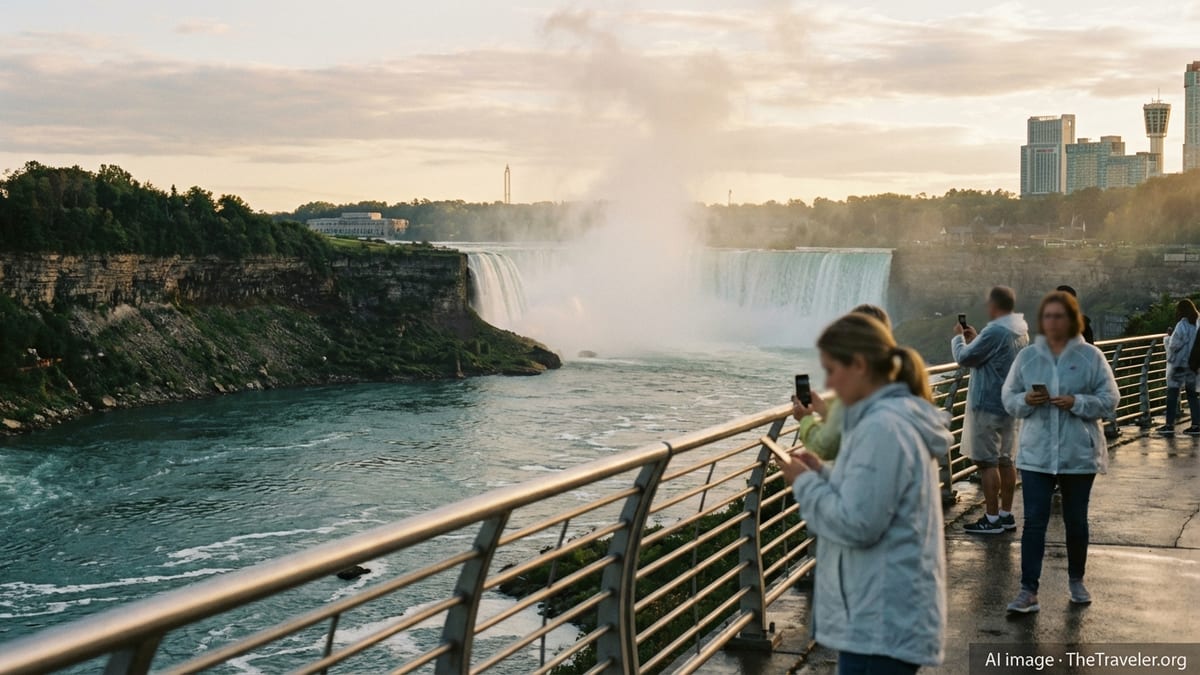
How Safe Is Niagara Falls Overall?
For most visitors, Niagara Falls is a safe place to travel, provided they respect the power of the water and follow posted rules. Both Niagara Falls State Park in New York and Niagara Parks in Ontario are long-established, heavily supervised sites with monitored walkways, railings, and clear signage wherever people come close to the river or gorge. Park authorities on each side coordinate with local police, fire departments, and dedicated rescue teams who train regularly for water rescues and medical emergencies.
Recent tourism updates indicate that the main viewing areas and parks remain open year-round, with core public spaces patrolled daily and illuminated at night. Visitor numbers remain high in peak months, but crossing data and local reporting show some decline in cross-border traffic in 2025, which mainly affects crowd levels and local businesses rather than visitor safety. Travelers who are used to major urban destinations often find that the primary risk at Niagara Falls is environmental, not crime-related.
Incidents around the falls tend to follow a familiar pattern: slips and trips on wet or uneven surfaces, minor collisions in heavy crowds, and injuries from ignoring barriers or climbing for better photos. Safety advisories and analysis of recent accident data suggest that non-fatal injuries have edged up compared with pre-pandemic years, largely due to higher foot traffic, distraction from phones and cameras, and visitors underestimating how strong the river’s current and spray can be. The overwhelming majority of these incidents are preventable when people slow down and observe the rules.
Violent crime in the core tourist districts is relatively low and heavily policed, particularly on the Canadian side where the promenade, hotels, and casino areas are saturated with security cameras and uniformed staff. In the New York section, heightened police presence around the state park and adjoining streets is standard during busy seasons. Petty theft and parking scams can appear in some commercial zones, but they are not unique to Niagara Falls and can usually be avoided with the same common-sense precautions you would take in any busy tourist town.
Understanding the Real Risks: Water, Weather and Crowds
The single greatest hazard at Niagara Falls is not crime but the river itself. The Niagara River is fast, cold, and extremely powerful, with currents and undertows that can overwhelm even strong swimmers within seconds. Local tourism agencies and park authorities repeatedly warn visitors to stay well back from the water’s edge, noting that currents can change quickly, particularly along hiking routes and near rapids downstream from the main falls. Drowning incidents are relatively rare considering visitor numbers, but when people do end up in the water, the outcomes are often severe.
Slippery conditions are another recurring safety issue. Mist from the falls drifts across paths and viewing platforms, leaving surfaces damp even on sunny days. In cooler months, that spray can freeze, creating invisible sheets of ice on steps and railings. Recent safety briefings emphasize the importance of wearing sturdy, non-slip footwear, especially if you plan to explore Goat Island, the Niagara Gorge trails, or the viewing areas immediately adjacent to the Horseshoe Falls. Smooth-soled shoes and sandals make it far easier to slip on wet stone or metal grates.
Weather magnifies these risks. In winter, snow and ice can make seemingly flat paths treacherous, and windchill near the falls often feels far colder than forecast temperatures. In spring and early summer, melting snow upstream can contribute to higher water levels and stronger spray, which means reduced visibility along railings and viewing decks. During peak summer months, heat and humidity can lead to dehydration and heat exhaustion, particularly for visitors waiting in lines for boat tours or walking long distances between attractions without water.
Crowds create a different category of risk. In July and August, and on long holiday weekends, the main viewing points can become congested, with people jostling for rail space, pushing strollers, and backing up for photos. Emergency responders and recent safety reports highlight distraction as a major factor in accidents, especially when visitors reverse toward railings for selfies, step into roadways while checking a map, or allow children to move ahead through dense crowds. Giving yourself extra time and space and keeping your hands free, rather than carrying multiple bags and devices, reduces the chance of trips and falls.
Staying Safe at Viewing Areas and Attractions
Most visitors encounter Niagara Falls through designated viewpoints, observation towers, and structured experiences like boat tours and behind-the-falls platforms. These areas are built and inspected to modern safety standards, and operators on both sides are subject to inspections by local authorities. Before boarding any vessel or entering a tunnel system, staff typically provide brief safety instructions and check that every passenger receives and properly wears a life jacket or protective gear where required.
Staying behind railings, obeying instructions, and resisting the urge to climb for a better photograph are the most effective ways to stay safe. Emergency agencies reviewing recent non-fatal incidents stress that a significant share could have been avoided if visitors had not ignored barriers or leaned over them to retrieve dropped items or capture a unique angle. If something falls over the edge, do not attempt to retrieve it yourself. Notify staff or park authorities instead; replacing a phone or sunglasses is far preferable to risking a fall.
For boat tours and platforms that take you close to the base of the falls, be prepared to get thoroughly wet and to experience strong winds and noise. Waterproof outerwear supplied by operators protects you from the worst of the spray but does not change the fact that surfaces will be slick and visibility reduced. Move carefully, keep one hand free for railings, and avoid running, especially if you are accompanying children or older relatives. Parents should discuss safety rules with children before boarding and agree on a simple plan if someone gets separated, such as staying in place and notifying crew members.
Observation towers and elevated viewpoints, including those reached by elevators or inclines, are generally well controlled environments but still require attention. Some visitors experience vertigo or anxiety when looking directly down into the gorge, particularly in windy conditions. If you feel unsteady, step back from the railing, rest against a wall or bench, and avoid sudden movements. Photography enthusiasts should use straps for cameras and keep lens changes to more sheltered spots to avoid juggling equipment near edges.
Hiking, Nature Trails and River-Level Adventures
Beyond the paved promenades, the Niagara region offers extensive trail systems and river-level experiences that feel more immersive but also more exposed. Tourism authorities in the region strongly advise hikers to stay on marked trails, not only to protect fragile plant life but also to avoid steep drop-offs, loose rock, and unexpected changes in terrain. Local guidance notes that hikers who stray from marked routes are more likely to encounter unstable ground, poison ivy, and other hazards that are less obvious from a distance.
One key safety recommendation is to dress for conditions and carry the basics: sturdy hiking shoes or boots, layered clothing, drinking water, and a fully charged phone in case you need to call for assistance. Even short trails can feel longer than expected when humidity is high or when the route includes stairs and steep gradients. Emergency responders emphasize that many rescues stem from visitors underestimating how strenuous certain paths can be, particularly near the gorge where elevation changes are abrupt.
Visitors should be especially cautious near the water’s edge along hiking routes and river walks. Niagara tourism guidance explicitly warns hikers to stay away from the river, noting that currents near rapids and whirlpools are extremely dangerous and that water levels can change quickly. Rocks that look dry from above often have a thin film of algae or moisture that makes them as slick as ice. Children and pets should be kept under close control at all times, and riverbank picnics should be set back from the edge, well behind any warning signs or fences.
For guided activities such as jet-boat rides or specialized gorge adventures, choose reputable, licensed operators and be honest about your health, mobility, and comfort level. These excursions can involve significant jolts, loud noise, sudden splashes of cold water, and strong sun reflection off the river. If you have back problems, heart concerns, or are pregnant, ask the operator directly whether the activity is suitable and whether there are more moderate alternatives available.
Cross-Border Travel, Documents and Security
One of Niagara’s unique features is its position on the border between the United States and Canada. Many visitors plan to see the falls from both sides, which generally is straightforward but does require correct documentation and awareness of customs rules. Official guidance on both sides confirms that U.S. and Canadian citizens need valid passports, passport cards, enhanced driver’s licenses, or trusted traveler program cards such as NEXUS to cross the border by land. Children under 16 have more flexible requirements but still need proof of citizenship, such as a birth certificate, and may need additional documentation if traveling without both parents.
Several international bridges serve the Niagara region, including the Rainbow Bridge that connects the downtown tourist districts of Niagara Falls, New York and Niagara Falls, Ontario and is open to vehicle traffic and pedestrians. Other crossings such as the Lewiston–Queenston and Peace bridges link regional highways and are typically used by drivers rather than walkers. Official tourism and border information services note that bridge tolls are usually charged when entering Canada, and that wait times can vary significantly by time of day, season, and special events.
Security and immigration checks at these crossings are thorough but routine. Travelers should expect to answer basic questions about their plans, length of stay, and items they are bringing across the border. Authorities on both sides advise against transporting restricted items, including certain foods, large sums of undeclared currency, and especially cannabis, which remains illegal to carry across the border even though it is legal within Canada and some U.S. states. Attempting to cross with prohibited items can lead to confiscation, fines, or refusal of entry.
To reduce stress and safety concerns when crossing, keep passports and documents readily accessible, avoid overloading your vehicle with loose items, and allow extra time in your schedule. Families traveling with children should carry custody or authorization documents if only one parent is present, to avoid misunderstandings at inspection booths. If you plan to walk across the Rainbow Bridge, remember that pedestrians are also subject to customs and immigration checks on the far side, so carry the same identification you would use when driving.
Crime, Scams and Personal Security
While the central question for many travelers is whether Niagara Falls is dangerous, most security concerns center not on serious crime but on opportunistic scams and minor theft. Law enforcement statistics and local reporting suggest that violent crime in the main tourist corridors is relatively uncommon, particularly in the well-lit and heavily monitored areas directly adjacent to the parks. Police and security patrols are a visible presence, and surveillance cameras cover many public spaces, especially around attractions, hotels, and casinos.
That said, scams do occur, often targeting distracted visitors unfamiliar with local prices or procedures. Travel guides and local tourism sources have noted cases of unofficial “tour guides” selling overpriced or nonexistent excursions, as well as fake parking attendants collecting cash for lots they do not control. Unsuspecting visitors have also reported being overcharged by unmetered taxis or informal ride services, particularly late at night or during large events.
You can reduce your exposure to these issues by booking tours and tickets directly through official operators, hotels, or recognized tourism agencies, and by using clearly marked, licensed taxis or established ride-hailing apps where available. When parking, look for clearly posted rates, signage that matches municipal or private operator branding, and payment machines rather than individuals collecting cash at the entrance. If an offer seems unclear or significantly below typical prices, it is safer to walk away.
Standard urban precautions still apply. Keep wallets and phones in front pockets or secure bags, avoid leaving valuables visible in parked cars, and be cautious when using ATMs in isolated locations. At night, especially in less busy shoulder seasons, stick to well-lit streets and main routes between your hotel and the falls. Alcohol-related incidents can be an issue in any entertainment district; know your limits, stay with companions when possible, and plan your route back to your accommodation before you go out.
Seasonal Safety: When to Visit and What to Watch For
Niagara Falls is a year-round destination, but each season comes with different safety considerations. Winter transforms the area into a frozen landscape, with ice formations that are spectacular but potentially hazardous. Pathways can be narrowed by snow, steps may be icy, and handrails can be cold and slick. Some attractions operate on limited schedules or close entirely, while core viewing points remain accessible. Visitors should expect strong windchill near the falls and pack insulated footwear, gloves, and traction aids if they plan to walk extensively.
Spring brings rapidly changing conditions. Melting snow and rain can saturate ground surfaces, making unpaved trails muddy and more prone to erosion. Water levels may be higher, and spray more intense, which increases the chance of reduced visibility and slippery surfaces near railings. On the upside, temperatures are milder, crowds are smaller than in summer, and accommodations may be more affordable, which can reduce stress and congestion-related risks. Checking daily updates from local tourism sites before setting out helps you anticipate any temporary closures or rerouted paths.
Summer is peak season, with long daylight hours, fireworks displays, and near-constant activity around the falls. The primary safety concerns at this time are heat, crowds, and traffic. Hydration and sun protection are essential, especially if you spend hours in line for attractions or walking along the river. Families should agree on meeting points in case anyone becomes separated in busy areas, and drivers should brace for heavy traffic near bridges and major parking areas. Allowing extra time for every transfer and crossing reduces the temptation to rush and take risky shortcuts.
Autumn is often described as one of the best times to visit from both a safety and comfort perspective. Cooler temperatures, vivid foliage, and more moderate visitor numbers make it easier to move around calmly and enjoy the scenery. However, fallen leaves can hide uneven ground and make paths surprisingly slippery, particularly after rain. As days shorten, dusk arrives earlier, and some trails and peripheral areas may be less well lit in the evening. Planning your hikes for earlier in the day and carrying a small flashlight or using your phone’s light function can help you navigate safely.
The Takeaway
Niagara Falls is, on the whole, a safe destination that combines dramatic natural scenery with substantial infrastructure and professional oversight. Millions of visitors walk the same paths and board the same boats every year without serious incident. The key is understanding that the falls are not an amusement ride but a powerful river cutting through a deep gorge, where water, weather, and human behavior all shape the risk landscape.
If you respect the barriers, heed posted warnings, and prepare for wet, changeable conditions, the chances of encountering serious danger are low. Choosing reputable operators, securing your belongings, and approaching border crossings with the correct documents and realistic expectations further reduce stress and potential problems. Most accidents result not from sudden, unpredictable threats but from small lapses in attention, shortcuts taken for the sake of a photograph, or overconfidence near the water.
By planning ahead, dressing for the environment, and moving at a deliberate pace, you can enjoy the falls from multiple perspectives while staying comfortably within the bounds of safety. Whether you are traveling solo, with a partner, or as a family, treating Niagara Falls with the respect owed to any major natural wonder will reward you with unforgettable views, vivid memories, and a trip defined by awe rather than anxiety.
FAQ
Q1. Is Niagara Falls generally safe for tourists?
Yes, Niagara Falls is generally safe for tourists on both the U.S. and Canadian sides, especially in main park areas, as long as you follow posted rules and stay behind barriers.
Q2. How dangerous is the water at Niagara Falls?
The Niagara River is extremely fast and powerful, with strong currents and undertows. It is unsafe for casual swimming, and visitors should never approach the water’s edge outside designated areas.
Q3. Are there many accidents at Niagara Falls?
Most incidents involve slips on wet surfaces, minor falls, or accidents linked to ignoring railings and signs. Serious accidents are relatively rare compared with total visitor numbers.
Q4. Is it safe to visit Niagara Falls with children?
Yes, many families visit safely each year. Keep children close in crowded areas, explain the importance of staying behind railings, and hold hands near edges or on stairs.
Q5. What kind of shoes should I wear at Niagara Falls?
Wear sturdy, closed-toe shoes with good grip. Surfaces are often wet from mist, and smooth-soled shoes or flip-flops significantly increase the risk of slipping.
Q6. Is it safe to cross the border between the U.S. and Canada at Niagara?
Crossings at bridges near Niagara are routine and well managed. Have proper documents ready, follow border officers’ instructions, and allow extra time in busy periods.
Q7. Are boat tours near the falls safe?
Boat tours operate under strict safety regulations, provide life jackets, and conduct regular inspections. Passengers should listen closely to crew instructions and use railings when moving.
Q8. Is crime a major concern near Niagara Falls?
Violent crime in core tourist zones is relatively low. Petty theft and scams can occur, so use normal travel precautions with valuables, taxis, parking, and unofficial tour offers.
Q9. What is the safest time of year to visit Niagara Falls?
Each season has different risks. Many travelers find late spring and autumn offer a good balance of manageable crowds, comfortable weather, and fewer congestion-related issues.
Q10. Do I need travel insurance for a trip to Niagara Falls?
Travel insurance is strongly recommended, especially for international visitors, to help cover medical emergencies, trip interruptions, or accidents on either side of the border.