

More news on this day
Puerto Rico is welcoming record numbers of visitors in 2026 as crime falls and new resorts open, even as hurricanes, blackouts and aging infrastructure fuel fears that the Caribbean territory could be a deadly trap rather than a beach paradise.
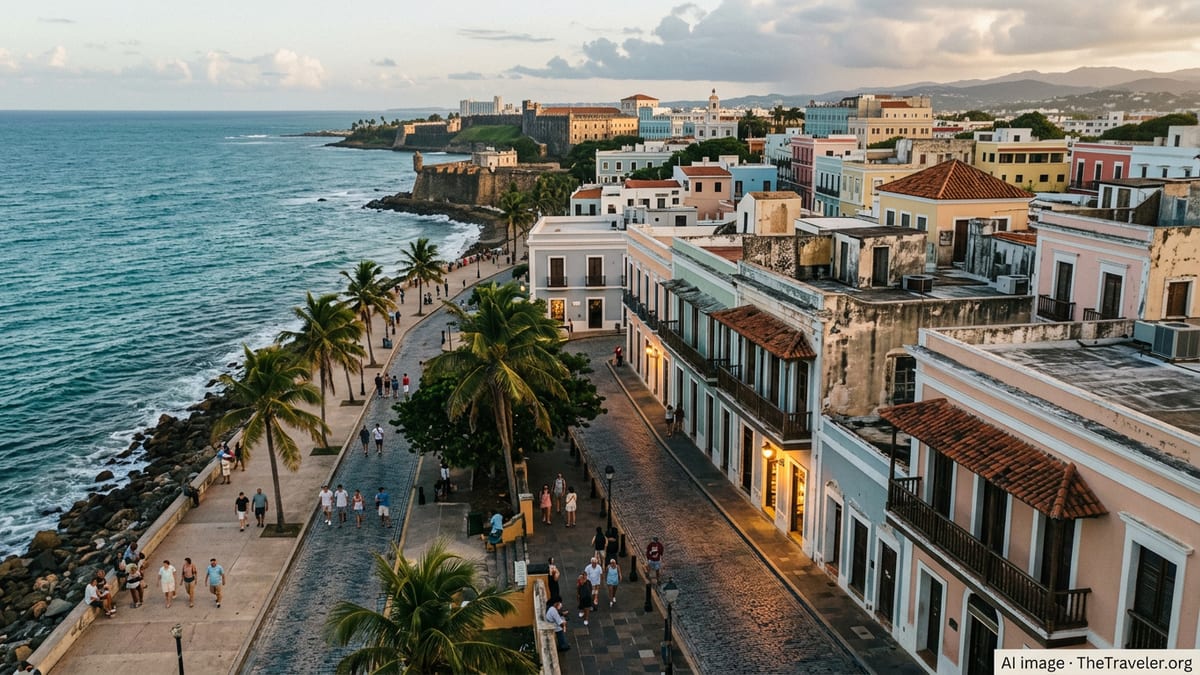
Tourism Boom Turns the Island Into a Caribbean Hotspot
Puerto Rico is experiencing one of the strongest tourism surges in its history. The destination closed 2025 with record highs in visitor arrivals, lodging revenues and passenger traffic through Luis Muñoz Marín International Airport, according to the island’s official tourism organization. Industry data show 2025 marked the fifth consecutive year of record performance, cementing tourism as a central engine of Puerto Rico’s post‑pandemic recovery.
New hotel openings and high‑profile brands are helping drive that momentum. A Four Seasons resort that opened in late 2025 signaled a new phase in the island’s luxury positioning, while long‑awaited reopenings of major beachfront properties are slated for 2026. Tourism analysts say the pipeline of upscale rooms is reshaping Puerto Rico’s image from value Caribbean escape to global resort contender, especially around San Juan, Río Grande and the popular Isla Verde strip.
Air access has also expanded. Puerto Rico’s main airport processed more than 13 million passengers in 2024, and airlines have since added seats and routes from the U.S. mainland and Latin America. Cruise lines are returning with larger ships and more frequent calls, supporting a dense calendar of cultural festivals, sports tournaments and food events that extend visitor demand beyond the traditional winter high season.
For travelers, those trends translate into more flight options, a wider range of accommodations and vibrant city and beach scenes. But they also mean busier streets, higher prices in prime districts and growing pressure on infrastructure that was weakened by past hurricanes and years of underinvestment.
Crime Trends: Perception of Danger vs. Current Reality
Concerns about violent crime have long clouded Puerto Rico’s reputation, amplified by high‑profile incidents and online debate over whether tourists are being lured into unsafe neighborhoods. Yet official figures released in 2025 point to a notable reduction in violent crime categories, including homicides, under the administration of Governor Jenniffer González Colón. Local media reported what officials described as a historic drop, reflecting a broader Caribbean trend of targeted policing in tourism and urban cores.
Security experts emphasize that most serious crime on the island remains tied to drug trafficking and localized disputes, rather than random attacks on visitors. Tourism zones such as Old San Juan, Condado, Isla Verde and resort areas along the northeast and west coasts are heavily patrolled and monitored by both local police and private security, especially at night and around major events. Many hotels maintain 24‑hour surveillance and access controls that mirror those in large U.S. cities.
That does not mean risk is nonexistent. Isolated robberies, car break‑ins and occasional violent incidents do occur in and around tourist districts, particularly late at night or in areas known locally for drug activity. Safety briefings from tour operators and hotels consistently warn guests not to wander into unfamiliar neighborhoods, to avoid flaunting valuables and to rely on licensed taxis or reputable ride‑hail services when moving after dark.
For now, international advisories remain relatively favorable. Canada assigns Puerto Rico one of its lowest advisory tiers, and the U.S. government has not imposed special restrictions on travel to the territory beyond standard Caribbean hurricane‑season guidance. Analysts say that for the vast majority of visitors who stick to established tourism areas and use basic precautions, Puerto Rico’s risk profile in 2026 is comparable to that of many popular sun destinations and large mainland U.S. cities.
Natural Hazards: Hurricanes, Floods and a Shaky Landscape
Where Puerto Rico’s “deadly trap” image has real grounding is in its exposure to natural disasters. Situated in the hurricane belt, the island still carries deep scars from Hurricane Maria in 2017 and more recent storms that hammered roads, crops and coastal infrastructure. In 2024, Hurricane Ernesto brought damaging rains that triggered urban flooding and agricultural losses, and forecasters continue to warn that climate change is likely to intensify future Atlantic seasons.
Beyond wind and rain, Puerto Rico sits on a complex seismic zone. A series of earthquakes in the island’s southwest in 2020 caused building damage and an island‑wide power outage, and more recent tremors in the wider region have kept authorities on alert. Landslide‑prone mountain roads remain a particular worry for engineers, who point to delayed reconstruction of slopes and bridges damaged years ago.
Authorities insist that preparedness has improved. Mandatory evacuation drills are now routine in high‑risk coastal communities, and a climate adaptation plan submitted in 2024 lays out measures for hardening key transport corridors. Federal and local funds have backed seawalls, flood‑resistant design standards and the rebuilding of health facilities and ports. Tourism operators have invested in their own contingency planning, including backup communications, emergency supplies and evacuation procedures for guests.
Travel planners advise visitors to take those risks seriously, particularly between June and November, when Atlantic storms are most likely. Monitoring forecasts before and during a trip, purchasing comprehensive travel insurance and staying in properties with clear emergency plans can significantly mitigate potential disruption. In fair weather, Puerto Rico’s forests, beaches and mountains remain accessible and striking, but the island’s natural beauty comes with environmental volatility that travelers cannot ignore.
Power Grid Fragility and Island‑Wide Blackouts
The most visible reminder of Puerto Rico’s vulnerability is its aging power grid. The system, weakened by decades of underinvestment and devastated by Maria, has struggled through the transition to management by private operator LUMA Energy. In April 2025, a massive blackout left all 1.4 million customers without electricity, darkening the main airport, hospitals and tourist zones on the eve of Easter weekend. A second day of outages followed as officials demanded explanations and businesses counted losses.
Such high‑profile failures have stoked public anger and renewed questions from prospective visitors about whether the island can reliably support booming tourism. Businesses in Old San Juan reported dozens of outages in late 2024 and early 2025, disrupting holiday activities and forcing shops and restaurants to close temporarily. Analysts estimate the economic impact of major grid failures in the hundreds of millions of dollars per day when tourism and commerce are fully accounted for.
In response, Puerto Rico and U.S. federal agencies have poured billions into grid repairs and hardening projects. LUMA Energy says it has replaced tens of thousands of utility poles and cleared vegetation along thousands of miles of lines, and the U.S. Department of Energy recently redirected hundreds of millions of dollars into upgrading critical transmission infrastructure. Still, even supporters acknowledge that modernizing a system neglected for decades will take years, not months.
For travelers, the practical reality is mixed but manageable. Most large hotels and resorts now operate substantial backup generators capable of powering essential services during blackouts, and many smaller guesthouses have invested in solar panels and batteries. Recent island‑wide outages caused inconvenience rather than chaos for the majority of visitors, with air conditioning, elevators and some amenities curtailed while emergency systems kept lights, water pumps and key operations running. Prospective visitors who are medically dependent on electricity‑powered devices, however, are urged to consult their doctors and confirm backup capabilities with accommodations before booking.
Balancing Risks and Rewards Before You Book
Against this backdrop, travelers weighing Puerto Rico in 2026 face a nuanced choice. On one side is a destination in the midst of a historic tourism upswing, with new luxury properties, record employment in the recreation and lodging sector, and an expanding calendar of cultural events. Falloff in violent crime, improved evacuation planning and a slate of reconstruction projects are reshaping local confidence and foreign perceptions, drawing return visitors who first came to support post‑hurricane recovery.
On the other side are structural weaknesses that will not vanish overnight. A fragile grid, incomplete road and slope repairs, and the ever‑present threat of hurricanes and earthquakes mean that disruption remains a real possibility, particularly for those visiting during the wet season or venturing into remote interior regions. Community advocates warn that reconstruction delays and uneven investment leave some rural and low‑income areas more exposed to landslides and flooding than the polished tourist corridors.
Travel experts say the key for visitors is preparation rather than panic. Choosing reputable accommodations with clear emergency protocols, confirming backup power, avoiding high‑risk driving routes in heavy rain and staying informed through local news and official alerts can significantly reduce personal risk. For most tourists, that level of planning is little different from what is now standard for trips to other climate‑sensitive destinations.
The answer to whether Puerto Rico is a deadly trap or a paradise found ultimately depends on expectations. For those envisioning a perfectly frictionless resort bubble, occasional power cuts, intense downpours or traffic snarls on damaged roads may come as a shock. For travelers who accept a measure of unpredictability in exchange for rich culture, world‑class beaches and the chance to witness an island actively rebuilding and reinventing itself, Puerto Rico in 2026 remains one of the Caribbean’s most compelling destinations.