

Rochester, New York has a complicated reputation. Once known mostly for Kodak and the Erie Canal, it drew national attention in recent years for a sharp spike in gun violence and homicides. Since then, crime has been trending downward again, and most visitors experience the city without serious problems. Still, Rochester remains a mid–sized American city with pockets of concentrated poverty and crime, and travelers should understand both the progress and the ongoing risks before they go.
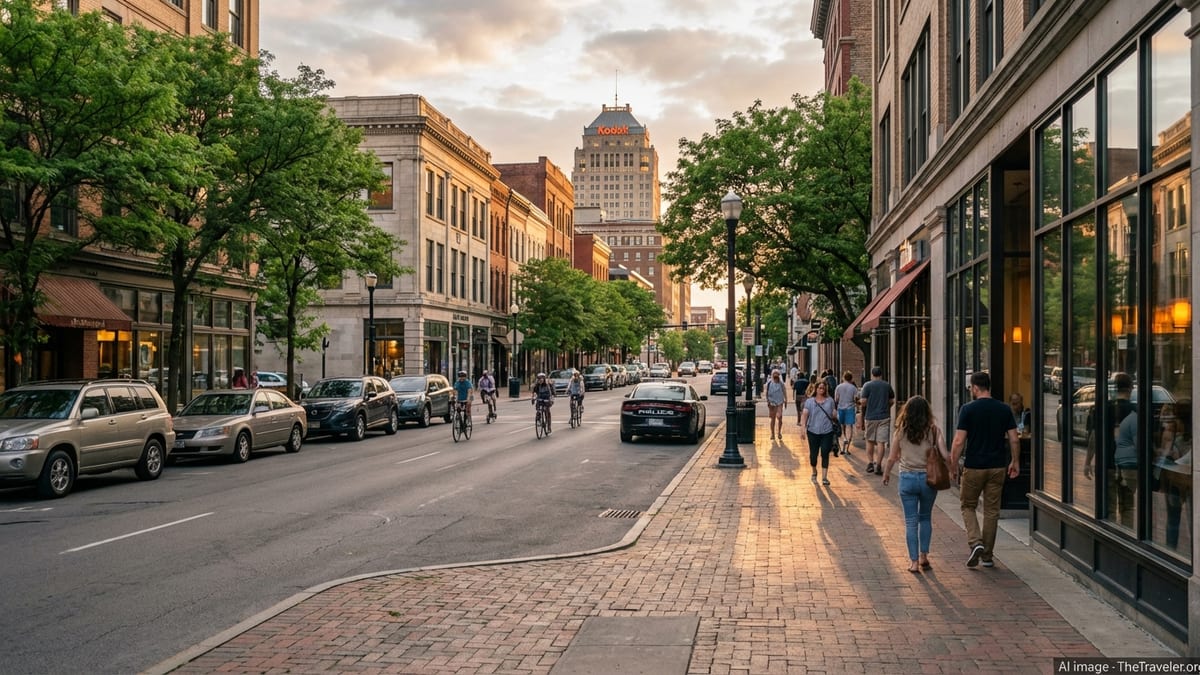
Rochester at a Glance: Context for Safety
Rochester sits on the southern shore of Lake Ontario in western New York, about an hour from Buffalo and just over six hours by car from New York City. With a population of roughly 210,000 in the city proper and more than a million in the wider metro area, it feels like a compact, walkable core surrounded by leafy neighborhoods and classic upstate suburbs. For visitors, the most relevant areas are the downtown business district, the East End entertainment district, the Park Avenue corridor, the Neighborhood of the Arts, and the waterfront areas along the Genesee River and Lake Ontario.
Historically, Rochester was a manufacturing powerhouse anchored by companies like Eastman Kodak, Xerox and Bausch + Lomb. As those industries declined, the city experienced decades of disinvestment, rising poverty rates and, in the 2010s and early 2020s, a surge in violent crime. That backdrop helps explain why national news sometimes portrays Rochester as unsafe. Yet the picture today is more nuanced. Recent years have seen significant investment in riverfront parks, new apartments downtown, and a growing food and culture scene. Many parts of the city feel lively and welcoming, especially on weekends and during festivals.
For travelers, safety in Rochester is very dependent on place and time. Busy cultural districts and well known attractions are routinely patrolled and generally feel secure, particularly during the day. Some residential blocks only a few minutes away can feel very different after dark. Understanding that contrast, and planning your trip around it, goes a long way toward having a smooth and enjoyable visit.
Rochester is also a regional hub for education and health care, home to the University of Rochester and the Rochester Institute of Technology, as well as a major medical center. Those institutions bring in thousands of students, researchers and visitors every year, and they operate robust public safety and shuttle systems in the areas immediately around their campuses. If your visit is connected to the universities or medical facilities, your experience of the city will likely center on relatively controlled and well monitored environments.
Crime Trends: How Safe Is Rochester Right Now?
Safety in Rochester has changed significantly over the last few years. The city recorded record homicide levels in 2021, when there were more than 80 killings and shootings surged. Since that peak, violent crime has trended downward. Local police data and coverage from regional outlets such as WXXI and Spectrum News indicate that homicides dropped markedly in 2023 and again in 2024, and early 2025 figures show further declines. The city has moved from being among the highest big city homicide rates in the United States to a still elevated but improving position.
Violent crime overall, including robberies and burglaries, has also eased from the worst of the pandemic era. Local reporting notes that by late 2024 Rochester’s robberies, burglaries and larcenies were at their lowest point in several years, even as some categories such as aggravated assault remained relatively high. Auto theft, which spiked in 2023 amid a nationwide wave of thefts targeting certain car brands, dropped sharply in 2024 after manufacturers and authorities rolled out security fixes and enforcement campaigns. For the average visitor, that means you are somewhat less likely to encounter random property crime today than a few years ago, though it is far from nonexistent.
It is important to remember that most serious violence in Rochester, as in many American cities, is concentrated in specific neighborhoods and is often connected to interpersonal disputes, illegal markets or domestic situations rather than tourism. City officials and state leaders have invested in anti-violence programs, youth employment initiatives and targeted policing of gun offenses, which appear to be contributing to the downward trend. However, the city has not yet returned to the lower crime levels seen a decade ago, and national rankings can make Rochester appear riskier than many smaller or more affluent communities.
For visitors, the takeaway is that Rochester is not a uniformly dangerous city, but neither is it a low risk destination. It sits in a middle ground: safer and more stable than its worst headlines of 2021 and 2022 would suggest, but still a place where situational awareness matters. If you follow basic urban safety practices, stay in well regarded neighborhoods, and avoid known hot spots late at night, the likelihood of encountering serious trouble remains relatively low.
Neighborhoods and Areas: Where Visitors Tend to Feel Safer
Rochester’s safety profile varies block by block, so understanding the city’s geography is essential for trip planning. Visitors typically spend most of their time in a handful of central and waterfront districts that have a stronger police presence, more pedestrian activity, and better lighting and amenities. These areas are not crime free, but they tend to feel safer and more comfortable, especially during the day and early evening.
Downtown, particularly the East End, is the city’s primary nightlife district, with bars, restaurants, live music venues and theaters. On weekends and event nights, the streets are busy and patrolled. The area can see occasional late night fights or incidents around closing time, as in many entertainment districts, but violent incidents involving visitors are not common. Staying on main streets, using rideshare or taxis rather than walking long distances after midnight, and avoiding confrontations around intoxicated crowds are usually sufficient to reduce risk.
The Neighborhood of the Arts (often called NOTA) and the adjacent Park Avenue area are among Rochester’s most visitor friendly neighborhoods. They are home to cafes, independent shops, galleries, and classic early 20th century houses converted into apartments and small inns. These neighborhoods have relatively lower levels of violent crime compared with harder hit parts of the city and are popular with young professionals and students. Walking here during the day feels relaxed; at night, normal city precautions like traveling in small groups and staying on well lit routes are advisable.
Along the water, Ontario Beach Park at Charlotte and the Genesee Riverway offer scenic promenades, trails and picnic areas. Summer weekends can be crowded, and local police often increase patrols at popular gathering spots like Ontario Beach, Durand Eastman Park, and Martin Luther King Jr. Memorial Park. These are places where minor disorder such as loud music, open drinking or the occasional scuffle can occur, but serious stranger on stranger violence is rare. The main visitor risks are more likely to be vehicle break ins in parking lots or simple theft of unattended belongings, which can be mitigated by securing valuables out of sight and keeping a close eye on your bags.
Practical Safety Tips for Getting Around
Most visitors to Rochester arrive by car, fly into Frederick Douglass Greater Rochester International Airport, or come by intercity bus or train. The airport is compact and generally calm, with normal big city airport security but no unusual safety concerns. The bus and train station, located near downtown, can feel less comfortable late at night, with a mix of travelers and local foot traffic. If you arrive after dark, arranging your onward transport in advance, waiting inside the station building, and avoiding long waits on empty sidewalks is prudent.
Driving is the most common way to get around the city and region. Main roads and expressways are well maintained, and traffic is usually light compared to larger metropolitan areas. The primary safety issues for drivers are the possibility of car break ins, occasional car theft, and winter weather. If you are parking in city lots or on the street, avoid leaving bags or visible valuables in the car, lock doors, and consider using a steering wheel lock for extra peace of mind, especially if you are driving a model that has been widely targeted in theft trends. In winter months, be alert for snow, ice and reduced visibility and allow extra time for travel.
Rochester has a modest public bus network centered downtown. Buses and stops are busiest at commuting times and during the school day. Many visitors rely instead on rideshare services or taxis, which are widely available in central neighborhoods and around the airport and universities. When using rideshare, confirm the vehicle and driver details before getting in, sit in the back seat, and avoid sharing unnecessary personal information. At night, it is usually safer and more comfortable to use rideshare than to walk long distances through unfamiliar residential areas.
Pedestrian safety depends heavily on where you are walking. In areas like Park Avenue, NOTA, the East End and the riverfront trails, daytime walking is part of the city’s appeal. Stick to main corridors, avoid cutting through alleys or isolated back streets, and keep your phone and wallet secure. Late at night, especially on weekdays when streets are quieter, consider shortening walks by using a car service. Standard personal safety habits apply: stay aware of your surroundings, avoid heavy intoxication in unfamiliar places, and trust your instincts if a situation feels off.
Events, Nightlife and Seasonal Considerations
Rochester’s calendar is crowded with festivals and events, many of which are significant draws for visitors. The Rochester International Jazz Festival, the Lilac Festival, and numerous art fairs and food events bring thousands of people into downtown and surrounding neighborhoods. These large events are typically well managed with visible police presence, private security, and crowd control measures. While any big gathering carries the normal risks of pickpocketing, minor scuffles or medical emergencies, major violent incidents at these festivals are uncommon.
Nightlife in Rochester is concentrated in the East End, the St. Paul corridor, and various pockets near Park Avenue, NOTA and Monroe Avenue. On weekend nights, bars and clubs fill up, and the streets nearby can become noisy with bar traffic and cars cruising. Most of the issues the police handle are alcohol related: disorderly conduct, minor assaults between acquaintances, or vandalism. Visitors who stay with friends, use licensed transport rather than accepting rides from strangers, and avoid intervening in arguments between others are unlikely to find themselves in serious danger.
Seasonality also affects how the city feels. Winters in Rochester are long and snowy, with lake effect storms off Lake Ontario. Cold weather and early darkness mean fewer people out on foot, which can make some streets feel more isolated, even if they are not especially high crime. In contrast, summer evenings see parks, patios and waterfront areas crowded and lively. More people out can mean both more eyes on the street and more chances for minor disorder, so your safety strategy shifts from avoiding isolation to navigating crowds prudently.
If you are visiting during a major event or on a busy holiday weekend, booking accommodation in established hotels or reputable short term rentals in central neighborhoods is wise. These properties usually have better security measures, front desk staff or hosts who understand local conditions, and proximity to well traveled routes. Checking recent reviews for mentions of noise, neighborhood feel and security can provide additional reassurance.
Vulnerable Travelers and Solo Travel
Solo travelers, especially women, LGBTQ+ visitors and those unfamiliar with American cities, often have additional questions about safety in Rochester. While experiences vary, many solo visitors report feeling comfortable in the core neighborhoods where foot traffic is steady and businesses stay open into the evening. The same basic principles used in other mid sized U.S. cities apply here: choose central accommodation, avoid walking alone late at night in unfamiliar or poorly lit areas, and let someone know your plans when going out.
The presence of large universities means there is a significant student population, and campus areas are heavily patrolled by both campus safety officers and city police. Around the University of Rochester’s River Campus and the medical center, as well as near Rochester Institute of Technology in the suburbs, visitors will find well marked emergency phones, shuttle buses and safety escort services for students and staff. While these services are designed for campus communities, their existence contributes to an overall sense of oversight in the immediate vicinity.
LGBTQ+ travelers will find a modest but visible community, with bars, events and organizations centered in and around downtown and certain central neighborhoods. New York State’s legal protections for LGBTQ+ people are strong compared with many parts of the United States, and Rochester generally has a reputation as socially progressive. As with any city, isolated incidents of harassment can occur, particularly late at night around intoxicated crowds, but overt targeted violence against visitors is not commonly reported. Exercising the same caution you would in other urban nightlife districts is usually sufficient.
For international visitors unfamiliar with U.S. healthcare costs and emergency services, it is worth noting that medical care in Rochester is high quality but can be expensive without insurance. Carrying travel insurance that covers emergency treatment and evacuation is sensible. In case of serious incidents, calling 911 will connect you with police, fire and ambulance services. For non emergency concerns, hotel staff, hosts or campus security offices can often offer guidance on local resources.
Health, Weather and Non-Crime Risks
Safety in Rochester is not only about crime. Weather, road conditions and basic health considerations also shape how secure your trip feels. Winters are cold, with frequent snow and ice from roughly November through March. Sidewalks and smaller streets may be slippery or uncleared after storms, increasing the risk of slips and falls. Dressing in layers, wearing proper footwear with good traction, and allowing extra time for walking and driving in winter conditions are important practical steps.
Summers are warm but usually not extreme, though occasional heat waves and high humidity can make outdoor activities tiring. Lakeside and riverside parks may have issues typical of waterfront environments, such as uneven terrain, wet surfaces near docks and piers, and strong currents in certain areas of the Genesee River. Obey posted warnings, avoid swimming in undesignated spots, and take care when walking near drop offs or rock edges.
Rochester does not have unusual levels of air pollution compared with other industrial regions, and food and drinking water standards are what you would expect in a developed U.S. city. Tap water is generally safe to drink. Standard hygiene practices such as hand washing, carrying sanitizer in crowded spaces, and staying up to date on routine vaccinations are usually sufficient. During flu season or in the event of any public health advisories, local and state health departments, as well as major local media, provide updates.
If you plan to explore parks and nature areas around the city, including county parks and nearby Finger Lakes trails, remember that cell reception can be patchy in more remote spots. Let someone know your hiking plans, carry a map or offline navigation, and bring basic supplies such as water, snacks and a light jacket, even on short walks. Encounters with dangerous wildlife are rare; most animals you might see, such as deer or small mammals, are not aggressive.
The Takeaway
Rochester is a city in transition on public safety. After a troubling peak in homicides and shootings earlier in the decade, crime indicators have moved in a more positive direction, with notable declines in killings, robberies and property crimes. At the same time, the city has not yet returned to the comparatively low crime environment it enjoyed before the pandemic. Serious violence remains concentrated in certain neighborhoods and social networks, while the areas most visitors frequent are generally safer and more closely monitored.
For travelers, the reality is that Rochester can be an enjoyable and reasonably safe destination if approached with the same cautious common sense you would use in any mid sized American city. Staying in well regarded central neighborhoods, moving primarily on main routes, using rideshare or taxis at night, and keeping valuables secure will address most routine risks. Paying attention to local news or advisories during your stay, and asking hotel staff or hosts about any streets to avoid after dark, can fine tune your plans.
Rochester rewards visitors with strong cultural institutions, a growing food scene, and access to waterfronts and nearby wine country. With thoughtful planning and awareness, most travelers experience the city’s art, music and lake breezes without serious safety incidents. Understanding the city’s recent history and current trends simply helps you make better choices about where to stay, how to move around, and how to enjoy what Rochester has to offer while minimizing unnecessary risk.
FAQ
Q1. Is Rochester safe for tourists right now?
Rochester has seen declining crime in recent years, and most tourist focused areas are reasonably safe, especially by day. It is still important to use standard big city precautions, particularly at night and in less busy neighborhoods.
Q2. Which parts of Rochester are generally safest for visitors?
Visitors often feel most comfortable in the East End, Park Avenue, the Neighborhood of the Arts, and around major institutions such as the University of Rochester and Strong Memorial Hospital. These areas have more foot traffic and a stronger security presence.
Q3. Is downtown Rochester safe at night?
Downtown and the East End can be lively and generally safe during evenings, especially on event nights, but risk increases in the very late hours. Staying on main streets, avoiding isolated blocks, and using rideshare rather than walking long distances after midnight is advisable.
Q4. How bad is violent crime in Rochester compared with other U.S. cities?
Rochester’s violent crime and homicide rates were among the highest for mid sized cities a few years ago, but they have declined and are no longer at the top of national rankings. Levels remain higher than in many smaller or more affluent cities, so travelers should stay aware.
Q5. Is public transportation in Rochester safe to use?
The city’s bus system is generally safe during daytime and early evening hours. Some travelers may feel less comfortable at bus stops or the transit center late at night, so many opt for rideshare or taxis after dark, especially in unfamiliar areas.
Q6. Can I walk around Rochester as a solo traveler?
Yes, many solo travelers walk comfortably in central neighborhoods during the day. At night, stick to well lit main corridors, avoid walking alone in quiet or unfamiliar residential areas, and consider using rideshare for longer distances.
Q7. Are there specific areas tourists should avoid?
Some neighborhoods with higher rates of violent crime are primarily residential and not of particular interest to visitors. Rather than memorizing a list, it is best to ask local hosts or hotel staff for up to date advice on streets to avoid after dark and to focus your plans on established visitor districts.
Q8. Is it safe to visit Rochester’s parks and waterfronts?
Parks and waterfront areas like Ontario Beach and riverfront trails are popular and generally safe during the day and on busy summer evenings. Exercise care with belongings, park in visible areas, and avoid secluded spots late at night.
Q9. What about winter travel safety in Rochester?
Winter brings snow and ice, which can make roads and sidewalks slippery and reduce visibility. Driving more slowly, wearing appropriate footwear, and allowing extra travel time will reduce weather related risks far more than crime concerns.
Q10. What should I do in an emergency while visiting Rochester?
In any serious emergency, call 911 for police, fire or medical help. For non urgent concerns, seek assistance from hotel staff, event organizers, or campus or venue security, who can guide you to appropriate local resources.