

For years Saudi Arabia felt like a destination reserved for business travelers and pilgrims. With the kingdom opening rapidly to tourism, many travelers are now asking a practical question: is Saudi Arabia actually expensive to visit? The answer is nuanced. Certain costs, like visas and accommodation in major cities, can be higher than in neighboring countries, while fuel and everyday local food are often surprisingly affordable. This guide breaks down real-world travel costs so you can build a realistic budget for Saudi Arabia in 2026.
How Saudi Arabia Compares Regionally on Price
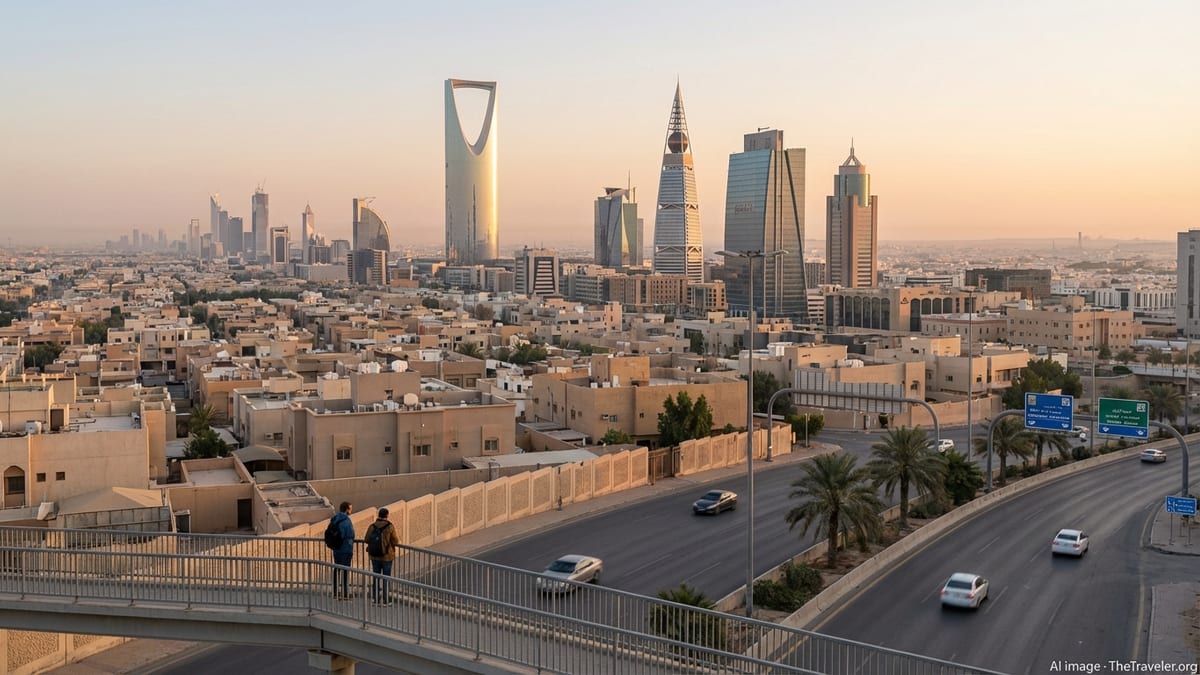
Saudi Arabia sits in an interesting middle ground when it comes to travel costs. It is generally more expensive than budget favorites such as Egypt or Jordan, particularly for mid-range and above accommodation, but tends to be cheaper than the United Arab Emirates for day to day spending. Visitors who are used to prices in Dubai or Abu Dhabi often find Saudi Arabia slightly kinder on the wallet once they are on the ground, especially outside the most in-demand neighborhoods of Riyadh.
What pushes costs up for many first-time visitors is the combination of visa fees, domestic flights between far flung attractions, and the price of newer, high profile tourism projects. On the other hand, inexpensive fuel helps keep local transport fares reasonable, and simple meals at local eateries are fairly priced by Gulf standards. Overall, Saudi Arabia is not a classic shoestring destination, but a careful traveler can keep daily spending in a moderate range without feeling deprived.
Another factor to consider is that prices within the country vary significantly from city to city. Riyadh and Jeddah, which are the main gateways and business hubs, are where you will see the highest hotel rates and the widest range of upscale dining. Smaller cities, secondary destinations, and many desert or coastal towns remain more affordable, especially outside major holidays and big-ticket events.
Finally, Saudi Arabia is developing tourism at high speed, which tends to drive up costs in the short term. Major projects linked to Vision 2030, large-scale events, and bids for international expos and sports tournaments are all putting pressure on accommodation and services, especially in the capital. Travelers should plan with generous estimates and expect that prices may edge upward year by year.
Visa, Flights and Getting Into the Country
For many travelers, the first big line item is the visa. Saudi Arabia has greatly simplified entry with an e-visa platform covering citizens of more than 60 countries. Tourist e-visas are typically valid for one year with multiple entries and allow stays of up to 90 days at a time. The fee is usually quoted at roughly the equivalent of around 80 to 90 US dollars for the government component, with additional service fees charged if you apply through third-party facilitators or opt for expedited processing.
Those extra service and express-processing fees can be substantial. Some commercial visa platforms bundle application handling, customer support, and rush processing into packages that bring the total close to or above 200 US dollars. To keep your pre-departure budget under control, use official channels where possible, allow enough time for standard processing, and avoid unnecessary add-ons. Travelers who qualify for visa on arrival will pay at airport kiosks, but the total cost is usually in a similar range.
International flight prices vary widely by departure point and season, but Saudi Arabia is now served by a growing number of airlines and regional hubs. Many itineraries from Europe or North America route through Gulf carriers with connections in Doha, Dubai or Abu Dhabi, while Saudi carriers link directly to an expanding list of cities. Flexible travelers often find that flying into Jeddah is marginally cheaper than Riyadh at certain times of year, while holiday periods and major events in the kingdom can push fares higher to both cities.
Domestic flights are often part of a realistic Saudi itinerary because the country is large and attractions are spread out. Budget and national airlines connect Riyadh, Jeddah, Dammam, Medina and newer tourism hot spots. Prices fluctuate, but rough recent examples suggest that a return trip between Riyadh and Jeddah or a hop to a desert or heritage destination can easily add 100 to 250 US dollars to a one week itinerary, depending on timing, airline and how far in advance you book.
Accommodation Costs: From Hostels to Five-Star Towers
Accommodation is usually the biggest single expense for visitors. In Riyadh, recent hotel data suggests that the average nightly rate across all categories sits around 160 US dollars, with many 4 star and 5 star properties comfortably above the 170 to 200 US dollar mark in normal periods. This is in line with what you would expect in a fast growing capital city hosting major events and international conferences, and it can feel steep if you are used to cheaper parts of the Middle East.
Budget travelers do have options, but they require more planning. In the main cities, simple hostel dorm beds are often available in the range of roughly 15 to 40 US dollars per night depending on season, with the higher end of that range common during peak months and big events. Basic private rooms or furnished studio apartments tend to start around the equivalent of 40 to 60 US dollars in less central areas and can climb quickly in fashionable districts. Outside the largest cities, true hostels are rarer, so you may find the cheapest private hotel room in town is the de facto budget choice.
Mid-range travelers staying in standard 3 star or lower priced 4 star hotels should expect something around 70 to 120 US dollars per night in Riyadh and Jeddah for good but not lavish accommodation. In secondary cities and smaller destinations, prices for comparable properties are often lower, which can bring the nightly bill closer to the 50 to 90 US dollar range. Serviced apartments are common and can offer excellent value for families and small groups who are willing to stay a little farther from major attractions.
At the top end, Saudi Arabia has no shortage of luxury towers and resort-style stays. In the capital, five-star properties routinely price rooms around or above 200 US dollars per night, and exclusive suites or high-season dates can cost considerably more. New luxury projects in desert, Red Sea and heritage destinations are often priced with international resort clientele in mind, so if you plan to include one or two flagship stays, factor several hundred dollars per night into that portion of your budget.
Daily Food, Coffee and Everyday Spending
Once you have covered visa, flights and hotels, daily spending in Saudi Arabia can be quite manageable, particularly if you lean into local eating habits. Simple meals from worker canteens, family run restaurants, shawarma stands and small cafeterias can cost roughly the equivalent of 3 to 7 US dollars. These might include dishes like falafel, foul, kabsa or rotisserie chicken with rice, and they are generally filling and good value.
Mid-range sit down restaurants in major cities usually start around 10 to 15 US dollars per person for a main course and non-alcoholic drink. International chains and trendy cafes in upscale districts can push the bill higher, and imported ingredients or specialty diets command a premium. In expat heavy neighborhoods, it is easy to spend 20 to 30 US dollars per person on a fairly casual meal if you are not paying attention to the menu.
Grocery prices vary depending on whether you favor local markets or international supermarkets. Households that stick largely to local produce and staples report that a modest monthly grocery bill can be kept at a reasonable level, while those who fill their trolleys with imported snacks and familiar brands see costs rise quickly. For travelers, picking up bottled water, fruit, bread and snacks from neighborhood shops is an effective way to keep daytime costs low without feeling restricted.
One thing you will not find in Saudi Arabia is alcohol in regular retail or hospitality settings, which changes how some travelers think about their nightly budget. Non-alcoholic cocktails, fancy coffee and desserts have, to some extent, taken the place of bar culture in many neighborhoods, so if you enjoy going out in the evening, you may find yourself spending on specialty coffee, shisha lounges or upscale patisseries instead of drinks. A realistic food and everyday spending budget for a mid-range traveler might sit around 25 to 50 US dollars per day, with backpackers managing on less if they mostly eat where locals eat.
Transport, Tours and Getting Around Inside the Kingdom
Saudi Arabia’s geography means you will likely mix several transport modes, each with different cost implications. Within cities, ride hailing apps such as Uber and local equivalents are widely used and reasonably priced by international standards, with short rides in Riyadh often running in the rough range of the local currency equivalent of a few US dollars. The country also benefits from relatively low fuel prices compared with many parts of the world, which helps keep taxi and ride share fares from spiraling.
Public transport is improving but still varies by city. Riyadh’s metro system is rolling out gradually, with ticket prices reported in the very affordable band of just a couple of dollars per journey. City buses are even cheaper per ride, though network coverage and frequency can limit their usefulness for short stays. In other cities, bus services and informal taxis help fill the gaps, but many visitors still find that a combination of ride hailing and occasional private transfers offers the best balance between cost and convenience.
For travelers keen to explore beyond the main cities, renting a car is a common option. Daily rental rates for a basic sedan are typically moderate, but the true cost includes insurance, potential tolls on some roads and the need for comfortable long distance driving. Because fuel is relatively cheap per liter, self driving remains attractive for those who want maximum flexibility and who are confident navigating Saudi roads and traffic norms. For many visitors on a short trip, however, a mix of domestic flights and organized day tours is more practical.
Tours and activities can be the wild card in a Saudi budget. Entrance fees for museums, historical sites and city attractions are often modest, sometimes only a handful of dollars. However, guided excursions to desert landscapes, heritage oases or marquee archaeological areas can be significantly more expensive, especially where access is tightly regulated or where visitor numbers are capped. Including a high profile desert or heritage tour can easily add a couple of hundred dollars to a week-long itinerary if you opt for small group or private experiences.
Sample Daily Budgets for Different Travel Styles
Because travel styles differ so widely, it helps to look at realistic sample budgets rather than a single number. For backpackers and budget conscious travelers who stick to hostel dorms where available, favor local eateries, use public transport and save big ticket tours for one or two highlight days, recent reports suggest a typical daily spend somewhere around the equivalent of 220 to 320 Saudi riyals. In US dollar terms, that places a lean but comfortable backpacker budget roughly in the 60 to 85 dollar per day range, not counting international flights.
Mid-range travelers who prefer private rooms in decent 3 star hotels or serviced apartments, dine in a mix of local restaurants and mid-range venues, rely heavily on ride hailing apps and include paid attractions most days are likely to land higher. A realistic mid-range daily budget might sit in the 120 to 200 US dollar band when averaged over a week, especially if the itinerary includes at least one domestic flight and a couple of organized excursions to headline sites or desert areas.
Luxury visitors who prioritize international brand hotels or new high concept resorts, private transfers, top tier restaurants and bespoke tours will see costs climb quickly. It is easy for daily spending to reach several hundred dollars per person once upscale accommodation, fine dining and exclusive experiences are factored in. In this segment, Saudi Arabia is broadly comparable with other Gulf destinations, though individual properties and projects may price themselves higher or lower depending on their positioning and demand.
Whatever your travel style, remember that seasonality matters. Peak travel times coinciding with school holidays in key source markets, major cultural festivals, high profile sports events or religious seasons can all push prices higher, particularly for flights and accommodation. Visiting during shoulder seasons, booking well in advance, and staying flexible with dates will give you more room to shape a budget that fits your comfort level.
Money Saving Tips Without Compromising the Experience
Travelers who plan carefully can experience much of what Saudi Arabia offers without overspending. One of the most effective strategies is to treat the major gateway cities as hubs and then design efficient loops. For example, you might base yourself in a neighborhood with reasonably priced accommodation in Riyadh, take day trips or short overnights to surrounding desert and heritage areas, and then fly directly to Jeddah for a coastal segment, rather than bouncing back and forth between cities.
Another useful tactic is to mix accommodation types. Instead of staying exclusively in business hotels, consider a few nights in well reviewed hostels or budget hotels during transit days, then upgrade for a night or two when scenery or amenities matter more. Serviced apartments, particularly outside the most sought after districts, can be very cost effective for couples, families or small groups who are willing to self cater some meals.
Eating where locals eat is both a cultural experience and a budget saver. Look for busy neighborhood restaurants, worker cafeterias near markets, and simple family run places away from the flashiest malls. Not only are these usually cheaper, they also offer a more authentic window into Saudi daily life. Reserve higher priced international dining and glossy cafes for occasional treats rather than default choices.
Finally, pay attention to visa and tour booking channels. Whenever possible, use official portals for visas to avoid unnecessary service markups, and research tours through a mix of local operators and reputable agencies. In some cases, joining a shared small group tour can cut per person costs dramatically compared with private guiding, without diminishing the experience. Build a small buffer into your budget for unexpected costs such as tips, extra taxi rides, or last minute attraction tickets so those do not create stress on the road.
The Takeaway
Saudi Arabia is not a rock bottom budget destination, but it is also not as prohibitively expensive as some travelers assume. Visa fees, domestic flights and modern accommodation in major cities can create a higher baseline than in many classic backpacking countries, yet affordable local food, relatively cheap fuel, and a growing range of budget and mid-range lodging options help keep a realistic trip within reach of many travelers.
The key to managing costs is matching your expectations to local realities. If you arrive expecting Dubai style glitz at bargain prices, you may be disappointed. If you approach the kingdom with a flexible mindset, willing to use local eateries, adapt your itinerary to seasonal prices and mix different levels of comfort, you can craft a rewarding journey without losing control of your spending.
As Saudi Arabia continues to reshape itself as a major tourism destination, prices will likely remain dynamic, responding to demand, new openings and global trends. Planning with up to date information, conservative estimates and a willingness to adjust on the ground will give you the best chance of answering the original question for yourself: yes, Saudi Arabia can be expensive, but with smart choices it does not have to be.
FAQ
Q1. Is Saudi Arabia more expensive than Dubai for tourists?
In broad terms Saudi Arabia often feels slightly cheaper day to day than Dubai, especially for local food and mid-range accommodation, but high-end hotels and flagship resorts can be similarly priced.
Q2. How much should a budget traveler plan to spend per day in Saudi Arabia?
A realistic budget for a backpacker or budget traveler is roughly 60 to 85 US dollars per day excluding international flights, assuming hostel style stays where available and mostly local meals.
Q3. What is a comfortable mid-range daily budget in Saudi Arabia?
For private rooms in mid-range hotels, frequent ride hailing, a mix of local and international dining and some paid attractions, many travelers find 120 to 200 US dollars per day reasonable.
Q4. Are visas for Saudi Arabia expensive?
Tourist e-visas are not cheap, typically coming out around the equivalent of 80 to 90 US dollars for the official fee, with higher totals if you use third-party services or rush processing.
Q5. Is food in Saudi Arabia affordable for visitors?
Yes, if you eat where locals eat. Simple meals can cost only a few dollars, while international restaurants and upscale cafes charge more, especially in prime city locations.
Q6. How much do hotels in Riyadh and Jeddah usually cost?
Average hotel prices in Riyadh hover around 160 US dollars per night across categories, with mid-range rooms often 70 to 120 dollars and luxury properties substantially higher.
Q7. Are domestic flights inside Saudi Arabia costly?
Domestic flights are an extra expense, but on many routes they remain moderate by international standards, often adding roughly 100 to 250 US dollars to a week-long multi city itinerary.
Q8. Is public transport in Saudi cities cheap?
Yes, when available. Metro and bus tickets in cities like Riyadh are priced in the low single digit dollar range, making them very affordable compared with ride hailing or taxis.
Q9. Can I travel Saudi Arabia on a tight backpacker budget?
It is possible, but harder than in some neighboring countries. Limited hostel availability outside big cities and paid desert or heritage tours mean you need to plan carefully and accept a slightly higher baseline.
Q10. What is the biggest cost mistake travelers make in Saudi Arabia?
Many underestimate visa and domestic flight costs, then default to higher priced hotels and restaurants in headline districts. Booking early, mixing accommodation types and using local eateries can prevent overspending.