

Saudi Arabia is welcoming more international visitors than ever, yet its location in a volatile region and its conservative laws can make travelers understandably cautious. Recent missile and drone activity linked to wider Middle East tensions, as well as evolving social norms inside the Kingdom, mean that safety in Saudi Arabia is not a simple yes-or-no question. Instead, it depends heavily on where you go, what you do, and how well you understand local rules. This guide unpacks the latest information to help you decide whether Saudi Arabia is safe enough for your trip and how to reduce your risks if you choose to visit.
Current Security Situation in 2026
Saudi Arabia in early 2026 sits at the heart of a rapidly changing and, at times, unstable region. In recent days, regional conflict involving Iran, the United States, Israel, and several neighboring countries has spilled over into Saudi territory, including reported drone attacks affecting diplomatic facilities. In response, major governments such as the United States and United Kingdom have urged their citizens in Saudi Arabia and nearby states to exercise extreme caution, and in some cases to leave the region as soon as commercially possible. This marks a significant, fast-moving escalation beyond the baseline security concerns that existed in previous years.
Beyond the immediate spike in tensions, Saudi Arabia’s long-standing security profile remains shaped by the risk of terrorism and missile or drone strikes, particularly associated with militants in Yemen. Official advisories have for years warned against travel near the Yemen border and in certain parts of the Eastern Province because of past attacks on infrastructure, airports, and energy facilities. These threats tend to be geographically concentrated, but debris from intercepted drones and missiles can pose hazards in wider areas when tensions flare.
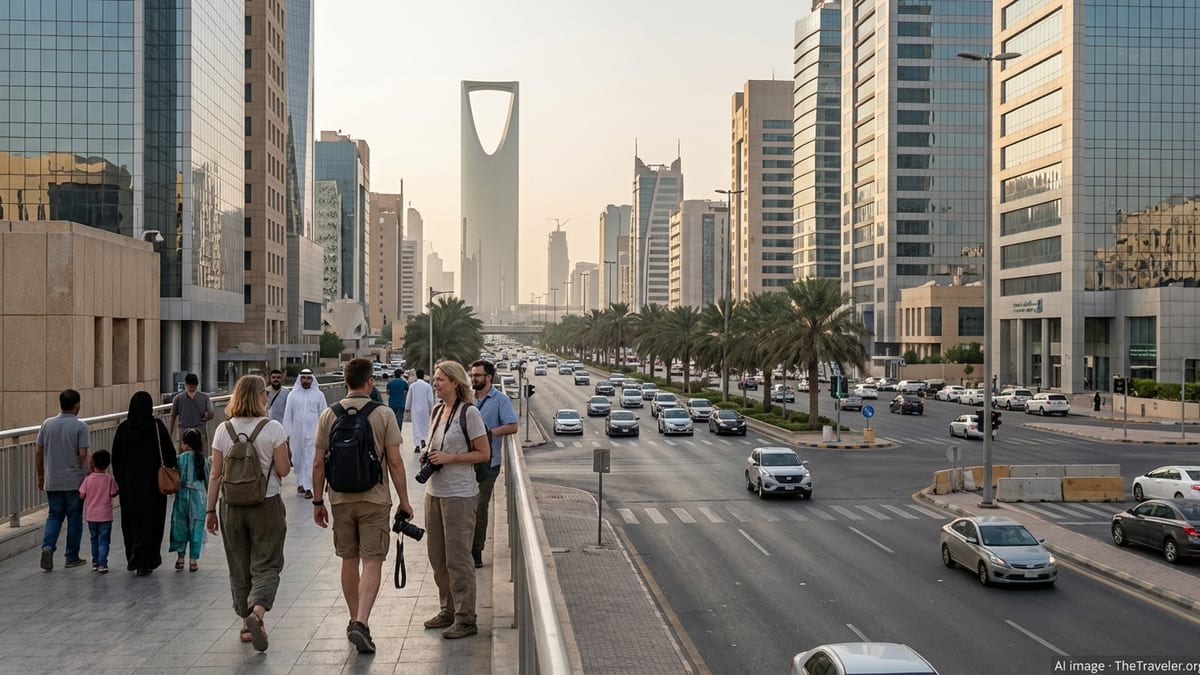
At the same time, day-to-day life in major cities such as Riyadh, Jeddah, and Dammam often feels calm and orderly. Tourists in recent years have reported a generally low level of street crime and a strong visible security presence at malls, airports, and major sights. It is entirely possible for visitors to spend time in urban and coastal tourist hubs without encountering any security incidents. The key caveat is that the overall risk picture can change quickly with regional events, and foreign governments’ advice may shift at short notice.
Because the international situation as of March 2026 is unusually volatile, potential visitors should treat all travel plans to Saudi Arabia as provisional. Check your own government’s latest travel advisory immediately before booking and again shortly before departure, and understand that sudden flight disruptions, airspace closures, or heightened local restrictions are possible if tensions escalate further.
Official Travel Advisories and High-Risk Areas
For a realistic view of safety in Saudi Arabia, the most important starting point is your home country’s official travel advice. For example, the United States has in recent years rated Saudi Arabia at a level that calls for increased caution, primarily due to terrorism and the threat of missile and drone attacks. It specifically advises against travel near the border with Yemen and to certain districts in the Eastern Province, where the risk from militant activity and unrest is higher. Other governments, including the United Kingdom and European states, broadly echo these concerns, often marking the Yemen border region as “do not travel” territory and warning travelers that insurance may be invalidated if they ignore that guidance.
These advisories highlight several high-risk categories of location. First are areas close to Yemen, where armed conflict and cross-border fire have historically threatened civilians. Second are oil and gas installations, ports, and other strategic sites that have occasionally been targeted by missiles or drones. Third are specific neighborhoods where extremist groups have previously carried out attacks or where security operations are ongoing. Tourists rarely have reason to visit these areas, but it is vital to understand where they are and to avoid them entirely.
It is equally important to note that official advisories also describe zones where travel is not discouraged but where heightened situational awareness is recommended. This includes much of central and western Saudi Arabia, where popular tourism projects, heritage sites, and cities such as Riyadh, Jeddah, Taif, and AlUla are located. In these places, authorities maintain extensive security measures around airports, hotels, shopping centers, and major cultural events. Visitors are routinely screened at entrances and may see military or police checkpoints on intercity roads, which is normal and not necessarily a sign of imminent danger.
Because advisories can change suddenly in response to new incidents, travelers should sign up for alert services offered by their foreign ministries or embassies and enroll in voluntary registration programs where available. If your government starts to urge citizens to leave the country, you will want to receive that information instantly and know what commercial or assisted evacuation options exist.
Everyday Personal Safety and Crime
Leaving aside regional geopolitics, many tourists are primarily concerned with everyday personal safety: the risk of theft, harassment, scams, or violent crime. In this respect, Saudi Arabia often compares favorably to many other destinations. Reported rates of petty crime in major cities appear relatively low, partly due to strict laws, heavy penalties, and an extensive surveillance and security apparatus. Visitors frequently remark on feeling safe walking in central areas at night, especially in family-oriented districts, modern shopping malls, and seafront promenades.
That said, low crime does not mean no crime. Pickpocketing, bag theft, and opportunistic scams can occur, particularly in crowded markets, on public transport routes, and near busy religious sites during peak pilgrimage seasons. As with any international trip, basic precautions apply: keep valuables out of sight, use hotel safes when possible, avoid carrying large amounts of cash, and be cautious with open bags or phones in dense crowds. Use only licensed taxis or reputable ride-hailing apps, and confirm the fare or route before you depart.
Harassment of women, including foreign visitors, is illegal and increasingly socially unacceptable, but it can still occur in the form of unwanted comments, staring, or attempts at conversation. Saudi authorities have in recent years publicized enforcement campaigns against harassment, and penalties can be severe. Female travelers who experience persistent or threatening behavior should move to a busier, well-lit area, seek assistance from families or women nearby, and, if needed, contact the police or hotel security. It is helpful to know the local emergency number and to have your embassy’s contact information saved in your phone.
Traffic safety is a more tangible everyday risk than street crime. Saudi Arabia has a history of serious road accidents, including fatal crashes involving buses carrying pilgrims and tourists. While the government has introduced reforms and enforcement measures that appear to have reduced fatalities over time, roads can still be dangerous, especially on high-speed highways and in heavy city traffic. If you rent a car, drive defensively, avoid overnight long-distance journeys when fatigue and poor visibility increase risk, and insist on seat belts for every passenger. When booking intercity transport or tours, choose reputable companies that use modern, well-maintained vehicles and professional drivers.
Law, Culture, and What Can Get You in Trouble
Understanding Saudi law and social norms is as important to your safety as understanding the security situation. The legal system blends modern statutes with interpretations of Islamic law, and penalties for violations can be far harsher than what many visitors are accustomed to at home. Authorities have also become more attentive to tourists’ online behavior, both before and during a trip, which means content you post on social media can carry real-world consequences.
Alcohol is completely banned for residents and visitors alike. Possession, consumption, or trafficking can lead to arrest, detention, fines, or worse. Similarly, illegal drugs are treated extremely severely, and even small quantities can bring long prison sentences. Bringing restricted items into the country, including certain medications, can cause problems at the border if you do not have proper documentation. Travelers who rely on prescription medicine should check in advance whether it is allowed, carry a doctor’s letter, and keep medications in original packaging.
Public behavior is constrained by cultural and religious expectations. Displays of affection beyond modest hand-holding between married couples may be considered inappropriate and could attract unwanted attention or official intervention. During the holy month of Ramadan, eating, drinking, or smoking in public during daylight hours is widely viewed as disrespectful and may be restricted by law in some settings. Photography of government buildings, certain infrastructure, and people without their consent, especially women, can cause serious offense and has occasionally resulted in detentions or questioning.
Social media has become an especially sensitive area. Critical or satirical posts about Saudi leadership, religious practices, or social policies, even if made before arrival, may create legal exposure if authorities become aware of them. Visitors are also urged to avoid posting or sharing images that could be interpreted as insulting to local values. While many tourists use their phones freely without incident, it is wise to be cautious, refrain from commenting publicly on domestic politics, and respect local guidelines about where photography is allowed.
Women, LGBTQ+ Travelers, and Solo Visitors
Saudi Arabia has undergone visible social changes in recent years, including the easing of some restrictions on women’s mobility and dress, the introduction of large public entertainment events, and the steady growth of sectors like tourism and hospitality. Women, including foreign visitors, can now drive, travel more freely within the country, and do not generally need to wear the traditional black abaya, particularly in cosmopolitan areas. Many local women opt for modest contemporary clothing and headscarves, while foreign tourists often choose loose, non-revealing outfits that cover shoulders, chest, and knees.
For female tourists, these reforms have made Saudi Arabia more accessible, but it remains a conservative society. Solo women travelers report a mix of experiences. In major cities and tourist zones, staff in hotels, museums, and restaurants are increasingly accustomed to serving unaccompanied women, and the presence of families in public spaces can contribute to a sense of safety. At the same time, more traditional attitudes may surface in rural areas or smaller towns, where unaccompanied women may attract curiosity or scrutiny. Dressing modestly, avoiding isolated areas at night, and using reputable transport services can help minimize unwanted attention.
For LGBTQ+ travelers, legal and social risks are higher. Same-sex sexual activity is criminalized, and public advocacy or expression related to LGBTQ+ identities can lead to severe penalties. While enforcement is inconsistent and foreign visitors are not routinely targeted simply for being perceived as LGBTQ+, any public display of same-sex affection, activism, or discussion of sexuality that challenges local norms can be dangerous. Many LGBTQ+ travelers adopt a low profile, avoid discussing their personal life with strangers, and book accommodations that do not require explaining the nature of their relationship.
Solo travelers of all genders should approach Saudi Arabia with thoughtful preparation. Book well-reviewed lodging in central, busy districts; share your itinerary with someone at home; and maintain regular contact through messaging or email. In practice, solo visitors often find locals to be hospitable and curious, especially in places that see fewer international tourists. Accepting invitations to tea or conversation can be a highlight of the trip, but always trust your instincts, set boundaries politely, and leave any situation that begins to feel uncomfortable or pressured.
Health, Medical Care, and Emergency Preparedness
From a health perspective, Saudi Arabia offers a mixture of modern medical facilities and climate-related challenges. Major cities host well-equipped private and public hospitals, many with English-speaking staff and experience treating expatriates and pilgrims. However, medical costs for uninsured foreigners can be high, and remote areas may have limited facilities. Comprehensive travel insurance that includes emergency medical evacuation is strongly recommended, especially given the potential for regional disruptions to delay or complicate departures.
The climate itself can pose a significant safety issue, particularly in summer months when temperatures can soar well above levels many visitors are accustomed to. Heat exhaustion and dehydration are real risks, especially during outdoor excursions in the desert, at archaeological sites, or on long walking tours in cities. Travelers should plan outdoor activities for early morning or late afternoon, drink water regularly, wear breathable clothing, and use sun protection. Air-conditioned spaces are widespread in cities, and making use of them for breaks can dramatically reduce the risk of heat-related illness.
Food and water standards in Saudi Arabia are generally good in urban areas, where bottled water is widely available and restaurants are subject to health regulations. Nonetheless, it is wise to favor busy, reputable establishments and to avoid food that has been sitting exposed for long periods, especially in hot conditions. Travelers with specific dietary needs or allergies should communicate them clearly, as awareness is improving but cannot be assumed in all settings.
Emergency preparedness in the current regional climate requires a bit of extra planning. Travelers should memorize or save the general emergency number, know the address and phone number of their hotel in Arabic and English, and locate the nearest hospital or clinic. It is also smart to keep a small “go bag” with essentials such as copies of travel documents, some cash, a power bank, basic medications, and a change of clothes in case you need to leave your accommodation quickly due to an incident or evacuation order.
Practical Safety Tips for Tourists
In an environment where both political and everyday risks exist, practical steps can meaningfully reduce your exposure. Start with your itinerary. Focus on well-known cities and tourism projects that have visible security and infrastructure, and avoid non-essential travel to border regions or sparsely populated desert areas without an experienced local guide. If your plans include lesser-known destinations, research their security situation in advance and consider arranging tours through established operators rather than traveling entirely independently.
Stay digitally informed but measured. Install official alert apps where available, follow your embassy’s verified channels, and check local news from reputable international outlets. At the same time, be cautious about unverified social media rumors that may exaggerate or misinterpret events. If you hear of an incident, avoid the area immediately, follow instructions from local authorities, and contact your hotel or tour operator for guidance. In times of heightened tension, keep a flexible schedule so that you can adjust plans or depart earlier than planned if conditions deteriorate.
Within cities, choose accommodation with clear safety measures. International or high-quality local hotels typically have security screening at entrances, visible fire safety equipment, and bilingual staff trained to respond to emergencies. Ask at check-in about evacuation routes and procedures. When using cash machines, select those inside malls or hotels rather than stand-alone street ATMs. At night, stick to well-lit, busier areas and avoid walking long distances through quiet neighborhoods you do not know.
Finally, maintain a respectful, low-profile presence. Dress modestly, avoid loud displays of frustration or anger in public, and be courteous during security checks or interactions with officials. Carry a copy of your passport ID page and visa, and keep the original in a secure place unless you are specifically required to show it. If you are stopped by police or security personnel, remain calm, comply politely with instructions, and, if needed, request to contact your embassy. In many cases, issues can be resolved quickly if you demonstrate respect and patience.
The Takeaway
So, is Saudi Arabia safe for tourists in 2026? The honest answer is that it depends on your risk tolerance, timing, and preparedness. On one hand, many visitors experience a trip that feels orderly, secure, and even surprisingly relaxed, especially in major urban centers and curated tourism developments. Street crime is relatively low, infrastructure is modern, and locals often go out of their way to welcome foreign guests. For travelers who prioritize cultural discovery, desert landscapes, and historic Islamic sites, the Kingdom can be deeply rewarding.
On the other hand, Saudi Arabia’s location and political role in the region mean that it is more exposed than many destinations to missile and drone threats, diplomatic crises, and sudden travel disruptions. As of March 2026, these risks are unusually high due to escalating regional conflict, leading some governments to warn their citizens against remaining in or traveling to the country. In addition, strict laws and conservative social norms create legal and social risks for those who are not attentive to local expectations, especially in areas related to alcohol, drugs, public behavior, and online speech.
If you are considering a trip, the safest approach is to treat official travel advisories as your primary guide, build contingency plans into your itinerary, and commit to respecting Saudi laws and customs. For some travelers, particularly those with health vulnerabilities or very low risk tolerance, postponing non-essential travel until regional tensions ease may be the wisest choice. For others, careful planning, modest behavior, and flexible arrangements can make a visit to Saudi Arabia a manageable and memorable experience despite the broader uncertainties.
Ultimately, no destination can be guaranteed safe, and conditions in Saudi Arabia can change quickly. By staying informed, prepared, and respectful, you give yourself the best chance of enjoying the Kingdom’s emerging tourism offerings while minimizing the risks that come with traveling in a complex and fast-changing part of the world.
FAQ
Q1. Is it safe to visit Saudi Arabia right now given the regional tensions?
Safety levels vary by location and can change quickly. As of March 2026, regional tensions are unusually high, and some governments are urging citizens to leave parts of the Middle East, including Saudi Arabia. Check your country’s latest travel advisory and be prepared to change or postpone plans if official guidance becomes more restrictive.
Q2. Are Saudi Arabia’s big cities like Riyadh and Jeddah generally safe for tourists?
In normal times, many visitors find Riyadh, Jeddah, and other major cities relatively safe, with low levels of street crime, strong policing, and modern infrastructure. However, even these cities can be affected by missile or drone threats when tensions rise, so staying alert to official warnings and avoiding strategic sites is important.
Q3. Which areas of Saudi Arabia are considered highest risk?
Regions near the border with Yemen and certain parts of the Eastern Province are often flagged by foreign governments as high risk due to the possibility of terrorism, armed conflict, and cross-border attacks. Tourists have little reason to visit these areas and should avoid them entirely, especially when official advisories classify them as “do not travel.”
Q4. Is violent crime against tourists common in Saudi Arabia?
Violent crime against tourists appears to be relatively rare compared with many other destinations, and petty crime levels are generally low. That said, no place is crime-free. Travelers should still take standard precautions with valuables, avoid isolated areas at night, and use reputable transport and accommodation providers.
Q5. What should women travelers know about safety and dress codes?
Women are no longer legally required to wear a black abaya everywhere, but modest dress that covers shoulders, chest, and knees is strongly recommended, and expectations are stricter in conservative areas and religious sites. Many women report feeling safe in major cities, though occasional harassment can occur. Dressing modestly, avoiding isolated places, and using trusted transport can help reduce unwanted attention.
Q6. How risky is Saudi Arabia for LGBTQ+ travelers?
Same-sex sexual activity is illegal, and public expression of LGBTQ+ identities can lead to serious legal consequences. While visitors are not typically targeted simply for being perceived as LGBTQ+, any public displays of same-sex affection or activism are risky. Many LGBTQ+ travelers choose to keep a very low profile and avoid discussing their personal lives in public.
Q7. Are road trips and driving in Saudi Arabia safe for tourists?
Saudi Arabia has improved road safety in recent years but still records serious accidents, including crashes involving buses and long-distance travel. Traffic in big cities can be fast and aggressive, and highway speeds are high. If you drive, use seat belts, avoid overnight long-distance journeys, and choose reputable rental agencies. For long trips, consider hiring a professional driver or joining organized tours.
Q8. How do I stay informed about security developments while I am in Saudi Arabia?
Register with your embassy or consular service if possible, follow official channels for alerts, and monitor reliable international and local news sources. Many travelers also ask their hotel or tour operator for updates during periods of tension. If you receive an official alert advising you to shelter in place or leave the country, follow that guidance promptly.
Q9. What behavior could get a tourist into legal trouble?
Common pitfalls include possessing alcohol or illegal drugs, bringing in restricted medications without documentation, engaging in public displays of affection, insulting religion or the royal leadership, photographing sensitive sites or people without consent, and posting critical or provocative content about Saudi Arabia on social media. Penalties can be severe, so it is essential to respect local laws and customs.
Q10. Is it better to postpone non-essential travel to Saudi Arabia in 2026?
Given the current regional volatility, many travelers may decide that postponing non-essential trips is the most cautious option, especially if their government advises against travel or encourages citizens to leave. Others with higher risk tolerance might still proceed, focusing on safer areas and maintaining flexible arrangements. The right decision depends on your personal circumstances, risk tolerance, and the latest official advice from your home country.