

The Netherlands often appears in travel dreams as a land of storybook canals, tulip fields, and relaxed cycling culture. Yet behind the postcard images lies a more complex reality: a small, densely populated country navigating record visitor numbers, rising prices, and local fatigue with crowds. If you are wondering whether the Netherlands is truly worth visiting now, the answer depends a lot on who you are, how you like to travel, and what you expect from your time away.
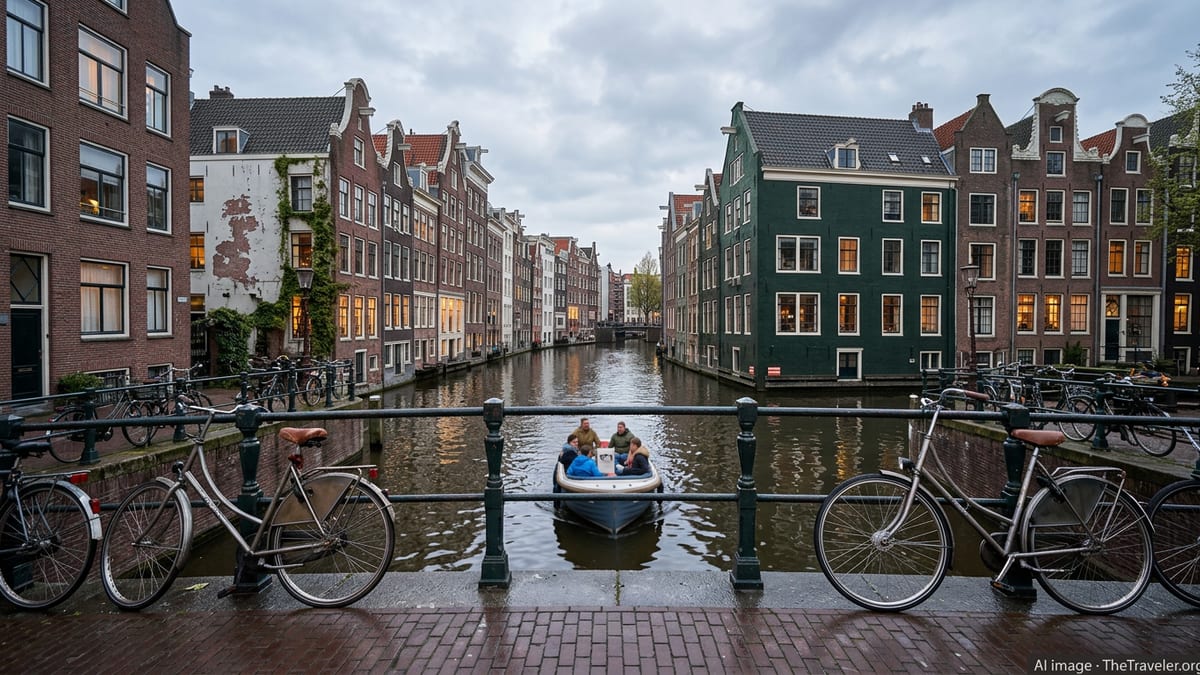
The Big Picture: How the Netherlands Feels to Visit Today
The Netherlands is experiencing one of its strongest tourism periods on record. International arrivals surpassed 20 million in 2023 and continued to grow in 2024, pushing overnight stays to new highs as the industry fully recovered from the pandemic downturn. This means that for visitors, the country generally feels busy, confident, and well set up for tourism, with polished infrastructure and a wide choice of places to stay, eat, and explore.
At the same time, the Netherlands is small and densely populated, and most visitors cluster into a handful of hotspots, especially Amsterdam. That concentration fuels both the charm and the pressure. You will find lively streets, packed cafes, and a sense of energy. You will also notice crowded tram stops, full museums, and neighborhoods where locals and visitors are clearly competing for space.
For many travelers, this trade-off is worth it. The Netherlands combines big-city culture, small-town charm, and easy access to nature in a compact area that is simple to move around. High English proficiency and strong public transport mean that even first-time visitors to Europe tend to feel comfortable quickly. The key is to arrive with realistic expectations about crowds and costs, and to be willing to look beyond a narrow checklist of top sights.
Ultimately, whether the Netherlands is “worth it” right now comes down to how highly you value cultural depth, ease of travel, and urban experiences, and how tolerant you are of busy streets, higher prices, and a certain level of regulation around tourism behavior.
What the Netherlands Does Brilliantly Well
The Netherlands is at its best when you allow it to be more than a long weekend in Amsterdam. On a good trip, you experience a mesh of canal cities, coastal landscapes, rural villages, and contemporary design. The country’s compact size and dense rail network make it entirely feasible to visit multiple regions in just a week without feeling rushed.
Culturally, the offer is rich for a nation of fewer than 20 million people. The big-name museums in Amsterdam, Rotterdam, and The Hague hold some of Europe’s most important collections of Golden Age painting and modern art. Smaller institutions focus on everything from maritime history and resistance stories from the Second World War to design, photography, and science. Many museums now use multilingual audio guides and interactive exhibits, which makes them approachable even if you do not usually gravitate to galleries.
Day-to-day life in Dutch cities is another major attraction. Cycling infrastructure is among the best in the world, and visitors can access it easily with rental bikes and bike-share schemes. Dedicated lanes, clear signage, and a culture that expects cyclists on the roads mean that even cautious riders often feel more confident here than at home. For many travelers, the highlight of the trip is not a single landmark, but the feeling of quietly pedaling along canals, through parks, and into neighborhoods where real life unfolds.
The country also shines in simple comforts. Tap water is safe to drink, trains are generally punctual, and digital payments are widely accepted. English is spoken by a very high percentage of locals, particularly in urban areas, which lowers the friction of everything from ordering coffee to resolving travel glitches. For first-time solo travelers or those anxious about logistics, this combination of reliability and approachability makes the Netherlands an attractive entry point to Europe.
The Downsides: Crowds, Costs, and Overtourism
The major downside of visiting the Netherlands in recent years is not hard to see. Overtourism, especially in central Amsterdam, has become a defining issue. With the city attracting on average more than a million tourists per month while hosting fewer than a million residents, local authorities have rolled out a series of measures to limit the impact of mass tourism. These include stricter rules on holiday rentals, higher tourist taxes, and campaigns explicitly discouraging people who come only for parties, sex tourism, or drug use.
For visitors, this reality shows up in multiple ways. Prices are higher in popular neighborhoods, not only for accommodation but also for simple meals and drinks. Some streets feel dominated by souvenir shops, fast food, and venues clearly aimed at short-stay visitors rather than locals. You may also encounter signage and messaging that feels unusually blunt about expected behavior, especially in and around the Red Light District and nightlife zones.
Costs are another key consideration. As tourism demand recovered and energy and labor costs rose, hotel rates climbed sharply in the bigger cities. Research on the Dutch market notes that post-pandemic price increases could push average hotel costs up by around 10 percent or more in some segments, especially during peak events and summer weekends. While there is still variation between cities and seasons, travelers on tighter budgets may find it difficult to secure central, private accommodation without planning well ahead or accepting smaller rooms and shared facilities.
Finally, regulation is part of the Dutch approach to managing tourism. In and around Amsterdam, you will encounter rules around noise, alcohol consumption in public spaces, and group tours. Large coaches are restricted in the historic center, cruise arrivals are being relocated and capped, and short-term rentals face tighter licensing and limits. For most visitors, these policies simply mean a cleaner, more liveable city. For some, they can also feel like a signal that not every kind of tourism is welcome anymore.
Beyond Amsterdam: What the Rest of the Country Offers
One of the strongest arguments for visiting the Netherlands is that the country’s appeal extends far beyond its capital. While Amsterdam dominates international marketing, other cities and regions offer compelling experiences with fewer crowds and often lower prices. For travelers willing to base themselves outside the busiest center or to day-trip into it rather than stay overnight, the experience can feel more balanced and relaxed.
Historic cities like Utrecht, Leiden, Haarlem, and Delft share many of the canal-laced, gabled charm that draws people to Amsterdam, but on a smaller and calmer scale. Their medieval cores are compact and walkable, with lively student populations, independent shops, and cafes that cater primarily to locals. Museum offerings remain strong, and you can often enjoy major churches, canalside walks, and local markets without shoulder-to-shoulder crowds.
Rotterdam delivers a very different type of Dutch experience. Heavily rebuilt after the Second World War, it is a city of bold contemporary architecture, a major working port, and a thriving food and nightlife scene. Visitors interested in design, modern city planning, and multicultural neighborhoods may find Rotterdam more interesting than Amsterdam. It also typically sees fewer overnight tourists than the capital, which can translate to better value and more space.
Beyond the cities, the Dutch countryside and coast are increasingly important for visitors seeking quieter experiences. Nature and wellness tourism saw noticeable growth in the early 2020s, as people looked for green escapes within easy reach of urban centers. Coastal towns, island landscapes in the north, and inland nature reserves with walking and cycling paths offer opportunities to slow down, explore dunes and forests, and see Dutch life away from the postcard zones. For some travelers, it is this blend of compact cities and accessible nature that makes the country worth a dedicated trip rather than just a quick stopover.
Practical Realities: Weather, Transport, Safety, and Accessibility
On a practical level, the Netherlands is one of Europe’s easier countries to navigate. The national rail network connects major cities at least every 15 to 30 minutes throughout the day, and regional trains and buses reach smaller towns. Tickets can be bought via apps, ticket machines, or contactless payment in many cases, and information is widely available in English. Trains are not cheap compared with some neighboring countries, but the reliability and frequency usually justify the cost.
Weather is a more mixed bag. The Netherlands has a temperate maritime climate, which often means mild temperatures and frequent cloud cover. In spring and autumn, conditions can shift quickly between sunny spells and showers, and even in summer it is common for coastal winds and rain to appear without much warning. While extreme heat is still less common here than around the Mediterranean, hotter, drier summers are becoming more frequent in parts of Europe, and some travelers now see the cooler Dutch climate as a refuge from intense heat elsewhere. Packing layers and rain protection remains essential for most of the year.
In terms of safety, the Netherlands generally ranks as a low-crime, stable destination. Official crime statistics show that reported offenses have fallen significantly over the past two decades, and serious violent crime remains relatively rare by global standards. Petty theft, bicycle theft, and pickpocketing can occur in busy tourist zones and transport hubs, so normal city precautions apply. Authorities also note the potential risk from terrorism, much as they do for other Western European countries, but for most visitors this is a background consideration rather than a defining feature of their trip.
Accessibility is another strength. Public buildings, trains, and many attractions have been gradually adapted to better serve travelers with mobility challenges. Step-free access, tactile paving, and clear signage are increasingly common, particularly in newer infrastructure. Not every historic canal house or tram stop is barrier-free, but overall, visitors with disabilities often find the Netherlands more navigable than many older European destinations. Combined with the widespread use of English, this makes it a practical choice for travelers who need to minimize uncertainty and stress.
Who Will Love the Netherlands Most?
The Netherlands is especially rewarding for certain types of travelers. Urban explorers who enjoy walkable and bikeable cities full of cafes, independent stores, and layered history tend to feel at home here. If your ideal day involves a museum or two, a long canalfront stroll, and a relaxed dinner rather than intense nightlife, you are likely to come away satisfied. The country also suits travelers who like to build multi-stop itineraries without driving, as frequent trains make it simple to string together several cities and towns.
Culture-focused visitors, including art lovers and history enthusiasts, also find a great deal to appreciate. The density of major art collections, historic townscapes, and specialized museums in a small area means you can see world-class works in a manageable timeframe. The presence of many students and researchers in cities like Leiden, Groningen, and Utrecht also creates a lively intellectual atmosphere, with lectures, festivals, and cultural events that travelers can sometimes tap into.
For cyclists and outdoor-oriented travelers, the Netherlands can be close to ideal. The combination of flat terrain, extensive cycling paths, and strong safety culture around bikes is difficult to match elsewhere. Families, in particular, often find that cycling here feels safer and more enjoyable than at home, which can unlock entirely new types of days out. Travelers who value nature that is easy to reach by train or bus will also appreciate how quickly you can move from a station platform to dunes, lakes, or rural landscapes.
Finally, the Netherlands tends to work well for first-time international travelers and solo visitors who value predictability. The administrative systems are digital and transparent, signage is clear, and there is usually someone nearby who can help in English if something goes wrong. For people who want a taste of European culture without feeling overwhelmed by unfamiliar languages or chaotic logistics, this reliability can be the deciding factor.
Who Might Be Disappointed or Better Off Elsewhere?
Not every traveler is an ideal match for the Netherlands in its current tourism cycle. Budget-conscious visitors looking for low accommodation costs, generous space, and inexpensive dining may feel squeezed, particularly in Amsterdam during peak months and around major events. While cheaper options exist in smaller cities and in the shoulder seasons, the baseline cost structure is that of a high-income Western European country.
Travelers whose primary goal is to chase hot, sunny weather and broad sandy beaches all summer long may also find the climate unreliable. While the Dutch coast can be wonderful on a good day, it is not a guaranteed sun-and-sea destination in the way that parts of southern Europe can be. Frequent wind, cooler sea temperatures, and changeable skies mean that a beach-focused holiday is inherently riskier in terms of weather satisfaction.
Visitors drawn mainly by the Netherlands’ reputation for liberal attitudes to drugs and sex work are encountering a changing environment. Authorities are increasingly explicit about discouraging this type of short, hedonistic visit, and have backed up messaging with rules on alcohol sales, smoking, and nuisance behavior in key districts. For people hoping for a consequence-free party playground, the reality may feel more regulated and less welcoming than social media images suggest.
Lastly, travelers seeking a sense of remoteness or wild, empty landscapes might be underwhelmed. The Dutch countryside is attractive, but it is also heavily managed, with agriculture, waterworks, and infrastructure present almost everywhere. If your dream trip centers on high mountains, deep forests, or wilderness, neighboring regions in Scandinavia, the Alps, or parts of Eastern Europe may better match your expectations.
The Takeaway
So, is the Netherlands worth visiting right now? For many travelers, the answer is yes, provided that you approach it thoughtfully. This is a country that delivers a rare combination of cultural richness, ease of movement, and everyday comfort. Its cities are engaging and human-scaled, its cycling culture remains a global benchmark, and its art, history, and design are substantial enough to justify dedicated trips.
At the same time, the pressures of overtourism, higher prices, and ongoing regulation mean that the experience is not uniformly positive, especially in the most visited neighborhoods of Amsterdam. Those who arrive expecting cheap accommodation, unlimited nightlife, or empty canalside streets will likely be disappointed. Understanding that you are entering a real, lived-in country that is actively rebalancing its relationship with tourism is key.
Travelers willing to plan beyond the obvious, explore secondary cities and rural corners, and travel outside the very peak weeks will usually find the Netherlands rewarding and surprisingly varied. For first-time visitors to Europe, solo travelers, art and history lovers, and cyclists, it remains one of the most accessible and enjoyable destinations on the continent. For others, it may make more sense as part of a wider regional journey rather than the single centerpiece of a trip.
In the end, whether the Netherlands is “worth it” is less about marketing images and more about fit. If you value compact cities, strong public transport, nuanced culture, and a calm, practical atmosphere, you will likely come home glad you went. If you prioritize low costs, guaranteed sun, or wild landscapes, you may want to think carefully before committing your entire vacation to these lowlands.
FAQ
Q1. Is the Netherlands still safe to visit in 2026?
The Netherlands remains a generally safe country for visitors, with relatively low levels of violent crime and well-resourced police and emergency services. Standard big-city precautions against pickpockets and scams are advisable in crowded tourist areas and transport hubs, but most travelers experience no serious issues.
Q2. Is Amsterdam too crowded now to be enjoyable?
Amsterdam is undeniably busy, especially in peak months and around major attractions. However, many visitors still enjoy it by booking timed museum tickets, exploring early in the morning or later in the evening, and spending time in less touristed neighborhoods or nearby cities for a contrast.
Q3. How expensive is it to travel in the Netherlands compared with other European countries?
The Netherlands sits in the upper-mid to high range for European travel costs. Accommodation and dining in major cities can be expensive, but prices often moderate in smaller towns and outside peak seasons. Careful planning around location, timing, and style of lodging can noticeably reduce overall costs.
Q4. When is the best time of year to visit the Netherlands?
Late spring and early autumn often provide the best balance of milder weather, manageable crowds, and attractive landscapes. Tulip season in spring draws many visitors, while summer brings outdoor events and longer days but also higher prices and denser crowds in popular areas.
Q5. Do I need to speak Dutch to get around comfortably?
No. English proficiency is very high across much of the Netherlands, particularly in cities and tourist-facing roles. Learning a few basic Dutch phrases is appreciated, but you can generally navigate transport, dining, and sightseeing entirely in English without difficulty.
Q6. Is the Netherlands a good destination for families with children?
Yes. The combination of safe streets, excellent public transport, family-friendly museums, parks, and attractions, plus the ability to cycle on dedicated paths, often makes the Netherlands an easy and enjoyable destination for families with children of various ages.
Q7. Can I see more than just Amsterdam on a short trip?
Absolutely. Thanks to frequent trains and short travel times, it is realistic to visit at least one or two additional cities or regions even on a four- or five-day trip. Places like Utrecht, Haarlem, Leiden, Rotterdam, or nearby coastal areas are straightforward day trips from Amsterdam.
Q8. What should I pack for the Dutch weather?
The most important items are layers and some form of rain protection, regardless of season. A light waterproof jacket, comfortable walking shoes, and clothing that can be adjusted for quick shifts between cool, breezy, and sunny conditions will serve you better than packing for steady heat.
Q9. Is cycling safe for visitors who are not experienced cyclists?
Many visitors with only moderate cycling experience feel comfortable in the Netherlands due to the dedicated bike paths and cycling culture. However, traffic can be fast and busy in major cities, so beginners should start on quieter routes, follow local rules carefully, and avoid rush-hour traffic until they feel confident.
Q10. Is the Netherlands worth a trip if I have already visited other European cities?
For many travelers, yes. The Netherlands offers a distinct blend of canal cities, cutting-edge design, cycling infrastructure, and compact-scale living that feels different from destinations such as Paris, London, or Rome. Whether it is worth a dedicated trip depends on your interests, but it often pairs well with neighboring countries as part of a wider European journey.