

The United Kingdom enters 2026 with tourism firmly back on the global map, a calendar packed with major events, and a reputation for culture, history and creativity that still captures travelers’ imaginations. Yet it is also a country facing a higher cost of living, busy cities and changing travel rules. For anyone weighing up whether the UK is worth visiting in 2026, the answer depends on what you value most from a trip: atmosphere, affordability, ease or novelty. This guide looks at the latest situation across the country to help you decide.
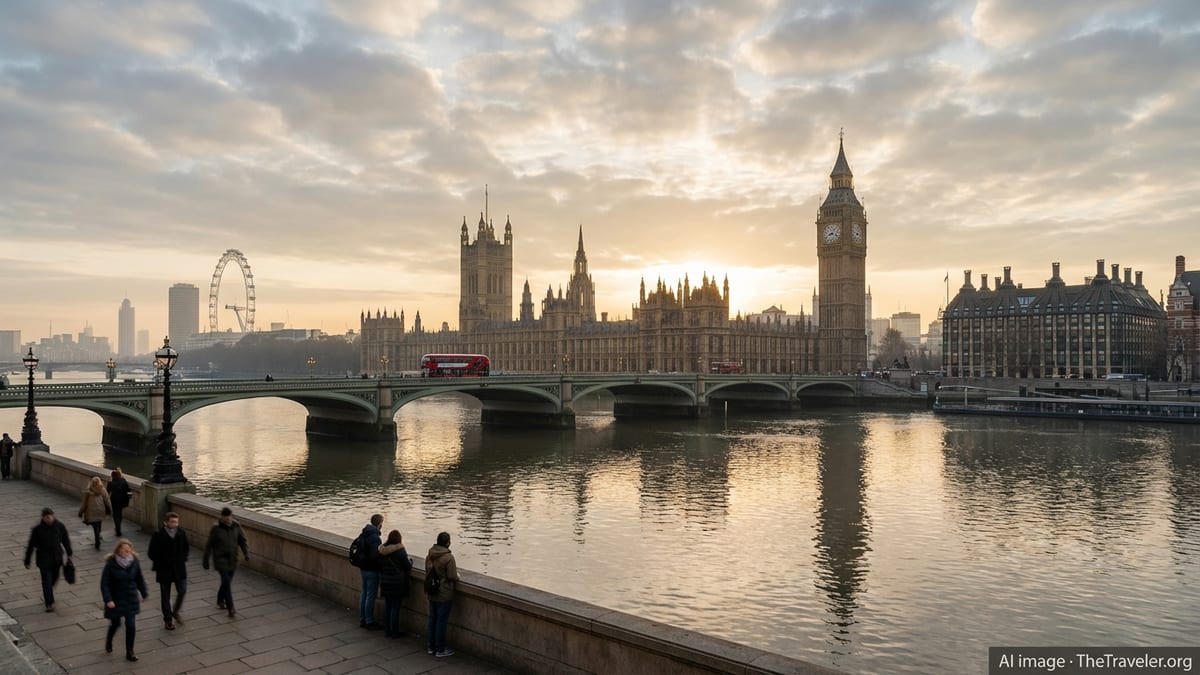
Tourism Outlook: A Rebounding Destination in 2026
Tourism to the United Kingdom has been climbing steadily back toward pre‑pandemic levels, with inbound visits and spending rising year on year. Industry forecasts for 2024 already point to international visitor spending surpassing 2019 in cash terms and visits edging closer to historic highs, suggesting that by 2026 the UK will be a fully re‑established long‑haul destination rather than one in recovery. Travel authorities highlight especially strong demand from the United States, where visitors now account for a substantial share of inbound spending, while European markets continue to rebuild.
Domestic tourism has also remained robust, with millions of trips taken by UK residents within England, Scotland, Wales and Northern Ireland. That steady local demand means many destinations have been able to sustain restaurants, attractions and events year‑round, which ultimately benefits international visitors. By 2026, travelers can expect a tourism sector that is practiced at managing high volumes, with most major sights, tours and museums operating to pre‑2020 standards or better, though advanced booking is increasingly advisable in peak periods.
The government and national tourism boards have been promoting regional travel more aggressively, encouraging visitors to look beyond London to second‑tier and smaller cities. This should continue into 2026, broadening the options for travelers who want the UK experience without capital‑city prices. In short, the overall tourism outlook is positive: the country will be busy but well prepared for visitors, and infrastructure from airports to railways will be geared toward high demand.
Major Events and Festivals: Why 2026 Is a Big Year
One of the strongest arguments for visiting the UK in 2026 is the sheer number of headline events taking place across the year. Birmingham will host the European Athletics Championships in August, bringing elite track and field competition to the recently modernised Alexander Stadium and adding a festival atmosphere to a city already known for its canalside bars, South Asian food and creative neighborhoods. For sports fans, the chance to combine live championships with day trips to the Cotswolds, Stratford‑upon‑Avon or the Welsh borders makes 2026 particularly appealing.
The year’s sporting calendar is busy elsewhere too. The Cheltenham Festival in March is expected to attract hundreds of thousands of racegoers to the Gloucestershire countryside, while the UK Open darts in Minehead and the World Darts Championship in London continue to draw passionate crowds to coastal resorts and the capital. Summer cricket will once again feature The Hundred tournament across England and Wales, putting big‑game atmospheres into stadiums from London and Birmingham to Cardiff and Leeds and offering travelers an easy way to experience a distinctive local sporting culture.
Culture and music events are no less significant. The Brit Awards, held for the first time in Manchester in 2026, highlight a broader decentralisation of the UK music scene, where major ceremonies and festivals increasingly take place beyond London. Liverpool’s Africa Oyé festival is scheduled to return in June 2026 after a hiatus, reinforcing the city’s reputation for free, open‑air celebration of African and Caribbean music and food. London’s own calendar continues with events such as the Highways country and Americana festival at the Royal Albert Hall and long‑running staples from Notting Hill Carnival to the Chinese New Year celebrations in the West End.
For travelers, these occasions mean more than just tickets and schedules. They transform entire cities, with pop‑up food stalls, extended opening hours and a general sense of celebration. If you enjoy crowds, live music or sport, planning a 2026 trip around one or two key events could make the UK not just worth visiting, but unforgettable. If you prefer quieter experiences, you may instead want to track these dates to avoid the busiest weekends in specific locations.
Costs, Value and Budgeting in a High‑Price Environment
The main hesitation many travelers have about the UK in 2026 is cost. Like much of Europe, the country has experienced an elevated cost of living, affecting accommodation, dining and everyday purchases. While inflation has moderated compared with its peak, prices for hotels in central London, train fares bought at the last minute and meals in fashionable neighborhoods remain high by global standards. That said, the range of options is broad, and travelers who plan ahead and make selective choices can still find decent value.
Accommodation is likely to be the biggest single expense. Major cities see busy corporate and events calendars, which keep occupancy levels up and limit last‑minute bargains. Booking early for 2026, particularly around big sporting or cultural events, gives you the best chance of securing mid‑range hotels or well‑reviewed guesthouses at sensible rates. In university cities such as Oxford, Cambridge and Durham, visitors can sometimes stay in college rooms during vacation periods, offering an atmospheric alternative to hotels and often representing good value.
Transport costs can be managed with strategy. Advance rail fares on long‑distance routes are frequently far cheaper than flexible tickets bought on the day, and regional bus and coach networks offer still lower prices, though with longer journey times. Within cities, contactless payment caps daily and weekly spending on many public transport systems, particularly in and around London, meaning that heavy users of buses and the Underground may pay less per trip than occasional riders. Travelers willing to base themselves in smaller cities and make day trips can often benefit from lower accommodation prices while still enjoying the highlights of more famous destinations.
Crucially, a significant portion of the UK’s cultural offer remains free or low cost. Major national museums and galleries in London and other capitals do not charge for general admission, although special exhibitions may require tickets. Public parks, historic neighborhoods and coastal landscapes are free to explore, and many smaller towns host festivals and markets where the atmosphere comes without a fee. For visitors ready to mix a few high‑ticket experiences with a majority of free or modestly priced activities, the UK in 2026 can feel like good value even against a backdrop of higher prices.
Cultural Life, Heritage and Everyday Atmosphere
Culture remains the UK’s biggest draw. From grand institutions to grassroots venues, the country offers a density of experiences that is hard to match within a relatively compact area. London continues to deliver blockbuster exhibitions, West End theatre, live music and global dining, but 2026 also underscores the role of cities such as Manchester, Glasgow, Bristol and Belfast as creative powerhouses in their own right. The relocation of major ceremonies and the growth of festivals outside the capital reflect a broader trend toward a more distributed cultural map.
Historic sites are another perennial reason to visit. Royal palaces, medieval cathedrals, Roman ruins and industrial heritage sites help tell the story of a country that has repeatedly reinvented itself. In 2026, these landmarks are not just preserved monuments but living spaces layered into contemporary city life. It is common to walk from a centuries‑old pub to a new gallery or co‑working space in a matter of minutes, giving visitors the sense of moving between eras in a single stroll. For many travelers, this contrast between deep history and present‑day creativity is what makes the UK feel special.
Everyday atmosphere also plays a powerful role. The pleasure of a pub filled with local fans watching a match, a conversation on a train between strangers or a chance encounter at a food market can be as memorable as any scheduled attraction. In 2026, the hospitality industry, still mindful of the disruptions of previous years, generally appreciates international visitors and works hard to provide a warm welcome. While service styles vary and the UK is not known for the formal politeness of some destinations, most travelers report feeling comfortable and safe exploring both big cities and smaller communities, particularly when they take standard urban precautions.
Language and familiarity lower barriers for many visitors. English is widely spoken across the UK, and the influence of British media and music means that first‑time visitors often find the culture strangely familiar. Yet regional identities are strong, from the bilingual signs and dragon flags of Wales to the musical accents of Glasgow and Liverpool and the distinct cultural life of Northern Ireland. Travelers who actively seek out these differences, rather than limiting themselves to central London, generally come away with a more nuanced and rewarding impression of the country.
Nature, Landscapes and Off‑Beat Regions
For all its urban energy, the UK in 2026 is equally compelling for travelers who value nature and open space. National parks such as the Lake District, Snowdonia, the Cairngorms and the Peak District offer hiking, cycling and climbing amid dramatic scenery, while long‑distance trails like the South West Coast Path and Hadrian’s Wall Path remain bucket‑list routes for walkers. Coastal areas from Cornwall and Devon in the south to Northumberland and the Scottish Highlands in the north provide wild beaches, cliffs and islands that feel far removed from the bustle of London or Manchester.
These landscapes are relatively accessible compared with wilderness areas in larger countries. In many cases, a journey of only a few hours by train or car will carry you from an international airport to a national park or remote coastal town. Public transport links are strongest in England and parts of Scotland and Wales, while more remote Highland and island areas may require ferries or long bus rides. The effort is rewarded with views of lochs, moors and mountains, as well as encounters with small communities that rely on tourism but still retain a distinctive way of life.
Off‑beat regions are a particular strength of the UK experience in 2026. Former industrial towns are reinventing canals as green corridors, converting warehouses into galleries and breweries, and commissioning public art on a scale that encourages exploration. Seaside towns once associated with summer day‑trips are experimenting with food festivals, arts residencies and creative hubs that make them interesting in shoulder seasons as well. Travelers willing to move beyond the most famous names are likely to find lower prices, fewer crowds and a sense of discovery that contrasts with the highly curated experience of central London.
The country’s compact size makes it realistic to combine urban and rural elements within a single trip of modest length. A two‑week visit in 2026 could easily include a few days of theatre and museums in London, time among the lakes and mountains of the north, and a city such as Edinburgh, Cardiff or Belfast for a different national perspective. For many potential visitors, this blend of cultural depth and natural beauty in a relatively small geographic area is what tips the balance toward “yes” when deciding if the UK is worth the journey.
Practicalities: Safety, Weather and Entry Requirements
On the practical side, the UK in 2026 remains a generally safe destination for most travelers. Like any major European country, it experiences crime and occasional protests, but violent incidents affecting tourists are relatively rare and most visits pass without serious problems. Standard urban precautions apply: keep valuables out of sight on public transport, use licensed taxis or reputable ride‑hailing services at night, and stay attentive in crowded areas where pickpocketing can occur. Rural areas, national parks and small towns tend to feel especially secure, although visitors should still take care with driving conditions and outdoor safety.
Weather is more variable. The UK’s climate is famously changeable, and 2026 is unlikely to be an exception. Travelers should be prepared for rain at almost any time of year, especially in western and northern regions, but extended dry and warm spells are also increasingly common in summer. Spring and autumn can be particularly rewarding seasons to visit: crowds are usually smaller than in July and August, landscapes are green or turning golden, and accommodation may be more affordable. Winter visits appeal to those interested in cosy pub culture, early nightfall cityscapes and off‑season rates, with the caveat of reduced daylight and occasional transport disruptions.
Entry requirements in 2026 will vary by nationality and may evolve, especially for visitors from Europe following post‑Brexit changes, and for travelers who require visas based on their home country’s relationship with the UK. Many visitors from North America and parts of Asia and the Pacific will continue to enjoy relatively straightforward entry for short stays, but it is essential to check official guidance shortly before travel, as rules on electronic authorisation systems, biometric data or permitted length of stay can change. Health requirements are generally modest, though travel insurance that covers medical care and potential delays remains strongly advisable.
Transport infrastructure remains a mixed picture. Major airports such as Heathrow, Gatwick, Manchester and Edinburgh are well connected but can be prone to congestion and occasional disruption. Inter‑city rail offers speed and comfort on principal routes, but engineering work at weekends and episodic industrial action can affect schedules. In 2026, travelers should build some flexibility into their itineraries, allow generous connection times and stay alert to updated information from operators. Within cities, public transport is typically extensive, and many urban centers are increasingly friendly to pedestrians and cyclists, a trend supported by new walking routes and low‑traffic zones.
The Takeaway
Is the United Kingdom worth visiting in 2026? For most travelers, the answer is yes, provided expectations are aligned with reality. This is a country where culture, history and creativity are on full display, from globally known landmarks to neighborhood festivals and regional music scenes. The events calendar is unusually rich, with major sporting championships, music awards and cultural gatherings offering opportunities to experience the UK at full energy. At the same time, quiet landscapes, coastal paths and small towns provide balance and space.
The main trade‑off is cost. Prices for accommodation, dining and transport can be high, especially in London and during major events. Yet with careful planning, early booking and a willingness to explore beyond the most obvious districts, visitors can find solid value, supplemented by an impressive array of free museums, public parks and informal cultural experiences. Safety, infrastructure and the widespread use of English further reduce friction, making the UK a relatively straightforward choice even for less experienced international travelers.
Ultimately, the UK in 2026 rewards curiosity. Those who come only for the postcard sights may find crowds and expense. Those who dig a little deeper, visiting regional cities, engaging with local events, and venturing into national parks and coastal areas, are likely to discover a country that feels both familiar and surprising. If that blend of energy and nuance appeals, then planning a visit in 2026 is not just worthwhile, it may be one of your most memorable trips of the decade.
FAQ
Q1. Is the UK safe to visit in 2026?
The UK remains generally safe for visitors, with most trips trouble‑free. Standard urban precautions in big cities and awareness of your surroundings are usually sufficient.
Q2. Is the UK very expensive to visit now?
Prices are relatively high compared with many destinations, particularly for central hotels, eating out and last‑minute train tickets, but careful planning and use of free attractions can keep budgets under control.
Q3. When is the best time to visit the UK in 2026?
Late spring and early autumn often offer a good balance of milder weather, lighter crowds and more moderate prices, although specific dates may be shaped by major events you wish to attend.
Q4. Do I need to rent a car to explore the UK?
No. Many key destinations are accessible by train or coach, especially in England and Scotland, though a car can be useful for remote rural areas, islands and flexible road‑trip itineraries.
Q5. Are UK museums and galleries still free to enter?
Many national museums and galleries in London and other cities offer free general admission, though some special exhibitions, smaller institutions and historic houses charge entry fees.
Q6. How far in advance should I book accommodation for 2026?
For visits during major events or peak summer, booking several months in advance is wise. For shoulder seasons, you may find more flexibility, but early reservations still secure better value.
Q7. What are the main reasons people visit the UK?
Travelers are drawn by historic sites, theatre and music, diverse cities, countryside and coastal landscapes, and the chance to experience familiar yet distinctive British culture.
Q8. Is public transport reliable in the UK?
Public transport is extensive and generally reliable, but engineering works and occasional industrial action can affect services. Checking timetables and allowing extra time for connections is sensible.
Q9. Can I visit several countries within the UK on one trip?
Yes. With thoughtful planning, it is realistic to visit England plus Scotland, Wales or Northern Ireland on a single itinerary, especially if you focus on a limited number of regions.
Q10. Is the UK worth visiting if I have already been to London?
Absolutely. Regional cities, national parks, islands and coastal areas offer very different experiences, and a return trip focused beyond London can feel like visiting a new country.