

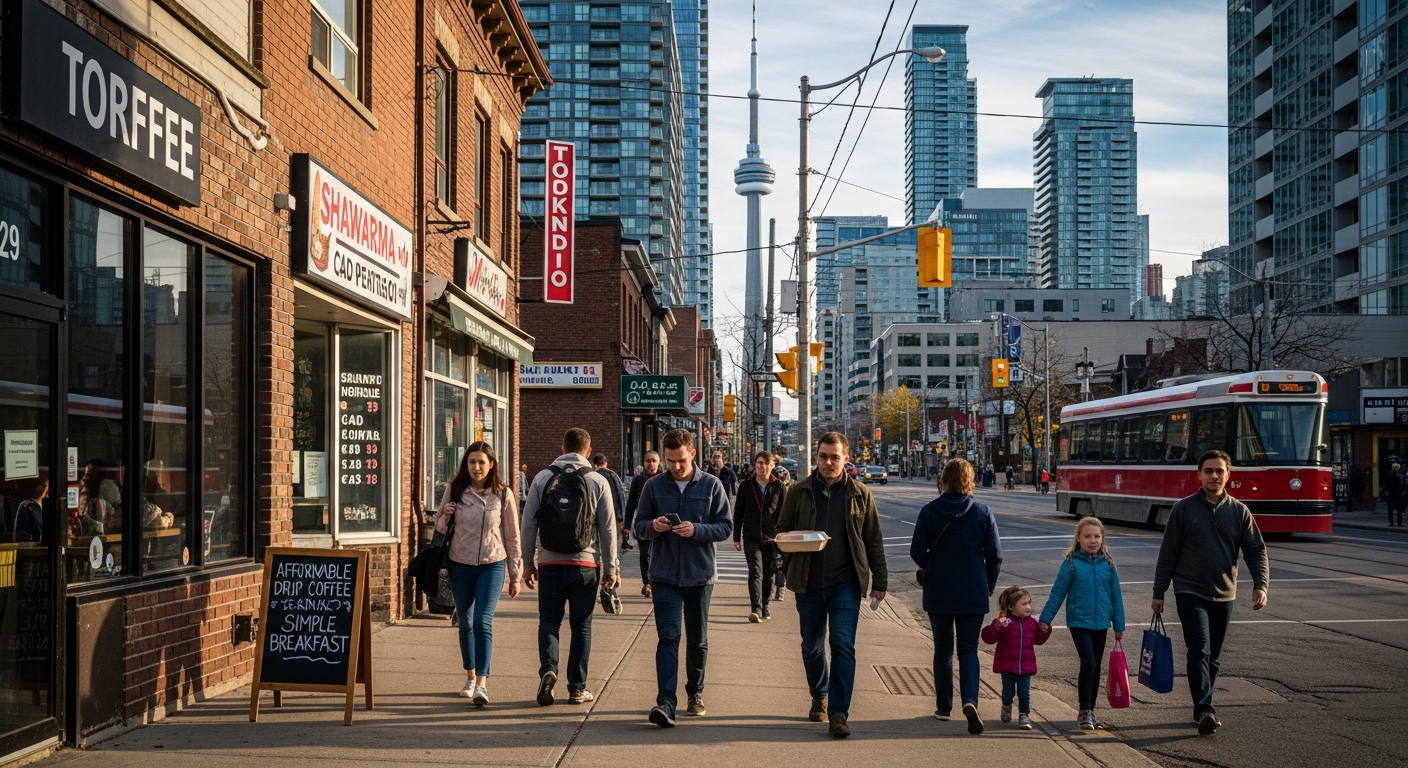
Toronto has a reputation for being one of Canada’s pricier cities, and for many travelers its skyline of gleaming condos and business towers comes with an unspoken warning about the cost.
Yet as visitor numbers keep rising and the city’s transit system and tourism offers evolve, the reality on the ground is more nuanced. Toronto can be expensive, but with smart timing, neighborhood savvy and a willingness to travel like a local, it can also be surprisingly manageable on a mid‑range or even tight budget.
The Big Picture: How Toronto’s Costs Compare
Before breaking down line items like hotels and transit, it helps to understand where Toronto sits in the wider cost hierarchy. For travelers deciding between North American cities, Toronto often lands somewhere between the eye-watering prices of New York or San Francisco and the gentler hit of cities like Montreal or Chicago.
Everyday costs reflect its status as Canada’s largest metropolis, yet a strong U.S. dollar, robust transit and a wide range of budget food and accommodation options temper the blow for many visitors.
Online cost-of-living aggregators consistently rank Toronto among the most expensive cities in Canada for residents, especially when it comes to rent and home prices. For visitors, however, short stays tend to feel closer to a mid‑to‑high tier European capital.
Think higher than Lisbon or Prague, but often lower than London or Copenhagen once exchange rates are factored in. If you are arriving with U.S. dollars, your money typically stretches further than it would in many major American hubs.
Season also matters. High summer, major festival weekends and key sports events can send prices soaring, while winter and shoulder seasons can deliver significant savings. As a rule of thumb, accommodation and certain attractions track demand closely, while transit, groceries and many casual dining spots remain relatively stable year‑round.
Accommodation: Where the Real Sticker Shock Lives
For most visitors, lodging is the single biggest variable in a Toronto travel budget. Hotel rates in central neighborhoods have surged over the past few years, reflecting both rising demand and constrained supply in the downtown core. That said, prices still span a broad spectrum, from polished business hotels and luxury towers in the financial district to student-friendly hostels and suburban motels on transit lines.
Average Hotel Prices and What to Expect
Mid‑range hotels in central Toronto commonly price out in the higher hundreds of Canadian dollars per night during peak season, particularly around the Entertainment District, Harbourfront and near Union Station. Major chains near convention venues and sports arenas tend to command premium rates tied to event calendars, which can catch casual visitors off guard if they have not checked what is on in town.
Outside of major events, you can often find mid‑range properties in the downtown area for a more moderate rate, especially if you are flexible about exact neighborhoods and book a few months in advance.
Expect smaller rooms than in many U.S. cities, particularly in new-build boutique hotels where space is at a premium. Breakfast may not be included, but in dense districts like the Annex or Chinatown, cheap cafes and bakeries are abundant enough that this does not need to add much to your daily spend.
Budget Options: Hostels, Guesthouses and Suburban Stays
For travelers on tighter budgets, Toronto’s hostels and basic guesthouses remain the most reliable way to bring nightly costs down. Shared dorm beds at reputable hostels in central neighborhoods typically cost a fraction of a standard hotel, with private rooms still coming in well below mid‑range properties nearby.
Facilities often include communal kitchens, which can dramatically reduce food expenses if you are willing to cook occasionally.
Another tactic is to look beyond the downtown core to transit‑linked suburbs. Neighborhoods along major subway lines such as the Bloor‑Danforth corridor, or near stations like North York Centre or Scarborough Centre, have mid‑range and budget hotels aimed more at business travelers or families than tourists.
While you will spend extra time commuting to the attractions, nightly rates can be noticeably lower, and the underground transit network makes journeys straightforward.
When to Book and How to Save
In Toronto, timing can be almost as important as location. Early booking is particularly useful if your visit coincides with flagship events like the Toronto International Film Festival, major concerts or playoff runs for the city’s sports teams. Rates can spike several-fold on such dates.
To keep costs predictable, consider:
- Traveling in the shoulder seasons of late April to early June or late September to early November, when leisure demand slackens and business travel has not fully peaked.
- Using free cancellation options to lock in reasonable rates early and then checking periodically for price drops.
- Accepting small trade-offs such as interior rooms, lower floors or slightly older properties in exchange for significantly lower nightly costs.
Getting Around: Transit, Taxis and Walking
Transportation is one area where Toronto can feel relatively good value for a large city. The Toronto Transit Commission, or TTC, operates a network of subways, streetcars and buses that cover the bulk of areas most visitors want to explore.
In recent years the system has moved entirely to modern payment methods, while retaining relatively modest base fares compared with many North American peers.
TTC Fares and Passes
As of late 2025, a standard adult single ride on the TTC costs just over three Canadian dollars, with a slight discount when paying via the region’s contactless fare system instead of cash.
That single fare buys you two hours of unlimited transfers across buses, streetcars and subways in one direction of travel, which is especially helpful if you are hopping between neighborhoods for sightseeing or meals.
For heavier transit users, a monthly pass offers unlimited rides across the network for a fixed fee that roughly equates to a couple of rides per weekday plus some weekend trips. Local policymakers have also been debating a shift to fare capping, where riders would pay per trip up to a certain monthly threshold and travel free after that, but the exact timing and shape of that change may vary.
Whatever the specific mechanism, the intent is to keep frequent use affordable compared with daily cash fares.
Low‑income residents who qualify may access the city’s Fair Pass program, which provides a significant discount on adult transit fares and monthly passes for a 12‑month period. While this is primarily aimed at residents rather than short‑term visitors, it reflects Toronto’s broader effort to keep public transport within reach even as general living costs rise.
Contactless Payment and PRESTO
Legacy tokens and paper tickets have now been fully retired, and riders are expected to pay with cash, debit or credit cards, or the region’s PRESTO system. For visitors staying several days or more, purchasing a physical PRESTO card is often worthwhile, since it unlocks the small per‑ride discount and can be topped up easily at subway stations, some retailers and machines.
If you prefer to keep your wallet light, most TTC gates and vehicle readers also accept tap‑to‑pay credit and debit cards, including those stored in mobile wallets.
This is convenient for quick trips from downtown to neighborhoods like Leslieville or the Junction, where you may not ride frequently enough to justify a month-long pass but still want the two-hour transfer window.
Taxis, Rideshare and Walking
Compared with many U.S. cities, Toronto’s regulated taxi fares feel mid‑range rather than punitive, but longer rides in traffic quickly outstrip the cost of transit. Rideshare services tend to track taxi pricing relatively closely in central areas, varying with surge conditions.
Airport rides to downtown can be a noticeable line item in your budget; travelers willing to trade a bit of time for savings often take the regional rail link or a combination of bus and subway instead.
Within the core, downtown Toronto is very walkable. Many of the city’s major attractions, including the waterfront, the Entertainment District, the St. Lawrence Market area and key museums, cluster within a grid of streets that lend themselves to exploring on foot. In winter, the underground PATH network offers a climate‑controlled way to move between many central buildings, which can also reduce transit use for short hops.
Food and Drink: From Cheap Eats to Tasting Menus
Toronto’s food scene is one of its great strengths, and it can be far more forgiving on a budget than you might expect in such a large city. While high‑end restaurants and cocktail bars easily match prices in other global cities, the multicultural fabric of the city and its dense neighborhoods produce a wealth of affordable, high‑quality options at the casual end of the spectrum.
Everyday Meal Costs
In 2025, average dining costs in Toronto have settled into a clear stratification. A mid‑range restaurant meal with a drink in central neighborhoods generally costs the equivalent of a moderate night out in an American city of similar size. However, plentiful quick‑service spots and independent eateries bring the per‑meal cost down dramatically if you are willing to step slightly off the main tourist corridors.
Budget travelers can comfortably aim for daily food costs that combine one sit‑down meal with cheaper options elsewhere. Breakfasts from independent cafes, bakeries or supermarket bakeries are easy to source for only a few dollars. Lunch from a food court, Chinatown eatery, shawarma shop or Caribbean takeout counter might run to a modest sum, with enough variety to keep things interesting for a week or more.
Ethnic Neighborhoods and Cheap Eats
Toronto’s immigrant communities are the backbone of its affordable dining. Chinatown, Kensington Market, Little India along Gerrard Street, Greek eateries along the Danforth, and the many Korean and Japanese spots along Bloor and in North York all offer generous portions at prices well below downtown fine dining. These neighborhoods are typically very transit‑accessible, making them ideal for visitors without a car.
Food courts inside office towers and malls can also be surprisingly good value, especially on weekdays when they cater to office workers. St. Lawrence Market and other urban markets skew more toward specialty and artisanal products, but even there, savvy choices such as sharing a peameal bacon sandwich or building a picnic from deli counters can keep costs sensible.
Groceries and Self‑Catering
If you are staying in a rental with a kitchen or a hostel with cooking facilities, shopping at local supermarkets or ethnic grocers can dramatically reduce overall spending. Chain supermarkets in the downtown core charge slightly more than their suburban counterparts, but prices on staples are still generally lower than in many large U.S. cities. Discount grocers and small produce markets further widen the options for those willing to walk a few extra blocks.
Stocking up on basics such as breakfast foods, fruit, snacks and drinks is a straightforward way to avoid constant cafe stops. Making simple dinners on some nights and reserving restaurants for selected meals can turn a trip that seemed financially out of reach into something very manageable.
Attractions, Culture and City Passes
Toronto’s major attractions are not cheap individually, but their costs line up with other big-city museums, towers and aquariums across North America. For visitors planning to hit several attractions in a short period, bundled passes and targeted free days can significantly reduce out‑of‑pocket expenses.
Headline Attractions and Typical Prices
Flagship sights such as the CN Tower, a prominent downtown aquarium, and the signature museums typically charge adult admission fees in the mid double‑digit range in Canadian dollars.
Special exhibitions at major institutions such as the Royal Ontario Museum or the Art Gallery of Ontario can carry surcharges on top of general admission, so it is wise to check what is showing during your dates and plan accordingly.
These venues often offer discounts for students, children and seniors, and sometimes reduced evening rates on particular days. For families, cumulative savings on child and youth tickets can be substantial, especially when combined with weekday or off‑peak visits.
Toronto CityPASS and Bundled Offers
For travelers focused on the classic highlights, the Toronto CityPASS bundles several top attractions into a single ticket, typically including the CN Tower and a major aquarium plus a choice of museums, a seasonal harbour cruise or the zoo. At current prices, the bundle can save you a significant percentage off individual admissions if you plan to see multiple included attractions within a nine‑day period.
The key with any pass is to match it to your actual plans. If you are a slow traveler who prefers wandering neighborhoods to ticking off paid sights, a pass may not justify its cost. On the other hand, first‑time visitors who want the full slate of big-ticket experiences in a long weekend can come out well ahead, especially when traveling with a partner or family.
Free and Low‑Cost Cultural Experiences
Balancing marquee attractions with free or cheap experiences is crucial to keeping a Toronto trip affordable. Thankfully, the city offers plenty of both. Public festivals, outdoor concerts in summer, and neighborhood cultural events offer entertainment at little to no cost. Parks, waterfront promenades and the Toronto Islands provide natural escapes for only the price of a modest ferry ticket or sometimes entirely free access.
Several museums and galleries run free or pay‑what‑you‑can hours weekly or monthly, often in the evenings. While these periods can get busy, they allow budget-conscious visitors to experience major collections without adding heavily to their daily spend. Checking schedules before you arrive lets you cluster expensive activities on some days and lean on free options on others.
Neighborhoods and Where Your Money Goes Farther
Toronto is a city of distinct neighborhoods, and costs can vary visibly from one district to the next. Central areas around Union Station, the Entertainment District and parts of Yorkville cater heavily to business travelers and affluent locals; prices in cafes, bars and stores follow suit. Move even a few subway stops away and the financial tone changes noticeably.
Downtown Core vs Alternative Bases
Staying right in the downtown core delivers unbeatable convenience if your plans revolve around the financial district, the waterfront and big-ticket attractions. It also locks you into some of the city’s highest prices for food, drink and nightlife. Many budget-conscious travelers instead treat central Toronto as somewhere to visit rather than to sleep.
Neighborhoods such as the Annex, Cabbagetown, Leslieville and parts of the west end like Roncesvalles and Parkdale often offer a softer price profile while still feeling vibrant and urban. Restaurants and bars orient more toward locals, which in practice means better value on everything from brunch to craft beer. These areas are also well served by transit, making morning and evening commutes into the core relatively painless.
Venturing Further: North York, Scarborough and Etobicoke
For travelers comfortable riding the subway or buses, outer districts open even more possibilities. North York’s main corridors and parts of Scarborough and Etobicoke house mid‑scale hotels, ethnic food clusters and large shopping centers, all at price points that can undercut downtown by a substantial margin.
The tradeoff is time. You might spend half an hour or more commuting each way, and late‑night options can be thinner outside the core. Yet for trips of a week or more, the cumulative savings on accommodation and daily expenses can be considerable, especially for families or groups booking multiple rooms.
Short Stays vs Longer Visits
On a short city break, paying a premium to be central can be justified when every hour counts. For a week‑long stay, sliding out a few stops into a neighborhood with a calmer, less touristy feel and lower baseline prices often makes more sense. Many visitors find that the more time they spend in Toronto, the more they gravitate toward areas where local life is visible and everyday costs feel closer to what residents actually pay.
Sample Budgets: Shoestring to Comfortable
So how expensive is Toronto really? The answer depends on your travel style, but breaking down sample daily budgets offers a useful reality check. The following rough figures assume two people traveling together, excluding flights but including intra‑city transport, food, local attractions and modest entertainment.
Backpacker or Shoestring Traveler
At the lowest end, a disciplined traveler staying in hostel dorms or very basic guesthouses, eating mainly at cheap eateries and cooking occasionally, and prioritizing free activities can aim for a daily budget in the low double digits per person in U.S. dollars once currency conversion is considered. Transit costs can be kept down by strategic use of the two‑hour fare window and extensive walking.
This level of spending usually means:
- Shared dorms or simple private rooms far from downtown.
- Street food, ethnic takeout, supermarket meals and self‑catering.
- Free attractions, parks, waterfront walks and occasional discounted museum visits.
- Minimal nightlife in expensive bars or clubs.
Mid‑Range Comfort
Most visitors fall into a mid‑range pattern, balancing comfort with conscious value‑seeking. A couple sharing a decent but not luxurious hotel, eating one sit‑down meal per day, using transit freely and seeing a mix of paid and free attractions might find their daily spend landing comfortably in the mid range in U.S. dollars per person.
In practice, that looks like:
- A centrally located or transit‑linked hotel or rental with private bathroom.
- Cafe breakfasts, casual lunches and a mix of casual and mid‑range dinners.
- Multiple TTC rides per day, possibly including a month‑equivalent pass for longer stays.
- Admission to several marquee attractions spread across the trip, sometimes via a bundled city pass.
- Affordable nightlife such as pubs, smaller music venues or neighborhood bars rather than high‑end clubs.
High‑End City Break
Travelers who want to treat Toronto as a luxury city break can easily spend far more. Top‑tier hotels, tasting menus, premium tickets for sports and entertainment, private tours and frequent taxi or rideshare use will push daily costs into line with other high‑spending city breaks around the world.
The important point is that Toronto’s higher price tags often reflect choices rather than unavoidable baselines. Many of the city’s best experiences, from strolling neighborhood streets to exploring markets and waterfront trails, cost very little, while expensive add‑ons sit clearly in the realm of discretionary spending.
The Takeaway
Toronto is not a bargain basement destination, and its reputation for high living costs is rooted in realities that residents feel daily, particularly in housing. For travelers, however, the story is more balanced. A strong U.S. dollar, flexible transit system, deep bench of budget‑friendly food and accommodation options, and a wealth of free or inexpensive experiences all conspire to make the city as affordable as you are willing to make it.
Visitors who demand central hotels, back‑to‑back marquee attractions and nightly entertainment in the priciest districts will indeed find Toronto expensive. Those prepared to ride the subway a few stops, eat where locals eat, weave free festivals and parks into their sightseeing, and use passes or off‑peak discounts will likely conclude that the city delivers solid value for a major North American metropolis.
Ultimately, Toronto on a budget is less about sacrifice and more about strategy. With a bit of planning and openness to its many neighborhoods, the city can feel welcoming not just culturally but financially too.
FAQ
Q1. Is Toronto more expensive than other major Canadian cities for travelers?
Toronto is generally more expensive than most other Canadian cities, especially for accommodation and dining in central neighborhoods, but for short visits it often compares to a mid‑to‑high tier European capital rather than an outlier far above everywhere else.
Q2. How much should I budget per day for a mid‑range trip to Toronto?
For a comfortable mid‑range experience, many travelers find a daily budget that covers a decent hotel, transit, two to three meals including one sit‑down restaurant, and one paid attraction suffices, with the exact amount varying according to exchange rates and personal spending habits.
Q3. Is it cheaper to stay outside downtown and commute in?
Yes, staying in neighborhoods a few subway stops from the core or in transit‑linked suburbs usually lowers nightly accommodation costs, and the savings often outweigh the modest increase in transit spending and commuting time.
Q4. Are Toronto’s public transit fares good value for visitors?
Public transit fares are relatively good value, especially with the two‑hour transfer window that allows multiple rides on one fare, and frequent users can benefit from monthly passes or future fare‑capping schemes that limit overall spending.
Q5. Can I eat well in Toronto on a tight budget?
Yes, Toronto’s diverse neighborhoods are full of affordable, high‑quality food options, from Chinatown and Little India to food courts and small ethnic grocers, making it entirely possible to eat well without frequenting expensive restaurants.
Q6. Are major attractions in Toronto worth the price?
Flagship attractions like towers, aquariums and large museums are not cheap, but many visitors feel they are worth the cost, and bundling them via city passes or timing visits for discounted hours can improve overall value.
Q7. When is the cheapest time of year to visit Toronto?
Generally, winter and the shoulder seasons of spring and fall are cheaper for accommodation than peak summer or major event periods, although you may trade warmer weather for better rates and smaller crowds.
Q8. How much does airport transportation to downtown usually cost?
Using regional rail or a combination of bus and subway is usually significantly cheaper than taxis or rideshares, which can become a noticeable expense once tip and potential traffic delays are factored in.
Q9. Do I need a car to explore Toronto on a budget?
You do not need a car; in fact, skipping a rental saves money on parking and insurance, since the TTC network, occasional regional trains and simple walkability cover most visitor needs within and near the core.
Q10. Overall, is Toronto too expensive for budget travelers?
Toronto can be challenging at the very lowest budgets, but it is not out of reach; with hostel stays, transit use, cheap eats and strategic attraction choices, budget travelers can still experience much of what makes the city special without overspending.