

Wisconsin is better known for lakes, supper clubs, and small-town charm than for safety concerns, and overall it ranks as a relatively safe place for visitors. Like any destination, though, it has a mix of big cities, rural highways, and wild landscapes where a bit of preparation goes a long way. Understanding local crime patterns, seasonal weather, and health considerations will help you relax and enjoy your time in the Badger State.
How Safe Is Wisconsin Overall?
From a big-picture perspective, Wisconsin is generally a safe state for travelers compared with national averages. Recent federal crime data suggests that both violent and property crime rates in Wisconsin sit noticeably below the United States average per 100,000 residents. That does not mean crime is absent, but it does indicate that visitors who use common-sense precautions are unlikely to encounter serious trouble during a typical trip.
Violent crime in Wisconsin is concentrated most heavily in a few urban areas, especially larger cities such as Milwaukee and, to a lesser degree, Madison and some smaller industrial communities. Even in those cities, crime is far from uniform. Certain neighborhoods see the bulk of incidents, while many residential and tourist-focused districts experience relatively low rates of serious offenses. Outside the cities, much of Wisconsin is made up of small towns, farm country, and outdoor destinations where crime levels are comparatively modest.
Property crime, including theft from vehicles and occasional burglaries, is the most common issue that travelers might encounter. These are typically crimes of opportunity rather than targeted incidents against tourists. Locking your car, keeping valuables out of sight, and being aware of your surroundings in crowded areas will significantly reduce your risk. Travelers who exercise the same level of caution they would in any other U.S. destination are likely to find Wisconsin a comfortable and manageable place to explore.
As always, official crime statistics provide only part of the safety story. Seasonal weather, road conditions, and outdoor hazards can pose greater risks than crime for many visitors, particularly in winter or in remote natural areas. If you plan to drive long distances, hike, or venture out on lakes and trails, it is wise to pay as much attention to the environment as to the crime rate.
City Safety: Milwaukee, Madison and Other Urban Hubs
Most visitors who fly into Wisconsin or stay in larger hotels will encounter Milwaukee or Madison at some point. These cities offer museums, restaurants, breweries, sports venues, and lakefronts that draw both residents and tourists. They also account for a significant share of the state’s reported crime, simply because of their size and density. Understanding the layout and character of different neighborhoods can help you enjoy the urban energy while minimizing risk.
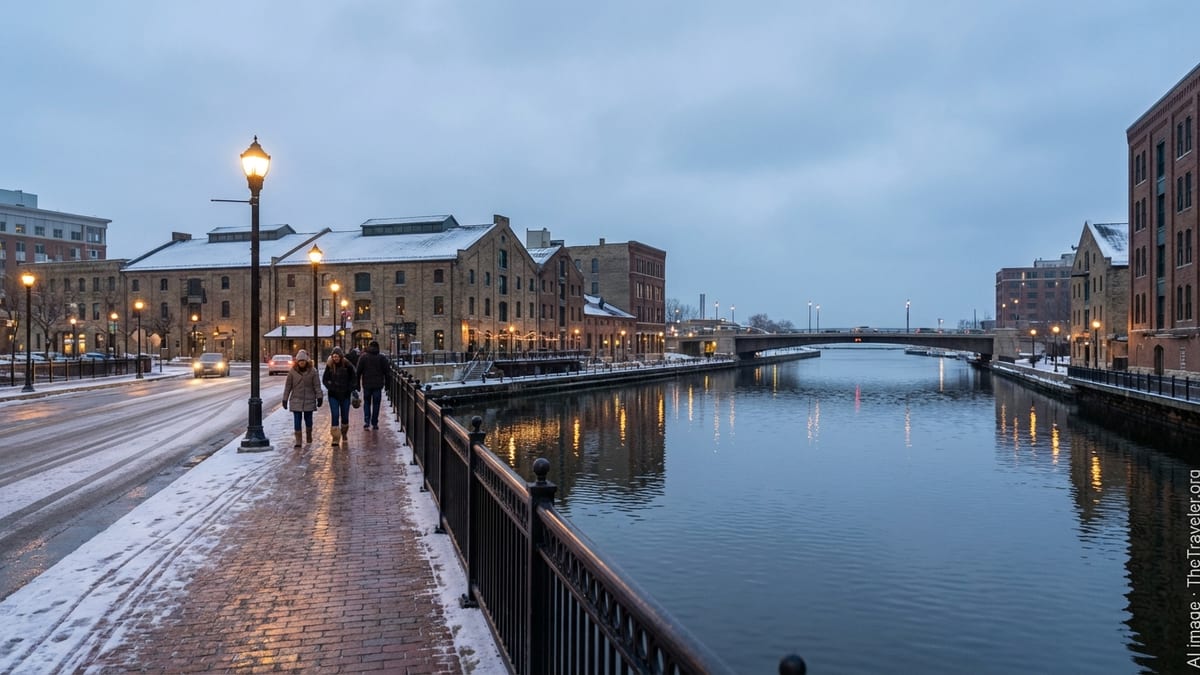
Milwaukee, the state’s largest city, has pockets of higher violent crime that rarely overlap with the riverfront, lakefront, or main downtown visitor corridors. Popular areas such as the Historic Third Ward, the lakefront museum district, and many parts of the East Side attract a steady flow of visitors, events, and nightlife. Standard big-city precautions apply: stay on well-lit streets, avoid flashing expensive items, and plan your transportation late at night. If you are unsure about a neighborhood, ask hotel staff or local hosts for up-to-date guidance.
Madison, the state capital and home to a major university, generally reports lower violent crime rates than Milwaukee and functions much like other midsize college towns. Downtown streets around the Capitol Square and the university campus are usually busy and well-patrolled, especially when classes are in session or when there are major events. Petty theft, alcohol-related incidents, and the occasional late-night disturbance are far more common than violent crime. Visitors who stay aware, watch their drinks, and walk with companions at night can typically enjoy the city with little concern.
In smaller cities such as Green Bay, Eau Claire, La Crosse, or Kenosha, crime patterns are closer to or below national averages. The same rules apply everywhere: park in visible, populated areas; secure your belongings; and follow local advice about any neighborhoods to avoid after dark. Urban safety in Wisconsin is largely about situational awareness rather than constant worry.
Rural Areas, Outdoor Recreation and Wildlife
A large share of Wisconsin’s tourism revolves around the outdoors: lake country in the north, the Mississippi River bluffs, Door County’s shoreline, the Driftless Area’s hills, and hundreds of miles of trails. In these settings, environmental factors often matter more than human threats. For many visitors, the most significant risks involve cold water, changing weather, and getting lost, especially if they are unfamiliar with the region’s terrain.
On the water, cold temperatures can be a hidden hazard even in spring or fall. Lakes and rivers may appear calm, but water temperatures remain low for weeks after ice-out. Wearing life jackets, avoiding alcohol while boating, and checking local advisories are essential. In winter, ice fishing and snowmobiling are popular, yet ice thickness can vary considerably from one spot to another. Locals often rely on long experience and up-to-the-minute conditions, so visitors should be conservative and seek advice before venturing out onto frozen surfaces.
Wildlife encounters in Wisconsin are typically low-risk, but they are not nonexistent. White-tailed deer are abundant and pose a greater hazard to drivers than to hikers or campers. Collisions are most common at dawn and dusk, particularly in rural areas or near forest edges, so drivers should reduce speed and stay alert when they see deer crossing signs. Black bears live in parts of northern Wisconsin, but attacks on humans are rare. Properly storing food, keeping a respectful distance, and never feeding wildlife are usually sufficient to avoid problems.
Trail users should take basic safety precautions: tell someone where you are going, bring a charged phone and some extra layers, and carry water and snacks even on shorter hikes. Cell service can be patchy in forested or hilly regions, especially in state forests and more remote counties. A simple printed map or offline map download is a wise backup. These steps are more about preparedness than about fear, and they help ensure that Wisconsin’s natural spaces remain a highlight of your trip.
Weather, Seasons and Road Safety
If there is one safety factor that shapes travel in Wisconsin more than any other, it is the weather. Winters are long and often harsh, with snow, ice, and cold temperatures that can make driving hazardous. Every year, early and late-season storms catch some drivers off guard, leading to runoffs, collisions, and road closures on highways and rural routes. Visitors who are not accustomed to winter driving should take these conditions seriously and, when possible, build flexibility into their itineraries.
The Wisconsin Department of Transportation and local law enforcement regularly advise drivers to slow down, leave extra space between vehicles, and avoid using cruise control on slippery roads. Bridges and overpasses can freeze before the rest of the pavement, and black ice may be nearly invisible in low light. During significant storms, officials sometimes recommend postponing nonessential travel to allow plows to work and visibility to improve. Following these recommendations and checking current conditions before departure can prevent the majority of winter travel mishaps.
To stay informed, many residents and commercial drivers rely on statewide road-condition tools that provide real-time information about closures, traffic, and weather-related hazards, including color-coded maps that indicate where roads are clear, partially covered, or fully snow- and ice-covered. Travelers can access similar resources from home or on a smartphone, using them to adjust departure times or choose safer routes. In addition, radio and television stations in Wisconsin devote significant coverage to winter storms and heat waves, offering another layer of situational awareness for visitors.
Spring, summer, and fall generally bring easier travel, though heavy rain, fog, and occasional severe thunderstorms can still disrupt plans. In summer, construction zones are common on interstates and local roads, requiring reduced speeds and extra attention to workers and lane shifts. Summer festivals and game days can also create congestion around cities and college towns. Allowing extra time, keeping fuel levels comfortable, and carrying basic emergency supplies in the car are practical habits year-round.
Health, Public Safety and Local Regulations
From a health perspective, Wisconsin offers a similar environment to much of the Upper Midwest. Major cities have large hospital systems and urgent care clinics, while smaller communities typically maintain at least basic medical facilities. Travelers with chronic conditions or specific medication needs should plan ahead, but they will generally find competent care accessible, especially near population centers and popular tourist areas.
Public health guidance in Wisconsin has evolved since the peak of the COVID-19 pandemic, and local recommendations may change in response to seasonal illness patterns. Mask usage, vaccination clinics, and testing availability can vary by county or by institution, such as universities or large event venues. Visitors who are concerned about respiratory illnesses should check current state and county-level health information before travel and consider carrying masks or tests, particularly if they plan to attend crowded indoor events.
When it comes to personal safety regulations, Wisconsin enforces common U.S. standards for seat belts, child restraints, and impaired driving. Drunk driving laws are actively enforced, especially in nightlife districts and around major events. Uber, Lyft, and local taxis operate in larger cities, while rural communities may have limited ride-share coverage. Having a designated driver or confirming transportation arrangements before drinking is a smart and culturally expected step.
Pedestrians and cyclists should be mindful of traffic patterns, especially in areas where bike paths intersect with roads or where crossings are less clearly marked. While many Wisconsin cities have expanded multi-use paths and marked bike lanes, not all drivers are accustomed to heavy bicycle traffic in suburban or rural settings. Riders are safest when they use lights after dark, obey traffic laws, and remain defensive around driveways and intersections.
Practical Safety Tips for Wisconsin Travelers
Whether you are planning a weekend in Milwaukee, a summer cabin stay in the Northwoods, or a fall color drive along the Mississippi River, a few practical steps can greatly enhance your safety and peace of mind. First, match your packing list to the season. In winter, that means warm clothing, waterproof footwear, gloves, hats, and layers, along with an ice scraper, snow brush, and basic emergency kit in your vehicle. In warmer months, sunscreen, insect repellent, and light rain gear are more relevant, especially if you will be near water or in wooded areas.
Second, be intentional about how you store and carry valuables. Wisconsin’s lower-than-average crime rate does not eliminate the risk of theft. Use hotel safes when available, keep wallets and phones close to your body in crowded settings, and avoid leaving bags or electronics visible inside a parked car. When staying in short-term rentals or cabins, lock doors and windows at night and when you are away, just as you would at home.
Third, engage with local information sources. Hotel front desks, visitor centers, park rangers, and local tourism offices can provide timely updates on everything from trail closures and water levels to neighborhood events and construction detours. Locals are often eager to share which areas feel comfortable for an evening walk, where parking is safest, and what seasonal hazards to expect. Asking a few questions when you arrive in a new town can quickly sharpen your sense of place.
Finally, keep travel logistics realistic. Distances across Wisconsin can be longer than they appear on a map, especially when you factor in two-lane highways, lake-effect snow, or busy weekend traffic. Avoid packing your schedule so tightly that a minor delay becomes a crisis. Booking accommodations with flexible cancellation terms, planning earlier arrivals, and identifying backup activities will help keep your trip enjoyable even if conditions change.
The Takeaway
For most visitors, Wisconsin is a safe and welcoming destination where serious crime is uncommon and major safety concerns are both predictable and manageable. The state’s overall violent and property crime rates sit below national averages, and the majority of incidents are concentrated in specific urban neighborhoods that most tourists have little reason to visit. Travelers who approach the state’s cities with standard big-city awareness, and its rural areas with basic outdoor common sense, are well positioned to enjoy their time without incident.
Weather and road conditions, especially in winter, are often the most significant safety variables. Planning around storms, checking real-time transportation updates, and adapting your driving to snow and ice will do more to protect you than fixating on crime statistics. Likewise, being prepared for outdoor adventures, from life jackets on summer lakes to extra layers on fall hikes, ensures that Wisconsin’s natural beauty remains a source of joy rather than risk.
Ultimately, Wisconsin’s appeal lies in its combination of friendly communities, accessible nature, and lively cities. With a modest amount of preparation and situational awareness, you can focus on savoring cheese curds, scenic overlooks, and lake sunsets instead of worrying about worst-case scenarios. Think of safety planning as a quiet background task that supports, rather than overshadows, the heart of your trip.
FAQ
Q1. Is Wisconsin generally safe for tourists compared with other U.S. states?
Yes. Recent crime data indicates that Wisconsin’s overall violent and property crime rates are lower than the national average, especially outside a few urban pockets.
Q2. Which areas in Wisconsin should travelers be most cautious about?
Use extra awareness in parts of larger cities such as Milwaukee, particularly in unfamiliar neighborhoods at night. Ask locals or hotel staff for current neighborhood advice.
Q3. Is it safe to walk around Milwaukee and Madison after dark?
In busy, well-lit downtown and lakefront areas, walking is generally safe if you stay aware, travel with companions when possible, and avoid isolated streets late at night.
Q4. How risky is winter driving in Wisconsin?
Winter driving can be challenging because of snow, ice, and reduced visibility. Crashes and runoffs often spike during storms, so slowing down and checking conditions is essential.
Q5. Are rural areas and small towns in Wisconsin safe?
Most small towns and rural communities report relatively low crime. The main concerns there tend to be road conditions, wildlife on highways, and outdoor hazards rather than criminal activity.
Q6. Is it safe to enjoy lakes and outdoor activities?
Yes, as long as you respect local conditions. Wear life jackets on boats, be cautious on cold or icy water, follow trail advisories, and avoid venturing onto ice without local guidance.
Q7. What health precautions should travelers take in Wisconsin?
Standard travel health precautions apply. Keep routine vaccinations current, monitor seasonal illness updates, and bring any prescriptions or over-the-counter medications you may need.
Q8. Is public transportation and ride-share use safe in Wisconsin cities?
Public buses and licensed ride-share services in cities such as Milwaukee and Madison are widely used. Confirm vehicle details, buckle up, and avoid sharing personal information with drivers.
Q9. How can I stay informed about safety conditions while traveling?
Check local news and weather reports, use statewide road-condition tools, follow official advisories, and ask visitor centers or hotel staff for up-to-date local safety information.
Q10. What is the single most important safety tip for visiting Wisconsin?
Plan around the season. In winter, prioritize road and weather safety. In warmer months, focus on sun, water, and outdoor preparedness, plus routine urban common sense year-round.