

More news on this day
Vertical Aerospace has selected Italian transparency specialist Isoclima as a strategic supplier for its Valo electric vertical take off and landing aircraft, marking a significant step in defining the cabin experience and safety-critical structure of the emerging air taxi.
Get the latest news straight to your inbox!
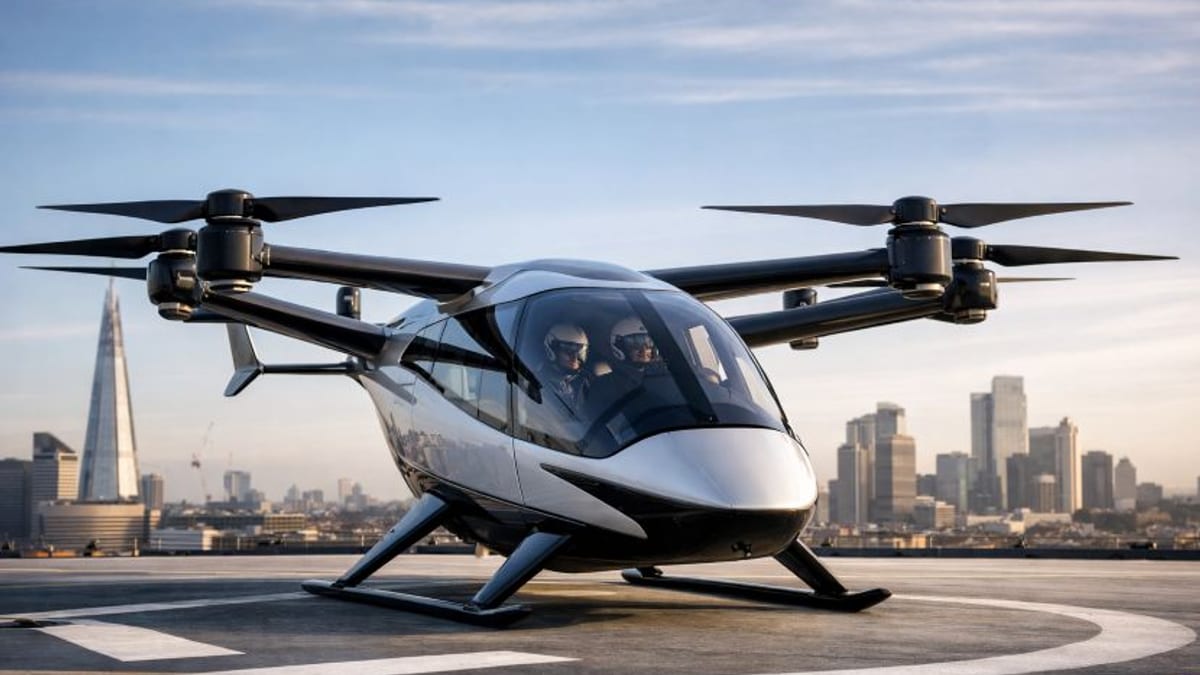
Image by Latest International / Global Travel News, Breaking World Travel News
A Strategic Partnership Around the Valo eVTOL
Publicly available information released in late March 2026 indicates that Isoclima will design and manufacture the full transparency suite for the Valo, including pilot and passenger canopies and glazing systems. The agreement positions the Italian company as a core supplier for a component category that is tightly linked to both passenger comfort and regulatory compliance.
The Valo is Vertical Aerospace’s flagship electric vertical take off and landing model, aimed at short urban and regional missions that could ease congestion around major cities. With an emphasis on a spacious cabin and panoramic views, the aircraft’s transparent surfaces play a central role in differentiating the travel experience from that of conventional helicopters or small fixed wing aircraft.
The partnership is framed as a long term arrangement that extends from prototype and certification aircraft through to series production and commercial operations. This approach is intended to give Vertical consistent material choices, manufacturing techniques and performance characteristics as the Valo program matures.
Reports also highlight that the deal with Isoclima aligns with Vertical’s broader strategy of partnering with established aerospace and industrial suppliers for major subsystems. The company has previously identified well known names in avionics, structures and propulsion among its partners, and the transparency agreement further fills out that supply map.
Why Transparencies Matter for Advanced Air Mobility
Aircraft transparencies, which include windscreens, windows and canopies, are not simply aesthetic features. They are treated as critical structural and safety components that must withstand demanding loads, temperature variations and impact events while preserving optical clarity. For eVTOL designs such as Valo, which are expected to fly frequent short sectors and operate in dense airspace, these requirements are particularly stringent.
Regulatory standards for rotorcraft and emerging powered lift configurations include bird strike resistance, structural integrity during pressurization changes where applicable, and long term durability in the face of ultraviolet exposure and weathering. Transparency systems must pass dedicated testing regimes, and any material or design changes can ripple through a program’s certification schedule.
For Vertical, securing a supplier with in house testing and advanced modeling capabilities is intended to reduce technical and schedule risk. By involving Isoclima early in the design and certification planning, the company can tailor the Valo’s cockpit and cabin glazing to regulatory expectations and urban air mobility use cases, from frequent landing cycles to operations in varied climates.
Comfort and visibility are equally important in shaping public acceptance of new aircraft types. Large windows and unobstructed sightlines can help ease apprehension among first time eVTOL passengers, while careful control of solar gain and noise can make short flights feel more like a premium rail or business jet experience.
Isoclima’s Background in High Performance Glazing
Isoclima is known for its work across several demanding sectors, including aerospace, armored vehicles, rail and high performance automotive applications. Company materials describe a focus on complex curved geometries, lightweight polycarbonate and advanced laminated glass solutions, often with integrated coatings or embedded technologies to manage heat, glare and impact resistance.
Experience in defense and security markets has led Isoclima to develop transparent armor and blast resistant products for land vehicles and buildings. While these applications differ from commercial aviation, they rely on similar expertise in layered materials, bonding techniques and strict quality control. This background is likely to inform the design of Valo’s cockpit and passenger glazing, where both strength and optical quality are paramount.
In the mobility sector, Isoclima has promoted glazing systems that offer weight savings compared with traditional glass, as well as features such as scratch resistant coatings, heating elements and variable light transmission. For an electric aircraft that depends on tight weight management to preserve range and payload, even incremental reductions in window mass can contribute to overall performance.
The company’s presence across land, sea and air platforms has also encouraged a modular approach to product development, where technologies proven in one sector can be adapted for another. For Vertical, that cross sector portfolio may help accelerate the introduction of innovative transparency concepts while maintaining compliance with aviation standards.
Implications for Valo’s Cabin Experience and Certification Path
The choice of Isoclima is expected to shape the Valo interior in several respects, starting with the size and shape of windows that define the passenger view. Earlier public showcases of the Valo cabin highlighted a design that leans toward a private jet ambience, with individual seating and a focus on outward visibility. A dedicated transparency partner gives Vertical a clearer path to realizing that vision in a certifiable configuration.
Thermal and acoustic performance are another area where transparency systems can influence the travel experience. Multilayer glazing combined with coatings or embedded technologies can help manage heat buildup from large window surfaces, reducing the load on the aircraft’s environmental control systems and keeping cabin conditions comfortable across seasons and climates.
From a certification standpoint, the integration of transparencies with the aircraft’s composite or metallic structure requires careful analysis and testing. Publicly available material on aircraft development programs suggests that changes to window framing, materials or thickness can trigger additional structural assessments. By locking in a transparency supplier ahead of later test phases, Vertical may be seeking to minimize downstream design revisions.
The partnership also carries implications for aftermarket support once the Valo enters commercial service. Access to replacement transparencies, repair processes and long term material behavior data will be key considerations for operators planning high utilization air taxi fleets. A long horizon agreement with an experienced glazing company helps address these lifecycle concerns.
Strengthening the Supply Chain for Urban Air Mobility
The Isoclima agreement adds another piece to the growing industrial ecosystem around advanced air mobility. As eVTOL manufacturers move from concept flights toward type certification and commercial operations, their supplier choices are being closely watched by potential operators, investors and regulators.
Vertical has previously pointed to collaborations with major names in areas such as avionics, electric propulsion and structural components. Adding a dedicated transparency specialist signals an effort to de risk a category that can sometimes be overlooked in early program announcements but often proves pivotal during detailed design and regulatory review.
More broadly, the move underscores how urban air mobility programs are drawing on capabilities originally developed for sectors as varied as motorsport, defense and high speed rail. Materials, testing methodologies and manufacturing techniques from those fields are being adapted for a new generation of aircraft intended to fly frequently over cities.
As the Valo progresses through test campaigns and regulatory engagement, the performance and reliability of its transparency systems will be one element in demonstrating that electric air taxis can meet both safety expectations and passenger comfort standards. The partnership with Isoclima is an early signal of how seriously manufacturers are treating that aspect of the aircraft design.