

More news on this day
Israel’s rapidly deteriorating security situation, triggered by coordinated Israeli and United States strikes on Iran and fears of further retaliation, has prompted the Vietnamese Embassy in Tel Aviv to issue an urgent warning to its citizens as airlines halt flights, authorities shut down public life and risks mount for tourists and residents alike.
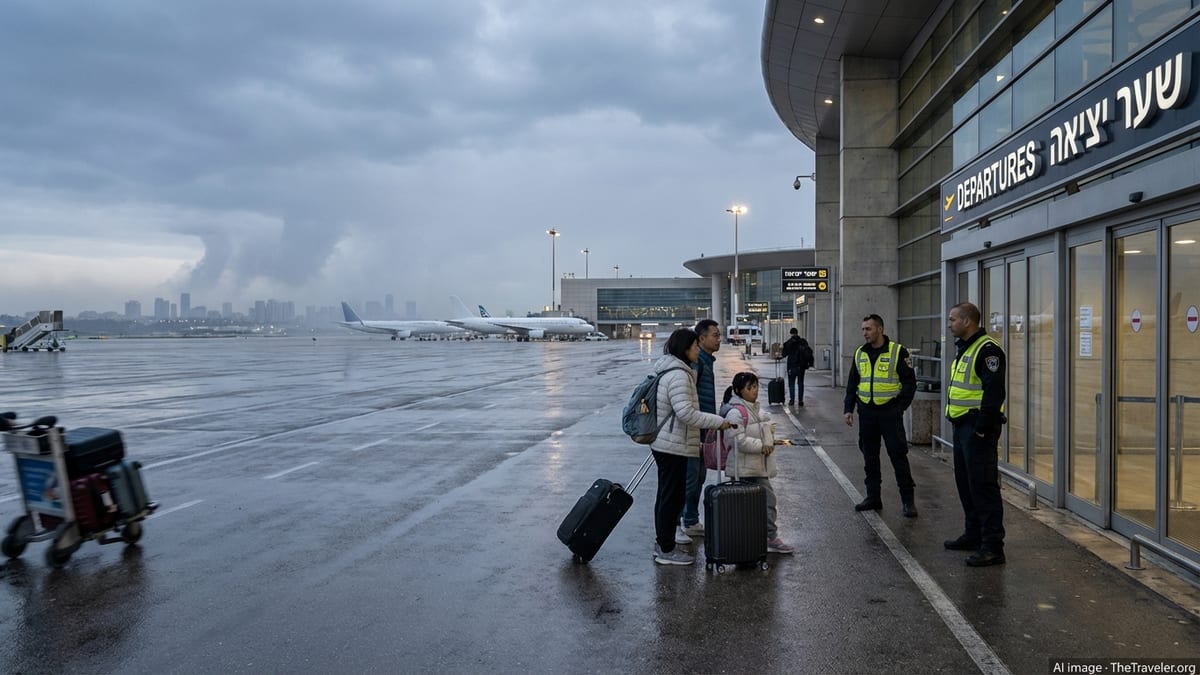
Embassy Issues Urgent Safety Notice to Vietnamese Community
The Vietnamese Embassy in Israel on February 28 urged all Vietnamese nationals living, studying and working in the country to heighten vigilance as Israel moved into an emergency posture following preemptive strikes on multiple targets in Iran. In a formal notice, the mission called on its community to strictly follow local safety regulations, remain close to shelters and respond immediately to missile sirens as authorities warned of possible retaliatory attacks.
According to the embassy, Israel’s Home Front Command shifted the country’s operational status from full activity to essential activity only, a move that effectively freezes much of daily life. From the morning of February 28 until at least the evening of March 2, schools are shut, public gatherings are banned and most workplaces are ordered closed, with exceptions only for critical services such as health care, emergency response and key infrastructure.
Vietnamese nationals have been advised to minimize movement between cities during what diplomats describe as a “sensitive and high-risk” period. The embassy is urging people to prepare contingency plans for themselves and their families, including readiness to return to Vietnam or relocate temporarily to a third country once security conditions and transport options allow.
Consular hotlines in Israel remain activated around the clock, with the embassy pledging to continue monitoring developments, coordinate with Israeli authorities and provide timely updates. Officials in Hanoi have previously outlined broader contingency planning for citizens in both Israel and Iran, including potential evacuations from high-risk areas.
Airspace Closure and Flight Cancellations Upend Travel Plans
The Israeli government’s decision to close national airspace to civilian flights has immediately reshaped regional and global travel patterns, stranding passengers and severing key routes into and out of the country. All commercial flights to and from Israel have been suspended until further notice, affecting tourists, business travelers and foreign residents, including Vietnamese citizens who had hoped to leave quickly amid spiraling tensions.
The shutdown comes just weeks after the launch of a new direct air route between Tel Aviv and Hanoi, a service heralded by both governments as a milestone for tourism and economic ties. That once-weekly wide-body flight is now effectively grounded along with other passenger services, underscoring how swiftly geopolitical shocks can reverse hard-won gains in connectivity.
Across the wider Middle East, the conflict has triggered a cascade of disruptions as airlines reroute or cancel services to avoid vulnerable airspace. Regional carriers are warning passengers to expect delays, extended flight times and last-minute changes as they navigate a patchwork of restrictions and potential missile threats.
Travel industry analysts say the combination of Israel’s airspace closure and rolling advisories from foreign ministries will likely depress demand for leisure and business travel to the country in the short term. Tour operators are already rebooking clients to alternative destinations, while some foreign workers and students are weighing early departures in case the situation worsens.
Daily Life in Israel Contracts Under Heightened Security
On the ground, Israel’s shift to an essential-activity-only footing has transformed daily routines almost overnight. With schools closed nationwide, families are juggling childcare alongside shelter readiness drills, and city streets in hubs such as Jerusalem and Tel Aviv are markedly quieter as residents heed orders to stay close to protected spaces.
Public events and large gatherings are off the calendar, affecting everything from cultural festivals and sporting fixtures to religious activities that usually draw crowds. Many shops, offices and entertainment venues have pulled down their shutters, while those allowed to operate are doing so under strict security guidelines and with sharply reduced staffing.
Foreign communities, including Vietnamese workers, students and long-term residents, are adjusting to a landscape now dominated by missile alert apps, sirens and rapid dashes to stairwells or reinforced rooms. Embassy guidance emphasizes the importance of having essential supplies at home, maintaining charged phones and power banks, and keeping identification and travel documents within easy reach.
For tourists still in the country, the new reality means restricted movement, limited access to attractions and the possibility of extended stays due to canceled flights. Hotels and guesthouses are revisiting their emergency procedures, while many visitors are in close contact with their embassies and travel providers to explore overland exit routes once border crossings are deemed safe.
Growing International Warnings and Regional Spillover Risks
The Vietnamese Embassy’s urgent message aligns with a wave of updated advisories from foreign missions in Israel as Operation Lion’s Roar, the Israeli name for the strikes on Iran, reverberates across the region. Embassies from several countries, including major tourism and labor partners, are urging their nationals to avoid non-essential travel, stay away from crowded areas and review evacuation options.
In recent days, some governments have gone further, activating special hotlines, advising families of diplomats to leave and cautioning that further escalation could lead to sudden border closures and additional airspace restrictions. International organizations are warning that miscalculation on either side could broaden the conflict, with potential implications for security far beyond Israel and Iran.
Vietnam’s foreign ministry has previously voiced concern over the risk of a wider war in the Middle East and called on all parties to exercise restraint and pursue dialogue. At the same time, it has tasked embassies in Israel, Iran and neighboring countries with coordinating closely with local authorities and partners to facilitate the safe movement of Vietnamese citizens out of conflict zones where feasible.
Observers note that the combination of high-threat missile exchanges, dense civilian populations and critical infrastructure concentrated in a small geographic area raises the stakes for any new round of strikes. This environment, they say, explains the increasingly blunt tone of consular warnings directed at both residents and short-term visitors.
What Travelers and Residents Need to Consider Now
For Vietnamese nationals and other foreigners currently in Israel, the latest embassy notice makes clear that safety must take precedence over all but the most essential activities. Those choosing to remain are advised to track instructions from Israeli civil defense authorities in real time, avoid unnecessary journeys, and stay in close contact with their embassies, employers or educational institutions.
Prospective visitors, including tourists eyeing future trips or workers with pending assignments, face an environment defined by uncertainty. With airspace closed, missiles in play and regional tensions high, most governments now recommend postponing travel plans until there is a sustained and verifiable improvement in security conditions, as well as a stable resumption of commercial flights.
Travel planners and airlines are also reassessing risk calculations. Insurance coverage for trips to Israel may be restricted or subject to special clauses, and some policies may exclude losses linked to war or terrorism, leaving travelers more exposed financially if they ignore official advisories. Industry experts recommend carefully reviewing policy terms and maintaining flexible bookings where possible.
As Israel braces for potential retaliation and diplomatic efforts intensify behind the scenes, the Vietnamese Embassy has pledged to keep its community updated and to support those seeking to relocate or return home. For now, the message from diplomats, security officials and travel professionals is aligned: remain alert, keep options open and be prepared for a protracted period of disruption in one of the region’s most important travel hubs.