

More news on this day
Reports of Israeli travelers detained during airport layovers in Malaysia after following artificial intelligence generated travel advice are raising fresh concerns about overreliance on chatbots for critical border and visa decisions.
Get the latest news straight to your inbox!
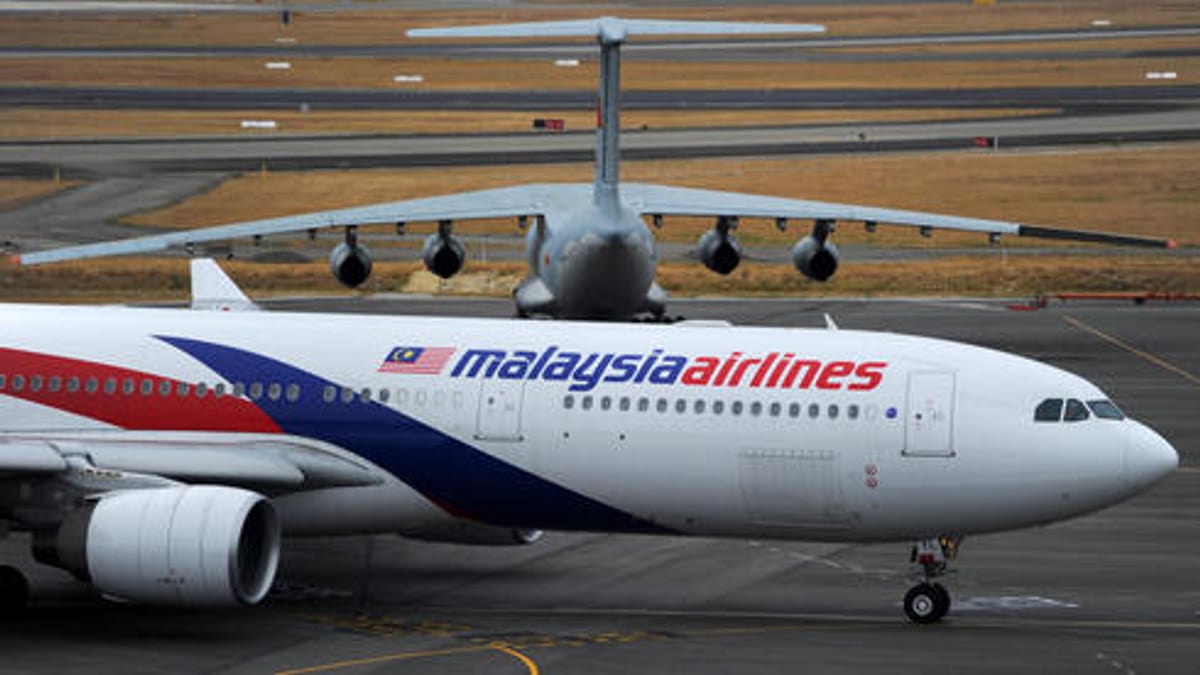
Image by ynetnews.com
Layover Detentions Spotlight a Long-Standing Travel Ban
Recent online discussions and media summaries indicate that several Israeli nationals have been stopped and detained while transiting through Kuala Lumpur International Airport, despite not planning to formally enter Malaysia. Commenters describe cases where travelers believed an airside layover would be permissible, only to discover that Malaysian regulations do not recognize Israeli passports for entry or transit.
The incidents are unfolding against the backdrop of Malaysia’s long-standing policy of not recognizing Israel and maintaining a comprehensive ban on Israeli citizens entering the country. Publicly available information on bilateral relations describes a history of limited or non-existent formal ties, periodically sharpened by regional tensions and domestic political sentiment.
Observers note that, in routine circumstances, many international passengers can remain airside in an airport without passing immigration and without needing a visa. However, that practice is always subject to local law and specific nationality-based restrictions. In Malaysia’s case, reports and commentary suggest that Israeli passport holders are not permitted to rely on such airside assumptions, which has turned what some travelers viewed as a neutral transit point into a legal dead end.
AI Travel Advice Collides With Complex Border Rules
What makes the latest cases stand out is the apparent role of artificial intelligence tools in shaping the travelers’ decisions. Social media threads and forum posts referencing the incidents describe individuals who consulted AI chatbots for route planning and transit rules, then booked itineraries through Kuala Lumpur based on generic or incomplete answers about airside layovers and visa requirements.
According to those online accounts, some AI-generated responses treated Malaysia like many other major hubs, implying that remaining within the international transit zone would avoid immigration issues. Such guidance appears to have overlooked or downplayed Malaysia’s specific restrictions regarding Israeli travel documents, as well as the country’s discretion to deny transit even when a passenger does not intend to cross the formal border.
The result, based on public commentary, has been confusion at check-in counters and arrival gates. Some observers question why airlines allowed boarding in the first place if transit was not legally possible, while others point to potential gaps in carrier databases and automated rule systems. In practice, travelers ended up depending on a chain of automated tools, from airline systems to AI chatbots, instead of verifying their status with official government resources or human experts.
Rising Use of AI in Trip Planning Raises Safety Questions
The detentions are feeding a broader debate about the role of AI in travel planning. Over the past two years, large language models and chatbot assistants have become common tools for building itineraries, checking visa rules and comparing routes. Travel forums increasingly feature both enthusiastic endorsements of AI-generated suggestions and strong warnings about their limitations for legal and safety-critical questions.
Publicly available discussions highlight recurring problems: some AI systems provide outdated visa policies, overlook nationality-specific restrictions or fail to reflect fast-changing geopolitical developments. In sensitive contexts such as travel involving Israel, Muslim-majority countries or states without diplomatic relations, these gaps can have serious practical consequences at passport control.
Commentary from frequent travelers underscores that border and transit rules are often more restrictive in reality than generic online summaries suggest. Even where AI provides disclaimers about consulting official sources, users may treat conversational answers as definitive guidance. The Malaysian layover cases are being cited as a cautionary example of how this mismatch between perception and legal reality can result in detention, denied boarding or forced rerouting at significant personal cost.
Geopolitics, Security Concerns and Scrutiny of Israeli Passports
The current environment also reflects heightened regional sensitivities. Open-source reporting on Malaysia’s stance toward Israel notes that the country has consistently taken a pro-Palestinian position and has periodically tightened security and immigration scrutiny involving Israeli-linked travel. Previous high-profile arrests and investigations tied to alleged Israeli operatives have further increased domestic attention to the issue.
In that climate, Israeli passports attract particular scrutiny at Malaysian entry points, regardless of whether the holder intends to stay in the country or simply change planes. Commenters familiar with regional travel norms say many Israelis with dual citizenship avoid such difficulties by using non-Israeli passports on routes that pass through countries with bans or restrictions. Others warn that even evidence of prior travel to Israel in a different passport can generate questioning or delays at some borders.
Against this backdrop, relying on generic AI responses that treat all nationalities equivalently appears especially risky. The detentions reported in Kuala Lumpur are therefore being interpreted by some observers less as an anomaly and more as a predictable outcome of combining sensitive geopolitics with automated, non-specialist advice.
Calls for Clearer Guidance From Both Platforms and Travelers
The unfolding discussion has prompted renewed calls for clearer messaging around the limits of AI in travel contexts. Commenters and travel-community moderators emphasize that immigration, visa and transit matters remain the responsibility of travelers, and that the only authoritative sources are official government notices, consular advisories and airline documentation.
Some participants argue that AI platforms should more prominently highlight when answers touch on legally sensitive topics such as sanctions, travel bans or disputed territories. Others suggest that trip-planning tools could integrate more direct prompts steering users toward embassy or consulate resources whenever an itinerary involves countries with known political restrictions or absent diplomatic relations.
For now, the Malaysian layover incidents are serving as a high-profile reminder that convenience technologies do not replace due diligence. Travelers are being urged, in public discussions and online advisories, to treat AI-generated itineraries as rough drafts rather than binding guidance, and to cross-check any route involving politically sensitive destinations or controversial nationalities before they reach the check-in desk.