

More news on this day
ITA Airways’ Volare loyalty program has been hit by a cyber incident that exposed customer data, prompting renewed scrutiny of how airlines protect the personal information of frequent flyers.
Get the latest news straight to your inbox!
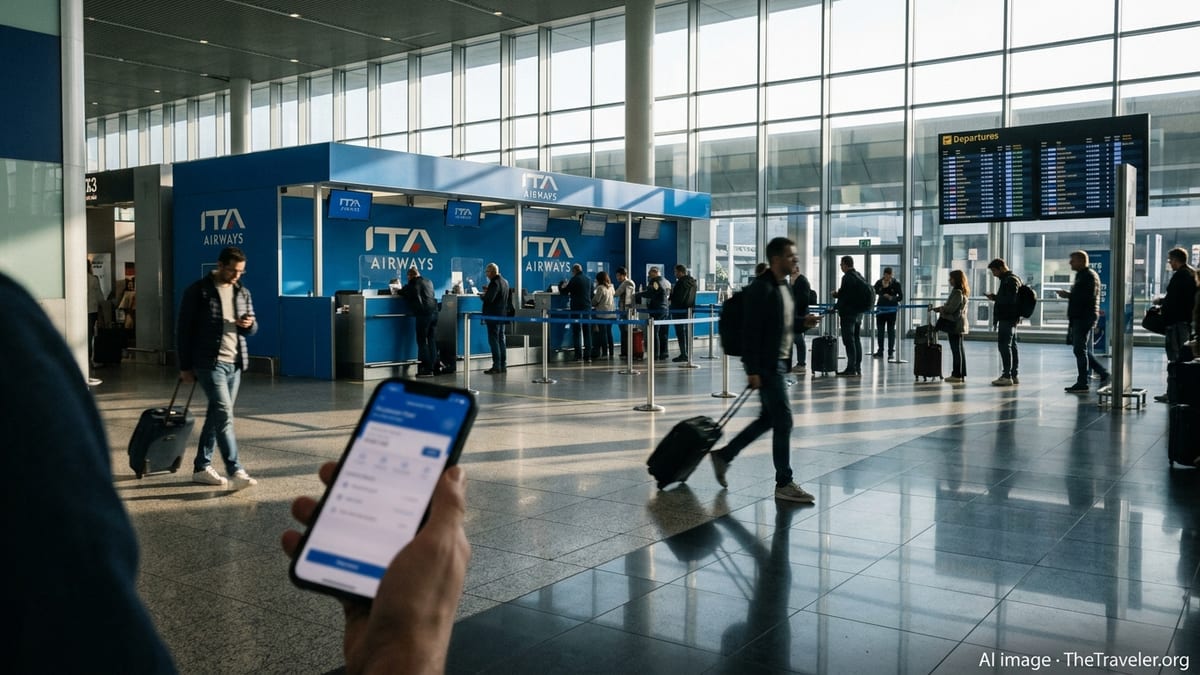
Details Emerging Around the Volare Cyber Incident
Publicly available information indicates that ITA Airways’ Volare loyalty platform was recently targeted in a cyberattack in which unauthorized parties accessed member data. Early reports describe the incident as a compromise of customer information held by the program, with data allegedly circulating on underground forums frequented by cybercriminals.
While a full technical breakdown has not yet been published, coverage of the event suggests that attackers obtained access to user-related records linked to Volare accounts. This type of incident typically stems from vulnerabilities in web applications, exposed credentials, or weaknesses in authentication systems, all of which are common attack vectors against loyalty platforms across the travel industry.
The Volare program, launched in 2022 and now counting millions of members according to company disclosures, has become a critical pillar of ITA Airways’ commercial strategy. The size of the database and the value of reward balances make it an attractive target for criminals seeking to monetize personal data or loyalty points.
What Data May Have Been Exposed
Reports on the breach indicate that the attackers were able to access personal details typically associated with frequent flyer profiles. These often include names, email addresses, phone numbers, dates of birth, and postal addresses, along with loyalty account numbers and information on travel activity.
There is currently no public evidence that full payment card numbers were stored in the compromised environment, but even non-financial data can be highly valuable to fraudsters. Combined personal details and travel histories can be used to craft convincing phishing messages, social engineering scams, or account takeover attempts on other services.
Cybersecurity specialists note that loyalty credentials themselves can be monetized, as stolen points are sometimes redeemed for flights or sold at a discount through illicit brokers. Even if ITA Airways limits direct abuse of balances through additional checks, leaked identifiers may still fuel broader identity-based attacks beyond the airline’s ecosystem.
Response Measures and Regulatory Implications
According to published coverage, the airline has begun working to contain the incident, secure affected systems, and review the scope of the compromise. Standard response steps in incidents of this kind typically include forcing password resets, tightening access controls, and enhancing monitoring for suspicious account activity.
As an airline headquartered in Italy, ITA Airways falls under the European Union’s General Data Protection Regulation. A breach involving personal information of EU residents can trigger obligations to notify supervisory authorities and, in many cases, to inform impacted individuals. Industry observers will be watching closely to see how regulators assess the company’s security practices and incident handling.
Beyond regulatory scrutiny, data protection expectations in the travel sector are rising. Airlines and loyalty operators are under pressure not only to meet minimum legal requirements but to demonstrate that they manage customer data with the same rigor traditionally reserved for financial institutions.
Impact on Travelers and the Wider Airline Loyalty Landscape
For Volare members, the immediate concern is the potential misuse of leaked personal information. Even if loyalty balances remain intact, exposed contact details and identifiers can lead to targeted phishing emails, fake support calls, or fraudulent messages that appear to come from ITA Airways or partner brands.
The incident also arrives at a sensitive moment for the program. Volare is in the midst of a transition period, with publicly available information highlighting its planned integration with wider alliance and partner networks over the next several years. Loyalty members already navigating upcoming changes in earning and redemption rules may now face an added layer of uncertainty around data security.
More broadly, the breach reinforces a growing trend: airline loyalty accounts are increasingly viewed by attackers as high-value digital wallets. Other carriers and hotel groups have faced similar challenges in recent years, and the Volare case is likely to be cited as an example of the risks associated with large, data-rich reward ecosystems.
What Volare Members Can Do Now
Security practitioners consistently recommend that customers treat a loyalty breach with the same seriousness as a compromise of a retail or banking account. Volare members are advised to change their program password, avoid reusing passwords from other services, and enable any available additional security checks when accessing their accounts.
Travelers should also remain alert for unsolicited messages referencing their Volare membership, upcoming trips, or payment methods. Emails or calls that request login details, one-time codes, or card information should be treated with caution, particularly if they arrive shortly after news of a breach. Verifying communications through official channels and account portals reduces the risk of falling victim to follow-on scams.
For frequent travelers who manage multiple airline and hotel profiles, the Volare incident serves as a reminder of the value of password managers, unique credentials, and regular reviews of account activity. As loyalty programs grow more deeply integrated with booking systems, payment wallets, and partner networks, good personal security hygiene is becoming as essential to modern travel as valid documents and insurance.