

More news on this day
Italy is emerging as the clear favorite for American travelers, with recent data showing record arrivals, robust spending and rising interest that now outpaces key rivals including Spain, Portugal, France, Croatia, Denmark and Germany.
Get the latest news straight to your inbox!
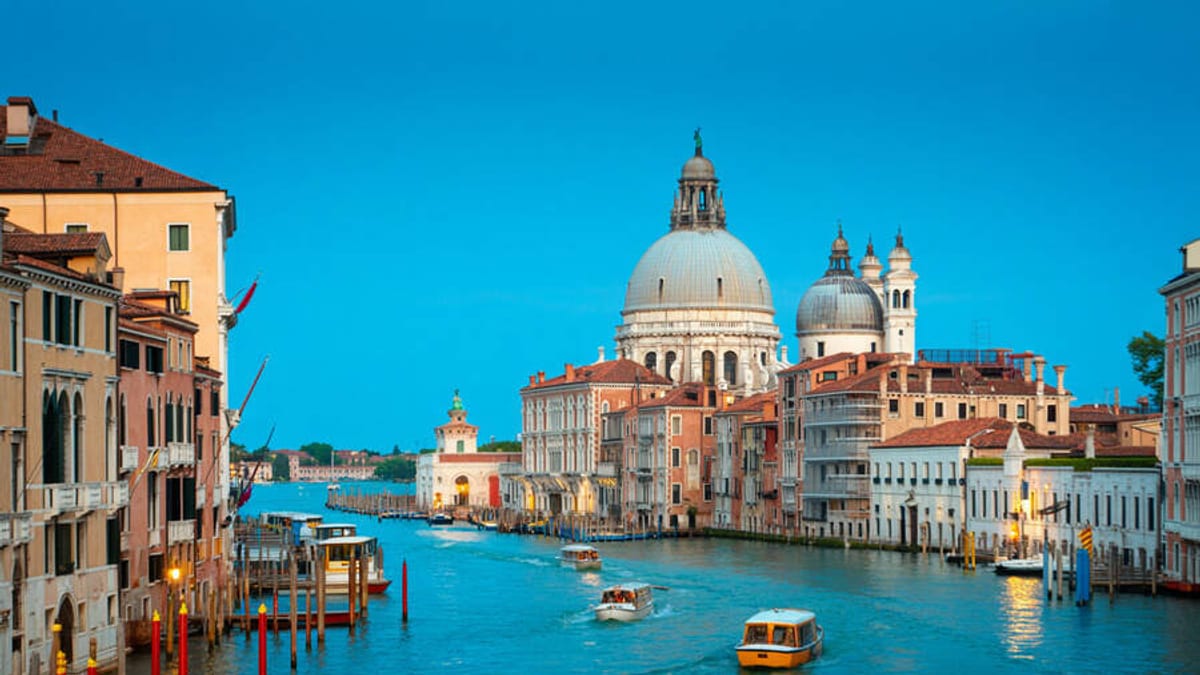
Image by Travel And Tour World
Data Shows Italy Pulling Ahead in the European Tourism Race
Recent tourism statistics and industry analyses indicate that Italy has moved into a leading position among European destinations for U.S. travelers, both in absolute numbers and in stated travel intent. Research on American and Canadian international travelers published by MMGY Global shows Italy at the top of the wish list for Europe, ahead of France, Spain, Germany and Portugal, confirming a multi‑year surge in demand for the country’s cities, coastlines and countryside.
Italian tourism authorities report that summer 2025 bookings already signal another record season, with more than 10.6 million international airport arrivals on the books between June and September and the United States ranking among the top three source markets. This follows a strong 2024, when Italy set a new high for overnight stays and narrowed the gap with Spain and France in total European tourism volume, according to national statistics and international tourism rankings.
Italy’s position is further strengthened by global data from the United Nations World Tourism Organization showing the country climbing in worldwide rankings as international arrivals rebound. While France and Spain continue to lead in overall visitor numbers, Italy is gaining share, particularly in higher‑spending segments where Americans are prominent. Analysts note that the combination of volume and elevated per‑trip spending from U.S. visitors is increasingly decisive for destinations competing for post‑pandemic travel dollars.
Americans Are Choosing Italy Over Other Classic European Favorites
Travel behavior data from insurance providers and consumer surveys points to a clear shift in where Americans plan and book their European trips. A widely cited report from U.S. travel insurer Squaremouth identified Italy as the top international destination for American travelers by late 2024, surpassing not only traditional domestic vacations but also longstanding favorites such as Spain and France. Portugal, Croatia, Denmark and Germany continue to attract steady flows, but they no longer match Italy’s pulling power among U.S. leisure travelers.
Interest indicators support this picture. Tracking of preferred European countries among prospective American visitors shows Italy consistently scoring above 50 percent as a destination of interest, a rate higher than France, Spain or Germany in the same studies. Portugal and Croatia have grown rapidly from smaller bases, especially among digital nomads and repeat Europe travelers, while Denmark and Germany maintain strong city‑break and business markets. Yet none of these have seen the same across‑the‑board surge that Italy is experiencing across first‑time and repeat U.S. visitors.
Industry commentary also highlights how Italy is capturing business from travelers who might otherwise have selected rival destinations. Tour operators report that itineraries once anchored in Paris or Barcelona are increasingly being redesigned around Rome, Florence and the Amalfi Coast. Multi‑country European trips often now treat neighboring nations as add‑ons to an Italian core, rather than the other way around, signaling a subtle but important shift in how Americans structure their holidays.
Spending Power and Longer Stays Boost Italy’s Appeal
Bank of Italy data on international tourism shows that visitors from the United States are among the highest‑spending groups in the country, with per‑capita expenditures that outstrip many European markets. Publicly available figures for 2024 indicate strong growth in both the number of American travelers and the total value of their spending, reinforcing Italy’s status as a premium leisure destination rather than a purely mass‑market stop.
Analysts note that Americans are staying longer and upgrading their trips. The rise of remote and hybrid work models allows more visitors to extend traditional vacations into “workations,” blending sightseeing with short periods of remote work from Italian cities or coastal towns. This trend is particularly visible in regions such as Tuscany, Puglia and the Italian Lakes, where U.S. travelers increasingly book villas and boutique accommodations for one or two weeks rather than a few nights.
Higher spending is also flowing into experiences beyond the classic museum circuit. Demand has surged for food and wine tours, small‑group cultural activities, and specialized itineraries focused on wellness, cycling or family heritage. These patterns contrast with some competing destinations where American visitors are more concentrated in a handful of urban hubs or beach resorts and tend to stay for shorter durations, limiting local economic impact.
Why Italy Resonates With Post‑Pandemic U.S. Travelers
Several structural factors help explain why Italy, in particular, has captured the post‑pandemic imagination of American travelers. Air connectivity has improved, with a growing network of direct flights from major U.S. gateways to Rome, Milan, Naples and Venice, reducing travel time and making long‑weekend or nine‑day trips more realistic. The relatively straightforward entry rules for U.S. citizens in the Schengen Area and a favorable euro‑dollar exchange rate during much of the recovery period have further supported demand.
Equally important are lifestyle and cultural trends. Italy’s blend of historic cities, coastal landscapes and culinary traditions aligns closely with current preferences for “immersive” and “meaningful” travel. Surveys of American travelers show rising interest in food‑focused trips, scenic rail journeys and slower itineraries centered on local neighborhoods rather than only landmark sightseeing. Italy’s compact historic centers, extensive rail network and dense concentration of heritage sites make it easier to satisfy these preferences within a single country.
Media visibility has added momentum. Popular television series and social media coverage of Italian locations, from Rome and Sicily to lesser‑known hill towns, have kept the country in the spotlight. Travel publications routinely rank Italian regions and cities among the world’s top destinations, reinforcing existing interest and nudging undecided travelers to choose Italy over alternatives such as Portugal’s Atlantic coast, Croatia’s Adriatic islands or Denmark’s Nordic capitals.
Pressure on Hotspots Spurs Interest in Secondary Cities and Regions
The surge in American arrivals is not without challenges. Highly visited destinations such as Venice, Florence and the Cinque Terre have reported crowding pressures, particularly in peak summer months. Local debates over visitor caps, day‑trip fees and cruise restrictions have intensified as authorities seek to balance tourism revenues with quality of life for residents and protection of historic sites.
At the same time, these pressures are redistributing some U.S. demand to lesser‑known areas. Tourism boards and regional governments across Italy have stepped up campaigns promoting second‑tier cities and inland regions, highlighting places such as Bologna, Turin, Lecce and inland Umbria as alternatives to more saturated hubs. Early data suggests that American overnight stays are growing fastest in these areas, even as the main icons remain busy.
Analysts observe that this pattern could help Italy sustain its lead over European competitors in the coming years. By offering both marquee destinations and an expanding portfolio of under‑the‑radar towns and landscapes, the country is positioned to absorb continued growth from the U.S. market without eroding its core appeal. With global tourism still climbing and transatlantic travel projected to remain strong, Italy’s current momentum suggests it will remain at the center of American travel plans in Europe for the foreseeable future.