

More news on this day
Hundreds of passengers were left facing long queues and missed connections as a fresh wave of disruption at Rome Fiumicino and Milan Malpensa resulted in 271 delayed flights and 15 cancellations, affecting key ITA Airways, Lufthansa and British Airways services linking Italy with London, Paris and New York.
Get the latest news straight to your inbox!
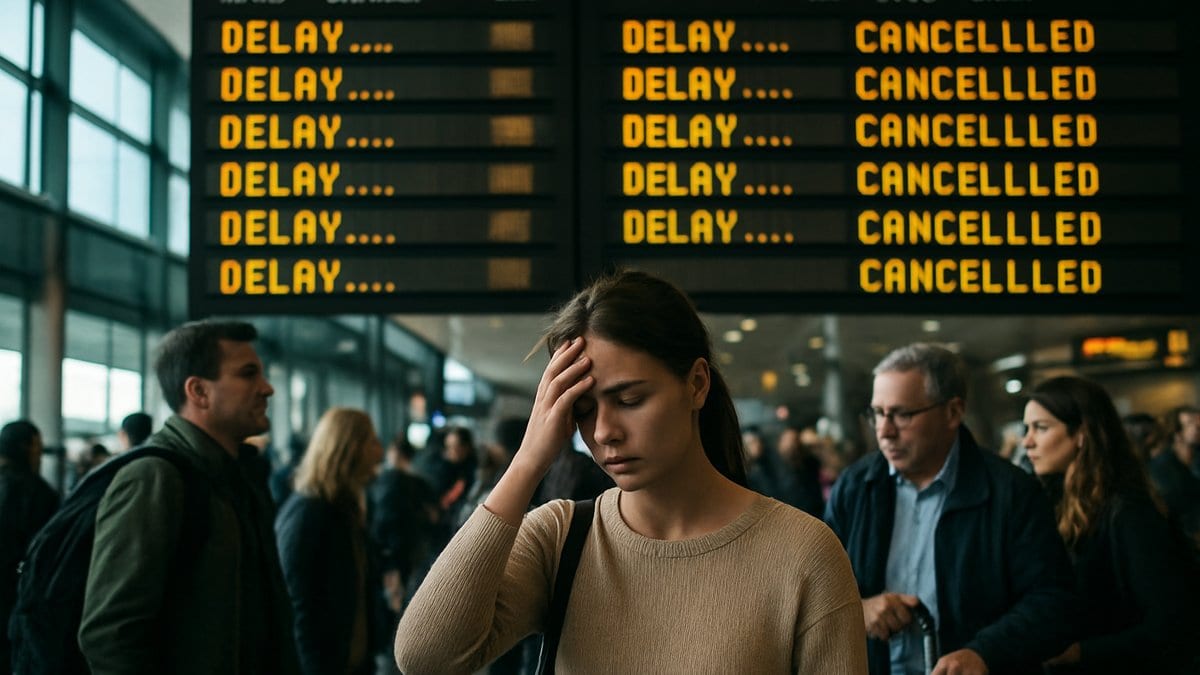
Severe Disruption at Italy’s Busiest Gateways
According to published coverage, the latest bout of disruption unfolded across Italy’s two main international hubs, Rome Leonardo da Vinci–Fiumicino and Milan Malpensa, where a combined 271 departures and arrivals were delayed and 15 flights were cancelled within a single operating window. The disruption hit both domestic and international services, stranding travelers in terminals and forcing last‑minute itinerary changes.
Reports indicate that operations on some of the busiest European city pairs were significantly affected, including links between Rome and Milan and major capitals such as London and Paris. Long‑haul services connecting Italy with New York also saw knock‑on delays, compounding pressures on aircraft rotations and crew schedules.
Publicly available flight tracking data showed departure boards at both airports dominated by late‑running services, with some delays stretching beyond an hour. Cancellations, while fewer in number, created further complications as passengers sought scarce rebooking options on already crowded services.
Impact on ITA Airways, Lufthansa and British Airways Networks
The disruption rippled quickly through the networks of several major carriers with a strong presence in Italy. ITA Airways, which operates hub schedules from Rome Fiumicino and maintains an important base at Milan, saw a series of delayed departures and arrivals across its European and intercontinental routes, including services feeding long‑haul flights toward North America.
Lufthansa and British Airways, both of which rely on Italian gateways for substantial connecting traffic, were also caught up in the operational turbulence. According to publicly available information, services between Milan or Rome and London, Frankfurt and other European hubs experienced schedule irregularities, increasing the risk of missed onward connections for passengers bound for destinations such as New York and other transatlantic cities.
While the core figures of 271 delays and 15 cancellations focus on Malpensa and Fiumicino, aviation analysts note that such disruption rarely remains isolated. Aircraft and crews arriving late into Italy can trigger further delays from other airports, including London and Paris, as carriers attempt to reset timetables and reposition resources.
Possible Drivers: Congestion, Weather and System Strain
Published coverage has not pointed to a single, clear‑cut cause for the latest wave of disruption, but several familiar pressure points appear to be in play. Seasonal demand has remained strong on routes linking Italy with major European capitals, amplifying the effect of even minor operational issues. High passenger loads can slow boarding, security screening and baggage handling, increasing the risk of departure delays.
Weather has also been flagged as a recurring factor in recent European aviation disruption, with low visibility, wind and storms often triggering air traffic control restrictions and extended separation between aircraft. When such constraints affect already busy corridors over Italy, France and the central Mediterranean, the result can be a cascading pattern of delays that ultimately reaches airports like Fiumicino and Malpensa.
In addition, observers point to the strain on airline and airport systems after several years of volatile demand and shifting schedules. Even when infrastructure is operating normally, tight aircraft rotations and lean staffing can reduce the resilience of the network, making it harder to recover once delays accumulate early in the day.
Knock‑On Effects for Routes to London, Paris and New York
The latest disruption in Italy has been particularly noticeable on trunk routes to London, Paris and New York, which function as critical connectors for both leisure and business travelers. Flights between Rome or Milan and London’s main airports, used heavily by ITA Airways and British Airways customers, saw a mix of late departures and arrival holds, complicating transfers onto onward short‑haul and long‑haul services.
Services linking Italian hubs with Paris, another key connection point for European and transatlantic traffic, were also affected. When aircraft arrive late into Paris or London from Italy, they may miss their assigned slots for the next sector, tightening turnaround times and increasing the likelihood that subsequent flights will depart behind schedule.
On the Italy to New York corridor, even modest schedule disruptions can be especially challenging. Long‑haul flights require specific crew rest rules, aircraft availability and ground handling windows, meaning that delays on earlier feeder flights from Rome or Milan can force airlines to make difficult decisions about whether to hold departures for connecting passengers or protect on‑time performance for those already on board.
Passengers Face Long Queues but Retain Strong Compensation Rights
For travelers caught in the disruption at Malpensa and Fiumicino, the experience has largely been defined by crowded terminals, extended waits at check‑in and customer service desks, and the stress of rearranging plans at short notice. Families heading for holidays and business travelers alike have reported missed meetings, lost hotel nights and unplanned overnight stays as a result of the operational chaos.
At the same time, consumer advocates highlight that passengers flying from or within the European Union benefit from some of the strongest air travel protections worldwide. Under EU rules, travelers on significantly delayed or cancelled flights may be entitled to meals, accommodation, rerouting and monetary compensation in many circumstances, depending on the cause of the disruption, the length of the delay and the flight distance.
Publicly available guidance stresses that passengers should retain boarding passes, booking confirmations and any written notifications from airlines regarding delays or cancellations, as these documents can be important when submitting claims. Travelers are also encouraged to keep receipts for meals, transport and emergency accommodation if they are forced to stay overnight because of disrupted flights.
While airlines affected by the situation at Malpensa and Fiumicino work to restore regular schedules and reposition aircraft across Europe and the North Atlantic, industry observers note that the episode underscores the ongoing fragility of the continent’s air transport network. With little spare capacity built into many timetables, even a single day marked by hundreds of delays can send shockwaves through routes linking Rome and Milan with London, Paris and New York.