

More news on this day
Italy’s deepening jet fuel constraints are beginning to spill beyond its borders, with long haul routes connecting the country to the United Kingdom, France, Germany, the Netherlands, Spain, the United States, Japan, Qatar and the United Arab Emirates now facing heightened risk of delays, schedule reshuffles and rising fares as the global fuel crisis intensifies.
Get the latest news straight to your inbox!
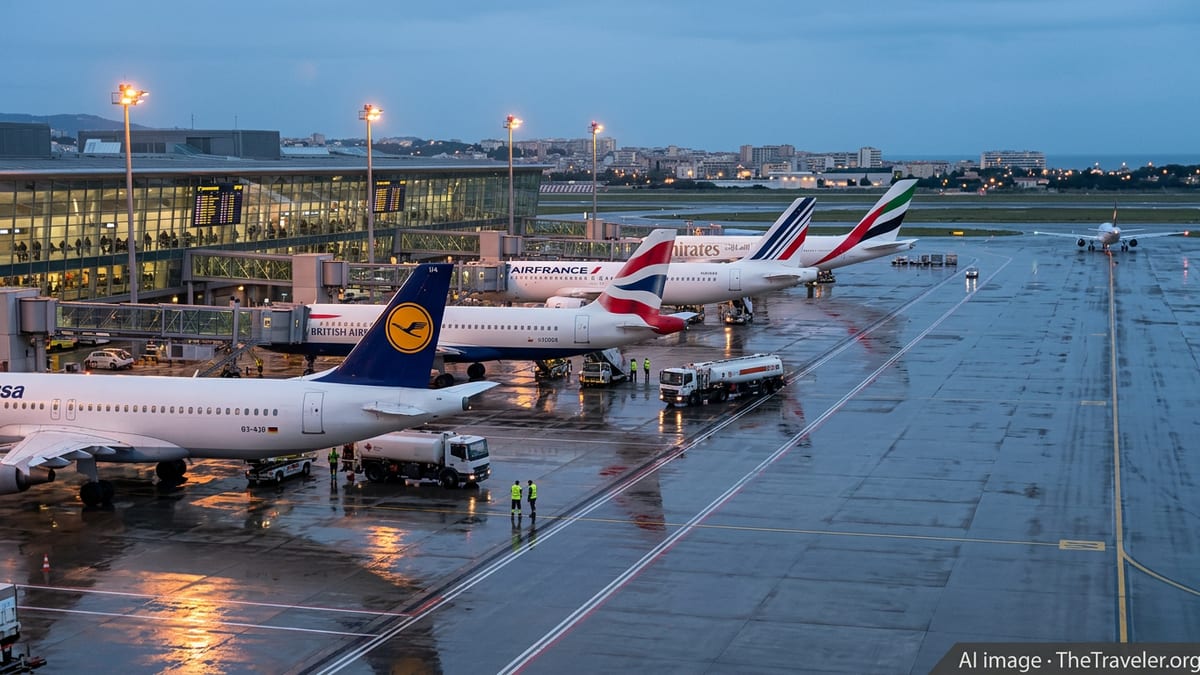
Fuel Rationing Expands As Global Crisis Reaches Italian Hubs
Italy’s aviation system has moved into a new phase of strain in early April 2026 as jet fuel rationing at several airports tightens amid the wider energy shock linked to the Middle East conflict and disruption around the Strait of Hormuz. Publicly available notices to airmen describe caps on deliveries and priority refueling for emergency and long haul services at Milan Linate, Bologna, Venice and Treviso, with additional reports pointing to temporary shortages at Brindisi and growing concern at other regional gateways.
Coverage from European and industry outlets indicates that, for now, airports remain operational, but fuel allocation rules are forcing airlines to adjust how and where they tanker fuel, especially on longer sectors. Short haul carriers are being asked to arrive in northern Italy with fuller tanks, while nonpriority flights face strict per aircraft limits. These measures are officially framed as temporary, yet the combination of high prices and shipping bottlenecks is raising fears that localized shortages could flare up again through the spring shoulder season.
The backdrop is a global oil and jet fuel crunch triggered by the 2026 Iran war and the effective partial closure of the Strait of Hormuz, a key corridor for Gulf exports. Aviation analysts note that even modest physical supply gaps can cause outsized disruption when layered onto already busy European airspace, and Italy’s status as a key leisure and transfer market means any constraints quickly ripple into broader networks.
Long Haul Links To UK, Europe, US, Gulf And Japan Under Pressure
Although the first visible effects of Italy’s rationing have fallen on short haul operations, the most strategically sensitive connections are longer routes that tie Italian cities to global hubs in London, Paris, Frankfurt, Amsterdam, Madrid, New York, Doha, Dubai and Tokyo. According to recent airline and airport disclosures, refueling priority at affected Italian airports is being granted to flights over roughly three hours, which includes many of these high value services.
Carriers based in the United Kingdom, France, Germany, the Netherlands and Spain use Italian gateways heavily for both point to point and connecting traffic. Any need to tanker extra fuel from their home hubs into Italy can reduce payload, constrain seat availability or require tactical schedule padding to accommodate longer ground times. For passengers this can translate into creeping delays, tighter aircraft rotations and a greater likelihood that late arriving flights miss their departure slots.
Transatlantic services linking Italy with the United States are also in focus. Travel industry analysis suggests that US and European airlines have hedged a significant share of their 2026 fuel needs, softening the immediate financial blow, but hedging does not fix a physical shortfall at a particular airport. Where local supplies are capped, transatlantic aircraft may need to uplift more fuel in the US or at other European hubs and then operate Italian stops with limited refueling, adding operational complexity that can undermine on time performance.
Routes to Japan, Qatar and the United Arab Emirates face similar dynamics. Gulf and Asian carriers can often divert refueling to their home bases where supply is more secure, but tight margins at Italian airports still force careful schedule planning. Aviation media report that some airlines have prepared contingency scenarios, from downguaging aircraft on selected days to trimming frequencies on marginal routes if the crisis extends into the early summer wave.
Knock On Effects: Fares, Capacity And Connection Risks
As the fuel crunch persists, economic and consumer impacts are starting to emerge. Industry monitoring from European air traffic bodies points to a steady rise in average delay minutes across the region in March, with fuel related handling and turnaround issues increasingly cited alongside weather and air traffic control constraints. While not yet catastrophic, these small disruptions can aggregate into missed connections and last minute rebookings, particularly on complex itineraries that route through Italy on the way between the Americas, the Gulf and Asia.
Airlines serving Italy from the United Kingdom, France, Germany, the Netherlands and Spain are simultaneously wrestling with higher fuel bills and uncertainty over future deliveries. Business and travel media report that some carriers are already adjusting summer pricing, with early signs of fare pressure on peak dates and routes that combine constrained fuel access with strong leisure demand. Discount seats are becoming harder to find on nonstops to major hubs, and revenue managers appear to be protecting capacity for passengers willing to pay higher last minute prices.
Capacity risks are also rising. Publicly accessible statements from European and low cost carriers reference contingency plans that include selectively trimming frequencies, consolidating flights at better supplied airports and reassigning aircraft away from the most fuel constrained Italian cities if necessary. Travel sector commentary suggests that, if the Strait of Hormuz disruption drags on, some services to secondary airports may be first in line for reductions so that core long haul and primary hub connections can be maintained.
For travelers, this environment means that previously low risk connections can no longer be assumed safe. A tight 45 minute international to international transfer in Italy or at a partner hub could be vulnerable if inbound flights face refueling queues or require technical stops. Consumer advocates are therefore urging passengers to build more slack into itineraries that touch the country in the coming weeks.
What Travelers Should Prepare For Now
Travel professionals across Europe are converging on a similar message for anyone booked to or through Italy in the near term: plan conservatively, stay informed and be ready to pivot. Because the fuel situation can change quickly in response to tanker arrivals and geopolitical developments, schedules that appear normal today may still be revised, especially on flights linking Italy with the United Kingdom, France, Germany, the Netherlands, Spain, the United States, Japan, Qatar and the United Arab Emirates.
Passengers are being advised to monitor airline apps and email notifications closely in the 72 hours before departure, as many schedule adjustments are being finalized at short notice. Same day airport checks of departure boards may be too late when connections are tight. For complex multi leg itineraries, some travel advisers recommend booking directly with a single airline or alliance rather than piecing together separate tickets, which can leave passengers exposed if one leg is delayed or rerouted because of fuel constraints.
Flexibility is emerging as a valuable asset. Published guidance from carriers and travel agents indicates that those who can shift by a day or two, accept alternative routings or depart from different European hubs often have better odds of avoiding the worst bottlenecks. In some cases, moving from a smaller, fuel stressed Italian airport to a larger one with more diversified supply has reduced disruption, though this can add rail or road travel at the start or end of the journey.
Travel insurance policies are also coming under renewed scrutiny. Not all products treat fuel related disruptions in the same way as weather or air traffic control strikes, and experts suggest reviewing policy wording to see whether missed connections, extended delays or enforced overnights due to schedule changes are covered. Where coverage is limited, travelers may wish to favor fares that include greater built in flexibility, even if the upfront cost is higher.
Outlook For Spring And Early Summer Travel To Italy
Looking ahead to the key late spring and early summer travel period, forecasts remain uncertain. Energy analysts caution that much depends on how quickly shipping flows around the Strait of Hormuz can normalize and whether alternative supply routes can be scaled up. Aviation bodies tracking the situation highlight that current Italian fuel caps are time limited but could be extended or reintroduced if deliveries fall short.
For now, public communication from Italian airport operators has sought to reassure travelers that operations are broadly stable, characterizing the measures as a form of careful resource management rather than an outright crisis. At the same time, airlines are quietly refining contingency plans for longer disruptions, including potential aircraft rotations that keep the most fuel intensive or longest routes away from the most constrained airports.
Travelers planning trips that involve Italy and long haul sectors to or from the United Kingdom, France, Germany, the Netherlands, Spain, the United States, Japan, Qatar or the United Arab Emirates may therefore face a more volatile planning environment than in recent years. Industry observers recommend locking in critical dates early, allowing extra time for connections and remaining prepared for schedule adjustments even after tickets are issued. As the fuel situation evolves week by week, the most resilient itineraries will be those built with flexibility and buffer time in mind.