

More news on this day
Italy has joined a growing list of European countries grappling with a tightening jet fuel market, as refuelling caps at key airports serving Milan, Venice, Bologna and Treviso trigger schedule disruptions and raise the prospect of higher airfares for travelers worldwide.
Get the latest news straight to your inbox!
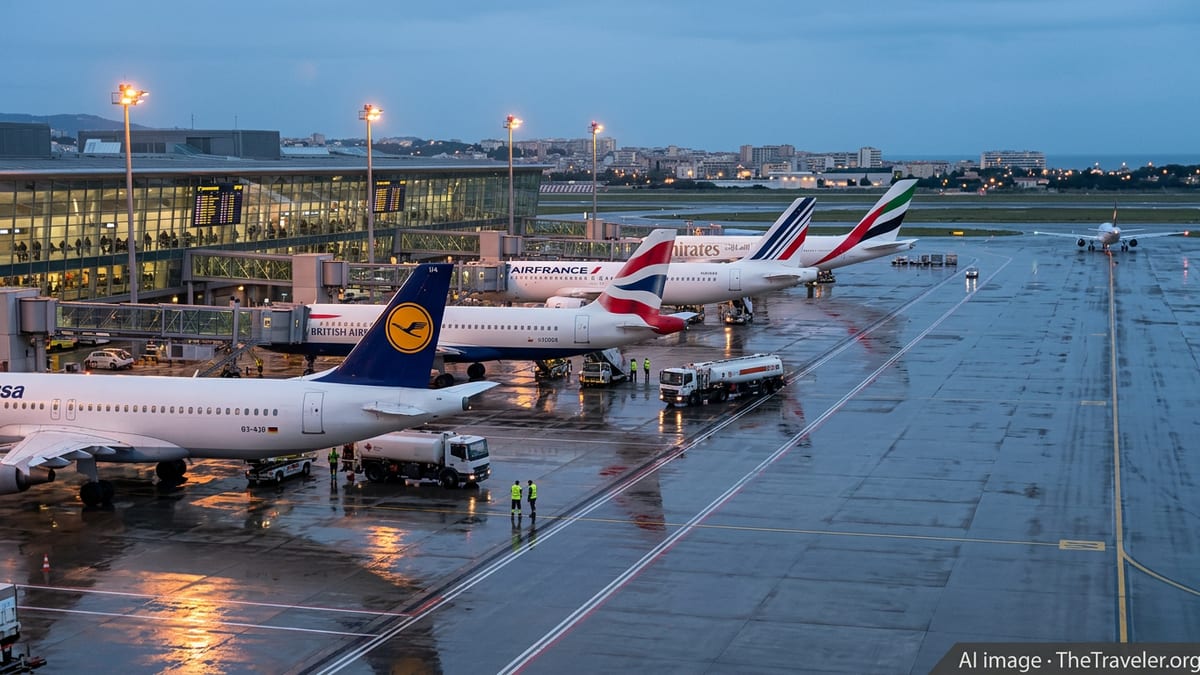
Refuelling Limits Hit Milan, Venice, Bologna and Treviso
Publicly available aviation notices show that jet fuel supplies at Milan Linate, Venice Marco Polo, Bologna and Treviso are being rationed through at least the evening of 9 April 2026. Airlines using these airports have been instructed to limit the amount of kerosene they uplift, with quantity caps per departure and priority given to certain categories of flights.
Industry-focused coverage indicates that at Bologna and Venice, standard commercial services are facing maximum uplift thresholds around a few thousand litres per aircraft, with Treviso subject to slightly higher limits. Travelers are being warned to prepare for possible last minute changes as carriers rebalance loads and adjust schedules around the temporary constraints.
Operationally, the caps mean more aircraft will need to arrive with additional fuel already on board, or route via alternative hubs for top ups. That raises costs and complexity for airlines and makes same day connections more vulnerable to disruption, especially at the start of the busy spring and Easter travel period.
Reports from Italian and international outlets describe extended turnaround times on the ground and a rise in precautionary schedule padding at the affected airports. While no blanket wave of cancellations has emerged so far, the rationing marks one of the clearest signs yet that Europe’s jet fuel squeeze is shifting from a back office supply issue into a visible constraint on day to day air travel.
Continental Shortage Gathers Pace Across Germany, Spain, UK and France
The Italian restrictions are unfolding against a wider European backdrop in which airports and airlines from Germany to Spain, the United Kingdom and France are preparing for tighter jet fuel availability through the spring and summer. Recent analysis by aviation and energy specialists highlights that European refineries have reduced jet output over several years, leaving the continent increasingly reliant on imports.
Updated data from international aviation bodies shows that Europe has entered 2026 with a structural deficit in jet fuel, covered in normal times by seaborne cargoes from the Middle East and other export hubs. Market commentary in early April points to storage hubs holding roughly a month of demand, with stockpiles already lower than a year ago.
In the United Kingdom, business media reports suggest that policymakers and airlines are monitoring jet supplies daily after prices more than doubled from early February levels. Analysts now rank the UK among the most exposed major markets to disruption, given its heavy dependence on imported kerosene and the limited buffer at domestic refineries.
France and Germany are also flagged in recent research as facing sizable gaps between domestic production and demand, while Spain’s popular holiday airports are watching supply chains closely ahead of the peak season. In several countries, carriers are quietly drafting contingency plans that include tankering more fuel into the most constrained airports, consolidating frequencies on marginal routes and, as a last resort, trimming schedules.
Middle East Conflict and Strait of Hormuz Closures Choke Supply
The immediate catalyst for the current squeeze is the disruption to oil flows caused by the ongoing conflict involving Iran and its neighbors, which has severely curtailed tanker traffic through the Strait of Hormuz. Open source assessments of the crisis describe a sharp reduction in available Gulf refined products, including aviation fuel, following damage to regional energy infrastructure.
Before the conflict, Europe relied on the Middle East for a substantial share of its kerosene imports. The closure or partial closure of Hormuz to most oil shipments has forced traders to scramble for alternative cargoes from the United States, Asia and Africa, often at higher cost and with longer voyage times. Shipping constraints, insurance costs and the time needed to reconfigure supply routes have all combined to tighten the market.
Market reports from late March and early April indicate that European jet fuel prices have climbed to record or near record levels, surpassing peaks seen during previous energy shocks. Some suppliers have reportedly become reluctant to offer firm contracts beyond a few weeks, a sign of how uncertain the near term outlook has become.
For airlines, that volatility is feeding directly into planning for the key northern summer season. Carriers have already faced rising operating costs from fuel hedging shortfalls and now must weigh how much of the latest surge can be passed on to passengers without denting demand on price sensitive leisure routes.
Flight Delays, Route Changes and Rising Fares for Travelers
The practical impact for passengers is starting to emerge in the form of delayed departures, re-routed services and early signals of fare pressure. Travel advisories distributed over the Easter weekend highlight isolated but growing instances of flights from the affected Italian airports operating with revised timings or refuelling stops.
According to recent airline and travel industry commentary, some carriers are considering temporary technical stops at fuel secure hubs to avoid taking large uplifts at constrained airports. While such measures can keep networks running, they lengthen total journey times and erode schedule resilience when weather or air traffic control issues arise.
On pricing, low cost and network airlines alike have warned in recent briefings that ticket prices across Europe are likely to edge higher into the second quarter of 2026. One major budget carrier recently reiterated guidance for mid single digit percentage fare increases year on year, citing both strong demand and higher fuel bills.
Travel agents and corporate booking platforms are meanwhile reporting a shift in demand patterns, with some customers favoring routings through airports perceived as less exposed to fuel shortages. However, as the supply squeeze broadens beyond a handful of locations, the scope for simple workarounds is narrowing, raising the risk of a more generalised price and disruption shock.
Global Ripple Effects on Long Haul and Summer Travel Plans
Because many intercontinental journeys rely on European hubs for connections, the jet fuel crunch is expected to reverberate well beyond the region. Long haul flights that route through major European airports could face tighter fuel planning margins, occasional loading constraints and higher operating costs if carriers need to tanker additional fuel from North America, the Middle East or Asia.
Industry analysis suggests that connections between Europe and popular long haul destinations in North America, East Asia and parts of Africa may be particularly exposed. Airlines are modelling scenarios in which they prioritize fuel for longer sectors and high yield routes, potentially putting pressure on shorter point to point services and some secondary city links.
For international travelers planning trips for late spring and the northern summer, the situation adds a new layer of uncertainty to an already complex landscape of high demand, tight capacity and geopolitical risk. Travel advisers are encouraging passengers to allow more time for connections through European hubs, monitor itinerary changes closely and budget for the possibility of higher airfares compared with previous years.
How quickly the pressure eases will depend on the evolution of the conflict affecting Gulf energy infrastructure, the success of efforts to source alternative supplies, and the capacity of European refineries to adjust output. Until then, Italy’s new fuel caps offer a visible sign that Europe’s jet fuel problem has moved from spreadsheets and trading screens onto the airport apron, with global travel feeling the effects.