

More news on this day
Italy is moving in lockstep with a growing number of European destinations to rein in overtourism, introducing tougher rules on short-term rentals, day-tripper fees, cruise ship traffic and public behavior as local residents demand relief from soaring visitor numbers.
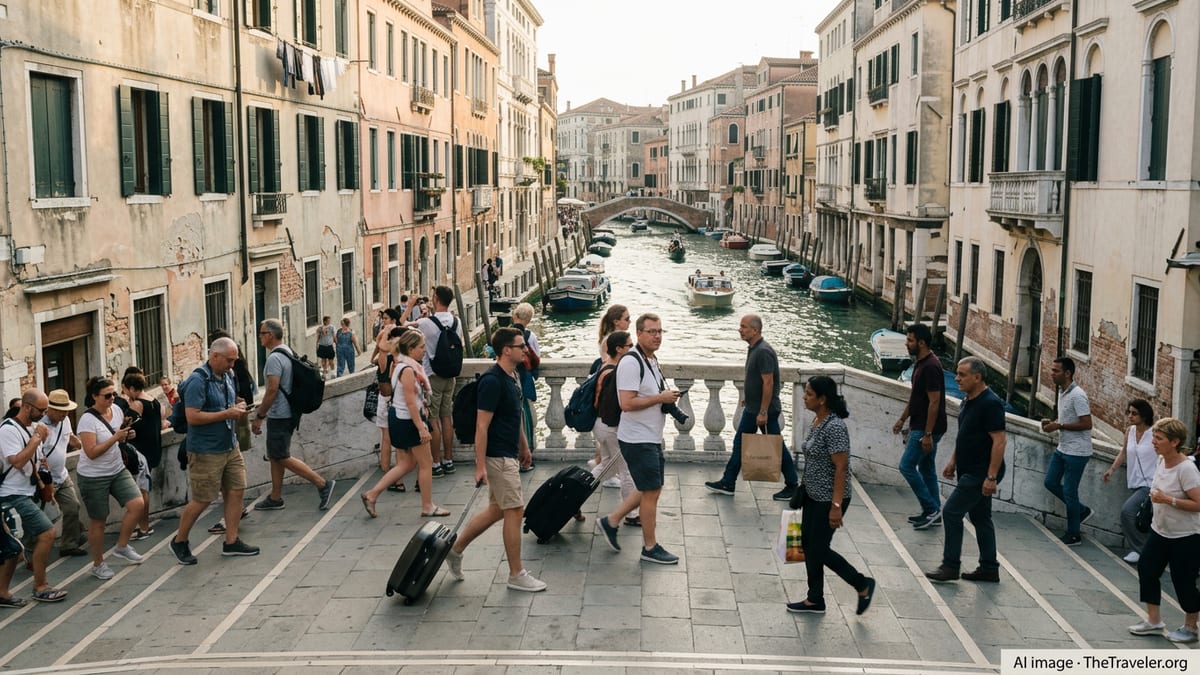
Italy Rolls Out National and City-Level Curbs
Italian authorities have begun tightening tourism rules on multiple fronts, combining new national legislation with aggressive local measures in cities such as Venice, Florence and Rome. A nationwide law now requires all tourist rentals to register for an identification code, with heavy fines for properties that operate without it, a move designed to expose illegal listings and give municipalities more control over how many homes are turned into holiday lets.
In Florence, officials have already banned new short-term rentals in the UNESCO-listed historic center and are weighing an extension of those limits to surrounding neighborhoods as housing shortages deepen. Local reports suggest the city is studying how platforms such as Airbnb have reshaped its property market, with tens of thousands of apartments now used primarily for visitors rather than residents.
Venice, long a symbol of overtourism, has paired restrictions on large cruise ships with an experimental day-tripper fee of 5 euros, introduced for peak days starting in 2024 and expanded for the 2025 and 2026 seasons. Authorities say the measure is aimed at the two thirds of visitors who do not stay overnight but crowd its narrow streets and bridges, while also helping to fund maintenance of the fragile lagoon city.
Rome, facing its own housing pressures, is enforcing stricter registration rules for tourist rentals and requiring in-person check-ins to curb anonymous remote hosting and key boxes. Police checks have intensified during religious jubilee preparations, with officials signaling that the capital will no longer tolerate unlicensed accommodation in its central districts.
Netherlands and Croatia Tighten Short-Term Rentals
Italy’s actions mirror a broader European trend most visible in the Netherlands, where Amsterdam has been steadily squeezing the short-stay market for more than a decade. The Dutch capital has limited entire-home holiday rentals to a small number of days per year, tightened enforcement in central districts and, in 2025, moved to reduce that allowance even further as part of a plan that could take effect citywide by 2026.
Amsterdam has paired these measures with Europe’s highest tourist tax on hotel stays and tighter rules on new bed and breakfasts, pitching the policies as a way to preserve liveable neighborhoods and free up long-term housing. The city has also restricted cruise ship calls and banned new docks near its historic center, arguing that large vessels concentrate crowds without delivering proportional economic benefits for residents.
Croatia, whose Adriatic coast has become one of Europe’s busiest summer playgrounds, is also experimenting with caps on private-room rentals in historic old towns and on sensitive islands. Municipalities including Dubrovnik have moved to limit the number of guests that can be accommodated inside city walls and to steer visitors toward licensed hotels and guesthouses, citing concerns about noise, rubbish collection and steep rent increases for locals.
Officials in coastal Croatian cities say that, like their Italian counterparts, they are now routinely weighing the social costs of ever-rising arrivals against the economic gains, and that further restrictions on unregistered apartments are under consideration for coming seasons.
Spain, Greece and Hungary Target Cruises and Public Conduct
Elsewhere in southern Europe, governments are focusing on cruise tourism and tourist behavior in busy historic centers. In Greece, authorities have introduced a tiered sustainability fee on cruise passengers calling at popular islands such as Santorini and Mykonos, with charges that vary by season and port. At the same time, a cap of around 8,000 cruise visitors per day for Santorini aims to cut peak-day crowds by more than half, following university research that warned of strain on local infrastructure.
Greece has already implemented a nationwide environmental fee on tourist accommodation, including short-term rentals, and is studying additional capacity limits for cruise berths at its most congested ports. Tourism officials argue that higher-quality, longer-stay visitors will offset any decline in mass arrivals if crowding is brought under control.
In Spain, repeated summers of protests in Barcelona, the Balearic Islands and the Canary Islands have prompted regional governments to raise tourist taxes, phase out licenses for new holiday rentals and toughen noise and street-drinking ordinances. Local leaders in Barcelona have also moved to relocate or cap cruise calls that bring thousands of day-trippers into the city’s Gothic Quarter and waterfront on peak days.
Hungary has joined the trend in a different way, with Budapest using police checks, fines and public awareness campaigns to clamp down on antisocial nightlife in districts heavily frequented by foreign visitors. City officials have gradually cut back on the hours during which outdoor drinking is allowed, tightened controls on party boats along the Danube and pressured pub-crawl operators to limit group sizes in residential streets.
Public Behavior Codes and Marketing Pivots Across Europe
Alongside housing and cruise regulations, European tourism hubs are rolling out stricter public behavior codes and shifting their marketing away from carefree party imagery. Italy’s major cities have imposed fines for climbing on monuments, wading in fountains, dragging wheeled suitcases over fragile steps and blocking narrow lanes for photos, arguing that basic decorum is now essential to protect historic sites and allow residents to go about daily life.
Amsterdam has launched a widely publicized campaign telling certain visitors to “stay away” if their main goal is to engage in nuisance behavior around its red-light district and cannabis coffeeshops. The city has shortened opening hours for some venues, banned smoking cannabis on key streets and increased patrols to discourage stag-party antics that locals say have become intolerable.
Similar codes of conduct have appeared in Spanish and Croatian resort towns, where fines for public drunkenness, noisy balcony parties and inappropriate dress in historic quarters have been raised sharply. Tourism boards now stress cultural experiences, nature, gastronomy and off-season travel, responding to a growing political consensus that future growth must be measured in quality rather than raw visitor counts.
Industry groups representing cruise lines and rental platforms have pushed back, warning that strict caps and heavy-handed messaging risk deterring responsible travelers and undermining local economies. But many city governments counter that unsustainable volumes have already eroded quality of life and that public support for tougher rules has hardened after years of record-breaking tourist numbers.
What These Crackdowns Mean for Future Visitors
For travelers, the new European landscape will mean more advance planning, higher ancillary costs and closer attention to local rules. Day-tripper fees, cruise taxes and environmental surcharges are likely to add a modest premium to visits in peak season, particularly in highly sought-after destinations such as Venice, Santorini, Amsterdam and Barcelona.
Short-term rental regulations could also reshape where visitors stay. In cities that have frozen new holiday lets or tightened licensing, options in historic centers may dwindle, pushing demand toward licensed hotels, guesthouses and neighborhoods further from the old town. Tourism experts say that could make visits quieter and more authentic, but may also drive up prices for the most central rooms.
Officials across Italy and other European countries insist that the goal is not to deter tourism altogether but to reset expectations about how, when and where visitors experience their cities. With more countries now experimenting with caps, fees and codes of conduct, summer in Europe is poised to look less like a free-for-all and more like a carefully managed balancing act between residents’ rights and the global appetite to explore.