

More news on this day
Canadian travellers heading to Japan now have a powerful new incentive to go beyond Tokyo and Osaka, as Japan Airlines has introduced a complimentary regional flight offer designed to make the country’s lesser known cities, islands and countryside significantly easier to reach.
Get the latest news straight to your inbox!
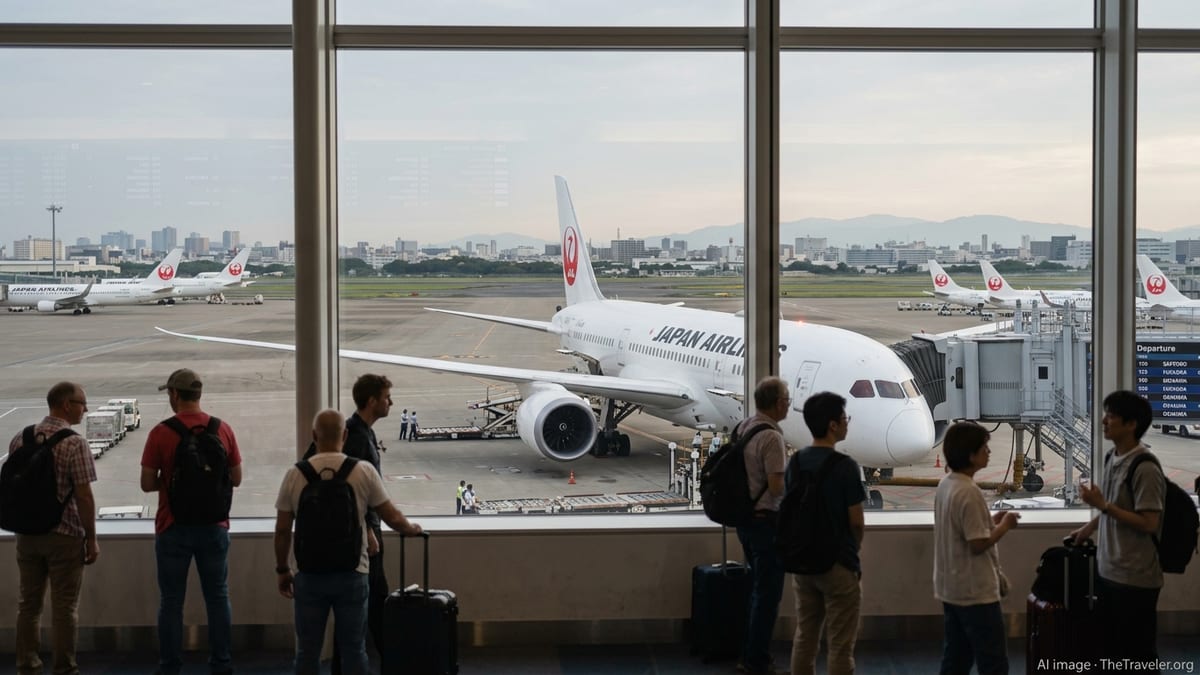
How the Free Regional Flight Offer Works
According to publicly available information from Japan Airlines and the Japan National Tourism Organization, Canadian residents who book a qualifying round trip international ticket to Japan on Japan Airlines can add a complimentary one way domestic sector within Japan on the same reservation. Reports indicate that the domestic leg must be booked at the time of the international purchase and cannot be added later as a separate ticket.
The promotion forms part of Japan Airlines’ broader “Complimentary Domestic Flights” campaign aimed at international visitors. Coverage of the initiative notes that eligible travellers from Canada and a group of other markets may choose from more than 60 domestic destinations served by the carrier’s network, subject to seat availability and fare conditions on specific routes and dates.
Travel industry reports highlight one important cost detail for North American passengers. While the domestic sector itself prices at zero base fare, some travellers from Canada, the United States, Mexico and China are subject to a stopover surcharge if they spend more than 24 hours in their initial Japanese gateway before taking the free onward flight. Taxes and standard airport fees also remain payable, meaning the journey is not entirely cost free but still substantially discounted compared with regular domestic airfares.
Japan Airlines and tourism authorities present the program as a complement to, rather than a replacement for, Japan’s well known rail passes. For some itineraries, especially long north south hops, domestic flights can significantly reduce travel time and open up destinations that are harder to reach by train in a short vacation window.
Driving Tourism Beyond Japan’s Most Crowded Hotspots
Travel industry coverage indicates that a central goal of the initiative is to rebalance visitor flows within Japan. By tying a free domestic leg to an international ticket, Japan Airlines and tourism officials are encouraging foreign visitors, including Canadians, to pair major gateways such as Tokyo or Osaka with a second region that typically sees fewer international arrivals.
Public information from Japan’s tourism board describes the offer as a tool to ease congestion in heavily trafficked districts while spreading economic benefits to smaller cities and rural prefectures. The program aligns with a broader policy trend in Japan that promotes travel to local communities, fishing towns, historic castle cities and remote islands that lack the name recognition of Kyoto or Hiroshima but offer distinct cultural and natural attractions.
Analysts following Asia Pacific aviation note that the timing coincides with a surge in long haul demand to Japan from North America. By linking that demand to regional air services, the campaign helps fill domestic seats that might otherwise be discounted while simultaneously supporting national objectives around regional revitalization and sustainable tourism.
For Canadian travellers, the structure of the program makes it relatively simple to add a second hub to a standard Japan itinerary. Many packages marketed in Canada historically focused on short stays in Tokyo and perhaps one additional city by rail. The complimentary flight component now incentivizes more complex routing that can push travellers toward places they might never have considered.
Hidden Gems Now Within Easy Reach for Canadians
Destination examples mentioned in tourism and airline materials include northern regions such as Hokkaido and Aomori, the Sea of Japan coast, and southern island chains stretching toward subtropical latitudes. These areas are often celebrated by domestic tourists but remain off the radar for many first time international visitors.
Hokkaido’s capital Sapporo, for instance, is known for winter sports, craft beer and a relaxed urban atmosphere distinct from Tokyo. Farther south, the Tottori Sand Dunes offer desert like coastal landscapes rarely associated with Japan, while Niigata on the Sea of Japan is recognized for rice paddies, sake breweries and alpine scenery. At the opposite climatic extreme, Okinawa and surrounding islands feature coral reefs, beaches and a cultural heritage shaped by the former Ryukyu Kingdom.
Smaller cities such as Tokushima on Shikoku Island, famed for its Awa Odori dance traditions, and regional hubs in Kyushu with hot spring resorts and volcanic panoramas, are similarly positioned to benefit. For Canadians combining a major city stay with a complimentary hop, these destinations shift from aspirational side trips to realistic additions within a two week holiday.
Travel media in Canada has framed the offer as an opportunity to assemble “two trips in one” without substantially increasing transportation costs. The key constraint remains time, since most complimentary sectors must be used within the overall validity of the international ticket, but the cost barrier for exploring more remote prefectures is notably lower than in previous years.
Practical Considerations for Canadian Travellers
Reports on the program emphasise that the free domestic sector is capacity controlled. Not every flight or departure time will have seats available in all fare classes, and travellers are generally advised in public guidance to select their domestic destination and timing early in the booking process rather than waiting until closer to departure.
The requirement to book international and domestic flights together on the Japan Airlines website or via eligible channels is another important operational detail. Separate tickets issued through different systems, even on the same day, are typically not recognised as part of the campaign, and travellers who attempt to piece together itineraries retrospectively may miss out on the benefit.
Canadian visitors also need to account for Japan’s geography when choosing routes. Some free sectors may still involve connections through major hubs such as Tokyo Haneda or Tokyo Narita, especially when flying to smaller airports. Layover times, seasonal weather conditions and baggage transfer rules are all factors that can influence whether a particular routing is convenient within a limited holiday schedule.
Consumer advisories recommend that travellers verify current campaign terms, eligible travel periods, and any surcharges or blackout dates directly through official airline or tourism portals before finalising plans. Although recent coverage indicates that the initiative does not have an imminent end date, the specific conditions and markets included have evolved over time, and details can change as Japan adjusts its tourism strategy and airline capacity.
A Competitive Edge in the Canada Japan Travel Market
Industry observers suggest that the free regional flight initiative strengthens Japan Airlines’ position in the competitive transpacific market from Canada. With Canadian travellers enjoying a growing list of non stop and one stop options to East Asia, bundled value propositions have become an important differentiator for carriers targeting long haul leisure demand.
By effectively building a domestic side trip into the fare, Japan Airlines is offering an experience centred incentive rather than a simple ticket discount. This approach resonates with trends in Canadian outbound travel, where surveys frequently show an appetite for deeper cultural immersion and multi centre itineraries when vacation time allows.
The program also dovetails with ongoing efforts by Japanese regional airports and tourism offices to attract more international routes and charter operations. Increased visitor numbers arriving on complimentary domestic sectors can help justify investments in terminal upgrades, local transport links and destination marketing campaigns aimed at foreign audiences.
For now, the initiative positions Japan Airlines and Japan’s tourism authorities as unusually proactive in using air travel promotions to shape how and where international visitors move around the country. For Canadians planning trips over the coming seasons, the free regional flight option presents a timely chance to look past the classic itinerary and discover corners of Japan that often remain unseen on a first visit.