

More news on this day
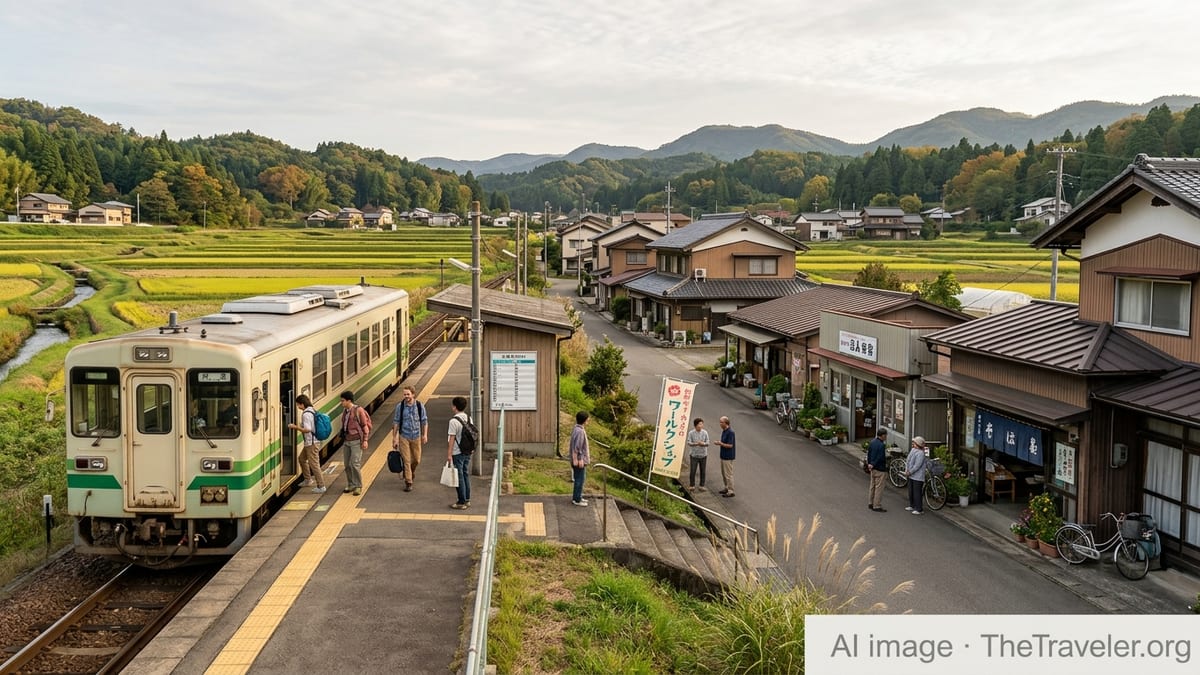
Japan is rapidly emerging as a leading hub for slow travel, joining destinations such as India, Vietnam and Indonesia in attracting visitors who are less interested in checklists of sights and more focused on cultural immersion, wellness and unhurried exploration of landscapes and local life.
Get the latest news straight to your inbox!
Record Tourism Fuels a Shift From Sightseeing to Slow Travel
After a historic rebound in international arrivals, Japan’s tourism strategy is evolving from volume-driven growth to experiences that encourage travelers to stay longer, spend more locally and move beyond the most crowded hotspots. Publicly available figures from the Japan National Tourism Organization and industry analyses indicate that Japan welcomed well over 30 million international visitors in 2024 and continued to set monthly records through 2025. Travel and tourism now account for a significant share of national GDP, prompting policymakers and businesses to reassess how to manage demand in a more sustainable and balanced way.
Reports on recent tourism trends describe a noticeable pivot from shopping and rapid-fire sightseeing toward experiential and lifestyle-oriented travel. Visitors are showing greater interest in staying in one region for several days, using smaller cities and rural communities as bases for exploring nature, food culture and traditional crafts. This pattern mirrors global slow travel preferences seen in India’s ashram stays, Vietnam’s countryside cycling routes and Indonesia’s extended wellness retreats, positioning Japan alongside these markets in the competition for mindful travelers.
Travel outlook reports for 2025 from major Japanese travel groups forecast that growth will increasingly be driven by experiential segments, including cultural immersion, wellness and outdoor activities. Rather than simply dispersing tourists to new places, these plans emphasize creating reasons to linger: local rail passes that encourage regional exploration, community-hosted events, and collaborations with artisans and farmers to showcase everyday life. Japan’s weak yen continues to make longer trips financially attractive for many international visitors, further supporting the slow travel shift.
Cultural Immersion Moves Beyond the Classic Golden Route
As pressure mounts on heavily visited corridors between Tokyo, Kyoto and Osaka, a growing number of travelers are seeking slower, more immersive experiences in lesser-known regions. Coverage of recent tourism initiatives points to campaigns promoting prefectures in Tohoku, Shikoku, Kyushu and the Sea of Japan coast, where communities are actively inviting visitors to participate in workshops, festivals and seasonal farm or fishing activities.
Travel operators specializing in Japan have begun curating itineraries that revolve around local culture rather than big-city attractions. Programs include homestays in traditional wooden homes, hands-on sessions with indigo dyers or ceramic artists, and guided walks in preserved castle towns that encourage travelers to engage with local history at a measured pace. These offerings echo trends in India, where heritage homestays and village-based tourism have grown, and in Vietnam and Indonesia, where travelers increasingly favor time in smaller communities over major resort cities.
Japan’s national and regional tourism organizations are promoting “stay-type” travel, a term that appears frequently in domestic policy documents and marketing campaigns. The approach encourages visitors to base themselves in one area for several days, using local transport and guides instead of rushing between multiple cities. Observers note that this model not only supports small businesses but also helps spread economic benefits to rural areas facing depopulation and economic decline.
Wellness and Onsen Retreats Anchor Japan’s Slow Travel Appeal
Wellness tourism has become one of the strongest links between Japan and other slow travel leaders such as India and Indonesia. While India is widely associated with yoga, Ayurveda and meditation retreats, and Indonesia with spa resorts and yoga villages, Japan’s appeal is rooted in onsen culture, forested landscapes and a long tradition of seasonal, health-conscious cuisine.
Recent wellness industry reports highlight Japan as a rising destination for travelers seeking restorative escapes, noting growth in nature-based retreats and multi-day programs that combine hot spring bathing with guided forest walks, mindfulness activities and locally sourced meals. Spa and wellness publications in early 2025 described Japan, alongside a handful of other Asian countries, as a key player in “eco-wellness” travel that blends low-impact stays with cultural experiences.
Regional governments and private operators are investing in renovating traditional ryokan inns, converting abandoned school buildings into retreat centers, and developing wellness-oriented trails linking hot spring towns and mountain villages. These efforts mirror trends in India’s Himalaya and Kerala regions and in parts of Bali and Lombok, where slow, wellness-focused itineraries are used to extend visitor stays and reduce pressure on urban centers.
Scenic Rail Journeys and Nature Routes Encourage Unhurried Exploration
Beyond cultural and wellness offerings, Japan’s landscape and transport network are being reframed as assets for slow travel. While the high-speed shinkansen remains a symbol of efficiency, regional rail lines, local buses and cycling routes are being promoted as ways to experience scenery at a more relaxed tempo. Travel industry analyses of 2025 trends point to rising interest in multi-day journeys that follow coastal lines, mountain valleys and rural rice-terrace regions.
Tourism boards and private operators are packaging lesser-known national parks, pilgrimage paths and long-distance hiking trails together with stays in small inns and guesthouses. Examples include walking routes in the Kii Peninsula, volcanic landscapes in Kyushu and island-hopping in the Seto Inland Sea. These products closely parallel slow travel circuits in Vietnam’s highlands and coastal areas, as well as island itineraries in Indonesia that focus on wildlife, village life and marine conservation.
Publicly available transport and tourism policy documents show that Japan has allocated funding to improve access to remote regions while trying to avoid the crowding issues seen in major urban hubs. Efforts include better digital information for non-Japanese speakers, integrated local transport passes and support for community-based guiding services, all of which make it more practical to explore at a gentle pace without renting a car or relying solely on the fastest routes.
Sustainability Concerns Push Travelers Toward Slower, Deeper Trips
Japan’s embrace of slow travel is also influenced by growing concern about overtourism and environmental impact. Analyses of recent tourism data and political developments in the country point to public frustration in some urban neighborhoods over crowding, noise and strain on infrastructure. In response, national frameworks such as the Tourism Nation Promotion Basic Plan, along with local strategies, call for tourism that supports community well-being and respects cultural and natural heritage.
Observers note that these policy goals align closely with what many international travelers now seek. Research by global tourism bodies and travel trend reports for 2024 and 2025 indicate that visitors are increasingly willing to travel outside peak seasons, spend more time in a smaller number of locations and choose activities tied to local culture, food and nature. Japan’s growing portfolio of slow travel products is designed to capture this demand while easing pressure on its most famous districts.
In the broader regional context, Japan is now mentioned alongside India, Vietnam and Indonesia in industry discussions of Asia’s leading slow travel markets. Each country brings distinct strengths, from spiritual retreats and rice paddy landscapes to island eco-resorts and mountain villages, but all are converging on a model of tourism that values depth over speed. For Japan, that means turning its onsen towns, craft communities and scenic rail routes into the centerpiece of a new, slower way to experience the country.