

More news on this day
Across Asia, a shift toward slower, more immersive journeys is reshaping tourism, with Japan rapidly joining India, Vietnam, Indonesia and others as key destinations for travelers seeking culture-rich, wellness-focused escapes.
Get the latest news straight to your inbox!
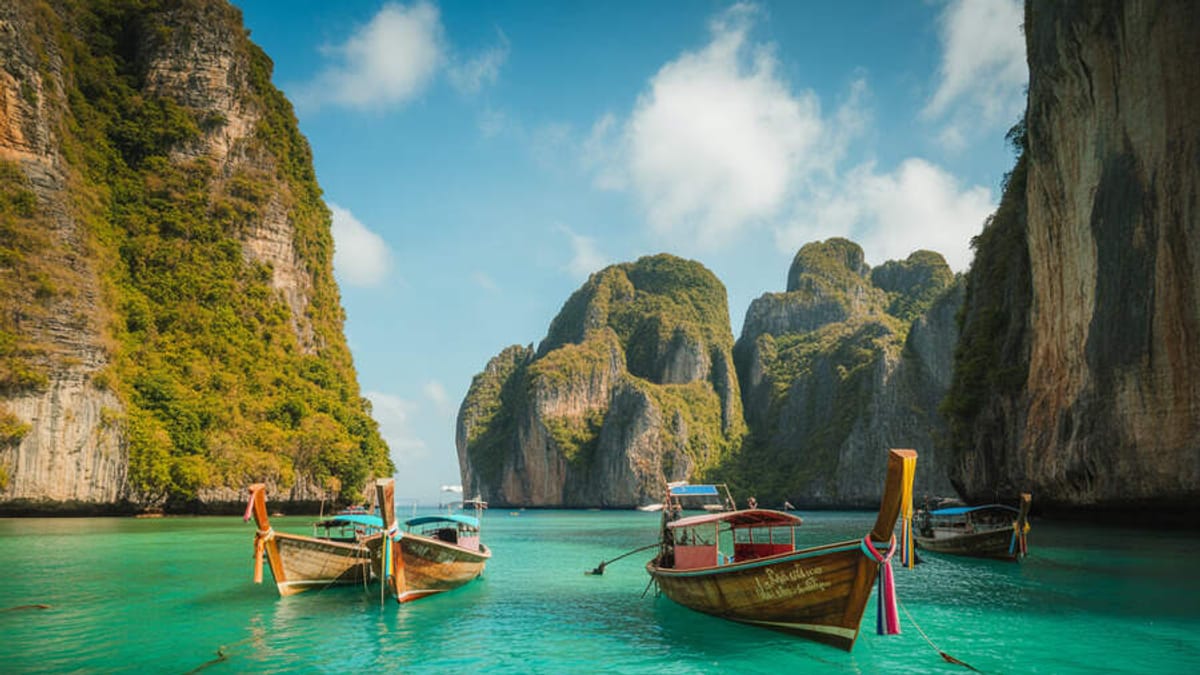
Image by Latest International / Global Travel News, Breaking World Travel News
Slow Travel Moves Into the Mainstream
Slow travel, once a niche response to crowded sightseeing circuits, has moved into the tourism mainstream across Asia. Travelers are increasingly trading checklist itineraries for longer stays, smaller destinations and experiences that prioritize connection with local communities, food traditions and landscapes. Industry analyses and destination marketing materials across the region highlight rising demand for rail journeys, homestays, rural retreats and wellness-focused stays that encourage visitors to linger rather than rush.
Japan’s tourism agencies and regional prefectures have begun positioning the country as a natural fit for this trend, emphasizing walking routes, small towns and seasonal festivals that reward unhurried exploration. This aligns Japan with established slow travel leaders such as India, Vietnam and Indonesia, where homestays, eco-resorts and community-based tourism have long framed travel as a way to engage deeply with local life rather than simply pass through.
Across these markets, publicly available reports indicate that travelers are staying longer in single regions, choosing shoulder seasons to avoid crowds and seeking itineraries that build in time for rest and reflection. The pattern points to a broader recalibration of what constitutes a successful trip, shifting attention away from volume of sights and toward the quality of experiences.
Japan’s Quiet Paths, Onsen Towns and Pilgrimage Trails
Japan’s emerging slow travel offering draws heavily on its network of historic routes and compact regional hubs. Tourism initiatives in recent years have promoted multiday itineraries in places such as Wakayama, where visitors are encouraged to spend several days moving between hot springs, coastal shrines and traditional villages at a measured pace. These programs typically combine low-impact outdoor activity with close contact to local foodways and centuries-old religious practices.
The country’s rail infrastructure supports this slower style of movement. Regional railways and scenic lines are being marketed not just as transport, but as part of the travel experience itself, with campaigns spotlighting vintage rolling stock, countryside vistas and access to lesser-known stations that serve as gateways to walking routes. Cultural promotion materials describe efforts to connect these services with stories of local crafts, farm produce and festivals, framing each journey as an introduction to the everyday life of the communities along the tracks.
Japan’s onsen culture further reinforces its appeal to wellness-oriented slow travelers. Traditional inns in hot spring towns invite guests to stay multiple nights, follow local bathing rituals and dine on seasonal menus built around regional ingredients. Promotional content increasingly presents these stays as opportunities to reset physical and mental rhythms, pairing bathing with forest walks, temple visits and participation in neighborhood events rather than hurried sightseeing.
India’s Homestays and Heritage Towns Embrace a Slower Pace
India has seen a parallel rise in slow travel, with domestic and international coverage spotlighting homestays and small lodges in hill regions, coastal backwaters and rural plains. Many of these properties emphasize low density, local ownership and extended stays, encouraging visitors to follow village routines, join farms during planting or harvest, and participate in regional festivals. Travel features in recent months have underscored how such stays offer quieter alternatives to crowded landmarks while directing tourism income deeper into local economies.
Destination roundups for 2026 highlight Indian regions marketed specifically for slow journeys, from river islands and forested plateaus in the northeast to tea estates and heritage towns in the south. The focus is often on walking, cycling and simple, everyday experiences such as market visits and cooking with hosts, rather than long-distance transfers between major cities. This emphasis positions India as a counterpart to Japan’s rail-based itineraries, with both countries presenting abundant opportunities to immerse in living traditions at a neighborhood scale.
Wellness further strengthens India’s role in the regional slow travel landscape. Retreats centered on yoga, Ayurveda and meditation continue to expand beyond classic hubs, with new centers appearing in less developed coastal stretches and in the foothills of the Himalayas. Many programs are designed as week‑long or multiweek stays, mirroring the extended timelines characteristic of slow travel and encouraging guests to build relationships with both practitioners and surrounding communities.
Vietnam and Indonesia Lean Into Culture and Wellness
Vietnam’s tourism strategies for the mid‑2020s increasingly reference slow travel as a defining trend. Industry updates describe cultural immersion as a key selling point, noting that visitors are seeking homestays in ethnic minority villages, craft workshops in rural provinces and longer stays in river and karst landscapes. Travel companies promote leisurely journeys through areas such as Ha Giang, Sapa and Ninh Binh, with itineraries built around trekking, market visits and time spent in local homes rather than rapid multi-city tours.
Forecasts for Vietnam’s visitor numbers over the next several years are accompanied by expectations that interest in heritage, community-based tourism and wellness retreats will continue to grow. Travel planners highlight demand for small-group experiences, hands-on learning with artisans and food-focused itineraries that unfold over several days in a single region. This approach responds to travelers who associate authenticity and value with depth of contact, not simply geographic range.
In Indonesia, particularly Bali and neighboring islands, slow and mindful travel has become a central theme in coverage of post-pandemic tourism. Local media and travel industry commentary report stronger interest in long stays, especially in quieter areas beyond the main resort zones, where visitors can balance yoga, spa treatments and healthy dining with time in rice fields, villages and coastal communities. New and revamped wellness resorts on islands such as Sumba are framed as places where guests can pair surfing and nature excursions with structured restorative programs.
Regulatory and destination management measures in Indonesia also intersect with the slow travel narrative. Guidance on appropriate behavior in temples and sacred landscapes, along with efforts to limit waste and encourage respectful engagement with local customs, supports a style of tourism that values presence and understanding over constant motion.
Scenic Exploration and Wellness as Regional Connectors
Across Japan, India, Vietnam and Indonesia, scenic exploration and wellness function as shared pillars of the slow travel offer. Mountain ranges, rice terraces, coastal roads and island interiors all provide natural settings for hiking, cycling and contemplative walks that are more about immersion than endurance. In each country, tourism marketing materials now emphasize viewpoints reachable by short local journeys, rural rail segments or footpaths rather than by intensive, long-haul transfers.
Wellness experiences, once largely tied to luxury resorts, are being recast as accessible components of everyday travel. Japan’s hot spring bathing, India’s yoga and traditional medicine, Vietnam’s countryside retreats and Indonesia’s coastal and jungle spas are grouped under a broader promise of restoration and balance. The trend favors small group sizes and unhurried schedules, with operators promoting quiet time, flexible itineraries and the possibility of repeat visits to the same locale.
The convergence of these elements suggests that Japan’s evolving positioning is part of a wider regional story. As travelers seek ways to experience the heart of a destination through culture, wellness and landscape, Asia’s leading tourism markets are recalibrating their offers toward depth, patience and connection. Japan’s growing network of slow-focused programs places it alongside India, Vietnam, Indonesia and others as a significant hub for travelers who want their journeys to unfold at the pace of local life.