

More news on this day
Japan is sharpening its focus on Vietnam as a fast-growing source of visitors, rolling out cherry blossom itineraries, regional sakura routes and cultural spring experiences designed around the peak bloom window that Vietnamese travelers increasingly plan their holidays around.
Get the latest news straight to your inbox!
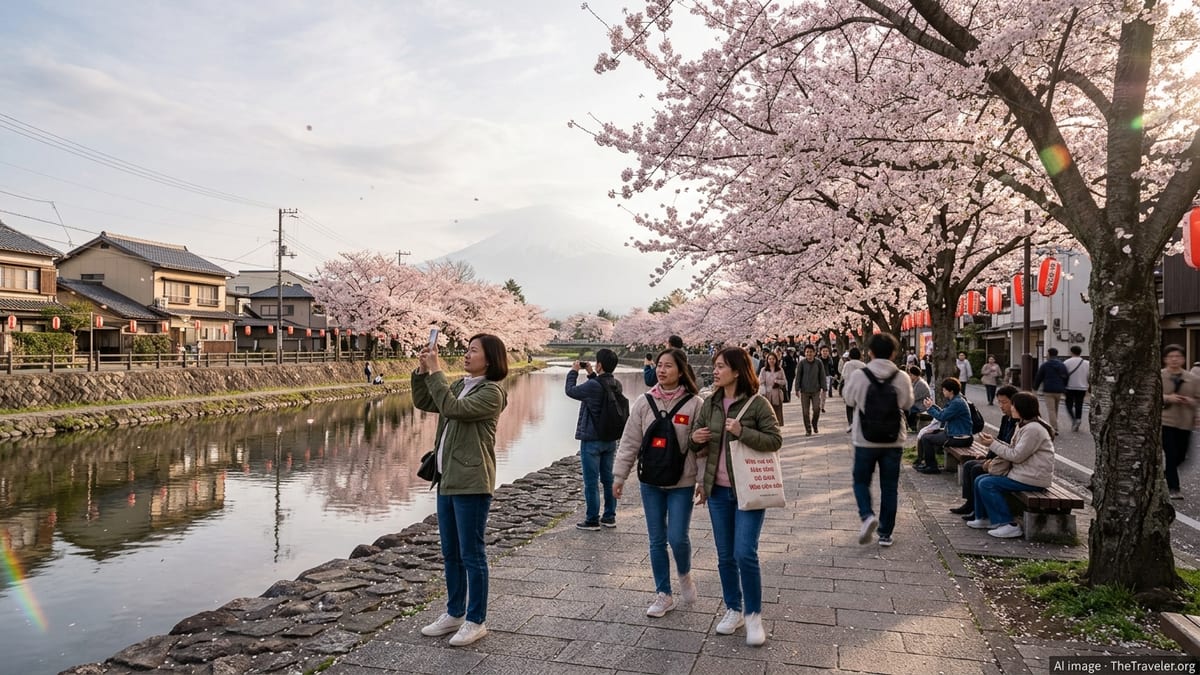
Vietnam Emerges as a Key Spring Market for Japan
Publicly available figures from the Japan National Tourism Organization show that Vietnam has become one of Japan’s most dynamic Southeast Asian markets. Visitor numbers from Vietnam reached a record 621,100 arrivals in 2024, up more than 8 percent from the previous year and well above pre-pandemic levels. Early 2025 data for January to May points to further growth, with provisional counts indicating double-digit percentage increases compared with the same period a year earlier.
Travel industry reports in Vietnam indicate that a significant share of these trips cluster in late March and early April, when cherry blossoms typically reach peak bloom in major Japanese cities. Vietnamese outbound agencies describe Japan as one of the most sought-after long-haul destinations for spring, competing directly with South Korea and domestic flower-viewing spots.
Tourism analysts note that rising middle-class incomes, expanded air links between Hanoi, Ho Chi Minh City and Japanese hubs, and a growing familiarity with Japanese pop culture are fueling interest. Package prices remain higher than for regional alternatives, but demand around cherry blossom season has proven resilient, especially among first-time visitors keen to pair iconic sakura views with urban shopping and food experiences.
Latest Cherry Blossom Timing: What Vietnamese Travelers Can Expect
Cherry blossom timing is central to Japan’s spring travel push. Forecasts compiled by Japanese meteorological services and travel organizations for recent seasons indicate that flowering in Tokyo generally begins in the second half of March, with full bloom often falling in the first days of April. Osaka and Nagoya typically follow a similar pattern, while northern regions such as Tohoku and Hokkaido can see peak sakura from mid-April into early May.
Climate data and recent forecasts suggest that blooming across much of Honshu is tracking close to long-term averages, with some years seeing blossoms opening a few days earlier than in past decades. This pattern allows travelers who miss full bloom in Tokyo or Kyoto to adjust plans northward, following the so-called sakura front into cities such as Sendai, Hirosaki and Hakodate later in April.
Travel planners in Vietnam are responding by building itineraries that sequence destinations along this northbound curve. New products marketed for the 2026 spring travel period emphasize flexibility around one or two key full-bloom days, bundling major urban centers with at least one secondary destination where blossoms are expected to peak slightly later. This approach is aimed at reducing the risk that unseasonal rain or a short-lived warm spell will cause visitors to miss the most photogenic days.
From Tokyo Avenues to Regional Castles: Evolving Sakura Routes
For many Vietnamese travelers, classic city venues such as Ueno Park and the Meguro River in Tokyo, Maruyama Park in Kyoto and Osaka Castle Park remain anchor stops on first-time cherry blossom trips. Recent travel features and promotional materials highlight these locations as offering familiar comforts, convenient transport and abundant dining options, alongside dense clusters of flowering trees.
At the same time, regional tourism boards in Japan are promoting lesser-known sakura spots to diversify visitor flows. Examples frequently cited in travel coverage aimed at Southeast Asia include castle towns such as Himeji, lakeside promenades around Lake Biwa near Kyoto and historic districts in northern Honshu. These destinations emphasize broader landscapes, traditional streetscapes and slower-paced hanami experiences that contrast with crowds in major parks.
Reports targeting the Vietnamese market describe multi-day “sakura circuits” that start in Tokyo or Osaka and then connect to regional rail journeys. Sample routes combine urban cherry blossom promenades with visits to hot-spring towns, samurai-era neighborhoods and riverside embankments lined with long tunnels of trees. The aim is to position cherry blossoms not only as a visual highlight, but also as an entry point into rural culture and seasonal food traditions.
Spring Cultural Experiences Added to Cherry Blossom Tours
Beyond flower viewing itself, Japanese and Vietnamese travel companies are layering cultural components into spring tour packages. Itineraries promoted for the next cherry blossom season increasingly feature temple and shrine visits timed for early-morning or evening light, short tea ceremony introductions, kimono rentals for photos under the blossoms and hands-on workshops in crafts such as calligraphy or wagashi confectionery.
In some regional cities, spring festivals, castle light-ups and night-time illuminations of cherry trees are being marketed as headline experiences. Travel guides for Vietnamese visitors point to events such as lantern-lined castle moats, music performances in riverside parks and seasonal food stalls as reasons to extend stays beyond a single overnight stop. The World Expo scheduled in Osaka from April to October 2025 is also being framed in earlier coverage as a bridge between urban attractions and surrounding sakura landscapes, a template organizers are expected to adapt for subsequent springs.
Food is another major draw. Spring menus centered on limited-time items like sakura-flavored sweets, bento boxes for picnics and regional specialties are commonly promoted in Vietnamese-language marketing. Travelers are encouraged to combine hanami with visits to covered markets, izakaya streets and department-store food halls, presenting cherry blossom season as a broad cultural period rather than a single visual moment.
Handling Crowds, Costs and Overtourism Concerns
The growing popularity of Japan’s cherry blossom season has also sharpened focus on overcrowding and sustainability. Japanese media and international outlets such as the Associated Press have documented concerns from local communities near major viewing areas about litter, noise and congestion during peak bloom in recent years. Municipalities have responded with clearer rules on picnicking, waste disposal and drone use in iconic parks.
For Vietnamese visitors, reports emphasize the importance of advance planning. Hotel occupancy in key sakura cities often surges weeks before peak bloom, while airfares on direct routes from Vietnam can climb sharply around public holidays. Travel advisors recommend booking accommodation several months ahead and considering stays in satellite towns connected by commuter rail, which can offer lower prices and calmer evening environments.
Industry commentary suggests that shifting part of demand toward regional destinations and shoulder periods could ease pressure on the most crowded sites. Spring marketing materials for the Vietnamese market now more frequently feature lesser-known towns and late-blooming regions, presenting them as “hidden” alternatives where travelers can enjoy scenery, local interaction and photography with fewer people in the frame. The overall strategy positions sakura travel as a series of flexible, layered experiences, rather than a race to a single famous viewpoint on a single perfect day.