

More news on this day
Japan is recasting its tourism playbook, pairing record visitor numbers and spending with a deliberate shift toward high-yield travelers and new restrictions in overcrowded destinations, as policymakers seek to turn a volume-driven boom into a more controlled and lucrative industry.
Get the latest news straight to your inbox!
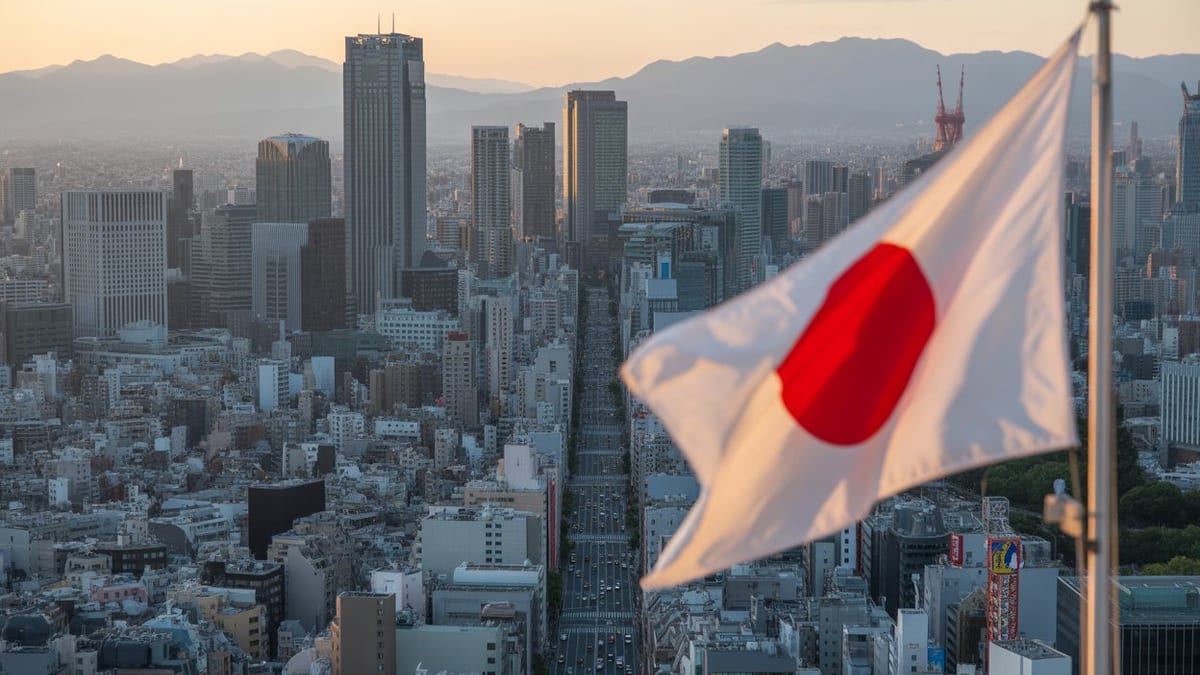
Image by Travel And Tour World
Record visitor revenue sharpens focus on value over volume
After a rapid post-pandemic rebound, Japan has moved from recovery to expansion, with inbound tourism generating record revenues. Government data for 2024 indicated foreign visitor spending exceeding 8 trillion yen for the first time, surpassing the previous pre-pandemic peak. Subsequent estimates from the Japan Tourism Agency for 2025 point to another jump, with international visitor expenditure reported in domestic coverage at roughly 9.5 trillion yen, underscoring tourism’s growing weight in the national economy.
The surge in income has been underpinned by unprecedented visitor numbers. Figures released by the Japan National Tourism Organization show that arrivals reached nearly 37 million in 2024, setting a new high for the country. Independent analysis of 2025 totals suggests that arrivals climbed again to more than 42 million, driven by pent-up regional demand and the appeal of a weak yen that has made the country comparatively affordable.
While those headline statistics highlight the strength of demand, they have also sharpened debate in Japan over what kind of tourism growth is desirable. National strategies published in recent years have framed a transition away from simply maximizing arrivals and toward boosting per-capita spending, regional dispersal and repeat visitation, aiming to position tourism as a stable, high-value export sector rather than a cyclical volume business.
Investment promotion materials from agencies such as the Japan External Trade Organization emphasize that inbound spending by foreign visitors has already surpassed pre-pandemic levels, even before accounting for the latest surge in arrivals. Policymakers now appear intent on consolidating that revenue base by targeting higher-yield segments, instead of allowing a continued, unmanaged escalation in headcount at already congested sites.
High-yield strategy targets affluent, longer-stay and regional visitors
Japan’s high-yield tourism strategy is emerging on several fronts. Publicly available planning documents and industry briefings describe a pivot toward affluent travelers, longer stays and higher daily expenditure, particularly in sectors such as luxury accommodation, fine dining, wellness, cultural experiences and outdoor pursuits. The aim is to attract visitors who spend more per trip while placing relatively less strain on urban infrastructure.
Travel trend reports for 2024 and 2025 note that spending by visitors from markets such as the United States, Europe and parts of East Asia has risen sharply, aided by favorable exchange rates. Official statistics cited in recent coverage show that overall inbound spending has grown faster than visitor numbers, suggesting a gradual improvement in yield per traveler. Authorities and destination marketers are promoting itineraries that combine major cities with lesser-known regions, encouraging travelers to extend their stays and engage in higher-value activities beyond shopping and short-stay city breaks.
Regional governments and private operators are also adjusting their offerings. Promotional campaigns have highlighted upmarket ryokan stays, small-group nature tours, gastronomy-focused travel and premium rail experiences designed for higher-spending tourists. According to sector analyses, these products command higher margins per visitor and can help anchor demand in rural areas that are grappling with depopulation and underinvestment, broadening the economic benefits of inbound tourism.
At the policy level, the high-yield agenda dovetails with Japan’s broader growth and innovation strategies, which emphasize experiential consumption and the export of cultural assets. Tourism is increasingly framed as a test bed for digital services, smart mobility and dynamic pricing, allowing destinations to manage flows more precisely while seeking to maximize revenue per available room, seat or attraction capacity.
Overtourism flashpoints push authorities toward harder controls
The shift in strategy has been accelerated by mounting concerns over overtourism in a handful of heavily visited locations. Kyoto, long a barometer for the strain that mass tourism can place on local communities, has become emblematic of these tensions. Public reporting notes that the city has experimented with various crowd-control measures in recent years, including requests for better visitor etiquette and the redirection of tour bus routes, amid complaints about congestion, noise and intrusive photography in traditional districts.
International coverage of Japan’s overtourism challenges has increasingly focused on Mount Fuji. In response to heavy crowding on popular trails, Yamanashi Prefecture introduced new access controls for the most frequented climbing route. Reports indicate that authorities have set a cap of around 4,000 climbers per day on the Yoshida Trail and begun charging a per-person access fee, with the aim of reducing congestion, funding conservation and promoting safer climbing conditions. These measures mark one of Japan’s most explicit uses of capacity limits to manage visitor pressure at a single iconic site.
Cities have rolled out more targeted rules to address specific issues arising from dense tourist footfall. In Tokyo, the Shibuya ward administration has imposed strict regulations on public drinking in and around the famous Shibuya Crossing. Media coverage notes that an ordinance introduced in 2024 extended restrictions on alcohol consumption in public spaces during evening and overnight hours throughout the year, following several years of crowd-related safety concerns during Halloween and year-end gatherings.
Local communities and business groups in affected areas have broadly supported stronger management tools, even as some operators worry about the immediate impact on visitor numbers. The emerging consensus in public debate is that tolerating unmanaged crowds risks damaging both resident quality of life and the long-term appeal of destinations that depend on atmosphere, heritage and environmental quality.
Pricing, zoning and tech-powered management reshape visitor flows
Japan’s efforts to reconcile high-yield goals with overtourism concerns are increasingly centered on pricing and digital management. Municipalities such as Kyoto have explored tourism taxes and differentiated pricing structures for key attractions and transit, seeking to capture more revenue from day-trippers and short-stay visitors who place heavy demands on local infrastructure. Publicly available policy discussions also reference the use of higher prices at peak times as a tool to smooth demand across seasons and hours of the day.
At the same time, national and local tourism bodies are investing in data platforms that track visitor movements and spending patterns in near real time. Academic research on Japanese regions has highlighted the potential of “human data” systems that combine mobility data with sentiment analysis to identify emerging bottlenecks and redirect travelers to less congested areas. These approaches underpin a growing interest in push notifications, dynamic signage and reservation systems that nudge visitors toward alternative routes, time slots or nearby attractions.
Capacity management is moving beyond individual landmarks to encompass whole neighborhoods. In historic districts and nightlife areas, local governments are testing combinations of soft measures, such as multilingual etiquette campaigns, with harder instruments including permissible hours for certain activities, group-size limits for tours and designated no-photography or no-luggage zones. Such zoning tools are designed to preserve the character of residential streets while keeping core visitor experiences intact.
Industry analysts suggest that the combination of higher prices, pre-booking requirements and smart monitoring could gradually normalize a less spontaneous but more predictable style of travel in Japan’s busiest areas. For high-yield visitors, the trade-off may be acceptable if it results in better maintained sites, shorter queues and a perception of exclusivity that aligns with premium positioning.
Balancing growth ambitions with resident support
Japan’s tourism pivot is unfolding against a complex domestic backdrop. Many rural and regional economies welcome any influx of visitors and spending, viewing tourism as a partial counterweight to aging populations and industrial decline. At the same time, residents of major tourist hubs are increasingly vocal about the social and environmental costs of unrestrained growth, from crowded public transport to rising rents and the erosion of local culture.
Public debate reflected in national and international coverage suggests that maintaining local support will be critical to Japan’s tourism ambitions. Proposals under discussion include revenue-sharing schemes that direct a portion of tourism taxes and access fees into visible community projects, as well as incentives for businesses that hire locally or preserve traditional crafts and architecture. Such measures are intended to demonstrate that high-yield tourism can finance tangible improvements for residents rather than simply inflate corporate profits.
Looking ahead, analysts see Japan’s approach as part of a wider global shift toward managed, value-focused tourism. With visitor numbers already at record highs and revenue still rising, the country’s next phase of growth is likely to be judged less by the scale of arrivals and more by how effectively it can channel spending into sustainable development, cultural preservation and livable cities.
If policies aimed at high-yield segments and overtourism mitigation prove successful, Japan could become a template for other destinations seeking to convert a tourism boom into long-term, broadly shared prosperity without overwhelming the places that draw visitors in the first place.