

Japan is one of the world’s most rewarding destinations, but it is also one of the easiest places for small missteps to snowball into big frustrations. Crowded trains, strict etiquette, new tourism taxes and complex rail passes can catch even experienced travelers off guard. With visitor numbers hitting new records and popular spots straining under overtourism, understanding what not to do has become just as important as knowing what to see.
Underestimating Crowds, Seasons and Overtourism
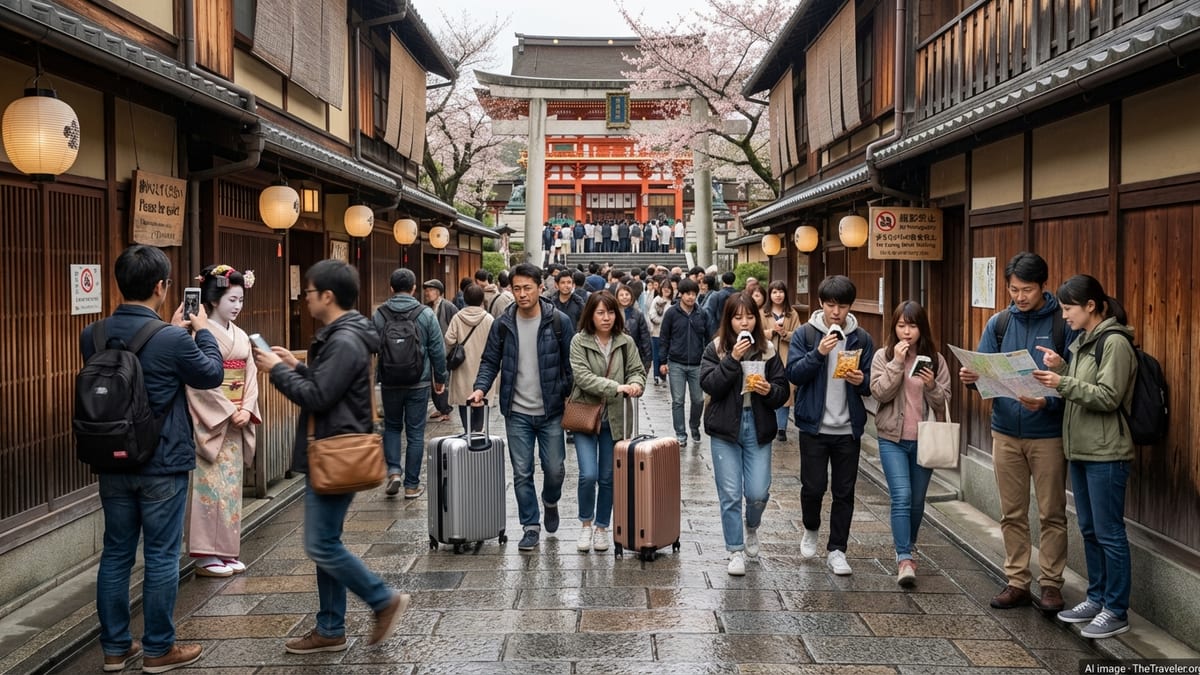
Many travelers still picture Japan as a tranquil land of quiet temples and uncrowded streets. The reality in 2026 is very different, especially in hotspots like Tokyo, Kyoto and Osaka. Japan has welcomed well over 30 million international visitors annually in recent years, and authorities are actively reshaping tourism to cope with crowding. That means more congestion on trains, longer queues at major shrines and stricter rules in overwhelmed neighborhoods. Arriving without a realistic sense of how busy it will be can lead to disappointment and travel fatigue.
Seasonal timing magnifies this pressure. Cherry blossom weeks, Golden Week in late April and early May, school holidays and autumn foliage season all create intense spikes in demand. Hotels sell out, prices climb and attractions can feel more like theme parks than cultural sites. A common mistake is assuming you can “wing it” during these peak periods. In modern Japan, that is a fast route to compromised itineraries and hours lost in lines.
Overtourism has also prompted concrete policy changes, particularly around taxes and access. Kyoto’s accommodation tax, for instance, now charges more to higher-end stays, and dozens of local governments either levy or are considering similar fees to fund tourism management and infrastructure. In onsen regions and around Mount Fuji, new bathing and entry charges are being used to manage environmental impact and crowding. These are not huge costs individually, but if you ignore them in your budget or fail to read local notices, you can be caught off guard at check-in or trailheads.
The solution is to plan with crowd patterns in mind. Consider shoulder seasons such as late May or early December, build in time away from the Tokyo–Kyoto corridor, and expect that some of your budget will go toward local tourism or accommodation taxes. A flexible mindset paired with realistic expectations will do more than any single attraction to keep your trip from veering into stress.
Misreading Japan’s Rail System and Money Basics
Japan’s public transport is famously efficient, but it is not as simple as buying a single rail pass and riding off into the sunset. One of the most expensive mistakes visitors make is overpaying for passes they do not really need. Since major price increases in recent years, nationwide rail passes only provide value if you are covering substantial long-distance routes in a short time frame. Travelers who are just hopping between Tokyo and Kyoto or spending most of their time in a single region often spend far more on passes than separate tickets would cost.
Regional rail passes add another layer of complexity. JR East, JR West and other companies offer area-specific passes whose prices and conditions have been revised multiple times, including recent increases on some popular options for international visitors. If you buy purely on reputation, without checking current fares and your actual itinerary, you risk locking yourself into an expensive product that does not match your travel pattern. A more careful approach is to map out your likely long-distance journeys first, then compare the combined cost of regular tickets with any relevant regional or nationwide passes.
Money mistakes do not stop at the ticket counter. Despite rapid modernization, cash still plays a significant role, especially in rural areas, small eateries and older markets. At the same time, it is increasingly easy to withdraw yen from convenience store ATMs at reasonable rates. Changing large sums at airport counters or hotel desks can mean quietly losing a surprising amount of spending power. Another pitfall is assuming every small business takes foreign credit cards or the latest mobile payment apps. Many still do not, which can leave you scrambling for cash at awkward moments.
The best safeguard is a hybrid strategy: carry a modest base of cash, rely on widely accepted cards in cities, and top up via reputable ATMs rather than currency exchange kiosks with poor rates. For trains, do not overlook simple stored-value cards, which make local and regional journeys smoother without the commitment of a long-distance pass. Taking an evening to understand how ticket machines work and what each pass actually covers can save you both money and stress throughout your stay.
Ignoring Everyday Etiquette and Local Rules
Japan’s social norms are subtle, but the consequences of ignoring them are increasingly visible, especially in districts under pressure from tourism. On trains and subways, for example, the unspoken rule is quiet. Locals expect phones to be on silent, conversations to be subdued and calls to be taken off the carriage if at all. In a packed Tokyo commuter train, being the one person with loud music leaking from headphones or chatting on speakerphone is not just awkward, it is seen as deeply inconsiderate.
Public spaces carry their own expectations. Littering is frowned upon, yet trash bins can be surprisingly scarce. Locals routinely carry their rubbish until they can dispose of it properly at home, in offices or at convenience stores. Tourists who leave cups or food containers wherever they happen to finish them stand out immediately. Likewise, walking through busy streets while eating or drinking is often discouraged outside festivals and designated areas, particularly in quieter neighborhoods and near certain temples and shrines. These customs exist partly to keep streets remarkably clean and to prevent congestion.
Community responses to repeated disrespect are becoming more formal. In parts of Kyoto’s Gion district, long-standing frustration with crowds blocking narrow lanes and harassing geiko and maiko for photos has led to posted warnings, fines and even physical barriers. On popular hiking routes and scenic viewpoints, signs now ask visitors not to block paths for extended photo shoots or use drones. While enforcement levels vary, tourists who ignore posted instructions can face fines, admonishment by staff or, at the very least, icy stares and an uncomfortable atmosphere.
To avoid missteps, treat written and pictogram-based signs as non-negotiable, even if they seem overly strict from a visitor’s perspective. Keep your voice low on public transport, carry your rubbish with you, and be conservative about where you eat, drink and take photos. Not only will you avoid offending locals, you will often find that the quieter, more respectful spaces you gravitate toward are the very ones that feel most authentically Japanese.
Temple, Shrine and Neighborhood Misconduct
Japan’s religious and historical sites are not theme parks, yet they are frequently treated as such. A common mistake is assuming that anything accessible is also touchable or photographable. At many temples and shrines, certain halls, altars or statues are clearly marked as off limits for photos, hats or close approach. Crossing ropes to get a better angle, posing in prayer spaces or speaking loudly near ongoing rituals can feel like harmless spontaneity to a visitor, but it is profoundly disrespectful to worshippers and staff.
Shoes and clothing create their own pitfalls. At traditional sites, ryokan, tea houses and some restaurants, you will often be asked to remove your shoes and sometimes to avoid stepping on tatami mats with anything but socks or bare feet. Missing these cues and walking inside with outdoor shoes can damage delicate flooring and embarrass your hosts. Revealing or beach-style clothing can also be jarringly out of place at religious sites, even if the weather is hot. Packing a light scarf and modest layers makes it easy to adjust on arrival.
Residential and historic districts have their own unwritten rules. In Kyoto’s old town, Kanazawa’s samurai quarter and small coastal villages, narrow lanes double as people’s front yards. Dragging roller suitcases over cobblestones early in the morning, blocking doorways for photos or holding loud conversations late at night can make life miserable for residents. Overtourism has already pushed some neighborhoods to restrict access at certain hours or ask visitors not to enter specific lanes at all.
The respectful approach is to remember that you are passing through someone else’s daily environment. When in doubt, copy the behavior of locals: move quietly, step aside to allow others to pass, and keep visits brief in obviously residential pockets. Inside temples and shrines, observe for a few minutes before acting, and if unsure whether photos are allowed, ask staff or assume the answer is no. These small gestures will protect both your conscience and the atmosphere that drew you to Japan in the first place.
Onsen, Accommodation and Convenience Store Missteps
Public bathing is one of Japan’s great pleasures, but onsen etiquette is famously unforgiving of mistakes. The most common error is entering the communal bath uncleansed. In almost all hot springs and sento, you are expected to wash thoroughly at a shower station before soaking, using soap and rinsing well so no suds enter the tub. Wearing swimsuits where they are not explicitly allowed is another faux pas, as many traditional baths require full nudity. Ignoring these customs or failing to read posted instructions can result in uncomfortable confrontations with staff or other bathers.
Recent changes to bathing taxes in some hot spring towns reflect both the popularity of these facilities and the cost of maintaining them. While the additional charges per person are modest, they signal how carefully local authorities now manage their bathing infrastructure. Arriving at an onsen without cash to cover small local taxes, rental towels or coin lockers can leave you caught between etiquette rules and practical needs at the worst moment, dressed in a yukata and unsure how to proceed.
Accommodation comes with its own learning curve. Ryokan stays, in particular, involve more ritualized interactions than standard hotels. Guests unfamiliar with removing shoes at the entrance, using provided slippers correctly, or following basic tatami room etiquette can feel constantly off balance. Some travelers also forget that accommodation taxes in cities like Kyoto are charged per person per night, which can make a seemingly affordable stay more expensive than expected, especially in higher-end properties where local surcharges have recently increased.
Even Japan’s beloved convenience stores present opportunities for missteps. These shops are not dining rooms, and while some branches provide small seating areas, most do not. Opening food immediately at the entrance, blocking aisles while repacking bags or disposing of large amounts of rubbish in store bins can irritate staff and other customers. A smoother experience comes from treating convenience stores as quick, efficient stops, and stepping outside or to a designated area before eating or reorganizing your purchases.
Overpacking, Overplanning and Tech Troubles
With Japan’s efficient transport, it is tempting to plan a highly ambitious itinerary that crams multiple cities into a short stay. Combined with large suitcases, this can quickly turn your trip into a stressful logistics exercise. Many train stations involve long walks, multiple staircases or complex connections, and some older or smaller stations have limited elevators. Dragging oversized luggage through rush-hour crowds or narrow streets is tiring for you and disruptive for locals.
Overplanning is another subtle mistake. Packing each day with back-to-back temple visits, museum slots and restaurant reservations leaves little room for rest or unexpected discoveries. In major cities, distances between sights are often greater than they look on a map, and walking in summer heat or winter cold can be more draining than anticipated. When fatigue sets in, small inconveniences like delayed trains or minor language barriers feel much larger, and it becomes harder to appreciate the country’s quieter charms.
Technology can both help and hinder. Relying entirely on a single translation or navigation app without offline backups is risky in rural areas or underground stations where signals falter. Conversely, not using any local tools at all means missing out on real-time congestion information, train timetables and route suggestions that Japanese residents rely on every day. Travelers also occasionally assume that every lodging offers the same level of Wi-Fi speed and coverage, which is not always the case, especially in older buildings or traditional inns.
The most resilient approach is to travel lighter and looser. Aim for one reasonable suitcase per person, build in open time blocks, and have critical information such as hotel addresses and key phrases saved offline. Combine a couple of trusted apps with a willingness to ask station staff or locals for help. Japan is remarkably safe and forgiving, but it rewards those who leave a little space for flexibility and human interaction.
Disrespecting Photography Boundaries and Personal Space
Photography is one of the biggest flashpoints between visitors and local communities. In iconic districts like Kyoto’s Gion or Tokyo’s historic neighborhoods, residents have grown weary of tourists blocking narrow alleys, leaning into private gardens or chasing traditionally dressed locals for close-up portraits. Taking photos of identifiable individuals without permission, particularly geiko, maiko or monks, is widely considered intrusive and has contributed to stricter local measures in some areas.
Religious and cultural venues frequently restrict photography, both to preserve atmosphere and to protect delicate artworks from constant flashes. Museums, galleries and certain temple halls may prohibit any photos at all, or limit them to non-flash shots in specific zones. Ignoring signs or trying to sneak pictures when staff look away can result in an embarrassing reprimand and, in some cases, being asked to leave.
Personal space on public transport and in queues is also crucial. Japan’s famously orderly lines at train platforms and bus stops rely on a shared understanding that everyone waits their turn. Cutting into queues, crowding doors before passengers have disembarked or standing too close to others in relatively empty spaces is quickly noticed. In a culture that values subtlety, you may never hear a direct complaint, but the discomfort is palpable.
To avoid letting photography and crowd behavior ruin your experience, adopt a conservative rule of thumb: when in doubt, do not take the shot, and always leave a respectful buffer around others. Ask permission before photographing individuals, step out of the flow of traffic when composing images and follow the direction of staff and signage without argument. You will return home with fewer forced images but far better memories and interactions.
The Takeaway
Japan is not a difficult country to visit, but it is a place where cultural nuance, rapid policy changes and sheer visitor numbers can turn small oversights into lasting frustrations. Misjudging crowds, mishandling rail passes, overlooking local taxes, breaking onsen or temple etiquette and pushing past photography boundaries all carry more weight today than they did a decade ago, simply because popular destinations are now operating near their limits.
The good news is that most of these mistakes are entirely avoidable with a blend of research, humility and situational awareness. Travel with realistic expectations about crowding and costs, study a few key etiquette points, pay attention to signs and local announcements, and leave extra time in your schedule for rest and serendipity. In doing so, you not only protect your own trip from avoidable stress, you also contribute to a more sustainable form of tourism that residents, businesses and future travelers can continue to enjoy.
FAQ
Q1. Do I still need a nationwide rail pass for Japan in 2026?
In many cases, no. After substantial price increases, the nationwide pass only pays off if you are taking several long-distance trips within a short period. For most itineraries, a mix of individual tickets, regional passes and prepaid transport cards will be cheaper and more flexible.
Q2. Is it really a problem to talk on my phone on Japanese trains?
Yes, it is considered poor etiquette on most local and commuter trains. Passengers expect quiet, with phones on silent and no voice calls in the carriage. If you must take a call on a long-distance train, step into the vestibule area and keep it brief and soft-spoken.
Q3. How serious are rules about eating while walking in Japan?
They are taken seriously in many areas, especially around temples, shrines and residential streets. While eating while walking may be tolerated in busy commercial districts or at festivals, it is better to stand aside in a designated area, use seating where provided and always dispose of rubbish properly.
Q4. What should I know before visiting an onsen for the first time?
Arrive clean or ready to wash thoroughly, follow the posted bathing steps, rinse off all soap before entering the shared tubs, and check whether swimsuits are allowed. Tattoos are still restricted in some baths, so look for explicitly tattoo-friendly facilities or ask staff in advance if you are unsure.
Q5. Are tourism and accommodation taxes common now in Japan?
Yes, especially in major cities and popular resort regions. Many prefectures and municipalities levy small per person, per night accommodation taxes, and some onsen areas and natural sites have introduced or increased local charges. These fees help fund infrastructure and crowd management, so it is wise to factor them into your budget.
Q6. Can I take photos of geisha, monks or locals in traditional dress?
Only with permission and from a respectful distance. In some districts, residents have specifically requested that visitors stop taking unsolicited close-up photos, and local authorities have posted warnings or fines. When in doubt, do not photograph identifiable individuals without asking first.
Q7. How much cash do I need if Japan is increasingly cashless?
Major cities and chain businesses often accept cards and digital payments, but smaller shops, rural areas and some family-run restaurants still prefer cash. Carrying a moderate amount of yen and using reputable ATMs to top up as needed will keep you prepared without holding excessive cash.
Q8. Is it okay to show up at popular attractions without reservations?
Not always. Some museums, themed attractions, high-end restaurants and limited-entry sites around Mount Fuji and in major cities now use timed tickets or reservation systems, especially during peak seasons. Checking in advance and booking where required will save you from disappointment at the gate.
Q9. How can I avoid contributing to overtourism in Japan?
Travel in shoulder seasons when possible, spend time in lesser-known regions beyond the usual big cities, respect local rules and quiet hours, and support businesses that are clearly integrated into their communities. Small choices about where and when you visit can significantly reduce pressure on crowded hotspots.
Q10. What is the single most important etiquette rule for first-time visitors?
When in doubt, stay quiet, observe and copy what locals do. Lowering your voice on transport, following lines, reading signs and asking politely when unsure will prevent most serious missteps and help you blend into the rhythm of everyday Japanese life.