

More news on this day
International frequent flyers eyeing Japan’s Trusted Traveler Program are confronting a slower, more crowded application pipeline as demand rises and new fee levels approach in 2025.
Get the latest news straight to your inbox!
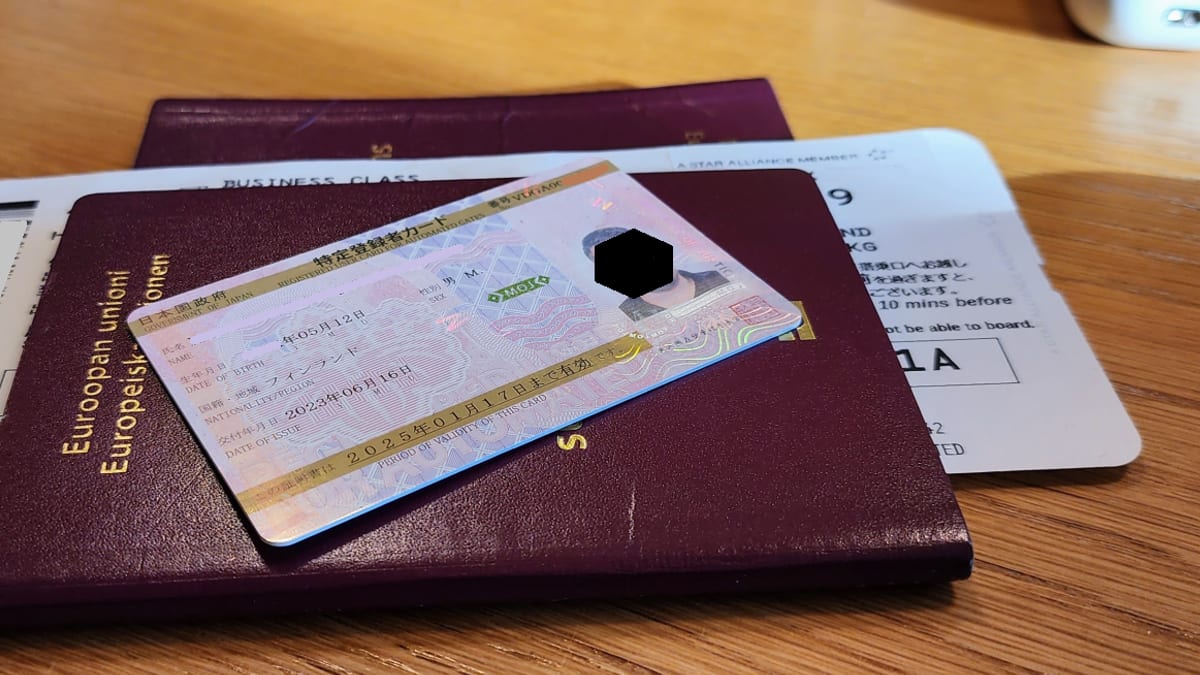
Image by LoyaltyLobby
Rising Interest Puts Pressure on a Niche Program
Japan’s Trusted Traveler Program, a scheme that lets preapproved foreign visitors use automated immigration gates, has quietly shifted from an insider tip to a sought-after timesaver. The program was designed to give low‑risk travelers an experience similar to domestic automated gates, reducing time at the border for those willing to clear an advance screening process.
Publicly available guidance has long suggested that initial applications can be processed in as little as a few weeks or up to a couple of months, depending on workload. Travel blogs that walk readers through the system still describe processing windows of roughly one to two months for a first approval, along with shorter timelines for renewals.
In practice, recent traveler reports suggest a more complex picture. While some applicants continue to receive approvals within several weeks, others indicate that their application numbers have climbed into the sixty‑thousand range, a sign that total volume has grown and that processing is more sensitive to timing and demand than in earlier years.
The result is that the program’s appeal is now balanced by uncertainty. Travelers continue to value the ability to bypass regular immigration queues, but many are recalibrating expectations around when to apply and how long it might realistically take to receive a decision.
What the Queue Looks Like in Early 2026
There is no official, regularly updated public dashboard for Japan’s Trusted Traveler Program, so the current state of the queue is pieced together from scattered public data and traveler accounts. These include online renewal reports, forum threads and step‑by‑step guides that share application numbers and processing timelines.
Posts from late 2025 and early 2026 describe application IDs in the 60,000 range, suggesting that the total number of processed and pending applications has steadily risen. Some travelers who filed in 2024 and early 2025 reported approvals within about five weeks, while others with similar timeframes described longer waits, implying that queue length can vary sharply by month.
Unlike larger trusted traveler schemes, there is limited official commentary tying processing speed to specific staffing levels or surges in demand. However, wider immigration news about backlogs in other Japanese residence and visa categories has led many observers to assume that Trusted Traveler reviews are competing for the same administrative resources.
For applicants in 2026, this means the queue is best understood as fluid rather than fixed. The headline expectation of “around one to two months” still appears achievable for some, but anecdotal evidence points to occasional longer waits, particularly during peak travel seasons when application volumes rise.
Fee Increase Adds New Urgency
Another factor shaping the current queue is cost. A recent tax and immigration bulletin covering Japan’s immigration procedures highlighted that, from 1 April 2025, the fee to issue a Trusted Traveler Program card is scheduled to increase to 4,000 yen. Earlier summaries of the program had cited a significantly lower charge for completing secondary inspection and card issuance.
Although the application review itself remains the critical bottleneck, the forthcoming higher fee is prompting some travelers to apply or renew earlier than they otherwise would. Those hoping to complete both screening and in‑person registration before the new fee takes effect are adding to near‑term demand.
Travelers also need to factor in the two‑step nature of the process. Even after an online application is approved, there is a deadline to enter Japan and complete an in‑person check at designated airports or immigration offices. As the fee change date approaches, applicants who are already planning trips are trying to synchronize travel with that second step, which can further crowd popular arrival periods.
Observers note that this mix of rising volume, a finite administrative capacity and an impending fee adjustment is a classic recipe for uneven queues. Some batches push through quickly, while others slow down, making it harder for new applicants to predict outcomes with precision.
How Japan’s Queue Compares With Other Trusted Traveler Schemes
The Japan Trusted Traveler experience is unfolding against a wider backdrop of pressure on trusted traveler programs worldwide. In North America and Europe, reports about multi‑month waits for Global Entry interviews or extended review times for similar schemes have become common as international travel rebounds.
In the United States, processing time updates published on legal and financial education sites reference average Global Entry review periods of four to six months, and at times longer, especially when additional background checks are required. Congressional hearing records and program summaries have highlighted a growing backlog of applications as cross‑border travel volumes recover.
By comparison, even a stretched Japan Trusted Traveler queue of several weeks to a few months still places the program toward the faster end of the spectrum. However, the small size and relatively low public profile of the scheme mean that travelers have fewer official touchpoints and less real‑time data about what is happening inside the queue.
This relative opacity explains why online communities now play an outsized role in setting expectations. Travelers increasingly compare application numbers, approval dates and airport experiences to estimate whether Japan’s queue is tightening or easing in any given season.
Practical Takeaways for Prospective Applicants
For readers considering an application today, the most consistent message from publicly available information is to build in more lead time than the optimistic scenarios suggest. Aiming to apply at least two to three months before a planned trip to Japan provides a buffer in case the queue is moving slowly when an application is submitted.
Because some travelers believe that the system may prioritize applicants with near‑term arrival dates, many choose to apply once their next trip is firmly scheduled rather than years in advance. However, there is no conclusive public evidence that timing alone guarantees faster processing, so this should be treated as speculation rather than a rule.
Applicants should also watch for policy changes that could affect both cost and processing, particularly around the April 2025 fee adjustment. Consulting up‑to‑date consular and immigration notices shortly before applying can help confirm current fees, documentation requirements and any temporary constraints on processing capacity.
Ultimately, Japan’s Trusted Traveler Program remains a valuable tool for frequent visitors who can invest time in a one‑off application. The current state of the queue suggests that the benefit is still within reach, but it now requires more planning, patience and attention to timing than when the program first flew under the radar.