

More news on this day
Japan is moving ahead with a sweeping package of tourist-focused taxes and dual pricing measures through 2026, combining high-tech border controls, new levies, and differentiated fees that could significantly change how international visitors experience and budget for travel in the country.
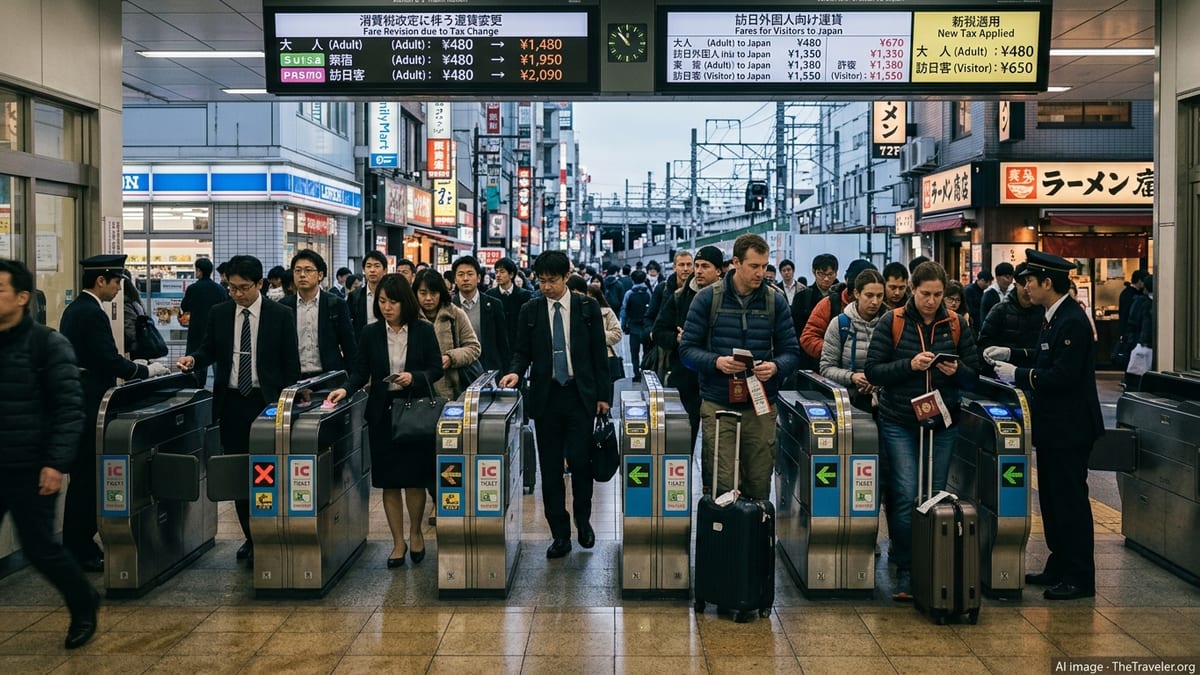
A New Era of Tourist Taxes Arriving in 2026
Publicly available information indicates that Japan is shifting from relatively modest visitor fees to a more assertive tax framework aimed at capturing additional revenue from record tourism volumes. Analysts note that the long-standing 1,000 yen International Tourist Tax on departures has already been increased, with 2026 plans channeling the extra proceeds into multilingual infrastructure, digital services, and crowd management in hotspots popular with foreign travelers.
Travel industry briefings suggest that from fiscal 2026, international visitors will increasingly encounter higher overall tax-inclusive prices, especially as tax-free shopping at the point of sale is phased out and replaced by refund-style systems. This means that while travelers may still reclaim some consumption tax later, they will need more upfront cash or credit to cover purchases in Japan.
Alongside national policies, major destinations are layering on their own levies. Kyoto, for example, has scheduled steep increases to its accommodation tax from March 2026, with higher-nightly charges closely tied to room rates in an effort to temper demand and fund local services strained by overtourism. Reports indicate that other prefectures are watching these developments closely as potential models.
For visitors, the practical effect is a baseline jump in the “mandatory” cost of a Japan trip in 2026 and beyond. Air tickets will quietly embed higher departure taxes, hotels will pass through sharper local levies, and shopping trips will front-load consumption tax that previously could be waived at the register.
Dual Pricing: How Different Rates for Tourists Are Spreading
Alongside the new and expanded taxes, Japan is rapidly normalizing formal dual pricing, in which non-residents or foreign passport holders pay more than local residents for the same attraction or service. National cultural agencies have outlined plans for higher admission fees for foreign visitors at key state-run museums, describing the additional income as essential for expanding multilingual exhibits and improving visitor services.
Notable heritage sites have already moved in this direction. Coverage of Himeji Castle’s 2026 pricing shift cites a clear two-tier structure, with Japanese citizens paying half the admission charged to international visitors. Travel analysts frame this as a template for other UNESCO-listed castles, temples, and gardens that must cope with heavy foot traffic but limited operating budgets.
Local governments are also experimenting with dual pricing beyond museums and monuments. Kyoto’s mayoral proposals, widely discussed in domestic media, outline lower bus fares for residents combined with higher fares for non-residents, a category that would encompass both domestic visitors from other prefectures and foreign tourists. Observers point out that this distinguishes between those who use services daily and those who contribute primarily through short, high-impact stays.
Industry commentary shows that restaurants, private tour operators, and entertainment venues in popular districts are watching these public-sector moves closely. Some are already adopting their own differentiated menus and ticket tiers, arguing that slightly higher prices for tourists help offset the costs of foreign-language staff, payment systems, and peak-season congestion.
High-Tech Controls: Biometrics, E-Authorization and Data-Driven Pricing
Japan’s evolving “tourist tax bombshell” is not only about higher numbers on a receipt; it is also about how technology will regulate and monetize visitor flows. By 2026, digital pre-clearance and biometric identity checks are expected to become more embedded in the arrival process, giving authorities richer data on who is visiting, from where, and for how long.
Travel and business media report plans for a Japan Electronic System for Travel Authorization, or JESTA, intended to pre-screen many short-term visitors before they board a plane. Although often framed as a security and efficiency measure, specialists note that systems of this type can also underpin differentiated surcharges or service fees applied specifically to international travelers.
At airports and major rail hubs, facial recognition gates and smart turnstiles are increasingly described as part of a broader move toward data-driven crowd management. In practice, this could allow operators to adjust access, route recommendations, or even time-of-day pricing for foreign visitors more flexibly than traditional paper tickets allow.
Tourism economists suggest that, combined with dual pricing at attractions, this digital ecosystem could make Japan one of the most finely tuned markets for segmenting domestic and foreign demand. The same infrastructure that speeds travelers through immigration or ticket barriers can also support more granular, targeted fees and surcharges for non-residents.
What This Means for Your 2026 Japan Travel Budget
For travelers planning a Japan trip in 2026, the practical implications of these changes start with budgeting. Departure taxes embedded in airfares, higher local accommodation levies, and dual-priced attraction tickets all add incremental cost to itineraries that might have seemed more affordable only a few years earlier, especially when paired with recent fare and rail pass increases.
Travel cost guides recommend that visitors planning for 2026 allocate a larger buffer for “unseen” government and municipal charges, including hotel taxes, city levies, and bundled service fees. International tourists may find that signature sites such as castles, gardens, and national museums now consume a bigger share of daily spending than food or local transport.
At the same time, the policy shift does not affect everyone equally. Commentators highlight that higher fees may be more easily absorbed by long-haul travelers from higher-income countries, while visitors from regions with weaker currencies could feel priced out of once-accessible experiences. Some analysts warn that if perception drifts toward “tourist-only surcharges” without visible reinvestment, Japan risks eroding the goodwill that has helped fuel its tourism boom.
Budget planners suggest booking key elements such as rail travel and accommodations well in advance, when possible, to lock in current prices before further adjustments tied to the 2026 calendar. Travelers are also encouraged to factor in that some previously tax-free shopping savings will now be reclaimed only through slower refund processes rather than instant discounts at checkout.
How the Dual Pricing Shift Could Transform the On-the-Ground Experience
Beyond the balance sheet, Japan’s 2026 policies are likely to change how trips feel on the ground. Proponents argue that higher visitor contributions, especially from international tourists, will finance better crowd control, clearer multilingual signage, and improved maintenance at overburdened sites, potentially creating a calmer and more curated experience even as headline costs climb.
Destination reports indicate that funds from increased museum and heritage site fees are earmarked for upgraded exhibits, extended hours, and modernized facilities. If these investments materialize as advertised, foreign visitors could find that the extra yen they pay buys more context, comfort, and capacity, rather than simply vanishing into general budgets.
However, public commentary from travelers and residents shows mixed reactions to dual pricing. Some view the approach as a fair way to protect everyday life for locals, especially in cities like Kyoto and Osaka where visitor numbers have surged. Others worry that visible price gaps between residents and non-residents risk creating a sense of exclusion or being “penalized” for being foreign, particularly when the added benefits are not immediately obvious.
How transparent Japan is about the purpose of each new fee, and how reliably the revenue is reinvested into visitor-facing services, will shape traveler sentiment as the 2026 changes take effect. For now, prospective visitors are being advised to expect a more structured, more technologically mediated, and more expensive experience, but one that could offer greater comfort and clarity if the promised upgrades keep pace with the rising cost of entry.