

More news on this day
Across the mountains of Nagano, a quiet travel revolution is unfolding as scenic trains, cool-climate vineyards and centuries-old hot spring towns turn Japan’s Shinshu region into one of the country’s most irresistible escapes for wine lovers and onsen seekers alike.
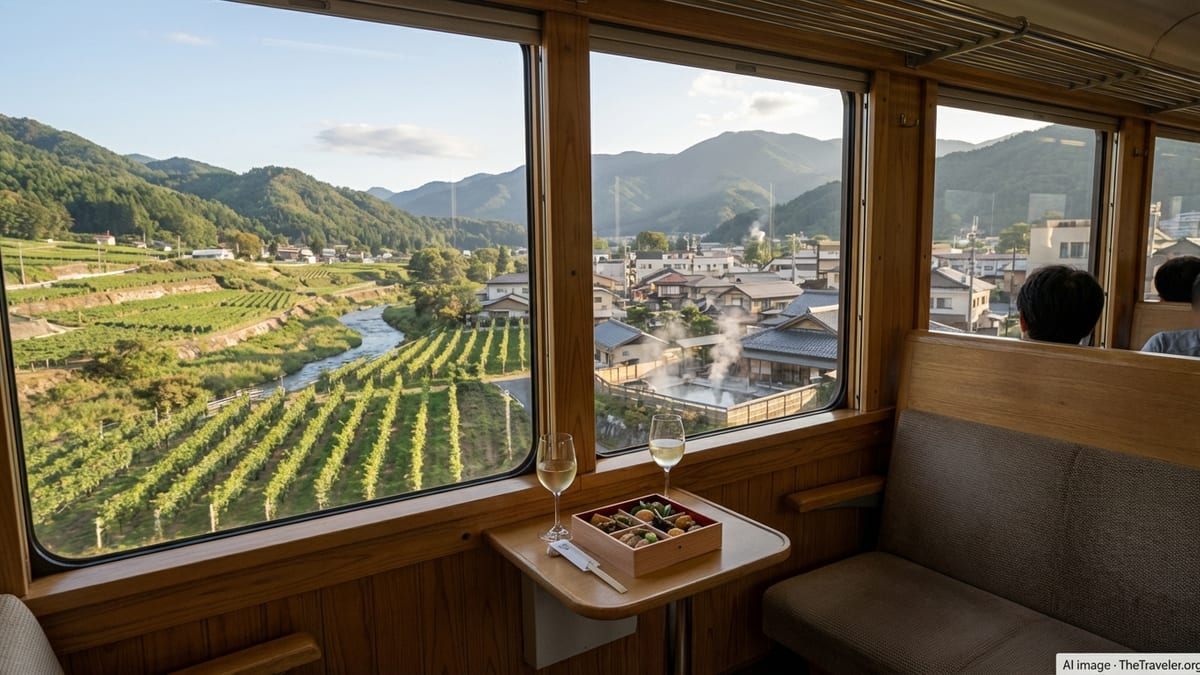
A Slow Journey Through Japan’s New Wine Country
Long known for ski resorts and temple towns, Nagano’s Shinshu area is rapidly emerging as one of Japan’s most dynamic cool-climate wine regions. Hillsides around Shiojiri, Nakagawa and Takayama Village are now lined with neat rows of vines, producing elegant whites and light, aromatic reds that are beginning to appear on serious wine lists across the country. Local tourism officials say visitors are increasingly arriving not just for winter sports, but for vineyard tours and tasting-focused weekends tied to the expanding rail network.
Shinshu’s wine story is rooted in its geography. High elevation, sharp day-night temperature swings and well-drained volcanic soils create conditions that vintners compare to parts of Europe. Producers have leaned into Japanese hybrids and varieties such as Merlot, Chardonnay and Muscat Bailey A, crafting styles that emphasize freshness over power. As a result, wine-tasting itineraries are dovetailing naturally with hot spring stays and countryside rail trips, drawing a new generation of domestic and international travelers in search of quieter, more immersive journeys.
Recent events highlight how strongly wine now shapes the region’s identity. In January 2026, a destination hotel in Hakuba announced a spring wine evening showcasing artisans from the broader Koshin Alps, with winemakers from both Nagano and neighboring Yamanashi invited to pour their bottles alongside Shinshu-inspired French cuisine. Such collaborations are giving visitors a reason to return outside the ski season, reinforcing the idea of Nagano as year-round wine country reached most memorably by train.
The Scenic Rokumon: Gateway to Shinshu’s Tastes
At the center of Shinshu’s rail-led renaissance is the Rokumon sightseeing train operated by Shinano Railway, which runs between Karuizawa, Ueda and Nagano. Designed with warm Shinshu timber and lounge-like communal spaces, the train was conceived as a moving showcase for the region’s landscapes and local flavors. On board, passengers gaze out at rice paddies, mountain ridges and river valleys while dining cars serve multi-course menus that foreground Nagano-grown vegetables, Shinshu beef and regional cheeses.
The Rokumon is not a formal wine train in name, yet in practice it has become one of the most enjoyable ways to sample Shinshu bottles in motion. Curated lists spotlight labels from Shiojiri and surrounding areas, pairing crisp whites with river fish and charcuterie, or lighter reds with miso-flavored dishes that draw on the area’s fermentation heritage. Staff are trained to discuss both the wines and the terroir outside the windows, effectively turning each journey into a rolling introduction to Nagano’s food and drink culture.
Crucially, the timetable is built for travelers who want to linger. Services are scheduled to connect with local lines and Shinkansen trains, making it easy to step off in Ueda or Nagano and continue on to hot spring towns the same day. Tourism officials note that bookings are strongest among couples and small groups who structure their entire trip around a Rokumon ride at the start or end of a weekend in the mountains, underlining how one train can anchor a broader slow-travel itinerary.
From Platform to Onsen: Hot Spring Towns Along the Rails
Once travelers step off the trains that cross Shinshu, they find hot spring towns that feel lifted from another era. Nozawa Onsen, easily reached via regional buses from Iiyama Station, is one of the best-known examples: a compact village of steep lanes, timber inns and 13 free public bathhouses maintained by the local community. Visitors wander between steaming bathhouses with towels in hand, soaking in mineral-rich waters before returning to ryokan dinners built around mountain vegetables and river fish.
Farther south and east, the Bessho Onsen area near Ueda offers a more contemplative escape. A short ride on the local Bessho Line delivers passengers from the busy Hokuriku Shinkansen hub into a valley of rice fields, reservoirs and forested hills. The onsen association there promotes the experience of watching the countryside roll past at low speed before arriving at a mint-green station building where a traditionally dressed stationmaster greets arrivals. From the platforms, visitors can walk or cycle past temples, shrines and family-run bathhouses that invite long, unhurried stays.
In northern Nagano, Takayama Village and its Shinshu Takayama hot spring cluster present yet another side of the region. Eight separate onsen areas line the Matsukawa Valley, among them Yamada Onsen and the higher-altitude Okuyamada Onsen. Here, milky-white sulfur pools overlook steep ravines and, in clear weather, distant alpine peaks. Trails and walking paths, some framed as garden-like promenades along the river, encourage travelers to alternate between soaking, strolling and quiet time in traditional inns. For many visitors arriving by bus from Suzaka Station on the Nagano Electric Railway, the sense of discovering an onsen enclave tucked away above the valley floor is central to the appeal.
Where Wine Meets Hot Springs: Shinshu’s Signature Pairing
The synergy between wine and onsen has become one of Shinshu’s defining draws. In Takayama Village, a recent event marketed under the banner of toasting with wine, hot springs and local food brought together Takayama-produced wines, shuttle buses from nearby rail stations and outdoor tasting zones set around the historic Yamada Onsen bathhouse area. Tickets allowed guests to sample multiple wines while slipping away for soaks in the surrounding hot springs, effectively turning the valley into a walkable wine spa resort for a weekend.
Across Nagano, similar collaborations are multiplying. Inns in the Shinshu Takayama hot spring group now highlight regional wines on their dinner menus, pairing them with long-aged house miso and mountain cuisine rooted in preservation traditions. In lakeside Suwa and other resort towns, bathhouses and hotels promote stays that include wine tasting flights or vineyard visits alongside time in open-air rotenburo baths. This blending of cool-climate viticulture and geothermal waters is helping Shinshu stand out from more traditional onsen regions that focus solely on baths and kaiseki dining.
Travel planners note that visitors respond strongly to experiences that feel anchored in one specific place, and Shinshu’s pairing of wine and hot springs delivers exactly that. Grapes growing on south-facing slopes above the valley are vinified just a short drive away, then poured with dinners that depend on the same mountain climate for their vegetables and mushrooms. When travelers end the day in a hinoki tub, hearing the same rivers that irrigate the vineyards, the connections between landscape, glass and bath become clear, leaving a lasting impression that fuels repeat visits.
Life Between Stations: Villages, Vineyards and Small-Town Streets
Beyond trains and bathhouses, the everyday fabric of Shinshu life is a major part of the region’s charm. Towns such as Obuse, north of Nagano City on the Nagano Electric Railway, showcase an appealing mix of Edo-period history and modern craft. Cobblestone streets lead past chestnut confectioners, sake breweries and small museums, including temples known for ceiling paintings by famed artists. In autumn, the scent of roasted chestnuts drifts through alleys where visitors sample seasonal sweets between art stops and café breaks.
Other communities tucked along the rail lines invite quieter forms of exploration. In the agricultural basins around Nagano and Matsumoto, side roads lead from local stations into districts of orchards and small vineyards, where open days and weekend markets give travelers a window onto Shinshu’s produce. Apple growers and wine producers share stalls at seasonal events, selling bottles and fruit directly to visitors who arrive by train. For those staying multiple nights, rental bicycles from station information centers make it easy to move at a slower pace, stopping for tastings and photographs in fields framed by the Northern Alps.
Increasingly, these small towns are investing in visitor services designed with international travelers in mind. Multilingual brochures, signage at stations and curated walking routes help newcomers navigate winding streets and rural lanes. Independent guesthouses and converted kominka townhouses provide alternatives to traditional ryokan, attracting younger visitors who want to blend hot springs and wine with café culture and neighborhood bars. Together, they round out the picture of Shinshu as a place where the space between headline sites is as rewarding as the destinations themselves.
Practical Access: How to Ride Shinshu’s Wine and Onsen Rails
Despite its mountain setting, Shinshu is easier to reach than its remote image suggests. High-speed Hokuriku Shinkansen services from Tokyo deliver passengers to Nagano and Ueda in around 90 minutes, while conventional limited express trains link Shinjuku with Matsumoto and Shiojiri, key gateways to vineyard zones. From these hubs, regional operators including Shinano Railway, Nagano Electric Railway and Ueda Electric Railway fan out into valleys and foothills where hot spring towns and wine areas are clustered.
On the Rokumon, passengers typically reserve seats in advance, especially for dining plans that include set-course meals with local ingredients. Seasonal timetables are adjusted to reflect holiday periods and demand, but the route consistently connects Karuizawa’s highland resort atmosphere with the historic castle town of Ueda and the temple district of Nagano. Travelers who plan carefully can time their journeys to coincide with lunch or afternoon tea services on board, then transfer to local lines heading toward Bessho Onsen, Nozawa Onsen or Shinshu Takayama.
For travelers focused on wine, regional trains and buses connect the main rail arteries with rural towns such as Shiojiri and Takayama Village. Tourism offices and hotel concierges increasingly offer sample itineraries that combine winery visits, farm stops and evening soaks in nearby hot springs. As demand for these niche experiences grows, operators are experimenting with new event trains and chartered services themed around local food and drink, signaling that the region’s railways will remain central to its tourism strategy.
Why Shinshu Is Emerging as Japan’s Ultimate Escape
What distinguishes Shinshu from other Japanese destinations is the way its elements fit together into a coherent, slow-paced journey. Trains glide along valley floors and over river crossings at speeds that allow time to absorb the scenery. At stations, travelers step directly into compact town centers or shuttle buses heading for hillside baths and remote inns. The wine they taste is grown within sight of the hot springs where they soak, and the dishes served at dinner depend on the same snowmelt and mountain climate that shape the vineyards and ski slopes.
The timing of Shinshu’s rise also matters. As travelers increasingly seek experiences that feel local, sustainable and less crowded, Nagano’s blend of rail travel, small-batch wine and intimate onsen environments has particular appeal. There are no megacities within the core hot spring and vineyard areas, just a constellation of modest towns and villages linked by trains and buses. For visitors weary of packed temples and neon districts elsewhere, a few days spent riding wooden-lined carriages, tasting alpine whites and watching steam drift above outdoor baths can feel like a reset.
With new wine events on the calendar, investment in scenic trains and a renewed focus on the character of its hot spring towns, Shinshu is positioning itself as Japan’s definitive escape for those ready to trade speed for depth. For travelers willing to follow the rails inland, the reward is a journey where every connection, from vineyard to platform to onsen, feels like part of a single, unhurried narrative.