

More news on this day
A revived wave of domestic tourism is gathering around Pokhara as the long-running “Jau Hai Pokhara” campaign rolls out discounted travel packages, cultural events and regional roadshows that are drawing more Nepali travelers to the country’s tourism capital.
Get the latest news straight to your inbox!
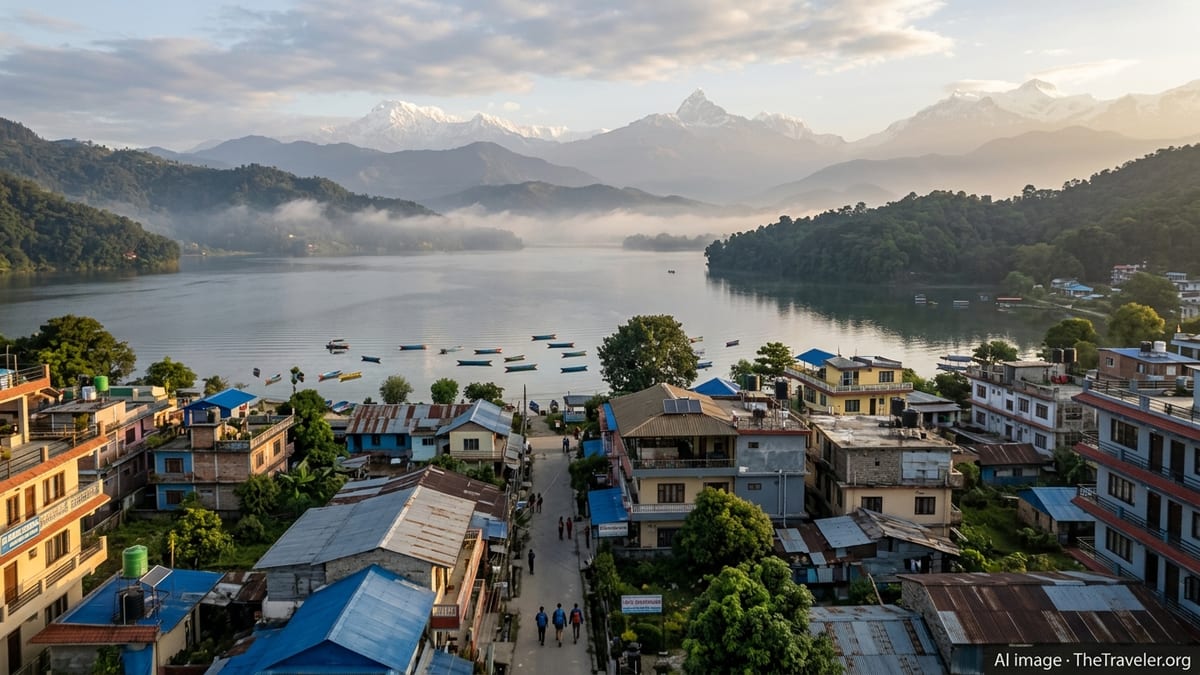
Revitalized Campaign Targets Nepali Travelers First
The “Jau Hai Pokhara” (Let’s Go to Pokhara) campaign, first launched by tourism entrepreneurs more than two decades ago, has been re-energized in recent seasons with a clear focus on domestic visitors. Publicly available information shows that the Hotel Association Pokhara has led coordinated promotional drives across Nepal’s provinces, positioning Pokhara as an accessible, year-round destination for Nepali families, students and corporate groups.
Recent iterations of the campaign have emphasized that tourists are not only foreign visitors but also Nepali travelers, reflecting a broader shift in Nepal’s tourism strategy after the pandemic. Reports indicate that the campaign has helped normalize the idea of weekend breaks, festival trips and short adventure escapes to Pokhara for residents from Kathmandu, the Tarai and western hill towns.
Analysts tracking tourism in Gandaki Province note that domestic travel has become a critical stabilizer for Pokhara’s visitor economy, cushioning seasonal fluctuations in international arrivals. The renewed push behind “Jau Hai Pokhara” is widely viewed as part of a longer-term effort to embed Pokhara more deeply into Nepalis’ travel habits.
Affordable Packages, Discounts and Themed Events
Affordability is at the center of the latest campaign. Coverage of recent initiatives shows that hotels and tourism businesses linked to “Jau Hai Pokhara” have been marketing special packages that bundle accommodation, local transport and activities at promotional rates for Nepali citizens. Many offers target travelers from nearby provinces who can reach Pokhara by overnight bus or short domestic flights.
Seasonal festivals in the city are also being leveraged to attract price-sensitive visitors. Reports on the Fewa New Year Festival, for example, highlight accommodation discounts of around 20 percent for tourists during the Nepali New Year period, along with bundled experiences such as boat rides on Phewa Lake, cultural shows and street food fairs. Such promotions are framed as limited-time deals, encouraging short-notice trips.
Themed campaigns like “Jaun Hai Begnas Pokhara” have extended these concepts to areas beyond the main lakeside, particularly the Lekhnath and Begnas Lake region to the east of the city. Public information indicates that this three-day program has promoted lesser-known village stays, homestays and nature-based activities, often with discounted packages tailored specifically for Nepali groups seeking quieter alternatives to central Pokhara.
Roadshows Connect Pokhara with Provinces Across Nepal
A defining feature of the recent “Jau Hai Pokhara” drive has been a series of roadshows and interaction programs held in major urban centers across Nepal. Coverage from national tourism outlets points to events in cities such as Birtamod in Koshi Province, Butwal in Lumbini Province and several western hubs, where delegations of tourism entrepreneurs from Pokhara have promoted travel offers and forged partnerships with local businesses.
These programs typically combine destination presentations with networking between hotel operators, tour agencies, transport providers and local chambers of commerce. According to published coverage, the objective is to create two-way flows of tourists: encouraging residents of host cities to visit Pokhara, while also promoting eastern and western attractions to travelers originating in the lakeside city.
Recent reports underscore that connectivity has been a recurring theme in these outreach efforts. Tourism entrepreneurs have highlighted the importance of reliable bus links and expanded air services to make weekend and short-break trips viable for domestic travelers. By foregrounding route options, journey times and approximate costs, the campaign seeks to remove psychological and logistical barriers that may have discouraged first-time visitors from planning a trip to Pokhara.
Supporting Pokhara Visit Year 2025 and Regional Growth
The renewed momentum of “Jau Hai Pokhara” comes as Pokhara Metropolitan City moves ahead with its Visit Year 2025 program. Publicly available planning documents and local coverage indicate that city authorities, tourism associations and the Nepal Tourism Board have aligned their promotion calendars, using the campaign to build anticipation and maintain a steady visitor flow in the lead-up to 2025.
In this context, domestic tourism is seen as a foundation for broader regional development. Increased occupancy in hotels and homestays, higher restaurant footfall and greater demand for local transport and guiding services are contributing to employment and income generation in and around Pokhara. Observers note that visitor spending spreads beyond the lakeside, supporting businesses in nearby towns, rural municipalities and trekking gateway villages linked to the Annapurna region.
Academic and policy analyses on tourism in Pokhara describe “Jau Hai Pokhara” as an example of how a long-running destination brand can be refreshed to meet new priorities. The campaign’s recent focus on domestic affordability, decentralizing attractions and strengthening inter-provincial ties aligns with national strategies that emphasize sustainable, inclusive tourism and reduced vulnerability to external shocks.
Expanding Beyond Lakeside to Lesser-Known Attractions
While Pokhara’s iconic lakeside, mountain views and adventure activities continue to dominate its image, the “Jau Hai Pokhara” campaign is placing growing emphasis on spreading visitors across a wider geography. Programs like “Jaun Hai Begnas Pokhara” promote the Lekhnath area, Begnas Lake and surrounding hill settlements, encouraging domestic tourists to explore quieter landscapes, community-based stays and agricultural tourism experiences.
Public information on recent outreach activities indicates that tourism operators are packaging visits to religious and cultural sites, village markets, viewpoints and short hiking routes that are easily accessible from the city. This diversification is intended to lengthen average stays, distribute spending more evenly and reduce pressure on crowded hotspots around Phewa Lake.
Observers of Nepal’s tourism sector note that the campaign’s evolution mirrors broader debates about managing growth in Pokhara, which is often described as the tourism capital of Nepal. By spotlighting a broader range of attractions and keeping trip costs manageable for Nepali travelers, “Jau Hai Pokhara” is contributing to a model of tourism that aims to be both economically impactful and regionally balanced.