

More news on this day
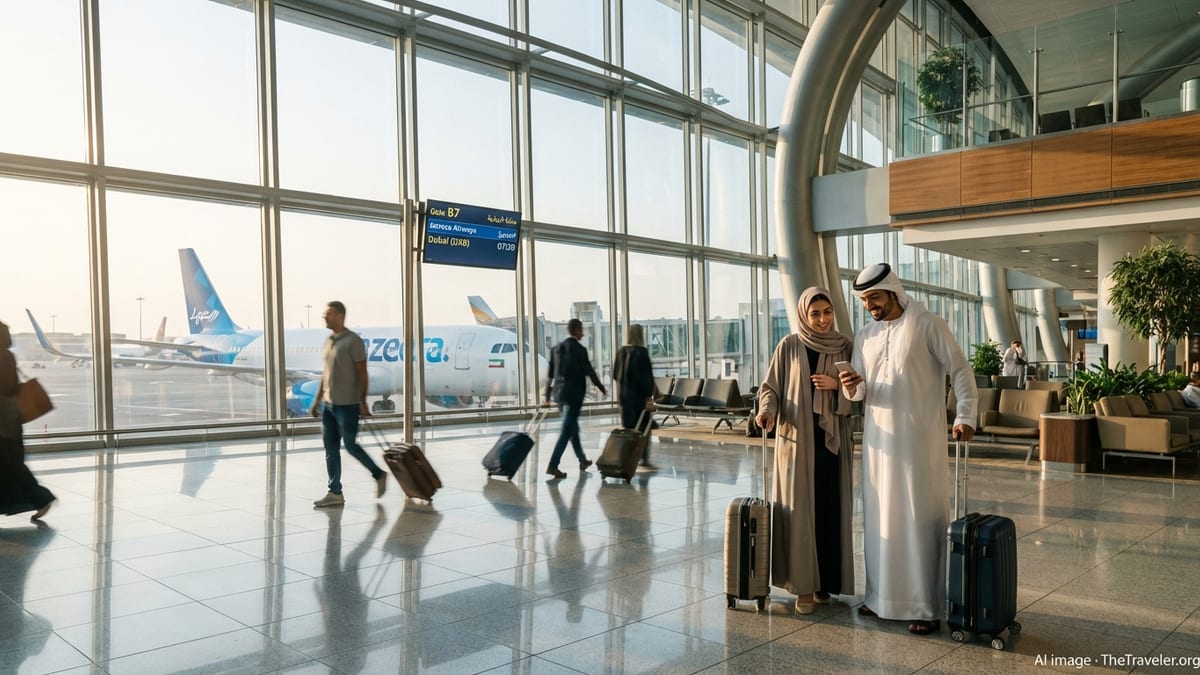
Jazeera Airways has become the first Kuwaiti airline to introduce a Fly Now, Pay Later option, partnering with local fintech provider deema to let passengers split ticket costs into interest-free installments and making international travel more accessible to a wider range of customers.
A New Milestone in Kuwait’s Low-Cost Aviation Market
The launch of Jazeera Airways’ Fly Now, Pay Later option marks a significant step in the evolution of Kuwait’s aviation and financial technology landscape. By integrating deema, a homegrown buy now, pay later solution, directly into its booking channels, the low-cost carrier is positioning flexible finance as a core part of its value proposition rather than an optional add-on.
Announced on February 22, 2026, the initiative reinforces Jazeera’s reputation for rapid digital rollouts and customer-centric innovation. Executives describe the collaboration with deema as the airline’s fastest payment integration to date, underscoring how critical speed and agility have become in the highly competitive regional travel market.
The move also comes as Gulf travelers demonstrate growing appetite for installment-based payments across sectors, from retail to mobility. By bringing this model into the flight-booking journey, Jazeera is seeking to capture demand from price-conscious passengers who may have delayed or downsized travel plans due to upfront cost pressures.
How the Fly Now, Pay Later Option Works
Jazeera Airways’ Fly Now, Pay Later feature is built around deema’s licensed buy now, pay later platform, which allows eligible customers to divide the cost of their tickets into two to four equal installments. The entire process takes place within the airline’s digital booking flow, with no need for passengers to leave the site or app to complete the application.
Once travelers select their flights and proceed to payment, they are presented with deema as a financing option. Deema then runs instant eligibility checks based on the information provided. For customers who qualify, the ticket cost is automatically split into manageable installments, payable over a short-term schedule designed to avoid long-running debt.
Importantly for both Jazeera and its travel agency partners, the system settles the full value of the booking with the airline upfront, while deema assumes responsibility for collecting repayments from the customer. This structure means the carrier faces no delay in cash flow, reducing risk while still extending flexibility to passengers.
Kuwaiti Dinar Focus and Local Financial Ecosystem
At launch, deema supports transactions exclusively in Kuwaiti Dinar, aligning closely with Jazeera Airways’ core customer base and regulatory framework. This focus on local currency reflects both companies’ emphasis on building a robust, domestic digital finance ecosystem before any potential regional expansion.
By tapping a Kuwaiti licensed BNPL provider rather than relying on global credit or installment schemes, Jazeera reinforces the role of local fintech in national economic diversification strategies. The partnership is framed by both sides as a showcase of what can be achieved when an airline and a fintech specialist co-design products tailored to regional consumer behavior and financial norms.
Industry observers note that the Kuwaiti Dinar-only model may initially limit usage among travelers whose primary spending is in other currencies. However, it simultaneously offers a high level of familiarity and trust for residents and citizens, who are used to transacting in KWD and may be more comfortable with a solution built and regulated at home.
Transforming Travel Flexibility for Budget-Conscious Passengers
Fly Now, Pay Later is arriving at a moment when many travelers are looking to manage rising living costs without giving up on long-planned trips. By allowing passengers to stagger payments while still securing fares and seats, Jazeera’s new option is designed to reduce the psychological barrier of a single large outlay at checkout.
For families planning multi-ticket journeys, young professionals juggling multiple financial commitments, and small business owners booking last-minute travel, the ability to divide expenses into two to four installments can be decisive. It effectively turns flight purchases into a near-term subscription-style payment rather than a one-time hit, while keeping the schedule short enough to avoid accumulating long-term obligations.
This model also supports more spontaneous travel decisions. Travelers who might otherwise wait for a bonus or paycheck may now be able to book immediately when they see an attractive fare or need to secure seats during peak periods. In turn, that can help Jazeera smooth demand across its network and fill capacity more efficiently.
Digital Integration and the Race to Enhance the Booking Journey
Jazeera Airways has framed the deema tie-up as a pillar of its wider digital transformation roadmap, not just a discrete payment feature. The carrier has been steadily adding technology-driven services across the customer journey, from booking and check-in to ancillary sales and post-trip support, to compete with other Gulf and international low-cost brands.
By embedding BNPL directly into its own digital platforms, Jazeera maintains control over the look, feel, and speed of the user experience. Travelers encounter Fly Now, Pay Later as just another integrated step in the booking process rather than a handoff to a separate finance provider, reducing friction and cart abandonment risk.
The rapid implementation timeline, highlighted by both Jazeera and deema, signals how airlines are increasingly treating payments as a strategic domain. The ability to roll out new methods quickly, test customer response, and refine eligibility criteria or installment structures could become a competitive differentiator in the region’s crowded aviation market.
BNPL in Air Travel: Opportunities and Consumer Safeguards
Buy now, pay later has spread rapidly across e-commerce and retail in recent years, and air travel is emerging as a major use case for the model. Flights are typically higher-ticket purchases that benefit from installment options, yet still fall within the short to medium repayment windows that regulators and consumer advocates often prefer.
For Jazeera Airways, working with a licensed BNPL provider helps address regulatory expectations around transparency, affordability checks, and responsible lending. Deema conducts instant eligibility assessments and structures payments across a small number of installments, limiting the risk of customers taking on open-ended obligations.
Consumer education will nonetheless be crucial. Travelers using Fly Now, Pay Later need clear information on due dates, late payment consequences, and any applicable fees. Industry experts stress that as BNPL becomes more common in travel, clear communication will be key to ensuring the product remains a tool for flexibility rather than a source of financial strain.
Building on Earlier Flexibility Initiatives
The Fly Now, Pay Later announcement builds on a series of moves by Jazeera Airways to broaden choice and flexibility for its passengers. In recent years the airline has introduced customizable travel bundles and seasonal promotional fares aimed at giving customers more granular control over services and price.
These initiatives reflect a wider trend among low-cost carriers: moving beyond a simple base fare model toward modular products that let travelers pay only for what they value most. Payment flexibility is a natural extension of that strategy, allowing customers not just to configure their journey, but also to configure how they pay for it.
By pairing tailored service packages with installment-based payments, Jazeera is effectively turning flexibility into a defining brand attribute. The combination aims to appeal both to value hunters chasing the lowest possible total trip cost and to convenience-focused passengers who prioritize control and predictability over time.
Implications for Kuwait’s Aviation and Fintech Sectors
Jazeera Airways’ decision to be the first Kuwaiti airline to deploy deema has implications that extend beyond its own balance sheet. The partnership showcases how local carriers can work with domestic fintech providers to introduce advanced payment products that previously might have required international credit or financing partners.
For Kuwait’s fintech sector, the deal offers a high-profile reference case of large-scale digital integration in a heavily regulated industry. Successful adoption could encourage other airlines, travel operators, and service providers to explore similar collaborations, deepening ties between finance and the wider real economy.
For the aviation sector, the move reinforces the role of digital payments and customer data in route and product planning. As Jazeera tracks uptake of Fly Now, Pay Later across routes and demographics, it may gain new insights into price sensitivity, booking lead times, and demand patterns that can inform future network and pricing decisions.