

More news on this day
A sharp jet fuel squeeze across key Asian aviation hubs is beginning to disrupt air travel in Vietnam, Thailand, South Korea and China, as record prices, supply curbs and emerging flight cancellations threaten to slow the region’s tourism rebound just ahead of the peak summer season.
Get the latest news straight to your inbox!
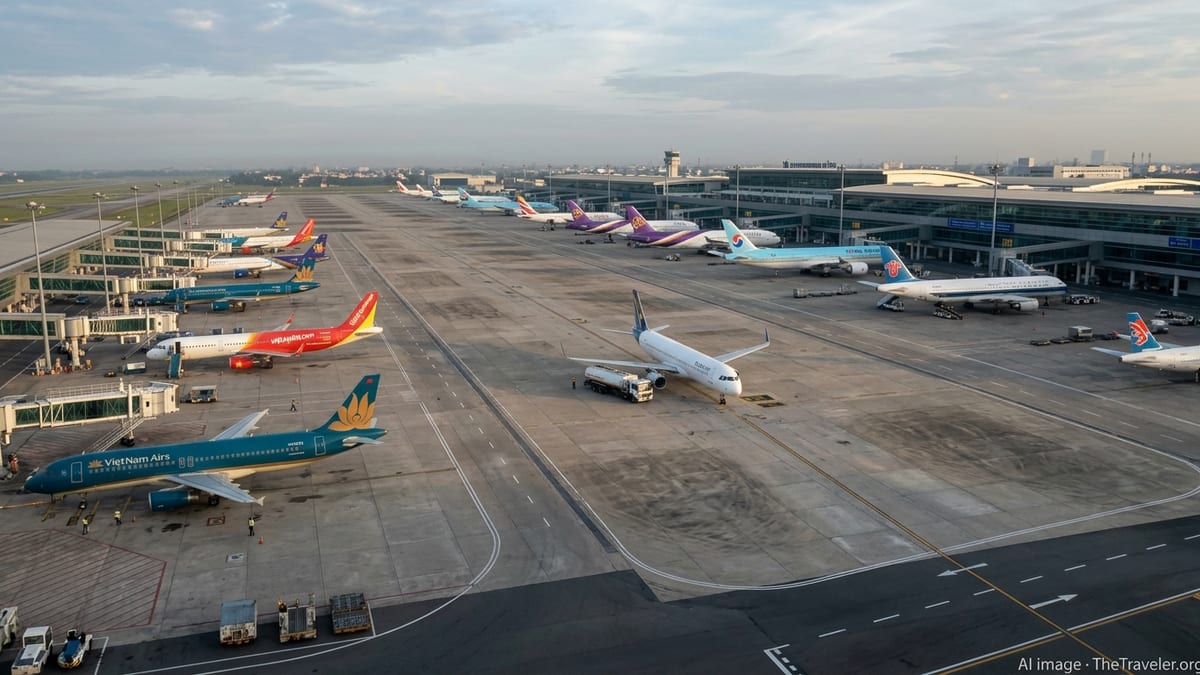
Fuel Shortages Emerge As Regional Supply Is Squeezed
Publicly available industry and market reports point to a rapid tightening of jet fuel supply across Asia following the escalation of the 2026 Iran war, which has pushed global oil benchmarks higher and disrupted key shipping routes. Kerosene-based products such as jet fuel have risen to record or near-record levels in Asian trading, increasing operating costs for airlines that rely heavily on long-haul and regional networks.
In Southeast Asia, refinery runs in countries including Thailand and Vietnam have reportedly been cut sharply in recent weeks, limiting the availability of aviation-grade fuel just as demand for international travel remains strong. Commentators in the energy sector note that refiners are struggling to secure suitable crude and maintain output, creating bottlenecks that ripple quickly into airport fuel supplies.
At the same time, major jet fuel exporters in the region are prioritizing domestic needs and strategic reserves, reducing spot cargoes available to neighboring markets. The combination of higher prices and constrained supply has made it more difficult and more expensive for airlines to hedge fuel costs or secure flexible contracts, leaving carriers more exposed to sudden price spikes.
The result is a patchwork of localised shortages and precautionary measures at airports across Vietnam, Thailand, South Korea and China, with aviation authorities and airport operators issuing notices urging airlines to tank up elsewhere when possible and to prepare for temporary rationing at select gateways.
Vietnam Braces for Flight Cuts and Higher Fares
Vietnam appears on the front line of the current jet fuel crunch. According to recent coverage of regulatory documents, the Civil Aviation Authority of Vietnam has warned that domestic airlines face a risk of aviation fuel shortages from early April and has urged the industry to prepare for potential flight reductions. The warning follows indications that regional suppliers, including China and Thailand, have curtailed exports of jet fuel as they focus on their own markets amid the broader energy shock.
Vietnam’s fast-growing aviation sector is particularly vulnerable because its fuel imports are closely tied to regional trade flows and refinery production. Hanoi and Ho Chi Minh City serve as major transit points for travelers combining Vietnam with neighboring destinations, so any schedule cuts could quickly cascade into missed connections and longer journey times for international visitors.
Tourism operators in coastal destinations such as Da Nang, Nha Trang and Phu Quoc are watching developments closely. The country has relied on a rapid return of foreign arrivals to support hotels, resorts and small businesses that expanded aggressively before the pandemic. Any sustained disruption to flight capacity, even in the form of trimmed frequencies or seasonal route suspensions, may weigh on room occupancy and tour bookings during the coming months.
For travelers, visible impacts are already emerging in the form of rising base fares and additional fuel surcharges on some international itineraries touching Vietnam. Industry analysts expect airlines serving the country to prioritize the most profitable routes and peak travel days, while off-peak frequencies and marginal secondary routes may face cuts if fuel supply tightens further.
Thailand Confronts Refinery Strains and Tourism Risks
Thailand, one of Asia’s most tourism-dependent economies, is facing its own pressures from the jet fuel crunch. Regional energy market commentary indicates that Thai refineries have scaled back processing rates in recent weeks, with some analysts warning that the country’s crude stocks could come under strain if import disruptions persist. While there are no broad, nationwide aviation shutdowns, selective tightening of fuel supply is starting to be felt at certain airports.
Bangkok’s Suvarnabhumi and Don Mueang airports remain operational, but airlines have begun adjusting uplift strategies, including loading extra fuel in neighboring countries to reduce reliance on Thai stocks. Such workarounds increase operating complexity and cost, especially on short- and medium-haul routes where additional fuel weight is significant relative to total payload.
For Thailand’s tourism sector, which depends on high volumes of short-break visitors from across Asia and long-haul travelers from Europe and the Middle East, the main immediate risk is rising airfare rather than wholesale loss of connectivity. Reports from aviation and travel industry channels point to growing use of fuel surcharges and capacity discipline, with carriers more willing to cut low-yield seats than absorb higher fuel bills.
Travelers planning multi-country itineraries that combine Thailand with Vietnam, Cambodia or Malaysia may encounter reduced flexibility in flight times and higher last-minute prices. Observers note, however, that hotels and tour operators are likely to respond with aggressive promotions to keep demand flowing, meaning that savings on the ground may partially offset higher airfares for some visitors.
South Korea and China Rebalance Capacity as Costs Soar
In North Asia, South Korea and China are grappling with the dual challenge of surging fuel costs and the need to sustain international connectivity. Publicly available economic analyses of the 2026 energy shock note that airlines across the region have been rerouting flights to avoid conflict-affected airspace, lengthening flight times and increasing fuel burn, even as the price of jet fuel itself climbs.
South Korea, a major jet fuel producer and exporter in normal times, is seeing its role shift as refiners channel more output to domestic aviation and strategic needs. Trade data and specialist commentary suggest that export volumes are being trimmed, narrowing the cushion available to neighboring markets previously reliant on Korean fuel cargoes. At the same time, Korean carriers are reassessing route networks, focusing on high-demand corridors to North America, Europe and Southeast Asia where fuel costs can be passed through more easily via higher fares.
China, which operates some of the world’s busiest domestic and regional air routes, is also adjusting. Industry coverage indicates that Chinese airlines are tightening capacity growth plans and relying more heavily on dynamic pricing to manage demand in the face of higher operating costs. On certain thinner international routes, especially secondary city pairings, travelers may see reduced frequency, downgauged aircraft or seasonal pauses in service as carriers seek to maintain profitability.
For visitors using Seoul, Shanghai, Beijing or Guangzhou as regional hubs, the most immediate practical effects are likely to be higher prices for long-haul tickets and less choice in departure times. However, core tourism flows to major urban centers are expected to continue, with airlines prioritizing trunk routes that support both business and leisure demand.
What Travelers Can Do as the Jet Fuel Shock Ripples Through Tourism
With the jet fuel crunch still evolving and policy responses in key supplier countries not yet fully clear, travel planners are being urged by industry commentators to assume that airfares in and around Asia will remain elevated and that schedules may be subject to short-notice changes. Airlines and regulators may frame some of these adjustments as responses to operational constraints, safety margins or market demand, but the underlying driver in many cases remains fuel availability and cost.
Travelers heading to Vietnam, Thailand, South Korea or China in the coming months may benefit from booking earlier than usual, particularly for peak holiday periods and long-haul departures from Europe or North America. Flexible tickets, although more expensive upfront, offer protection if airlines consolidate flights or alter routings in response to fuel-related pressures. Travel insurance policies that explicitly cover schedule disruptions and missed connections can also provide an extra layer of security.
On multi-stop itineraries, it may be prudent to build longer connection windows, especially when transiting through hubs that are heavily exposed to regional fuel logistics. Allowing extra time between flights reduces the risk that a delay on one leg, perhaps caused by last-minute fuel load checks or rationing, leads to costly rebooking on another carrier.
Despite the challenges, industry data still shows resilient demand for travel across Asia, and many tourism boards continue to market aggressively to international visitors. For now, the jet fuel crisis is reshaping, rather than halting, the region’s tourism recovery. Travelers who remain flexible on dates, routings and airlines are likely to find that Asia’s key destinations remain accessible, even as the cost and complexity of getting there increase.