

More news on this day
A sudden jet fuel shortfall at Havana’s José Martí International Airport has triggered widespread flight cancellations and delays, stranding holidaymakers and disrupting air links to Cuba just as global aviation grapples with mounting fuel supply pressures.
Get the latest news straight to your inbox!
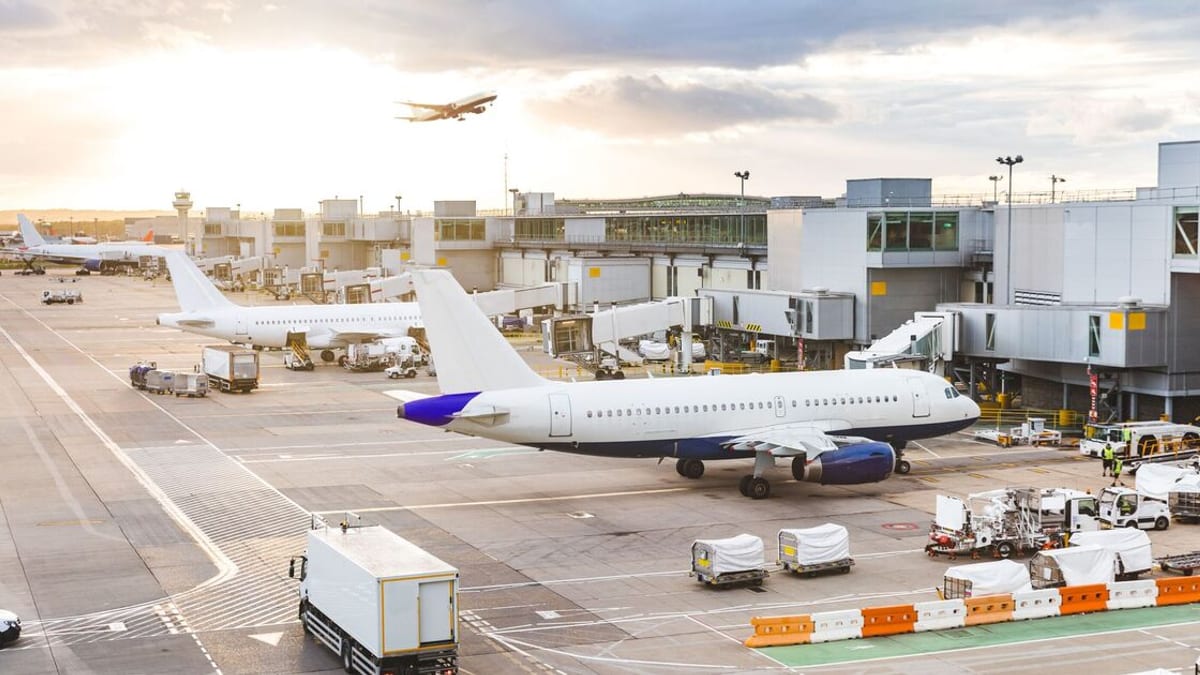
Jet A-1 supply at Havana collapses
Publicly available aviation notices indicate that José Martí International Airport in Havana has been operating without standard Jet A-1 fuel for an extended period, effectively depriving most commercial aircraft of the fuel they require to operate normally. The notice, issued in February and renewed into March, signaled to airlines that on-site fuel could not be guaranteed for departing services.
According to published coverage and sector briefings, the disruption stems from a wider energy squeeze in Cuba, where constrained refined fuel imports have left authorities prioritising limited supplies for domestic needs. For airlines, the result is a highly challenging operating environment in which routine refuelling at the country’s main international gateway can no longer be assumed.
Without reliable access to Jet A-1, many carriers have concluded that continuing regular commercial schedules to and from Havana is no longer viable. Airlines typically plan fuel loads and alternates months in advance, and a prolonged loss of supply at a destination upends those calculations overnight.
The impact is particularly acute during the winter and early spring high season, when visitor numbers from Europe and North America usually swell. Package holiday providers and tour operators that rely on predictable capacity into Havana and nearby resort areas have been forced to revise plans and, in many cases, cancel departures outright.
Flights cancelled and tourists repatriated
In response to the fuel shortfall, several international carriers have suspended regular services to Cuba or shifted to limited repatriation operations, using aircraft that arrive with sufficient fuel to depart again without refuelling. Reports from airline statements and trade bulletins describe aircraft operating “ferry” or lightly loaded flights designed primarily to bring stranded travellers home.
Some Russian and European airlines serving Havana and the resort hub of Varadero have adjusted schedules to focus on evacuating existing tourists while halting new inbound sales. Published reports describe empty or near-empty aircraft being dispatched from home bases to pick up passengers, reflecting the logistical difficulty of operating in and out of an airport where standard fuel services are unavailable.
For holidaymakers on the ground, the sudden schedule changes have translated into long queues at airline desks, rebookings onto alternative routes via third countries, and in some cases unexpected extra nights in hotels while carriers reorganise operations. Travel industry advisories circulating since February have urged passengers heading to Cuba to monitor flight status closely and remain flexible about routings.
Tour operators in Canada and Europe, key source markets for Cuba’s beach resorts, have begun consolidating departures or shifting customers to alternative sun destinations where aviation fuel supplies are more stable. However, such changes are not always possible at short notice, leaving some travellers without a straightforward substitute for planned trips.
Knock-on effects across the tourism economy
The fuel crisis at Havana’s main airport is reverberating well beyond the terminal buildings. Hotel occupancy in some resort areas has declined as new arrivals slow, while businesses that depend on a steady stream of international visitors report a noticeable drop in customers. Local guides, excursion providers and small hospitality operators are among those most exposed to the sudden reduction in air capacity.
Tourism has long been a vital source of foreign currency for Cuba, and analysts following the situation suggest a prolonged disruption to air links could strain an already fragile economy. With airlines cancelling or reducing flights, the island risks losing not only visitor spending but also valuable seat capacity that can be difficult to rebuild once withdrawn.
Travel insurers and consumer protection agencies are fielding questions from passengers affected by cancellations and long delays. Policy terms vary, but many customers are seeking clarity on whether a jet fuel shortage constitutes an “extraordinary circumstance” or a foreseeable operational risk. The answer can determine eligibility for compensation or additional support.
Industry commentators note that the situation in Havana illustrates how quickly a local infrastructure bottleneck can cascade through wider tourism networks. Tour packages, cruise add-ons, and multi-stop itineraries that rely on Cuban gateways have all required last-minute reconfiguration or, in some cases, outright cancellation as operators wait for clarity on fuel availability.
Global fuel pressures heighten vulnerability
The crisis in Cuba is unfolding against a backdrop of rising jet fuel prices and supply anxieties worldwide. Recent conflict-related disruptions in the Middle East have pushed up oil and refined product costs, with aviation among the sectors most exposed. Industry briefings and recent news coverage highlight how airlines in Europe, the Middle East and Asia are already trimming schedules, consolidating flights, or adding surcharges in response to volatile fuel markets.
In Italy, for example, several major airports including Milan Linate, Venice, Bologna and Treviso have imposed temporary fuel restrictions this month, prioritising long-haul and emergency flights. While these airports have not exhausted stocks completely, airlines have been warned of limited availability and advised to tanker additional fuel or adjust schedules, creating another layer of complexity for carriers and travellers.
Across the Asia Pacific region, published data for early April show hundreds of cancellations and thousands of delays in a single day, driven by a mix of air traffic control constraints, weather and fuel-related pressures. Analysts warn that as inventories tighten, more airports could be forced into rationing or short-notice restrictions, raising the risk of sudden disruption for passengers.
Executives at major low-cost airlines in Europe have recently cautioned that if current geopolitical tensions persist into the peak summer season, some airports may experience outright shortages, forcing carriers to cancel a portion of scheduled flights. While many airlines have hedged a significant share of their 2026 fuel needs at pre-crisis prices, physical supply constraints at individual hubs remain a critical vulnerability.
What travellers should watch in the weeks ahead
For travellers with upcoming trips to Cuba, the most immediate priority is to check whether their flight is still operating and under what conditions. Some carriers are continuing limited services by refuelling at alternate airports or operating adjusted routings, while others have suspended commercial flights altogether in favour of organised repatriations. Travel agencies and tour operators are typically the first point of contact for rebooking options.
More broadly, passengers planning long-haul journeys through regions affected by fuel constraints are being advised, in publicly available guidance, to allow extra time for connections and to be prepared for schedule changes. Choosing itineraries with multiple daily frequencies on key routes can provide more fallback options if a particular flight is cancelled.
Travel planners suggest that customers review ticket conditions and insurance policies carefully, paying close attention to clauses covering schedule disruptions, missed connections and force majeure events. Flexible tickets or add-on options allowing date and routing changes may prove valuable if airport fuel disruptions spread or intensify.
While aviation remains remarkably resilient in the face of shocks, the situation at Havana’s airport serves as a reminder that seemingly distant geopolitical and energy-market events can quickly translate into very tangible consequences at the departure gate. With jet fuel markets under strain, major hubs worldwide are likely to stay under close watch from airlines and travellers alike in the coming months.