

More news on this day
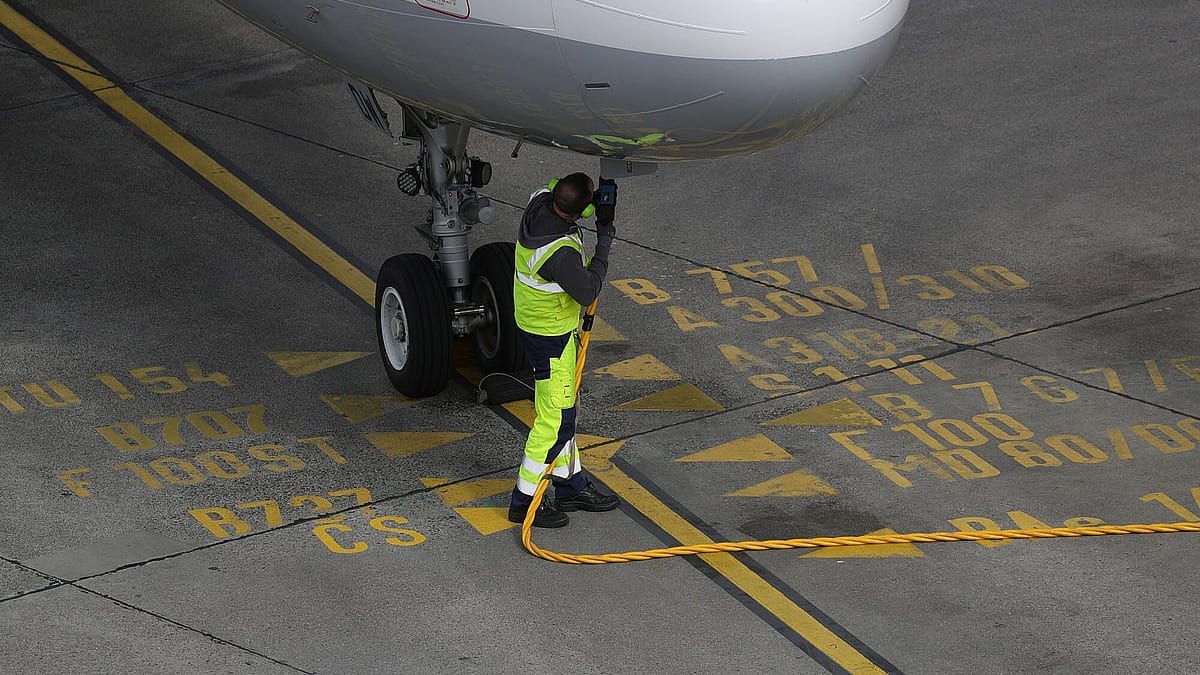
A worsening squeeze on jet fuel supplies, sharpened by conflict in the Middle East and regional refinery constraints, is rippling through global aviation as airlines cancel flights, trim schedules and raise fares to offset surging costs.
Get the latest news straight to your inbox!
Conflict, Refinery Bottlenecks and Surging Demand Converge
The latest spike in jet fuel costs is closely tied to volatile crude prices after renewed conflict around key shipping lanes in the Middle East, where a large share of the world’s oil exports transit. Published coverage indicates that wholesale jet fuel prices have climbed sharply since late February, pushing fuel bills for major carriers hundreds of millions of dollars higher in a matter of weeks.
The hit comes on top of structural tightness in aviation fuel markets. Industry data for 2024 and 2025 shows refineries already running hard to meet rebounding air travel demand, with jet fuel capturing a record share of output in some regions. In the United States, official statistics cited by energy analysts show jet fuel production taking its highest share of refinery yields in nearly a decade, even as gasoline output is squeezed.
At the same time, global passenger traffic has largely recovered from the pandemic slump and continues to edge higher. Recent updates from international airline groups describe 2025 passenger demand running above 2019 levels in several markets, intensifying competition for limited fuel supplies. The result is a market where even short term disruptions in crude supply or refinery operations can feed quickly into airline balance sheets and ticket prices.
Efforts to scale up sustainable aviation fuel have not yet eased the pressure. Public reports from energy and finance institutions suggest that while production of these lower carbon alternatives more than doubled in recent years, they still make up only a small fraction of global jet fuel use and trade at several times the price of conventional kerosene.
Asia Pacific Hit by Cancellations and Surcharges
Travelers in the Asia Pacific region are among the first to feel the latest phase of the jet fuel crunch. Regional travel outlets report that a tightening supply of aviation fuel in March 2026 has led carriers to cancel selected routes, thin out frequencies and apply fresh fuel surcharges that add double digit percentage increases to many tickets.
In Southeast Asia, coverage of local booking data points to economy fares on popular short haul corridors such as Bangkok to Singapore regularly clearing well above previous price bands once fuel surcharges are factored in. Some routes that previously saw highly competitive pricing have shifted to a new, higher floor as airlines seek to ensure that each flight covers sharply higher operating costs.
The disruptions extend into the South Pacific. In New Zealand, national media and industry briefings describe a wave of schedule cuts stretching into early May, affecting tens of thousands of passengers as the flag carrier pares back flying to conserve fuel and restore reliability. Australian airlines have announced parallel fare increases, citing a doubling in aviation fuel costs on certain contracts and warning that additional adjustments may follow if market conditions remain strained.
Across North Asia, trade publications and regional news feeds highlight emergency cost saving programs at several carriers exposed to long haul networks and fuel intensive operations. Airlines serving transpacific and intra Asia routes are accelerating fleet and schedule reviews, prioritizing aircraft with better fuel burn performance and trimming marginal routes that are no longer economical at current jet fuel prices.
Europe Balances Structural Deficit and Price Shock
Europe’s aviation sector is confronting the jet fuel crisis from an already vulnerable position. Economic analysis released by an international airline association in early 2026 underscores a persistent and widening deficit between the continent’s jet fuel production and demand, driven in part by refinery closures and a shift in product slates away from traditional transport fuels.
With more of its aviation fuel needs met through imports, Europe is acutely exposed to disruptions in global trade flows and benchmark price spikes. Travel focused coverage in recent weeks describes what some analysts call a perfect storm, as the regional supply gap collides with higher crude prices linked to Middle East tensions and strong post pandemic travel demand.
Low cost and leisure oriented carriers that rely on dense summer schedules appear particularly sensitive to the squeeze. Industry reports from European travel media indicate that some airlines are cutting back on shoulder season frequencies, consolidating flights in and out of secondary airports, and signaling sharper fare increases for peak summer months to reflect higher fuel bills.
Legacy network airlines, which often hedge a portion of their fuel consumption, are not immune. Financial disclosures and analyst commentary suggest that hedging programs have helped smooth some of the immediate impact, but carriers still face higher forward prices and must decide how quickly to pass those costs through to passengers without undermining demand.
North American Carriers Walk a Tightrope on Pricing
In North America, major airlines are attempting to balance robust demand with the need to preserve profitability as jet fuel costs climb. Recent business coverage from United States media notes that large carriers continue to report strong bookings for spring and summer, even as they acknowledge that higher fuel prices are eroding margins and forcing tough choices on pricing.
Several airlines have already signaled or implemented targeted fare increases on domestic and international routes, focusing especially on longer haul flights where fuel accounts for a larger share of total operating costs. Industry commentary points out that transcontinental and transatlantic services consume significantly more fuel per departure than short haul segments, making them more immediately sensitive to price swings.
Behind the scenes, network planners are reassessing route profitability assumptions laid out when fuel prices were lower. Public earnings guidance and investor presentations suggest that some capacity growth plans for late 2026 could be scaled back if current price levels persist, potentially limiting seat supply and reinforcing upward pressure on ticket prices into the next travel season.
At the same time, domestic competition and the presence of low cost carriers make it difficult for airlines to push through unlimited increases. Consumer advocates and travel analysts in North America are tracking how quickly average ticket prices move in tandem with jet fuel benchmarks, pointing to early evidence that discretionary travelers may start trimming nonessential trips if airfares rise too aggressively.
Travelers Face Higher Costs, Tighter Schedules and New Uncertainty
For travelers, the deepening jet fuel crisis is translating into a less predictable and more expensive flying experience. Data compiled by aviation consultancies and flight tracking services for March and early April 2026 shows elevated cancellation rates on several regional networks where fuel supply has been tight, as well as a noticeable uptick in last minute schedule adjustments.
Consumer oriented travel outlets in Asia and Europe are advising passengers to budget for higher fares and ancillary charges, particularly fuel surcharges that may not be evident in headline prices until late in the booking process. Combined reports from multiple markets indicate that increases in the range of 10 to 25 percent on some routes are becoming common as airlines race to recoup higher input costs.
The uncertainty is also feeding through to travel planning behavior. Booking engines and tour operators cited in recent coverage say more customers are seeking flexible tickets or robust travel insurance that covers disruption, reflecting a growing awareness that geopolitical shocks or refinery outages can now translate quickly into flight cancellations.
Industry forecasts suggest that unless crude prices ease or new refining capacity and alternative fuels come online faster than currently planned, the tension between surging post pandemic travel demand and constrained jet fuel supply is likely to persist. That scenario would mean a prolonged period in which airlines continue to adjust schedules, and passengers pay more for each seat in the sky.