

More news on this day
A fast‑deepening jet fuel shortage linked to the Iran war and the closure of the Strait of Hormuz is rippling through global aviation, prompting airlines across regions to cancel flights, shrink summer schedules and lift fares and fees as they scramble to contain surging fuel bills.
Get the latest news straight to your inbox!
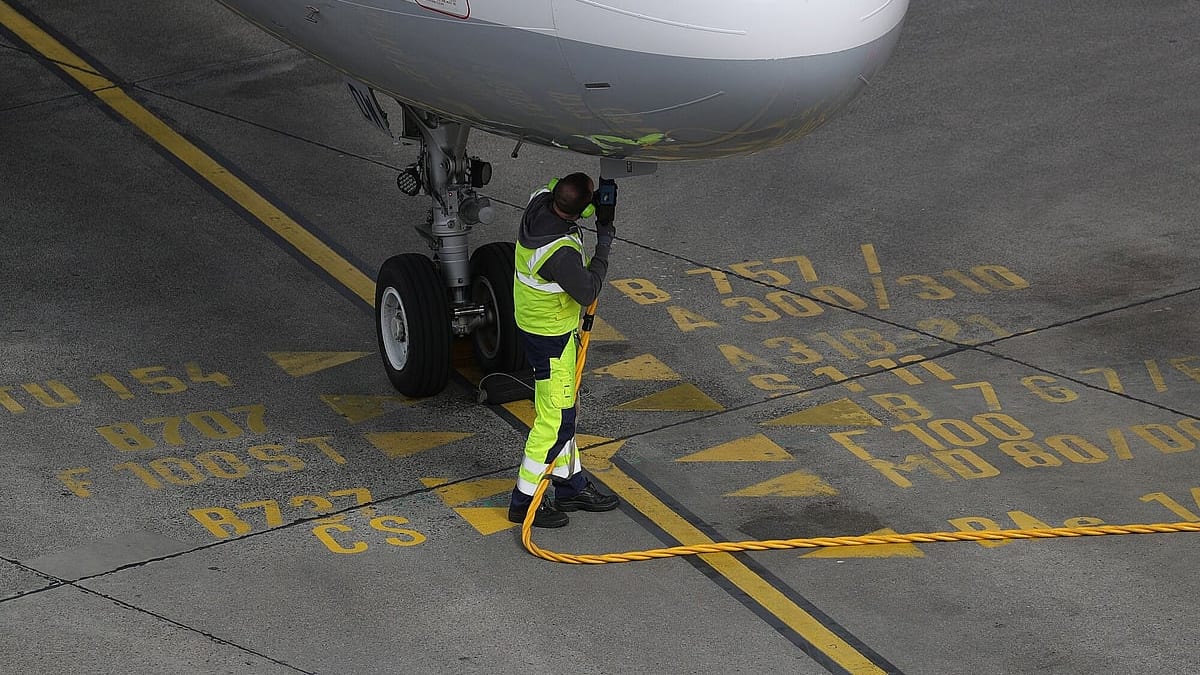
Strait of Hormuz shock tightens global jet fuel supply
The latest turbulence for travelers is rooted in oil markets. The war involving Iran and the effective closure of the Strait of Hormuz in March removed a key artery for crude flows, with industry analysis describing one of the largest disruptions to global oil supplies in decades. That shock has cascaded through refineries and shipping networks, leaving jet fuel inventories strained in several regions.
Reports from energy agencies and market trackers indicate that jet fuel prices have more than doubled in the past month, reaching levels comparable to or above previous post‑pandemic peaks. Analysts say refiners are struggling to replace lost Middle Eastern supply, while policy decisions in major exporting countries, including temporary curbs on fuel exports in China, have further tightened the market.
Even after emergency stock releases by major consuming nations, projections suggest the imbalance will not be resolved quickly. Aviation specialists are warning that, even if crude flows through the Strait normalize in the near term, damage to logistics chains and low inventories could keep jet fuel scarce for three to six months, making the upcoming Northern Hemisphere summer season particularly vulnerable.
Airline trade data and research from aviation consultancies underscore that fuel remains the second‑largest cost for carriers after labor, so rapid price spikes typically translate directly into higher airfares, cut routes or both. The current shock is hitting an industry that is still rebuilding balance sheets after the pandemic, leaving many operators with less room to absorb volatility.
Airlines slash capacity and ground aircraft
With fuel bills climbing by millions of dollars per day at large carriers, flight schedules are being rewritten at speed. Industry tracking by independent travel and aviation outlets shows airlines worldwide cutting capacity by roughly 5 to 30 percent, depending on region and business model, with the steepest reductions on long‑haul and marginally profitable routes.
In the Asia‑Pacific region, reports indicate that Qantas, Korean Air and Malaysia Airlines have grounded aircraft and suspended selected international services as they prioritize core routes and conserve fuel. Air New Zealand has announced a 5 percent cut to flights from May, citing surging fuel costs and limited supply at some South Pacific airports.
European networks are also under pressure. Data compiled by specialist route analysts show Lufthansa preparing to park dozens of aircraft by May if supply conditions deteriorate further, while multiple carriers have already removed more than 400 flights to and from markets in the former Yugoslavia for April and May. These cuts build on earlier reductions prompted by airspace closures along Middle Eastern and Eurasian corridors.
Smaller and regional operators appear particularly exposed. In parts of Southeast Asia, airlines have temporarily suspended domestic routes where jet fuel deliveries have been disrupted or rationed, and some Pacific island airports have begun limiting refueling to essential quantities only. Industry observers warn that further supply setbacks could push weaker carriers into deeper financial distress or precipitate consolidation.
Fares, surcharges and fees climb as costs surge
For travelers, the most immediate impact is financial. Publicly available fare data and airline announcements show average ticket prices rising sharply on many routes as carriers attempt to pass through higher fuel costs. Some travel industry analyses estimate economy‑class fares on long‑haul routes have climbed 20 to 30 percent in recent weeks, with premium cabins seeing even larger increases.
Alongside base fares, fuel surcharges are reappearing or being expanded. Major Asian carriers such as Cathay Pacific and Air India have recently updated system‑wide surcharges across their networks, while other airlines in the region have added new fees on Europe, North America and Australia routes specifically tied to jet fuel costs. Industry commentators view the breadth of these changes as a signal that airlines expect elevated prices to persist.
In North America, the pressure is also showing up in ancillary charges. Large United States airlines including United, Delta and JetBlue have introduced higher checked baggage fees in recent days, citing increased operating costs in a context of rising fuel prices. Travel advisors note that these cost changes are layered on top of earlier fare increases, intensifying the overall burden on passengers planning summer trips.
Corporate travel managers and consumer advocates are warning that the combination of higher base fares, new surcharges and steeper ancillary fees will particularly affect price‑sensitive travelers and families, potentially depressing discretionary international travel even if demand for essential and business trips remains robust.
Regional flashpoints highlight fragility of supply chains
Beyond the Middle East conflict, localized fuel disruptions are revealing how finely balanced jet fuel logistics have become. Recent refinery outages in parts of the United States and Europe, along with pipeline bottlenecks and storage constraints, have forced ad hoc responses ranging from emergency imports to on‑the‑spot rationing at individual airports.
In the South Pacific, notices to pilots show airports such as Tahiti restricting refueling for international flights to minimum operational levels, requiring some airlines to tanker extra fuel from other hubs or insert technical stops into long‑haul itineraries. Similar constraints have been reported at smaller airports in island nations and remote regions, where storage capacity is limited and deliveries are less frequent.
Elsewhere, government statements in countries such as the Philippines acknowledge that national oil stockpiles have fallen to significantly lower cover levels since the start of the Iran conflict, prompting carriers including Cebu Pacific and Philippine Airlines to trim both domestic and international schedules. In Canada, reductions or suspensions of service to fuel‑constrained destinations such as Cuba earlier this year illustrate how quickly commercial routes can unravel when airport supplies tighten.
Energy policy analyses published over the past year have repeatedly highlighted that global refining capacity for jet fuel has not kept pace with the rapid rebound in air travel. Several older refineries have closed or converted to produce alternative fuels, limiting the cushion available when a major geopolitical shock hits supply routes crucial to aviation.
Summer travel outlook: fewer seats, less flexibility
With the Northern Hemisphere peak travel season approaching, aviation and tourism analysts are cautioning that the jet fuel crunch could turn an already busy summer into a period of heightened disruption and higher prices. Forecasts from travel research firms point to a mismatch between strong demand and constrained seat capacity, particularly on transcontinental and transoceanic routes.
Some large carriers, including United Airlines, have already outlined plans to cut around 5 percent of flights during off‑peak times in the second and third quarters, focusing reductions on overnight and midweek services. Industry observers say this strategy helps airlines save fuel while preserving high‑yield departures, but it leaves leisure travelers and those seeking cheaper seats with fewer options.
Airports and tourism boards in major destinations are revising visitor projections in light of these developments. Early data from booking platforms suggests that some travelers are pivoting to closer‑to‑home trips or shifting from air to rail where alternatives exist, especially in parts of Europe. Others are delaying long‑haul travel decisions in the hope that capacity or prices stabilize later in the year.
Consumer groups and travel planners are advising passengers to book early, remain flexible with dates and routing, and monitor itineraries closely in case of schedule changes or cancellations linked to fuel shortages. While aviation experts stress that most flights are still operating, they note that the margin for error in global jet fuel supply has narrowed significantly, leaving airlines and travelers more vulnerable to further geopolitical or logistical shocks in the months ahead.