

More news on this day
A rapidly deepening jet fuel crunch linked to the closure of the Strait of Hormuz is disrupting air travel across Asia, with Vietnam, Thailand, South Korea, and China facing record fuel prices, tighter supplies, and mounting pressure on airline schedules just as regional tourism was gathering pace.
Get the latest news straight to your inbox!
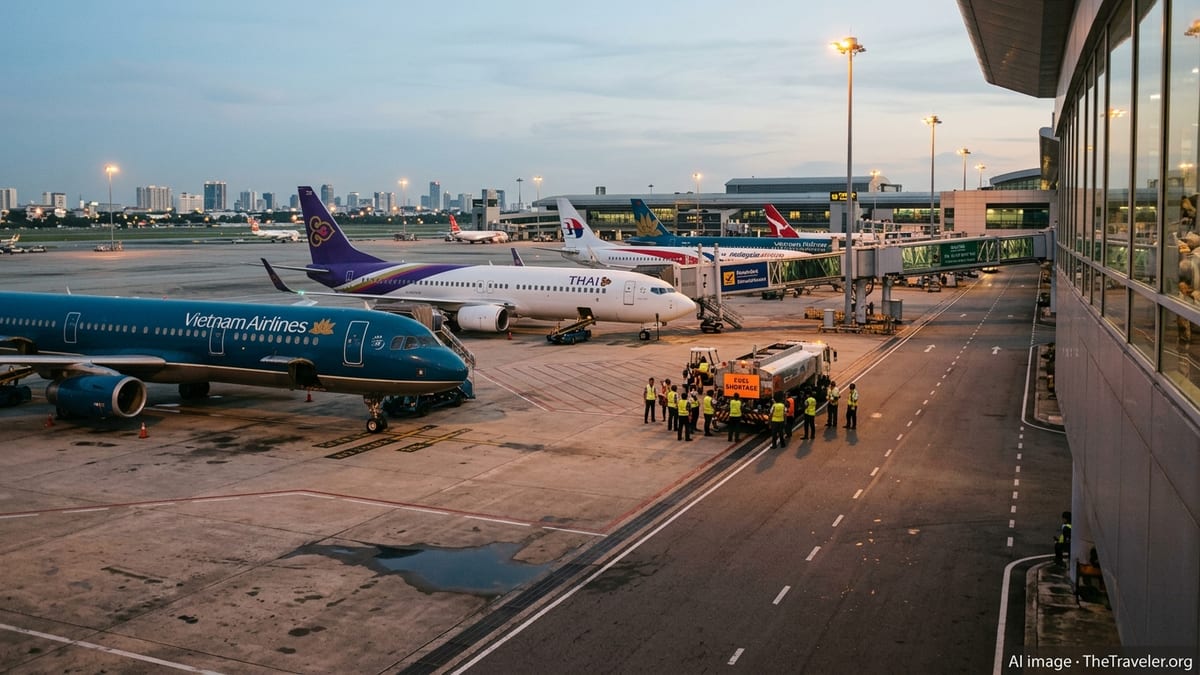
Energy Shock Ripples From Gulf To Asian Skies
The effective shutdown of tanker traffic through the Strait of Hormuz since late February has sharply reduced global supplies of crude oil and refined products, pushing benchmark oil prices above 100 dollars a barrel and driving jet fuel costs to multi‑year highs. Publicly available market analysis describes the situation as one of the most serious energy supply shocks in decades, with Asia particularly exposed because of its heavy reliance on Middle Eastern imports.
Refineries that serve major aviation hubs in East and Southeast Asia are contending with both higher feedstock costs and physical supply constraints. Reports indicate that some plants have cut run rates or shifted output away from aviation fuel, contributing to a squeeze on jet fuel available for export and, in some cases, for domestic use. Airlines, in turn, face sharply higher operating costs on top of already extended routings that avoid conflict‑affected airspace.
Long‑haul services between Asia and Europe are especially vulnerable. Many carriers had already been flying longer detours around the Middle East, adding flight time and fuel burn. With kerosene prices now at or near record levels across regional trading hubs, network planners are being forced to reassess marginal routes, trim frequencies, and, in some cases, cap passenger loads to conserve fuel.
Vietnam Braces For Flight Cuts As Fuel Imports Dry Up
Vietnam has emerged as one of the most exposed markets. According to recent coverage citing a document from the Civil Aviation Authority of Vietnam, regulators have warned domestic airlines to prepare for potential reductions in flights from early April and in subsequent months because of heightened risks of jet fuel shortages. The warning follows decisions by China and Thailand to suspend exports of refined fuel products in order to protect their own inventories.
Vietnam sources a significant share of its aviation fuel via regional trade, supplementing output from its two domestic refineries. Industry commentary notes that the country holds relatively modest crude and product reserves, limiting its buffer against sudden supply shocks. The government has publicly sought assistance from partners including Japan and South Korea to secure additional crude oil and fuel, underscoring the seriousness of the situation for transport and tourism.
For travelers, the most immediate impact is likely to be tighter capacity on domestic and short‑haul international routes. Early reports from passenger forums and local media already describe scattered cancellations and schedule changes on Vietnamese carriers, along with warnings that more widespread cuts could follow if additional fuel cannot be sourced in time. Visitors planning multi‑stop itineraries within Vietnam or onward connections across Indochina face a higher risk of disruption than usual.
Thailand Prioritizes Domestic Needs As Tourism Surges
Thailand, one of Asia’s busiest tourism gateways, is also under pressure as the global energy shock drives fuel prices higher. Recent regional energy reporting indicates that refineries across Southeast Asia have reduced throughput by roughly one quarter to two fifths in response to crude shortages and cost spikes. Against that backdrop, Thai authorities have moved to restrict exports of certain fuel products, including jet fuel, in order to secure domestic supply.
While Thailand’s larger storage capacity and refining sector give it more options than some neighbors, the timing is awkward. International arrivals have been climbing steadily, with airlines ramping up frequencies to Bangkok, Phuket, Chiang Mai, and emerging beach destinations. Higher fuel costs are already feeding into fares, especially on long‑haul and charter flights aimed at European markets, and some carriers have introduced temporary fuel surcharges.
Travelers currently in Thailand or arriving in the coming weeks are not facing blanket cancellations, but they should expect a more fluid operating environment. Airlines serving Thai airports may consolidate lightly booked departures, retime night flights to daytime slots for operational efficiency, or temporarily pause marginal regional routes. Passengers on secondary city pairs and low‑cost carriers are more likely to be affected than those on flagship trunk routes into Bangkok’s main international gateway.
China And South Korea Tighten Exports And Reroute Networks
China and South Korea, both major importers and refiners of crude oil, play a pivotal role in regional jet fuel trade. Publicly available information shows that refiners in both countries have historically exported significant volumes of aviation fuel to neighbors, including Vietnam. As global supplies have tightened, recent policy moves indicate a shift toward prioritizing domestic consumption and strategic stockpiles over external sales.
Chinese carriers are grappling with the dual challenge of costlier fuel and longer routings that bypass conflict‑adjacent airspace on flights to Europe and parts of the Middle East. Schedule data and booking platforms point to trimmed frequencies on some intercontinental routes, along with modest capacity reductions on lower‑yield regional services. Nonetheless, China’s sheer market size and policy focus on maintaining connectivity mean that primary international hubs remain well served, albeit at higher ticket prices.
South Korean airlines are also adjusting. The country’s refiners had previously expanded jet fuel exports during periods of strong overseas demand, but current conditions favor keeping more product at home to support a dense web of domestic and regional flights. Network changes reported in aviation industry trackers include selective capacity cuts on long‑haul routes and the use of more fuel‑efficient aircraft where fleets allow. For travelers, this translates into fewer flight options on some city pairs and increased load factors on those that remain.
What Travelers Across Asia Need To Watch Now
For visitors heading to or within Asia in the coming weeks, the jet fuel crunch primarily manifests as uncertainty rather than a total collapse in air links. Core tourism corridors linking major hubs such as Bangkok, Hanoi, Ho Chi Minh City, Seoul, Beijing, and Shanghai are still operating, but schedules are more prone to last‑minute changes. Travelers connecting through multiple countries or relying on smaller regional airports face the greatest risk of disruption as airlines concentrate limited fuel and aircraft on their most profitable and strategically important routes.
Higher operating costs are gradually flowing through to airfares. Many carriers have updated fuel surcharges on medium and long‑haul flights, and some low‑cost airlines are reducing promotional seat allocations. Budget‑conscious travelers may need to be more flexible with dates and routings, considering alternative gateways or nearby hubs if direct options become too expensive or scarce. At the same time, hotel and tour operators across the region are closely watching booking trends, aware that a prolonged aviation squeeze could dampen the recovery in international arrivals.
Given the fast‑moving nature of the energy situation, published coverage consistently advises travelers to monitor airline communications closely in the days leading up to departure. Reconfirming itineraries, allowing extra time for connections, and having backup routing ideas can all help mitigate the impact of sudden cancellations or schedule shifts. For now, Asia’s tourism industry remains open, but the jet fuel crisis is a reminder that geopolitical shocks far from the region’s beaches and city skylines can quickly reach the boarding gate.